 Ver en contexto
 Enviar
 Compartir
 Detalles

 Descargar
 Similares
 Radiografía
 Presentación de diapositivas
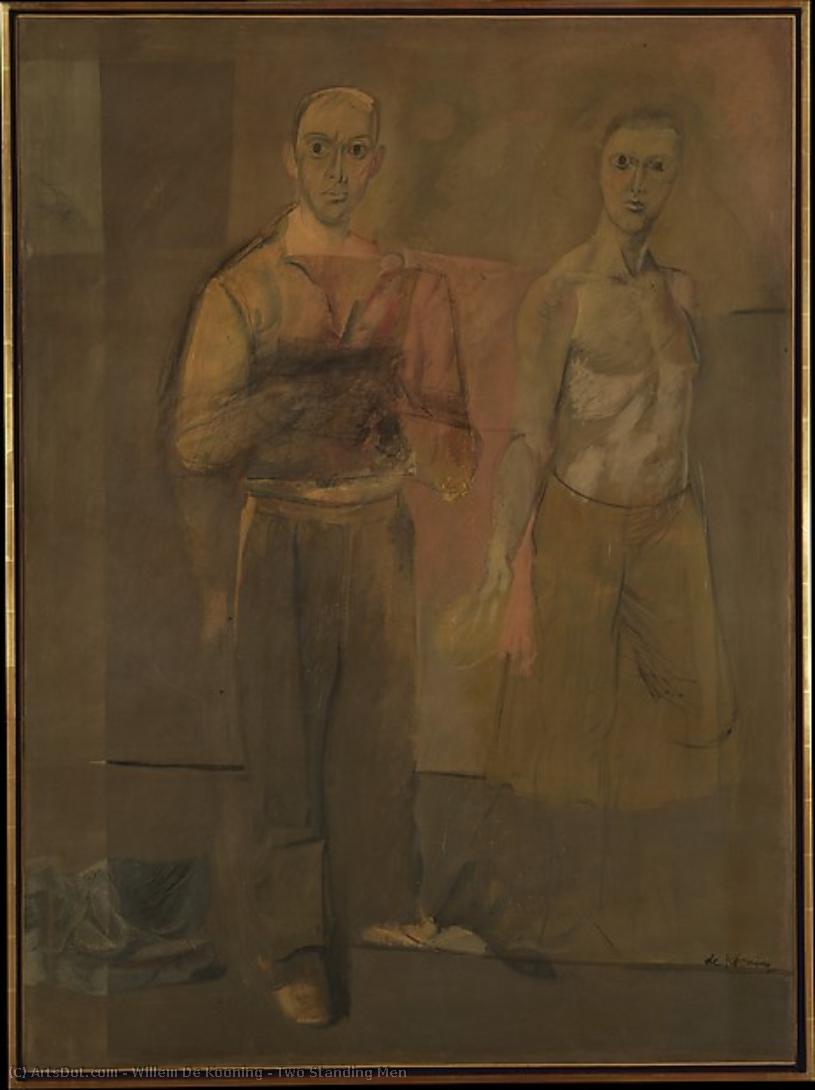
Two Standing Men
 Oil On Canvas
- WallArt
- Abstract Expressionism
 1938
1938- Modern
 155.0 x 114.0 cm
 Ver más
Reproducción al óleo hecha a mano
Óleo sobre lienzo pintado a mano en el tamaño y marco de su elección, realizado por encargo por nuestros artistas. ( Comprar impresión Comprar imagen)




P118B $10

P118H $10

P118W $10

P438Z $10

P508JH $12

P508YH $12

P805H $10

P805Z $10

P919BZ $10

P919G $10

P919XJ $10

P959ZH $10

P968JZ $12

W106C $8

W218G $10

W218JH $8

W218Y $10

W307PJ $10

W316G $10

W316PJ $8

W316Y $10

W398PJ $8

W4111J $10

W500HY $15

W500JH $15

W692G $12

W849H $8

W940BG $15

W953PJ $8




Elija entre nuestros tamaños predefinidos que respetan las proporciones originales de la obra.

Puede ingresar sus propias dimensiones para adaptarse a un marco o espacio específico. Si el tamaño seleccionado no coincide con las proporciones de la imagen original, recortaremos la obra o extenderemos la pintura con elementos adicionales pintados a mano. Se le enviará una maqueta digital para su aprobación antes de comenzar la producción.
Tenga en cuenta que la vista previa en pantalla no refleja el recorte o la extensión reales. Solo la maqueta mostrará con precisión la composición final.
Si bien existen tamaños personalizados, recomendamos seleccionar una dimensión de la lista predefinida para preservar las proporciones originales.
Tras realizar el pedido, el equipo de OriginalUniqueArt.com enviará un correo electrónico al cliente para solicitar instrucciones y proporcionarle una vista previa del boceto.
Envío a todo el mundo () en 3-4 semanas en lugar de las 5 semanas estándar. (3 septiembre). Sin comprometer la calidad.

Envío exprés gratuito a todo el mundo

Lienzo de lino de alta calidad

Seguro de envío total

Garantía de reembolso de impuestos aduaneros

Garantía de fidelidad cromática exacta

Política de devolución de 60 días (solo por defectos)

Garantía de devolución del 100% del dinero

Descuento por cantidad
 La opción de vidrio solo está disponible en tamaños inferiores a 110 cm.

Two Standing Men
Técnica de reproducción
Dimensiones de la reproducción
-


Precio total final
$ 300
A Moment Frozen in Expression: The Soul of Two Standing Men
In the vast, turbulent landscape of twentieth-century art, few works capture the raw, visceral essence of human connection quite like Willem de Kooning’s 1938 masterpiece, Two Standing Men. This monumental canvas serves as a profound window into the pre-war psyche, offering much more than a mere portrait of two figures. It is an intimate study of companionship and vulnerability, rendered with a gestural intensity that would later define the Abstract Expressionist movement. As one gazes upon the composition, the viewer is immediately struck by the palpable tension between the formal attire of the subjects—the structured ties and poised stances—and the wild, energetic brushwork that threatens to dissolve their forms into pure emotion.
The painting’s subject matter centers on a quiet, yet powerful, moment of intimacy. Two men stand side-by-side, their proximity suggesting a shared history and an unspoken bond. One man gently encircles the other’s shoulders, a gesture that breathes life into the canvas through its suggestion of camaraderie and mutual support. This physical closeness creates a poignant contrast against the stark, imposing red wall that dominates the background. This crimson backdrop is far from passive; it pulses with a symbolic weight, evoking themes of passion, danger, and the looming shadows of the era's global anxieties. The red serves as a dramatic stage, pushing the figures into the foreground and forcing an encounter between the viewer and the subjects' shared humanity.
The Mastery of Gesture and Texture
Technically, Two Standing Men is a triumph of early de Kooning, showcasing the artist’s burgeoning command over impasto and movement. Long before he became a titan of total abstraction, de Kooning utilized thick, layered applications of oil paint to create a surface that feels alive. The brushstrokes are not merely marks on a canvas; they are traces of physical action, capturing a sense of spontaneity and rhythmic flow. This heavy texture lends the work a sculptural quality, where the light catches the ridges of the paint, adding depth and a sense of temporal urgency. The way the colors bleed and overlap mirrors the internal complexities of the human experience, suggesting that identity is never static but always in a state of becoming.
For the discerning collector or interior designer, this piece offers an unparalleled opportunity to introduce a sense of historical gravity and avant-garde sophistication into a space. The painting’s ability to balance formal structure with expressive chaos makes it a versatile centerpiece for modern, minimalist, or even classical environments. It does not merely decorate a room; it commands it, inviting conversation about the nature of relationships and the resilience of the human spirit. To possess a high-quality reproduction of this work is to hold a fragment of art history—a piece that resonates with the enduring power of connection amidst the beautiful, chaotic struggle of existence.
Biografía del artista
vida temprana y carrera
Willem de Kooning, un reconocido artista abstracto expresionista holandés-estadounidense, nació el 24 de abril de 1904 en Róterdam, Países Bajos. Sus padres, Leendert de Kooning y Cornelia Nobel, se divorciaron en 1907, y de Kooning vivió con su padre antes de mudarse a la atención de su madre. Dejó la escuela en 1916 y se convirtió en aprendiz en una firma de arte comercial.desarrollo artístico
De Kooning asistió a clases nocturnas en la Academia de Artes Visuales y Ciencias Aplicadas en Róterdam de 1916 a 1924. En 1927, se mudó a la ciudad de Nueva York, donde trabajó como pintor de casas y comenzó a desarrollar su estilo artístico único.expresionismo abstracto
El trabajo de De Kooning se inclinó hacia el expresionismo abstracto en la década de 1950, caracterizado por pinceladas audaces y colores vibrantes. Su pintura Mujer I (1950-1952) es una obra seminal en este movimiento, que combina la figuración con la espontaneidad y la intensidad emocional.obras notables y colecciones
* El Glazador (137 x 112 cm, óleo sobre lienzo): una sombría pintura en tonos tierra inspirada en los frescos de Boscoreale. * Puerta al río (expresionismo abstracto): una pintura con pinceladas anchas que recuerda a su pasado como pintor de casas. * Hombre de pie (expresionismo abstracto): un ejemplo característico del estilo expresionista abstracto de De Kooning.museos y colecciones
* Museo Boijmans Van Beuningen, Róterdam, Países Bajos: cuenta con una impresionante colección de más de 151.000 obras de arte. * Universiteitsbibliotheek, Leiden, Países Bajos: alberga un importante centro cultural con más de 5.200.000 volúmenes y 1.000.000 libros electrónicos. El legado de Willem de Kooning continúa inspirando a artistas y entusiastas del arte por igual, consolidando su lugar como pionero del expresionismo abstracto.
Willem de Kooning
1904 - 1997 , Países Bajos
Datos clave
- Artistas Que Influyeron: ['Arshile Gorky']
- Fecha De Muerte: 1997
- Fecha De Nacimiento: 24 de abril de 1904
- Lugar De Nacimiento: Rotterdam, Países Bajos
- Movimiento Artístico: Expresionismo abstracto
- Nacionalidad: Neerlandés-estadounidense
- Nombre Completo: Willem de Kooning
- Obras Notables:
- Mujer I
- El Vidriero
- Excavación
Artículos relacionados

Expresionismo Abstracto: 10 Obras Maestras que Transformaron el Arte |
Descubre las 10 obras maestras del Expresionismo Abstracto: Pollock, Rothko y más. Explora la historia, técnica y significado de estos lienzos icónicos. Reproducciones de arte exclusivas en .

Kandinsky: Las 25 Obras Maestras del Pionero de la Abstracción | OriginalUniqueArt
Descubre las 25 obras maestras de Wassily Kandinsky, pionero del arte abstracto. Explora su expresionismo, composiciones únicas y la historia detrás de cada cuadro. Reproducciones de alta calidad para decorar tu hogar con arte moderno en OriginalUniqueArt.com.
Mark Rothko: Las 25 Obras Maestras que Definen la Expresión Abstracta | OriginalUniqueArt
Descubre las 25 obras maestras de Mark Rothko, pionero del expresionismo abstracto. Explora la historia, el significado y los colores vibrantes que definen su arte emocional. Reproducciones de alta calidad en OriginalUniqueArt.com.
Beyond the Lines: Mastering the High-Impact World of Contemporary Abstraction
Master the high-impact world of contemporary abstraction. Discover how bold colors, textures, and modern movements like Abstract Expressionism can transform your space with premium, high-energy art curated for the design-conscious professional.
The Soul of Color: A Journey into the Emotional Resonance of Lyrical Abstraction
Embark on a cultural journey through Lyrical Abstraction. Explore how masters like Kandinsky used color and motion to translate emotion into visual poetry. Discover the profound beauty of abstract expressionism and learn to curate emotional resonance in your own art collection.