
 Vista previa
 Compartir
 Compartir
 Ver detalles

 Descargar
 Ver similares
 Radiografía
 Presentación de diapositivas
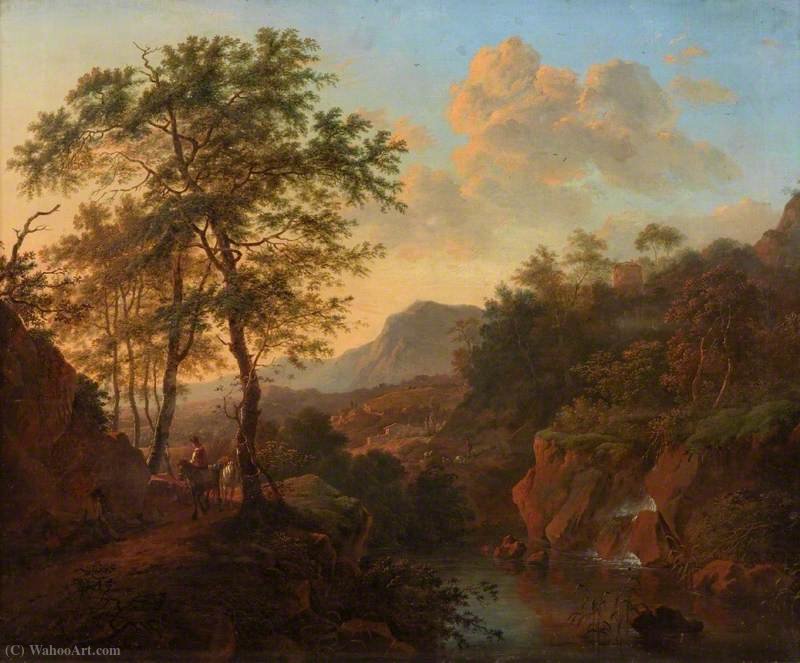
River Scene with Figures

 Leer más
Reproducción al óleo hecha a mano
Óleo sobre lienzo pintado a mano en el tamaño y marco de su elección, realizado por encargo por nuestros artistas. ( Pedir impresión Comprar descarga)




































Elija entre nuestros tamaños predefinidos que respetan las proporciones originales de la obra.

Puede ingresar sus propias dimensiones para adaptarse a un marco o espacio específico. Si el tamaño seleccionado no coincide con las proporciones de la imagen original, recortaremos la obra o extenderemos la pintura con elementos adicionales pintados a mano. Se le enviará una maqueta digital para su aprobación antes de comenzar la producción.
Tenga en cuenta que la vista previa en pantalla no refleja el recorte o la extensión reales. Solo la maqueta mostrará con precisión la composición final.
Si bien existen tamaños personalizados, recomendamos seleccionar una dimensión de la lista predefinida para preservar las proporciones originales.
Tras realizar el pedido, el equipo de OriginalUniqueArt.com enviará un correo electrónico al cliente para solicitar instrucciones y proporcionarle una vista previa del boceto.
Envío a todo el mundo () en 3-4 semanas en lugar de las 5 semanas estándar. (18 agosto). Sin comprometer la calidad.

Envío exprés gratuito a todo el mundo

Lienzo de lino de alta calidad

Seguro de envío completo

Garantía de reembolso de aranceles aduaneros

Garantía de fidelidad cromática exacta

Política de devolución de 60 días (solo por defectos)

Garantía de devolución del 100% del dinero

Oferta por volumen
 La opción de vidrio solo está disponible en tamaños inferiores a 110 cm.

River Scene with Figures
Técnica de reproducción
Tamaño de la reproducción
-


Precio total
$ 300
Biografía del artista
Willem de Heusch: A Tranquil Echo of Both and Lorraine
Born around 1625 in Utrecht, Netherlands, Willem de Heusch remains an artist whose life story is largely reconstructed from stylistic analysis and correspondence with fellow artists—a testament to the challenges inherent in documenting artistic figures of his era. Precise biographical details are scarce, leaving scholars to piece together his existence primarily through meticulous examination of his oeuvre and its connection to prominent artistic currents.Early Life and Training: The Shadow of Jan Both
Information concerning de Heusch’s formative years is elusive, yet evidence suggests he received his artistic training under the watchful eye of Jan Both—a master whose distinctive style profoundly shaped de Heusch’s artistic vision. Both's meticulous attention to detail and masterful use of atmospheric perspective served as a foundational influence, fostering within de Heusch a deep appreciation for idealized beauty and an unwavering commitment to capturing fleeting moments of sublime serenity. This stylistic kinship extended beyond mere technique; it instilled in him the core tenets of the Arcadian movement—a humanist aesthetic championed by Claude Lorraine and characterized by its reverence for nature’s grandeur.Membership in Utrecht's Gild: Artistic Engagement and Societal Context
De Heusch ascended to prominence as a respected member of Utrecht’s gild—an influential guild comprised of artists who upheld traditions of craftsmanship and artistic excellence. Alongside Cornelis Poelenburg, Jan Both, and Jan Weenix, he served on the guild council from 1649, demonstrating his active engagement with the intellectual and social dynamics shaping Dutch art during the mid-17th century. This involvement underscored his commitment to upholding artistic standards while simultaneously navigating the complexities of civic life—a duality that reflects the broader cultural landscape of Utrecht at the time.A Pupil’s Legacy: Jacob de Heusch – Maintaining Tradition
His nephew, Jacob de Heusch, continued his artistic lineage, inheriting not only talent but also stylistic adherence to Jan Both's method. This familial connection underscores the pervasive influence of Both on Utrecht’s artistic landscape during this period—a legacy that ensured the continuation of a distinctive aesthetic sensibility across generations. Jacob diligently pursued similar compositional strategies and tonal palettes as his uncle, perpetuating de Heusch’s commitment to capturing the ethereal beauty of twilight landscapes.De Heusch's Artistic Style: Luminosity and Tranquility
Willem de Heusch’s paintings are instantly recognizable for their masterful depiction of evening landscapes—expansive vistas bathed in dusky hues, punctuated by rocky outcrops and towering trees silhouetted against a fading sky. Unlike many contemporaries who favored dramatic chiaroscuro effects, de Heusch prioritized subtle gradations of color and texture, creating images that convey an atmosphere of contemplative stillness. His etchings, numbering thirteen extant prints, further cemented his reputation as a skilled engraver and demonstrated his unwavering commitment to stylistic consistency with Both’s artistic idiom. The meticulous rendering of natural forms—particularly the interplay between light and shadow—reflects Lorraine's influence, highlighting the shared aesthetic aspirations of these three artists. His works reside in prestigious institutions worldwide: The Hague Gallery and Rotterdam Museum boast significant holdings of his paintings, while Vienna Belvedere, Frankfurt Städelsaal, and Paris Louvre showcase masterpieces embodying the pinnacle of Utrechtian landscape art.Historical Significance: A Voice of Arcadia
Ultimately, Willem de Heusch’s contribution to Dutch art transcends mere stylistic imitation; he represents a cornerstone of Utrecht’s artistic heritage and embodies the spirit of the Arcadian movement. His serene landscapes—characterized by luminous color palettes and understated compositional elegance—remain timeless expressions of humanist ideals and continue to resonate with audiences captivated by their profound sense of tranquility and beauty. He is remembered as an artist who diligently upheld the traditions of his predecessors, ensuring that the legacy of Jan Both and Claude Lorraine endured for generations to come.
Willem de Heusch
1625 - 1692 , Países Bajos
Datos clave
- Artistic Movement Or Style: Italianate landscapes; Arcadian art
- Artists Or Movements Influenced By This Artist: ['Claude Lorraine']
- Artists Who Influenced This Artist: ['Jan Both']
- Date Of Birth: c. 1625
- Date Of Death: 9 march 1692
- Full Name: Willem de Heusch
- Nationality: Dutch
- Notable Artworks:
- River Scene with Figures
- Two Shepherds And An Avenue
- Hilly Landscape with Figures
- Place Of Birth: Utrecht, Netherlands
Artículos relacionados

Solicitudes Comerciales
APS ofrece reproducciones de bellas artes y encargos personalizados desde 2004. Confían en nosotros corporaciones, hoteles y coleccionistas selectos para obras de arte de calidad museística, servicio discreto y soluciones artísticas completas. ¡Póngase en contacto con nosotros para obtener un presupuesto personalizado!

Paisajes Románticos: 10 Obras Maestras que Definieron un Movimiento Artístico
Descubre los 10 paisajes románticos más influyentes de artistas como Caspar David Friedrich y Turner. Explora la belleza, el simbolismo y las técnicas del movimiento romántico. Reproducciones de arte exclusivas en OriginalUniqueArt.com.

Goya: Las 25 Obras Maestras del Genio Español | Reproducciones de Arte en OriginalUniqueArt
Descubre las 25 obras maestras de Goya, el genio español. Explora retratos icónicos, 'Los Caprichos' y 'Las Pinturas Negras'. Reproducciones de arte en lienzo de alta calidad para decorar tu hogar con estilo. ¡Encuentra tu obra favorita en OriginalUniqueArt.com!

Masterpieces of Light: A Definitive Guide to the Landscapes of the Dutch Golden Age
Discover the luminous mastery of Dutch Golden Age landscapes. Our expert guide explores the atmospheric realism of masters like Van Goyen and Cuyp. Elevate your space with museum-quality, hand-painted oil reproductions from OriginalUniqueArt.com. Art history, beautifully realized.

Willem van de Velde the Elder: Master of Maritime Painting & Chronicler of the Dutch Golden Age
Discover the captivating maritime paintings of Willem van de Velde the Elder, a master chronicler of the Dutch Golden Age. Explore his unparalleled realism and lasting influence on naval art history.

