

 Vista previa
 Compartir
 Compartir
 Ver detalles

 Descargar
 Ver artículos similares
 Radiografía
 Presentación de diapositivas
 Estadísticas
Israel Zangwill
 Oil On Canvas
- WallArt
- Other
 1898
1898- 19th Century
 61.0 x 51.0 cm
 Leer más
Giclée / Impresión de arte
Impresiones giclée o en lienzo de calidad de museo con producción rápida y opciones de acabado flexibles. ( Encargar reproducción pintada a mano Ver versión en imagen digital)




P118B $10

P118H $10

P118W $10

P438Z $10

P508JH $12

P508YH $12

P805H $10

P805Z $10

P919BZ $10

P919G $10

P919XJ $10

P959ZH $10

P968JZ $12

W106C $8

W218G $10

W218JH $8

W218Y $10

W307PJ $10

W316G $10

W316PJ $8

W316Y $10

W398PJ $8

W4111J $10

W500HY $15

W500JH $15

W692G $12

W849H $8

W940BG $15

W953PJ $8




Elija entre nuestros tamaños predefinidos que respetan las proporciones originales de la obra.

Puede introducir sus propias dimensiones para adaptarse a un marco o espacio específico. Si el tamaño seleccionado no coincide con las proporciones de la imagen original, recortaremos la obra de arte o extenderemos la imagen con un borde con efecto espejo o de color sólido. Se enviará una maqueta digital para su aprobación antes de que comience la producción.
Tenga en cuenta que la vista previa en pantalla no refleja el recorte o la extensión real. Solo la maqueta mostrará con precisión la composición final.
Aunque existen tamaños personalizados, recomendamos seleccionar una dimensión de la lista predefinida para preservar las proporciones originales.
Envío a todo el mundo () en 2 semanas en lugar de las 4/5 semanas estándar. (15 septiembre)

Envío exprés gratuito a todo el mundo

Lienzo de lino de alta calidad

Seguro de envío completo

Garantía de reembolso de impuestos aduaneros

Garantía de fidelidad cromática exacta

Política de devolución de 100 días (solo por defectos)

Garantía de devolución del 100% del dinero

Oferta por volumen
 La opción de vidrio solo está disponible en tamaños inferiores a 110 cm.

Israel Zangwill
Giclée / Impresión de arte
Tamaño de la reproducción
-


Precio total
$ 80
A Study in Contemplative Dignity
In the quiet depths of Walter Richard Sickert’s 1898 masterpiece, Israel Zangwill, we encounter more than just a mere likeness; we are invited into a profound moment of introspection. The portrait captures the essence of the renowned writer and polymath, presenting him not in a moment of public oratory, but in a state of private, heavy thought. Sickert, an artist masterfully skilled at navigating the boundaries between traditional portraiture and the psychological complexities of modernism, utilizes a downward gaze to suggest a soul preoccupied with the weight of intellect and experience. The subject’s hands, clasped gently before him, serve as a silent anchor in the composition, grounding the viewer in the stillness of the scene.
The technique employed here is a testament to Sickert's ability to manipulate light and shadow to evoke character. Through the medium of oil on canvas, the artist builds layers of texture that breathe life into the white fabric of Zangwill’s shirt, creating a stark, luminous contrast against the more muted, atmospheric background. This interplay of light—often referred to as chiaroscuro in classical traditions—is used here not just for dramatic effect, but to sculpt the features of the face and the texture of the beard, lending the portrait a tactile, three-dimensional quality that draws the eye inward.
The Intersection of History and Emotion
To understand this work is to understand the era of its creation. Painted at the close of the nineteenth century, the portrait sits at a fascinating crossroads of history. Sickert, a man whose own life was defined by movement between German roots and British identity, brings a certain cosmopolitan sensitivity to the canvas. The subject, Israel Zangwill, was a figure of immense cultural significance, and through Sickert's brush, we see the embodiment of late-Victorian intellectualism. There is a palpable sense of gravity in the work, an emotional resonance that speaks to the burdens of leadership and the solitude of the thinker.
For the discerning collector or interior designer, this painting offers a sophisticated focal point that transcends mere decoration. It possesses a quiet authority that can anchor a room, providing a sense of historical depth and intellectual prestige. Whether placed in a private library, a formal study, or a contemporary living space, a high-quality reproduction of this work brings with it an aura of timelessness. The subtle palette and the masterful handling of light make it a versatile piece, capable of complementing both classical aesthetics and modern, minimalist environments, inviting anyone who lingers before it to share in its profound, silent meditation.
Biografía del artista
Primeros años y formación
Walter Richard Sickert, un pintor británico de origen alemán, nació el 31 de mayo de 1860 en Múnich, Reino de Baviera. Su familia se estableció en Inglaterra en 1868, tras la anexión alemana de Schleswig-Holstein. La educación temprana de Sickert tuvo lugar en la University College School y la King's College School, donde estudió hasta los 18 años.Desarrollo artístico
El viaje artístico de Sickert comenzó con una breve incursión como actor, seguida de su inscripción en la Slade School en 1881. Posteriormente, se convirtió en alumno de James Abbott McNeill Whistler, quien influyó significativamente en su obra. Sus primeras pinturas fueron pequeños estudios tonales pintados "alla prima" desde la naturaleza siguiendo el ejemplo de Whistler.Obras destacadas y controversia
Las primeras obras importantes de Sickert, que datan de finales de la década de 1880, representaban escenas en los teatros de música de Londres. Una de sus pinturas notables, Katie Lawrence at Gatti's, generó controversia debido a su representación de una conocida cantante de teatro musical, considerada "fea y vulgar" por los críticos.Asociación con el Grupo de Camden Town
Sickert fue una influencia importante en los estilos británicos de arte vanguardista del siglo XX. Se unió al New English Art Club en 1888, un grupo de artistas realistas influenciados por los franceses, y posteriormente se convirtió en miembro del Grupo de Camden Town.Legado
La obra de Sickert puede encontrarse en varios museos, incluido el Museum Kunstsalon Franke Schenk, que presenta obras desde los siglos XVI al XX. Su legado se extiende más allá de su propio arte, influyendo en los estilos británicos de arte vanguardista a mediados y finales del siglo XX.- Vea las pinturas de Sickert en OriginalUniqueArt: Walter Richard Sickert
- Descubra más sobre el Grupo de Camden Town en Wikipedia: Wyndham Lewis
- Explore la colección del Museum Kunstsalon Franke Schenk en OriginalUniqueArt: El Museo Kunstsalon Franke Schenk
- Aprenda más sobre la vida y obra de Sickert en Wikipedia: Walter Sickert
- 31 de mayo de 1860: Nacimiento en Múnich, Reino de Baviera
- 1888: Se unió al New English Art Club
- 1903-04: Desarrolló un enfoque distintivo para los conjuntos de múltiples figuras durante su último viaje de pintura a Venecia
Conclusión
El trabajo pionero de Walter Richard Sickert en el arte británico de vanguardia ha dejado una huella indeleble en el mundo del arte. Su legado continúa inspirando e influyendo en artistas, convirtiéndolo en una figura crucial en la historia del arte moderno.
Walter Richard Sickert
1860 - 1942 , Alemania
Datos clave
- Artistas Que Influyeron: ['James Abbott McNeill Whistler']
- Fecha De Fallecimiento: 22 de enero de 1942
- Fecha De Nacimiento: 31 de mayo de 1860
- Influencia Artística: Camden Town Group, Arte británico moderno
- Lugar De Nacimiento: Múnich, Alemania
- Movimiento Artístico: Postimpresionismo, Realismo
- Nacionalidad: Británico (de origen alemán)
- Nombre Completo: Walter Richard Sickert
- Obras Notables:
- Katie Lawrence en Gatti's
- Gaieté Montparnasse
Artículos relacionados

El Óleo sobre Lienzo: Historia, Técnica y la Persistencia de un Medio Artístico Atemporal
Descubre la historia y técnica del óleo sobre lienzo. Explora reproducciones fieles hechas a mano, personalización artística y consejos de expertos con OriginalUniqueArt. ¡Colecciona arte con confianza!

The Enduring Legacy of Oil on Canvas: Technique, History & Aesthetic Impact
Explore the rich history & techniques of oil painting – from Renaissance masters to Impressionism. Discover pigments, layering methods, and why this timeless medium endures. Expert insights for artists & art enthusiasts.

The Enduring Power of Painting: A Historical & Contemporary Exploration of Form and Emotion
Explore the rich history & enduring techniques of oil painting with OriginalUniqueArt. Discover masterpieces, learn about art collecting, and find authentic handmade reproductions crafted by skilled artists.

El Legado Duradero del Óleo sobre Lienzo: Técnica, Historia y Práctica Contemporánea
Descubre la historia y técnica del óleo sobre lienzo. Explora reproducciones fieles hechas a mano, personalización artística y consejos de expertos con .
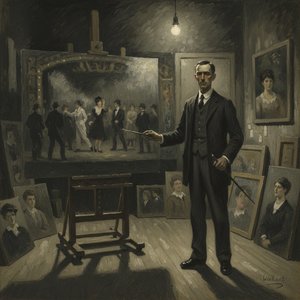
Walter Sickert: A Shadowy Realism & the Modern British Canvas
Explore the life & work of Walter Sickert, a pivotal British painter bridging Impressionism to Modernism. Discover his evocative scenes of London life, controversial legacy, and lasting influence on 20th-century art.


