
 Ver en contexto
 Enviar
 Compartir
 Detalles
 Guía
Guía

 Descargar
 Similares
 Radiografía
 Presentación de diapositivas
 Preguntas y respuestas
 Estadísticas
Dwarf Sunflower


 Ver más
Giclée / Impresión de arte
Impresiones giclée o en lienzo de calidad de museo con producción rápida y opciones de acabado flexibles. ( Comprar pintura hecha a mano Cambiar a imagen digital)




P118B €10

P118H €10

P118W €10

P438Z €10

P508JH €12

P508YH €12

P805H €10

P805Z €10

P919BZ €10

P919G €10

P919XJ €10

P959ZH €10

P968JZ €12

W106C €8

W218G €10

W218JH €8

W218Y €10

W307PJ €10

W316G €10

W316PJ €8

W316Y €10

W398PJ €8

W4111J €10

W500HY €15

W500JH €15

W692G €12

W849H €8

W940BG €15

W953PJ €8




Elija entre nuestros tamaños predefinidos que respetan las proporciones originales de la obra.

Introduzca el ancho y el alto que necesite para adaptarse a su marco o pared. Una impresión solo puede recortarse, nunca hacerse más grande que la imagen original, por lo que un tamaño con una forma distinta perderá parte de la obra. Le enviaremos una maqueta digital para su aprobación antes de realizar cualquier impresión. La imagen que se muestra en esta página no refleja el recorte real; solo la maqueta lo hace.
Envío a todo el mundo () en 2 semanas en lugar de las 4/5 semanas estándar. (8 noviembre)

Envío exprés gratuito a todo el mundo

Lienzo de lino de alta calidad

Seguro de envío total

Garantía de reembolso de aranceles aduaneros

Garantía de fidelidad cromática exacta

Política de devolución de 100 días (solo por defectos)

Garantía de devolución del 100% del dinero

Descuento por cantidad
 La opción de vidrio solo está disponible en tamaños inferiores a 110 cm.

Dwarf Sunflower
Giclée / Impresión de arte
Dimensiones de la reproducción
-


Precio total final
€ 72
Walter Launt Palmer’s “Dwarf Sunflower”: A Portrait of Contemplation
Walter Launt Palmer's "Dwarf Sunflower," painted in 1881, offers a poignant glimpse into the tonalist movement and the burgeoning interest in psychological portraiture within American art. This evocative work, depicting a young woman lost in thought, immediately draws the viewer into her quiet introspection. The red background, far from being merely decorative, acts as a dramatic counterpoint to the pale tones of the subject’s clothing and skin, intensifying the sense of melancholy and drawing attention to her expressive face. Palmer's masterful use of light and shadow – a hallmark of his style influenced by Frederic E. Church – creates a palpable atmosphere, suggesting both a physical space and an emotional one.
Style and Technique: Tonalism and Romantic Influence
Palmer’s technique is firmly rooted in the principles of tonalism, a movement that prioritized atmospheric effects and subtle gradations of color over precise detail. He achieves this through meticulous layering of thin washes of paint, building up rich textures and luminous surfaces. The brushwork is loose yet controlled, contributing to the painting's dreamlike quality. The influence of Frederic E. Church, particularly his emphasis on capturing the essence of a scene rather than a photographic representation, is readily apparent. Notice how Palmer doesn’t attempt to render every detail of the woman’s clothing or the surrounding flowers; instead, he focuses on conveying mood and emotion through color and light. The scattered wildflowers – dwarf sunflowers specifically – are not merely decorative elements but subtly reinforce the theme of natural beauty and perhaps a yearning for connection with the outside world.
Historical Context: The American Winter Painter
"Dwarf Sunflower" was created during a pivotal moment in Palmer’s career, solidifying his reputation as “the painter of the American winter.” Born in Albany, New York, into a family deeply involved in the arts – his father, Erastus Dow Palmer, was a celebrated sculptor – Palmer benefited from an early exposure to artistic ideals. His training under Charles Loring Elliott and, crucially, Frederic E. Church, shaped his approach to landscape painting. The Hudson River School’s emphasis on romantic landscapes and dramatic light effects resonated with Palmer, influencing his ability to capture the sublime beauty of the American wilderness. This work reflects a broader shift in American art towards more introspective subjects and a greater focus on individual experience.
Symbolism and Emotional Impact
The young woman’s pensive expression invites interpretation. Her gaze directed into the distance suggests a moment of quiet contemplation, perhaps a reflection on life's complexities or a yearning for something beyond her immediate surroundings. The red background, often associated with passion and intensity, adds another layer to this emotional reading. The inclusion of flowers – particularly dwarf sunflowers, known for their resilience – could symbolize hope, beauty, and the enduring power of nature. Ultimately, “Dwarf Sunflower” is not simply a portrait; it’s an exploration of human emotion and the profound connection between individuals and the natural world. It evokes a sense of quiet melancholy and invites viewers to share in the woman's moment of introspection.
Preguntas y respuestas
¿En qué estancia se sugiere exhibir "Dwarf Sunflower", considerando su paleta de colores?
Los colores de la paleta Earthy de "Dwarf Sunflower" de Walter Launt Palmer armonizan con su espacio recomendado: un Living Room.
¿Cuál es la técnica y la fecha de creación de "Dwarf Sunflower" de Walter Launt Palmer?
"Dwarf Sunflower" fue realizada en 1881, en Acrylic On Canvas.
¿Qué armonía cromática presenta "Dwarf Sunflower" de Walter Launt Palmer?
"Dwarf Sunflower" de Walter Launt Palmer presenta una armonía de color Strong Color Unity.
Biografía del artista
Walter Launt Palmer: El Pintor del Invierno Americano
Walter Launt Palmer (1854-1932) se erige como una figura fascinante en el arte estadounidense, a menudo descrito como “el pintor del invierno americano”. Sus paisajes evocadores, especialmente sus series de escenas nevadas y vistas venecianas, capturan una mezcla única de Romanticismo, Impresionismo y tonalismo. Nacido en un ambiente artístico en Albany, Nueva York – su padre, Erastus Dow Palmer, era un escultor reconocido cuya residencia albergaba reuniones de artistas prominentes como Frederic E. Church – la vida temprana de Palmer estuvo impregnada del arte, proporcionándole tanto inspiración como acceso a mentores influyentes.
La formación artística formal de Palmer comenzó con Charles Loring Elliott, pero fue su tiempo estudiando con Frederic Edwin Church quien realmente moldeó su estilo. Church, una figura destacada de la Escuela Hudson River, inculcó en Palmer un profundo aprecio por la pintura de paisajes y un meticuloso enfoque para capturar la luz y la atmósfera. Crucialmente, Church también introdujo a Palmer al mundo emergente del Impresionismo durante sus años compartidos en el estudio en Nueva York entre 1878 y 1881. Esta exposición resultó transformadora, influyendo en el uso de colores quebrados, pinceladas sueltas y un énfasis en los momentos fugaces de la luz de Palmer.
El viaje artístico de Palmer se extendió más allá de Estados Unidos, con viajes significativos a Europa en 1873 y nuevamente más tarde en la década. Estas excursiones le brindaron una experiencia invaluable estudiando las técnicas de maestros como Charles Carolus Duran en París y presenciando los vibrantes colores y efectos atmosféricos de la luz veneciana de primera mano. Regresó de estos viajes con un renovado sentido del propósito artístico, incorporando elementos tanto europeos como estadounidenses a su propio estilo distintivo.
El Paleta del Invierno
Las obras más celebradas de Palmer son sin duda sus paisajes invernales. Estos cuadros no son meras representaciones de la nieve; son exploraciones de la luz, la sombra y las sutiles variaciones de color dentro de un mundo congelado. Dominó el uso de una paleta limitada – principalmente azules, blancos, grises y marrones – para crear una sensación de profundidad y atmósfera. Su técnica consistía en aplicar capas delgadas de pintura, permitiendo que los colores se mezclaran ópticamente sobre el lienzo, en lugar de aplicarles pinceladas distintas. Este enfoque dio como resultado una calidad luminosa que capturaba la belleza etérea de la luz invernal.
Influenciado por pintores prerrafaíticos como Ruskin, Palmer estaba particularmente interesado en capturar las sutiles variaciones de color reflejadas en la nieve – los tonos cambiantes de azul y gris a medida que la luz del sol se filtraba a través de los árboles o danzaba sobre ríos congelados. Sus cuadros a menudo presentan una sensación de quietud y soledad, invitando al espectador a contemplar la serenidad y la majestuosidad del paisaje invernal. Cuadros como “Silent Dawn” ejemplifican este enfoque, mostrando su capacidad para transmitir tanto la belleza como la melancolía de una escena cubierta de nieve.
Vistas Venecianas
Si bien Palmer es mejor conocido por sus paisajes americanos invernales, también produjo un cuerpo significativo de trabajo que representa escenas venecianas. Estos cuadros, creados durante sus viajes europeos, demuestran su agudo ojo para el color y la composición. A diferencia de la belleza austera del invierno americano, Venecia ofrecía una paleta más vibrante y sensual – ricos rojos, dorados y azules reflejados en los canales y edificios. Los cuadros venecianos de Palmer se caracterizan por su perspectiva atmosférica y un sentido de romanticismo, capturando el encanto único de la ciudad.
Su enfoque para pintar Venecia fue notablemente diferente al de sus contemporáneos. En lugar de esforzarse por lograr un realismo fotográfico, Palmer se concentró en transmitir *la sensación* de Venecia – su luz, color y atmósfera. Dominó el uso del pincel y el color para crear una sensación de movimiento y profundidad, capturando la actividad bulliciosa de los canales y los reflejos brillantes en el agua.
Reconocimiento e Historia
El trabajo de Walter Launt Palmer recibió un reconocimiento considerable durante su vida, incluyendo exposiciones en lugares prestigiosos como la Academia Nacional de Diseño y la Galería Corcoran de Arte. Sus pinturas ahora se encuentran en numerosos museos y colecciones privadas alrededor del mundo, testimonio de su atractivo perdurable. El Instituto Histórico y Artístico de Albany conserva una colección significativa de sus obras, ofreciendo una visión integral de su desarrollo artístico.
Palmer jugó un papel crucial en la unión entre la Escuela Hudson River y el Impresionismo, influyendo a las generaciones posteriores de pintores de paisajes estadounidenses. Sus evocadores paisajes invernales continúan cautivando a los espectadores con su belleza, serenidad y profundo sentido de atmósfera – consolidando su lugar como uno de los pintores impresionistas más queridos de América.
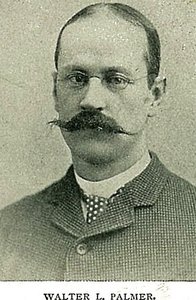
Walter Launt Palmer
1854 - 1932 , Estados Unidos
Datos clave
- Artistic Movement Or Style: Impresionismo
- Artists Or Movements Influenced By This Artist:
- Hudson River School
- John Singer Sargent
- Artists Who Influenced This Artist:
- Frederic Church
- Charles Elliott
- Date Of Birth: 1854-08-01
- Date Of Death: 1932-04-16
- Full Name: Walter Launt Palmer
- Nationality: Americano
- Notable Artworks:
- Silent Dawn
- Waving Grain
- Place Of Birth: Albany, Nueva York
Artículos relacionados

Realismo Estadounidense: 10 Obras Maestras que Cambiaron el Arte y la Decoración
Descubre 10 obras maestras del Realismo Estadounidense: Winslow Homer, Edward Hopper y más. Explora la historia, técnica y emoción de estos icónicos cuadros. Encuentra reproducciones de arte de museo en OriginalUniqueArt.com.

Grant Wood & American Regionalism: Identity, Myth & the Rural Landscape
Explore the world of Grant Wood & American Regionalism with OriginalUniqueArt. Discover the symbolism behind 'American Gothic', recurring themes, and the movement's lasting impact on art history. High-quality reproductions available.
Regionalismo Americano: Un Crisol de Identidad en el Arte y la Sociedad
Explora el Regionalismo Americano: su historia, artistas clave como Benton y Wood, y su profundo compromiso con la sociedad de la Gran Depresión. Un análisis exhaustivo para amantes del arte.

Crimson Threads of Narrative: Exploring Symbolism & Representation in Artworks Featuring the Red Dress
Explore the rich symbolism of the red dress in art history! From ancient power displays to iconic portraits like Cézanne’s 'Madame Cezanne', discover the cultural and artistic significance behind this captivating color. Expert analysis & insights.

American Regionalism: The Soul of the Heartland and the Mastery of Grant Wood
Explore the profound history of American Regionalism. Discover how Grant Wood captured the heart of the Midwest through masterpieces like American Gothic. An expert guide to the movement, its cultural impact, and the enduring beauty of American Realism.