
 Vista previa
 Compartir
 Compartir
 Ver detalles

 Descargar
 Ver similares
 Radiografía
 Presentación de diapositivas
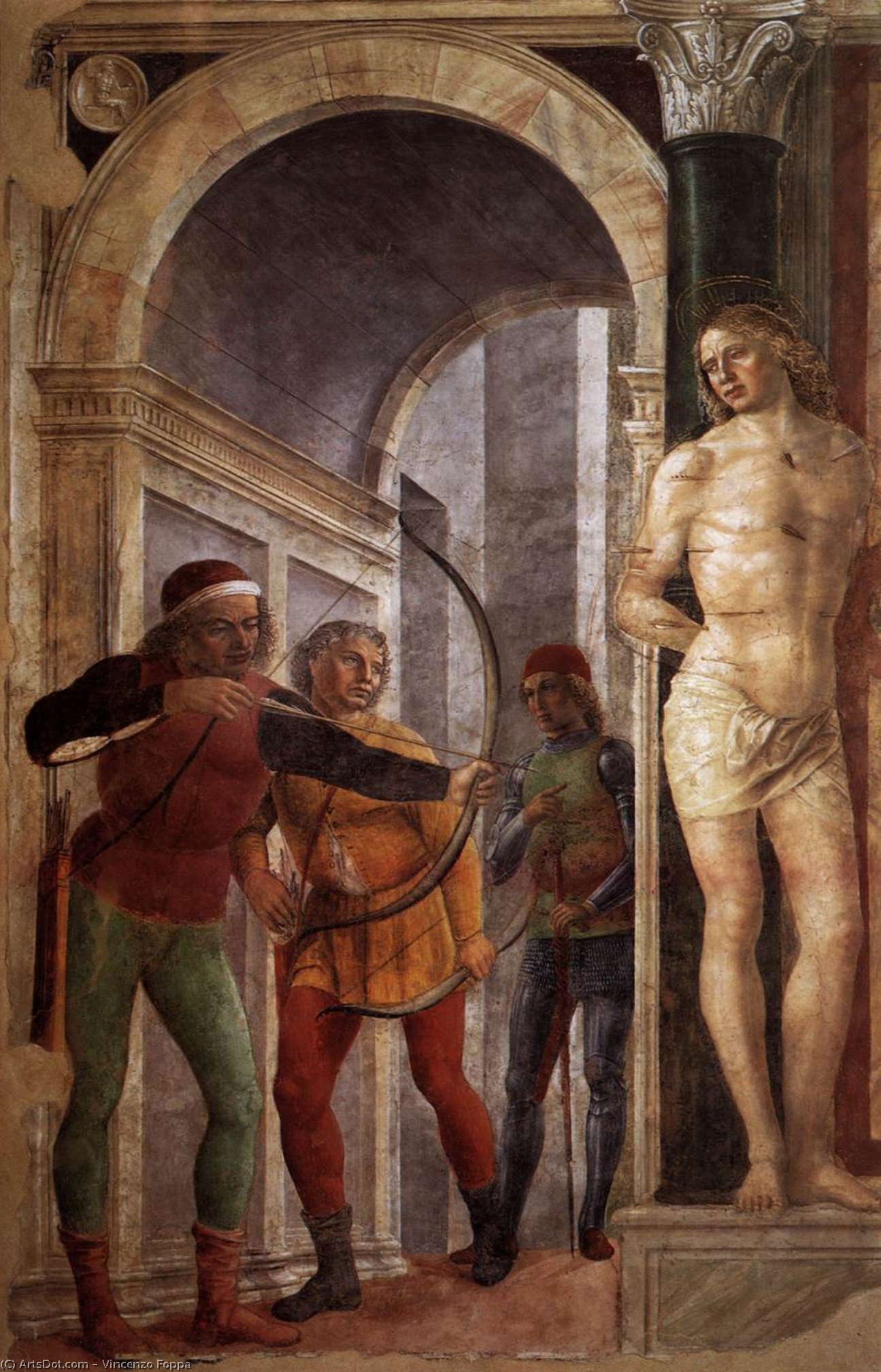
St Sebastian
 Acrylic On Canvas
- WallArt
- Early Lombard School
 1489
1489 265.0 x 170.0 cm
 Pinacoteca de Brera
 Leer más
Giclée / Impresión de arte
Impresiones giclée o en lienzo de calidad de museo con producción rápida y opciones de acabado flexibles. ( Encargar reproducción pintada a mano Comprar descarga)




P118B $10

P118H $10

P118W $10

P438Z $10

P508JH $12

P508YH $12

P805H $10

P805Z $10

P919BZ $10

P919G $10

P919XJ $10

P959ZH $10

P968JZ $12

W106C $8

W218G $10

W218JH $8

W218Y $10

W307PJ $10

W316G $10

W316PJ $8

W316Y $10

W398PJ $8

W4111J $10

W500HY $15

W500JH $15

W692G $12

W849H $8

W940BG $15

W953PJ $8




Elija entre nuestros tamaños predefinidos que respetan las proporciones originales de la obra.

Puede introducir sus propias dimensiones para adaptarse a un marco o espacio específico. Si el tamaño seleccionado no coincide con las proporciones de la imagen original, recortaremos la obra de arte o extenderemos la imagen con un borde con efecto espejo o de color sólido. Se enviará una maqueta digital para su aprobación antes de que comience la producción.
Tenga en cuenta que la vista previa en pantalla no refleja el recorte o la extensión real. Solo la maqueta mostrará con precisión la composición final.
Aunque existen tamaños personalizados, recomendamos seleccionar una dimensión de la lista predefinida para preservar las proporciones originales.
Envío a todo el mundo () en 2 semanas en lugar de las 4/5 semanas estándar. (19 agosto)

Envío exprés gratuito a todo el mundo

Lienzo de lino de alta calidad

Seguro de envío completo

Garantía de reembolso de aranceles aduaneros

Garantía de fidelidad cromática exacta

Política de devolución de 60 días (solo por defectos)

Garantía de devolución del 100% del dinero

Oferta por volumen
 La opción de vidrio solo está disponible en tamaños inferiores a 110 cm.

St Sebastian
Giclée / Impresión de arte
Tamaño de la reproducción
-


Precio total
$ 80
Descripción de la pieza
A Vision of Suffering and Grace: Unveiling Vincenzo Foppa’s St. Sebastian
Vincenzo Foppa, a name often overshadowed by the titans of the High Renaissance, nevertheless stands as a pivotal figure in the artistic landscape of Northern Italy. Born around 1427 in Bagnolo Mella, near Brescia, he wasn't merely a painter; he was a visionary who forged a distinct and deeply emotive style – the early Lombard school – blending the solemnity of Gothic traditions with the burgeoning humanist ideals of his time. His fresco depicting St. Sebastian isn’t simply a religious image; it’s a profound meditation on suffering, resilience, and ultimately, spiritual grace, rendered with an exquisite sensitivity that continues to resonate centuries later.
The painting, created in 1489 for a chapel within the Santa Maria di Brera in Milan, immediately draws the eye with its dramatic composition. St. Sebastian, depicted as a young man stripped bare and pierced by arrows, is not presented as a heroic martyr but rather as a figure of agonizing vulnerability. He stands before a statue of Venus, a subtle yet powerful symbol – a reminder of his earthly origins and the contrast between the fleeting pleasures of the flesh and the eternal promise of salvation. The three figures flanking him—a woman on the left and two men on the right—suggest a poignant scene of mourning and support, hinting at the profound impact of his martyrdom on those around him.
The Lombard School’s Distinctive Palette and Technique
Foppa's mastery lies not just in his dramatic subject matter but also in his innovative technique. He was a key figure in establishing the distinctive characteristics of the Lombard school, characterized by its muted color palette, soft modeling, and an almost ethereal quality to the figures. Unlike the vibrant hues favored by Florentine artists like Botticelli, Foppa employed a predominantly grey-toned scheme, achieved through careful layering of thin glazes – a technique known as *sfumato* – that creates a hazy, atmospheric effect. This deliberate lack of sharp outlines contributes significantly to the painting’s sense of melancholy and spiritual depth.
The fresco is executed in *buon fresco*, meaning it was painted directly onto wet plaster. This method demanded incredible speed and precision from the artist, requiring him to complete each section within a limited timeframe. Foppa's ability to capture such nuanced emotion and anatomical detail under these demanding conditions speaks volumes about his skill and dedication. The arrows themselves are rendered with remarkable realism – their sharp points and glistening surfaces conveying both physical pain and symbolic condemnation.
Historical Context and Symbolism
St. Sebastian’s martyrdom, a central event in Christian iconography, served as a potent symbol of sacrifice and endurance throughout the Middle Ages. The story itself—a Roman soldier condemned to die for his faith—resonates with themes of persecution, suffering, and unwavering devotion. Foppa's depiction aligns perfectly with this tradition, yet he imbues the scene with an intensely personal quality. The inclusion of Venus suggests a contemplation on mortality and the allure of earthly pleasures versus the promise of eternal life – a theme particularly relevant during the late 15th century, a period marked by both religious fervor and humanist inquiry.
Furthermore, the painting’s setting within a chapel dedicated to St. Sebastian underscores its devotional purpose. The choice of Venus as a counterpoint highlights the tension between earthly desires and spiritual aspirations – a central concern for artists and viewers alike during this era. The overall effect is not one of triumphant celebration but rather of quiet contemplation and profound sorrow, inviting the viewer to reflect on the nature of suffering and the possibility of redemption.
A Legacy of Emotional Resonance
Despite the loss of many of Foppa’s works over the centuries, St. Sebastian remains a testament to his artistic genius. Its enduring power lies in its ability to evoke a deep sense of empathy and spiritual awareness. The painting's muted colors, delicate modeling, and poignant composition combine to create an image that is both visually stunning and emotionally resonant – a timeless masterpiece that continues to captivate audiences today. Reproductions of this work offer a remarkable opportunity to experience the profound beauty and emotional depth of Foppa’s vision.
Biografía del artista
Vincenzo Foppa: Una Figura Clave de la Escuela Lombarda Temprana
- Nacido: Bagnolo Mella, Italia (1427)
- Fallecido: 1515
Vincenzo Foppa fue un pintor italiano del período del Renacimiento. Aunque pocas de sus obras sobreviven en la actualidad, fue un artista muy estimado e influyente durante su tiempo, considerado el líder preeminente de la escuela lombarda temprana. Su carrera se centró principalmente en trabajar para la familia Sforza, Duques de Milán, en Pavía, junto con varios otros mecenas en Lombardía y Liguria. Pasó sus últimos años viviendo y trabajando en su Brescia natal.
Vida Temprana y Formación
Se sabe muy poco sobre su vida temprana y formación artística. Nacido en Bagnolo Mella, cerca de Brescia, la región carecía de una escena artística fuerte en ese momento. Esto probablemente requirió que buscara capacitación en otro lugar. Las primeras influencias incluyeron frescos de Gentile da Fabriano en la Capilla del Broletto en Brescia y el *Anunciación* tejido de Jacopo Bellini. Bellini parece haber sido una influencia significativa, con algunos sugiriendo que Foppa fue aprendiz directo suyo. Posibles pasantías también incluyen Bonifacio Bembo. Algunos historiadores proponen una formación temprana en Padua con Francesco Squarcione, aunque sus primeras obras muestran similitudes estilísticas con Pisanello y Gentile da Fabriano. Es más probable que haya recibido una formación formal en Verona.
Desarrollo Artístico y Obras Clave
- Primeras Obras: La obra conocida más antigua atribuida a Foppa es la *Madonna y Niño con Ángeles*. Esta pintura exhibe una apariencia gótica reminiscente del estilo veronés, lo que apoya la teoría de su formación en Verona. También muestra un tono de piel único y grisáceo que se convertiría en característico de la escuela lombarda.
- Crucifixión (1456): Pintada en Bergamo, esta obra demuestra un crecimiento artístico significativo en comparación con su anterior *Madonna y Niño*. La composición se asemeja estrechamente a una versión de Jacopo Bellini del mismo tema, lo que refuerza aún más la posibilidad de un aprendizaje con Bellini. También están presentes elementos asociados con la escuela veronés, como el paisaje montañoso.
- Frescos para la Familia Sforza: En 1458, Foppa se había casado con Caylina y estaba trabajando de forma independiente en Pavía. Su trabajo impresionó al duque Francesco Sforza, lo que llevó a una carta de recomendación que aseguró encargos en Génova. Posteriormente regresó para completar frescos en la capilla de San Juan Bautista en la catedral de Génova (aunque estos se perdieron en el siglo XVI).
- Comisiones Milanesas: En 1463, Francesco Sforza convocó a Foppa a Milán. Proyectos notables incluyeron un fresco para el pórtico del nuevo Ospedale Maggiore y frescos que decoraban el Banco Medici de Milán. La última serie presentaba a ocho emperadores romanos (incluido un boceto de Trajano) y un retrato de Francesco Sforza y su familia.
- El Joven Cicerón Leyendo: La única obra secular superviviente de los frescos del Banco Medici, esta pintura se encuentra actualmente en la Colección Wallace en Londres. Su tema ha sido debatido entre los historiadores.
Influencias y Significado Histórico
El estilo artístico de Foppa fue influenciado por varias figuras clave, incluyendo Jacopo Bellini, Gentile da Fabriano y posiblemente Andrea Mantegna. Es considerado una figura fundamental en el desarrollo de la escuela lombarda de pintura, estableciendo un estilo regional distintivo caracterizado por sus tonos de piel grisáceos y una mezcla de influencias góticas y humanistas.
Su influencia se extendió a artistas posteriores como Vincenzo Civerchio y Girolamo Romanino. Giorgio Vasari reconoció a Foppa como uno de los mayores pintores de su época, lo que solidificó aún más su significado histórico dentro del panorama artístico del Renacimiento italiano.

Vincenzo Foppa
1427 - 1515 , Italia
Datos clave
- Artistas Influenciados:
- Vincenzo Civerchio
- Girolamo Romanino
- Artistas Que Influyeron:
- Jacopo Bellini
- Gentile da Fabriano
- Pisanello
- Fecha De Fallecimiento: 1515
- Fecha De Nacimiento: 1427
- Lugar De Nacimiento: Bagnolo Mella, Italia
- Movimiento Artístico: Escuela Lombarda Temprana
- Nacionalidad: Italiano
- Nombre Completo: Vincenzo Foppa
- Obras Notables:
- Madonna y Niño con Ángeles
- Crucifixión
- El Joven Cicerón Leyendo
Artículos relacionados

OriginalUniqueArt.com F.A.Q.: Elevating Interiors with Bespoke Wall Murals & Masterpiece Frescoes
Discover the pinnacle of bespoke interior transformation with OriginalUniqueArt.com. Our master fresco artists create exquisite, hand-painted wall murals and ceiling masterpieces tailored to your estate. Elevate your architectural space with timeless, museum-quality artistry.



