Menú
Text size

() ·

A painting made for you, by hand

Vilag II

Reproducción al óleo hecha a mano

Óleo sobre lienzo pintado a mano en el tamaño y marco de su elección, realizado por encargo por nuestros artistas. ( Cambiar a impresiones Cambiar a imagen digital)

Descripción del objeto

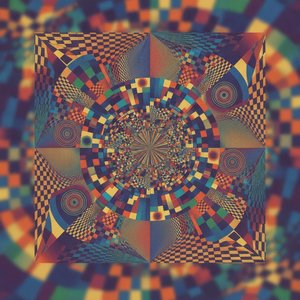
¡Experimente 'Vilag II' de Victor Vasarely, una obra maestra del Op Art! Esta vibrante serigrafía juega con la percepción, creando ilusiones dinámicas y cautivando con sus patrones geométricos y colores intensos.

Biografía del artista

Descubre a Victor Vasarely (1906-1997), pionero del Op Art! Sus abstracciones geométricas e ilusiones ópticas revolucionaron el diseño moderno. ¡Explora su legado en OriginalUniqueArt!

from ·

Chapter 1

How large should it be?

Slide to change the size; the picture on the left shows the frame at its real width. The proportions of the original are kept.

Tamaño estándar
a medida
CM
INCH

Elija entre nuestros tamaños predefinidos que respetan las proporciones originales de la obra.

ancho
altura

Indique el ancho y el alto que necesite para adaptarse a su marco o pared. Al tratarse de una obra pintada a mano, si requiere un tamaño con una proporción distinta, el artista puede pintar un poco más alrededor de la imagen o recortarla ligeramente; usted elige. Le enviaremos una maqueta digital para su aprobación antes de comenzar la pintura. La imagen que se muestra en esta página no refleja el resultado real; solo la maqueta lo hace.

Chapter 2

How should it arrive?

Choose the edges of the stretched canvas

Choose your frame

Corner sample of the WhiteWrap canvas edge finish, stretched on madera maciza bars
White €1
Corner sample of the BlurSideWrap canvas edge finish, stretched on madera maciza bars
Blurside €1
Corner sample of the ExtendedWrap canvas edge finish, stretched on madera maciza bars
Extended €1
Corner sample of the P118B picture frame: poliestireno moldeado, 5 cm wide and 3 cm thick
P118B €10
Corner sample of the P118H picture frame: poliestireno moldeado, 5 cm wide and 3 cm thick
P118H €10
Corner sample of the P118W picture frame: poliestireno moldeado, 5 cm wide and 3 cm thick
P118W €10
Corner sample of the P438Z picture frame: poliestireno moldeado, 5.5 cm wide and 3.5 cm thick
P438Z €10
Corner sample of the P508JH picture frame: poliestireno moldeado, 7 cm wide and 3.5 cm thick
P508JH €12
Corner sample of the P508YH picture frame: poliestireno moldeado, 7 cm wide and 3.5 cm thick
P508YH €12
Corner sample of the P805H picture frame: poliestireno moldeado, 5 cm wide and 3.5 cm thick
P805H €10
Corner sample of the P805Z picture frame: poliestireno moldeado, 5 cm wide and 3.5 cm thick
P805Z €10
Corner sample of the P919BZ picture frame: poliestireno moldeado, 7 cm wide and 3.5 cm thick
P919BZ €10
Corner sample of the P919G picture frame: poliestireno moldeado, 7 cm wide and 3.5 cm thick
P919G €10
Corner sample of the P919XJ picture frame: poliestireno moldeado, 7 cm wide and 3.5 cm thick
P919XJ €10
Corner sample of the P959ZH picture frame: poliestireno moldeado, 5 cm wide and 3 cm thick
P959ZH €10
Corner sample of the P968JZ picture frame: poliestireno moldeado, 6 cm wide and 4 cm thick
P968JZ €12
Corner sample of the W106C picture frame: madera maciza, 5 cm wide and 3 cm thick
W106C €8
Corner sample of the W218G picture frame: madera maciza, 5 cm wide and 3 cm thick
W218G €10
Corner sample of the W218JH picture frame: madera maciza, 5 cm wide and 3 cm thick
W218JH €8
Corner sample of the W218Y picture frame: madera maciza, 5 cm wide and 3 cm thick
W218Y €10
Corner sample of the W307PJ picture frame: madera maciza, 6 cm wide and 3 cm thick
W307PJ €10
Corner sample of the W316G picture frame: madera maciza, 6 cm wide and 3 cm thick
W316G €10
Corner sample of the W316PJ picture frame: madera maciza, 6 cm wide and 3 cm thick
W316PJ €8
Corner sample of the W316Y picture frame: madera maciza, 6 cm wide and 3 cm thick
W316Y €10
Corner sample of the W398PJ picture frame: madera maciza, 5 cm wide and 3 cm thick
W398PJ €8
Corner sample of the W4111J picture frame: madera maciza, 6.5 cm wide and 3.5 cm thick
W4111J €10
Corner sample of the W500HY picture frame: madera maciza, 7 cm wide and 5 cm thick
W500HY €15
Corner sample of the W500JH picture frame: madera maciza, 7 cm wide and 5 cm thick
W500JH €15
Corner sample of the W692G picture frame: madera maciza, 8 cm wide and 4 cm thick
W692G €12
Corner sample of the W849H picture frame: madera maciza, 5 cm wide and 3 cm thick
W849H €8
Corner sample of the W940BG picture frame: madera maciza, 7.5 cm wide and 4.5 cm thick
W940BG €15
Corner sample of the W953PJ picture frame: madera maciza, 6 cm wide and 3.5 cm thick
W953PJ €8
Corner sample of the H24-GOLD picture frame: madera tallada con estuco, 10 cm wide and 6 cm thick
H24-GOLD €30
Corner sample of the H24-SILVER picture frame: madera tallada con estuco, 10 cm wide and 6 cm thick
H24-SILVER €30
Corner sample of the H36-GOLD picture frame: madera tallada con estuco, 15 cm wide and 6.5 cm thick
H36-GOLD €45
Corner sample of the H36-SILVER picture frame: madera tallada con estuco, 15 cm wide and 6.5 cm thick
H36-SILVER €45

Moulding: . Overall size with the frame: .

Chapter 3

Who paints it, and should anything change?

Examples of what can be changed: Replace face with customer photo; Add pet (e.g., replace cat with dog); Include hidden message in background; Change background landscape or elements.
After order, OriginalUniqueArt.com team will email client for instructions and provide a mockup preview

Envío a todo el mundo () en 3-4 semanas en lugar de las 5 semanas estándar. (30 octubre). Sin comprometer la calidad.

Chapter 4

The finishing touches

A nameplate, as in a museum?

Detalles de la placa de bronce grabada

This elegant plaque features the artist's name and the title of the artwork, finely engraved for a timeless presentation.

It is made from bronze with a refined, elegant finish. The text is precisely laser-engraved for a sharp and permanent result. Measuring 9x2 cm, the plaque is compact yet easy to read. It's built to be durable and scratch-resistant, offering a professional, museum-quality look. Mounting is simple thanks to the included adhesive backing.

Detalles de la placa de acrílico transparente

The plaque includes essential engraved details such as the artist's name, the title of the artwork, the date it was created, the type of media used-like oil on canvas or watercolor-a brief description of the piece, and a QR code that links to the complete artwork information.

It is crafted from clear acrylic, offering a sleek, modern appearance. The text is UV-engraved in black to ensure strong visual contrast. With a size of 10x15 cm, it ensures optimal readability. It comes equipped with two metal hooks for secure wall mounting. The plaque is designed to be weather-resistant, making it suitable for various environments, and it includes interactive features that work seamlessly with smartphone scanning.

Detalles de la placa de acrílico negro

This elegant plaque includes engraved information such as the artist's name, the title of the artwork, the date it was created, the type of media used (like oil on canvas or watercolor), a short description of the artwork, and a QR code for quick access to more information.

The plaque itself is made from refined black acrylic with a premium finish. The text is laser-engraved in white for high contrast and readability. Its size is 10x15 cm, designed to be easy to read. It comes with two metal hooks for professional mounting. The design is sleek and fits any interior style. It is also weather-resistant and durable, with built-in digital integration for mobile compatibility.

A protective varnish?

When do you need it?

Chapter 5

Your painting, as you ordered it

Vilag II

Técnica de reproducción

Dimensiones de la reproducción

-

Selección de artistas premium

Mayor nivel de detalle, delicadeza y tiempo de producción adicional

-

Enmarcado de reproducción

-

-

Para obras de arte o reproducciones que midan más de 105 cm (aproximadamente 41 pulgadas) en cualquiera de sus lados, el marco se enviará como un kit desmontado. Este método garantiza una entrega segura y evita daños durante el transporte.

Se requiere montaje profesional: este no es un producto para hacer usted mismo (DIY).
El kit debe ser ensamblado y el lienzo tensado por un enmarcador profesional con experiencia, utilizando cola para madera (no incluida), una tenaza para tensar lienzos y sargentos para mantener los bastidores alineados mientras la cola se seca. Un montaje incorrecto o una tensión desigual del lienzo pueden dañar la obra de arte de forma permanente y no están cubiertos por nuestra garantía.

  • Se incluyen todos los listones de madera maciza, cortados con precisión según las medidas.

  • Se ensambla con los tornillos incluidos, además de cola para madera para las uniones de las esquinas, la cual no se incluye y debe ser proporcionada por su enmarcador.

  • Se requieren herramientas profesionales que no están incluidas: un alicate para tensar lienzos (tensor) y abrazaderas para mantener los bastidores alineados mientras se seca el pegamento.

Importante:
Las uniones de las esquinas requieren cola para madera, los listones deben sujetarse con prensas hasta que la cola esté completamente seca, y para tensar el lienzo en el bastidor ensamblado se requiere una pinza para tensar lienzos. Ninguno de estos elementos está incluido en el kit. Por favor, contacte con un profesional del enmarcado con experiencia antes de realizar un pedido de este tamaño.

Cartela

-

-

Barniz protector

Barniz brillante (realza los colores y protege contra la luz y la humedad)

-

Personalizar mi obra

Ejemplos de lo que se puede personalizar: sustituir el rostro por una foto del cliente; añadir una mascota (por ejemplo, cambiar un gato por un perro); incluir un mensaje oculto en el fondo; cambiar el paisaje o los elementos del fondo.

-

Envío urgente

Envío a todo el mundo () en 3 o 4 semanas, en lugar de las 5 semanas habituales. (30 octubre). Sin comprometer la calidad.

-

Envío urgente

Envío internacional () en 5 semanas. (6 noviembre).

Incluido

Precio total final

€ 265

Precio total € 265

La opción de vidrio solo está disponible en tamaños inferiores a 110 cm.

Included with every order

  • Envío exprés gratuito a todo el mundo
  • Lienzo de lino de alta calidad
  • Seguro de envío total
  • Garantía de reembolso de aranceles aduaneros
  • Garantía de fidelidad cromática exacta
  • Política de devolución de 100 días (solo por defectos)
  • Garantía de devolución del 100% del dinero
  • Descuento por cantidad

The Genesis of Illusion: Unveiling Vilag II

Victor Vasarely’s Vilag II isn't merely a painting; it’s an invitation into a world where perception itself is playfully challenged. Born Károly Vaszary in Pécs, Croatia, in 1906, Vasarely wasn’t destined for the canvas initially. His early pursuits leaned towards medicine before he was captivated by the burgeoning possibilities of visual expression, ultimately leading him to the influential Sándor Bortnyik’s Műhely workshop – a crucible where the principles of Bauhaus design and geometric abstraction were forged into his signature style. This formative environment instilled within him a systematic approach to artmaking, one rooted in logic and precision, moving beyond traditional representational forms.

Vilag II, created in 1978, exemplifies this philosophy perfectly. It’s a serigraph – a screenprint technique that allows for the creation of incredibly vibrant and detailed images – utilizing bold hues of blue, red, and black against a stark white background. The composition isn't about depicting a recognizable scene; instead, it’s an intricate dance of intersecting circles, each subtly differentiated through variations in color and texture. These aren’t static forms; they seem to vibrate with energy, creating a sense of movement and depth that defies the limitations of a two-dimensional surface.

Op Art's Architect: Vasarely and the Pursuit of Spatial Illusion

Vasarely is undeniably one of the pioneers of Op Art – Optical Art. This movement sought to manipulate visual perception, creating illusions of depth, movement, and three-dimensionality through purely formal means. He wasn’t interested in mimicking reality; rather, he aimed to reveal the inherent dynamism within how we *see* the world. His method involved meticulously calculated grids and mathematical principles, translating these into patterns that actively engage the viewer's brain, triggering a fascinating interplay between what is seen and what is perceived.

The creation of Vilag II reflects this dedication to controlled experimentation. Vasarely’s systematic approach ensured that each element contributed to the overall illusion, working in harmony to generate a complex yet balanced visual experience. The piece draws heavily on principles of Gestalt psychology – the idea that our brains automatically organize visual information into meaningful groups and patterns – further enhancing its captivating effect.

A Transatlantic Dialogue: Vasarely's Influence

Vasarely’s work transcended national boundaries, engaging in a transatlantic exchange with artists like Alexander Calder, Fernand Léger, and Carlos Cruz-Diez. He played a pivotal role in the renovation of Ciudad Universitaria de Caracas (1944-70) under Carlos Raúl Villanueva, contributing to public artworks that transformed the campus into a symbol of modernity and urban planning. This project showcased Vasarely’s ability to create art accessible to all, democratizing visual experience and solidifying his legacy as a visionary artist.

The inclusion of elements like the interlocking circles and contrasting colors in Vilag II speaks to this broader engagement. It's not simply an isolated artwork; it’s part of a larger narrative – a testament to Vasarely’s commitment to pushing the boundaries of art and its relationship with society. The piece invites contemplation on how we perceive reality, mirroring the artist's own exploration into the fundamental principles governing perception and form.

Collecting the Illusion: A Timeless Masterpiece

Vilag II is more than just a beautiful image; it’s an investment in a piece of art history. Reproductions capture the vibrancy and complexity of the original, offering a way to bring Vasarely's groundbreaking vision into your home or office. Consider this artwork not merely as decoration, but as a portal – a reminder that our perception is constantly being shaped by the world around us, and that even the simplest forms can hold profound meaning.

Preguntas y respuestas

¿Cómo puedo descubrir obras de arte similares a "Vilag II" de Victor Vasarely?

Encuentre obras similares a "Vilag II" en la página de Obras similares de esta obra.

¿Qué técnica se utilizó para "Vilag II" de Victor Vasarely?

Victor Vasarely utilizó la técnica de Acrílico sobre lienzo para "Vilag II". La técnica define la naturaleza material de la obra original.

¿Qué tamaño y orientación se recomiendan para una impresión de "Vilag II" de Victor Vasarely?

Se recomienda imprimir "Vilag II" de Victor Vasarely en un tamaño de Tamaño mediano con una orientación Cuadrado.

More about this painting

Ver en contexto Vista previa en RA Cambiar a impresiones Cambiar a imagen digital Enviar
Detalles Guía Añadir a favoritos Descargar Similares Radiografía Presentación de diapositivas Q&A Estadísticas

In numbers

  • 29frames to choose from
  • standard sizes, in its own proportions
  • 5weeks to paint and deliver it

About the original

Victor Vasarely

Victor Vasarely

1906 - 1997, Croacia

Quick facts about Victor Vasarely

  • Artistas Que Influyeron:
    • Piet Mondrian
    • Kazimir Malevich
  • Fecha De Fallecimiento: 15 de marzo de 1997
  • Fecha De Nacimiento: 9 de abril de 1906
  • Lugar De Nacimiento: Pécs, Croacia
  • Movimiento Artístico: Op Art, Abstracción geométrica
  • Nacionalidad: Húngaro-francés
  • Nombre Completo: Victor Vasarely
  • Obras Notables:
    • Estudio azul (1929)
    • Estudio verde (1929)
    • Georges Pompidou (1976)

Biografía del artista

Victor Vasarely: Pionero del Op Art y la Exploración Cinética

  • Nacimiento: 9 de abril de 1906, Pécs, Croacia
  • Fallecimiento: 15 de marzo de 1997, París, Francia
  • Nacionalidad: Húngaro-Francés

Victor Vasarely (nacido Károly Vaszary) fue una figura clave en el desarrollo del Op Art y el arte cinético. Su obra buscaba trascender la pintura tradicional explorando ilusiones ópticas y creando experiencias visuales dinámicas. Nacido en Pécs, entonces parte de Austria-Hungría (ahora Croacia), su vida temprana incluyó estudiar medicina en la Universidad Eötvös Loránd de Budapest antes de dedicarse por completo al arte.

Primeros Años e Influencias Artísticas

  • Formación Temprana: Vasarely inicialmente estudió pintura académica tradicional en la Academia Podolini-Volkmann.
  • Influencia Bauhaus: Un punto de inflexión crucial fue su inscripción en el taller de Sándor Bortnyik (Műhely) en Budapest, una escuela fuertemente influenciada por los principios del Bauhaus que enfatizaban el diseño funcional y la abstracción geométrica. Esta exposición moldeó su futura dirección artística.
  • Abstracción Geométrica: A finales de la década de 1920 y principios de la de 1930, Vasarely experimentó con formas geométricas y relaciones de color, alejándose del arte representacional hacia la abstracción pura. Obras clave como "Estudio Azul" (1929) y "Estudio Verde" (1929) demuestran esta transición.
  • Influencia de Mondrian y Malevich: Si bien desarrolló su propio estilo único, Vasarely se vio influenciado por las abstracciones geométricas de Piet Mondrian y Kazimir Malevich, aunque finalmente buscó ir más allá de sus composiciones estáticas.

El Auge del Op Art y la Exploración Cinética

  • Definiendo el Op Art: Vasarely es ampliamente considerado una figura fundadora del Op Art (Arte Óptico), un movimiento que surgió en la década de 1960 caracterizado por obras de arte que crean ilusiones ópticas a través de arreglos precisos de formas, colores y líneas.
  • Enfoque Sistemático: A diferencia de algunos artistas que confiaban en la intuición, Vasarely desarrolló un enfoque sistemático para su arte, utilizando cuadrículas y principios matemáticos para generar patrones y crear efectos visuales dinámicos. Buscaba la reproducibilidad y el atractivo masivo.
  • Arte Cinético e Instalaciones a Gran Escala: Más adelante en su carrera, Vasarely exploró el arte cinético – obras de arte que incorporan movimiento o parecen moverse. "Georges Pompidou" (1976), un gran objeto cinemático instalado en el Centre Pompidou de París, ejemplifica esta ambición y demuestra su interés en integrar el arte con la arquitectura y el diseño urbano.
  • Venturas Comerciales: Vasarely también fue un innovador en la aplicación de sus diseños a productos comerciales. Su colaboración con porcelana Rosenthal resultó en la serie de vajillas "Suomi", mostrando su capacidad para traducir conceptos abstractos en objetos funcionales.

Logros Destacados y Legado

  • Fundación Vasarely: El establecimiento de la Fundación Vasarely en Aix-en-Provence, Francia, aseguró la preservación y promoción de su extensa obra.
  • Exploración Espacial: Un momento significativo fue cuando serigrafías de Vasarely fueron llevadas al espacio a bordo de la nave espacial franco-soviética Salyut 7 (1982), vendidas posteriormente para beneficiar a la UNESCO – un testimonio del reconocimiento global de su arte.
  • Influencia en el Diseño: Su enfoque sistemático y su estilo geométrico influyeron profundamente en el diseño gráfico, la moda y el diseño de interiores. Su obra demostró cómo los principios abstractos podían aplicarse para crear entornos visualmente atractivos y funcionales.
  • Impacto Duradero: El legado de Victor Vasarely reside en su pionera exploración de las ilusiones ópticas, el arte cinético y la intersección del arte y la tecnología. Sigue siendo una figura importante en la historia del arte moderno, inspirando a generaciones de artistas y diseñadores con su visión innovadora.

Significado Histórico

La contribución de Vasarely a la historia del arte es multifacética. Se movió más allá de las técnicas pictóricas tradicionales para crear obras que involucran activamente la percepción del espectador. Su enfoque sistemático desafió las nociones convencionales de creatividad artística y allanó el camino para el arte generado por computadora y el diseño digital. Al abrazar la reproducibilidad y las aplicaciones comerciales, Vasarely difuminó los límites entre el arte fino y la cultura popular, dejando una huella perdurable en ambos.

Datos clave

  • Ubicación: Colección privada
  • Movimiento: Op Art
  • Dimensiones: 24.4 x 24.4 pulg
  • Año: 1978
  • Artista: Victor Vasarely
  • Influencias: Bauhaus

Test de conocimientos artísticos

Cada pregunta tiene una única respuesta correcta.

Pregunta 1:
¿Por qué es conocido principalmente Vasarely?
Pregunta 2:
La obra 'Vilag II' presenta de manera destacada:
Pregunta 3:
¿Qué movimiento artístico influyó fuertemente en el estilo de Vasarely?
Pregunta 4:
La composición de la obra tiene como objetivo crear una ilusión de:
Pregunta 5:
El enfoque de Vasarely para la creación artística implicaba: