
 Ver en contexto
 Enviar
 Compartir
 Detalles

 Descargar
 Similares
 Radiografía
 Presentación de diapositivas
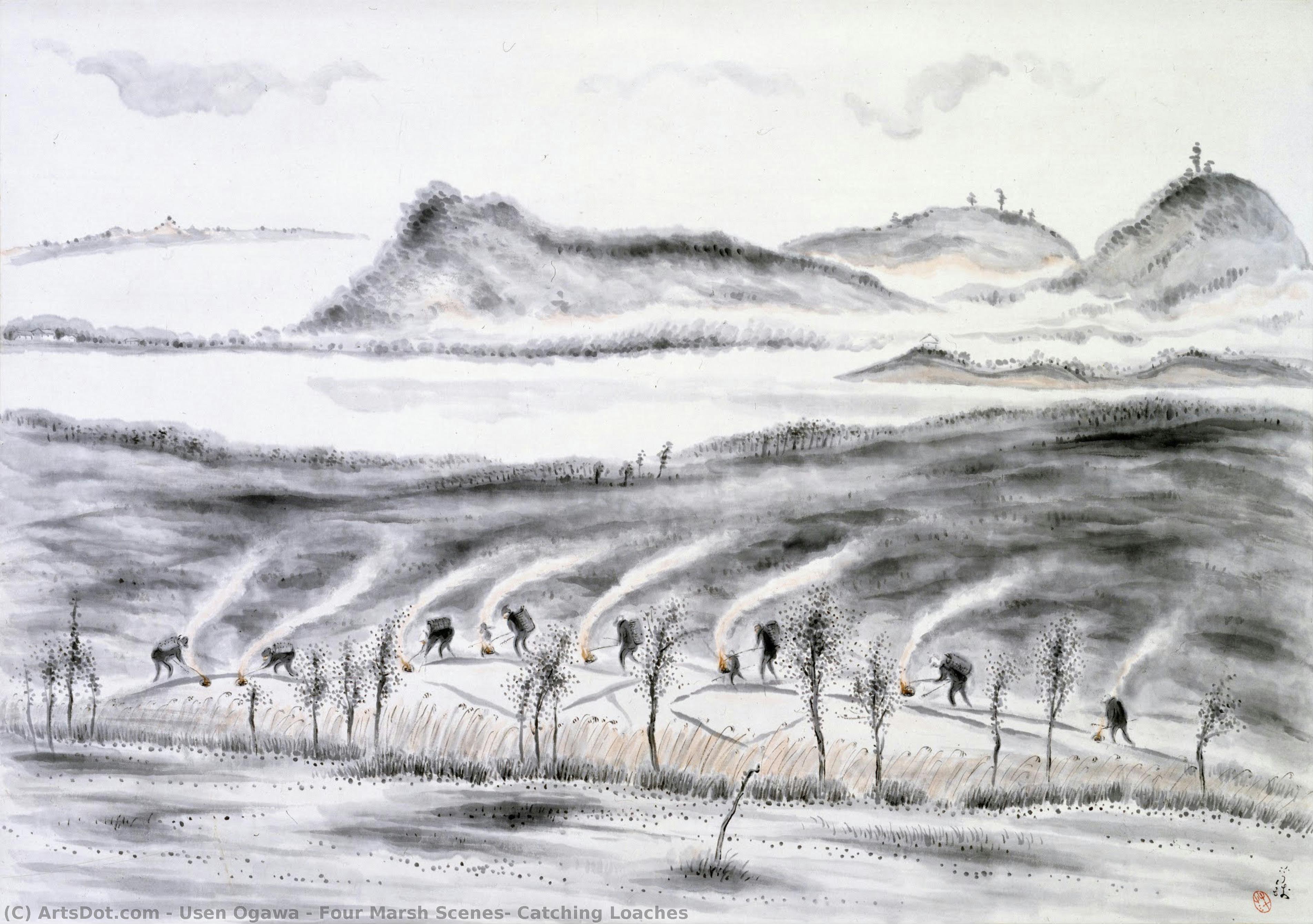
Four Marsh Scenes: Catching Loaches
 1922
1922 92.0 x 65.0 cm
 Museo Prefectural de Arte de Aichi
 Ver más
Giclée / Impresión de arte
Impresiones giclée o en lienzo de calidad de museo con producción rápida y opciones de acabado flexibles. ( Comprar pintura hecha a mano Comprar imagen)




































Elija entre nuestros tamaños predefinidos que respetan las proporciones originales de la obra.

Puede introducir sus propias dimensiones para adaptarse a un marco o espacio específico. Si el tamaño seleccionado no coincide con las proporciones de la imagen original, recortaremos la obra de arte o extenderemos la imagen con un borde con efecto espejo o de color sólido. Se enviará una maqueta digital para su aprobación antes de que comience la producción.
Tenga en cuenta que la vista previa en pantalla no refleja el recorte o la extensión real. Solo la maqueta mostrará con precisión la composición final.
Aunque existen tamaños personalizados, recomendamos seleccionar una dimensión de la lista predefinida para preservar las proporciones originales.
Envío a todo el mundo () en 2 semanas en lugar de las 4/5 semanas estándar. (30 agosto)

Envío exprés gratuito a todo el mundo

Lienzo de lino de alta calidad

Seguro de envío total

Garantía de reembolso de impuestos aduaneros

Garantía de fidelidad cromática exacta

Política de devolución de 60 días (solo por defectos)

Garantía de devolución del 100% del dinero

Descuento por cantidad
 La opción de vidrio solo está disponible en tamaños inferiores a 110 cm.

Four Marsh Scenes: Catching Loaches
Giclée / Impresión de arte
Dimensiones de la reproducción
-


Precio total final
$ 80
Biografía del artista
usen ogawa: A Pioneer of Shin-hanga Landscape Painting
usen ogawa (1868 – 1938) stands as a cornerstone figure in the revitalized landscape painting tradition known as shin-hanga, marking a pivotal moment in Japanese art history. Born in Edo amidst the burgeoning industrial era, Ogawa’s artistic journey was profoundly shaped by his exposure to Western Impressionism and Japonisme—the fascination with Japanese aesthetics that gripped European artists at the turn of the century—influences which he skillfully integrated into his distinctive style. Early Life & Influences: Ogawa’s formative years were spent studying Western art techniques, particularly Impressionism under Auguste Renoir and Claude Monet. This immersion in Impressionist principles instilled a deep appreciation for capturing fleeting moments of light and color, an element that would become central to his artistic vision. He diligently absorbed the lessons of these masters, recognizing their ability to convey emotion through observation—a skill he would later translate into his own captivating landscapes. The Shin-hanga Movement: Ogawa joined the Shin-hanga movement in 1908, spearheaded by artists like Hiroshi Yoshida and Tsuguro Yoshida. This collective aimed to revive traditional woodblock printing methods while embracing modern sensibilities, rejecting academic conventions and prioritizing direct observation of nature. Recognizing the limitations of Western painting styles, Ogawa embraced the Shin-hanga ethos—a deliberate return to craftsmanship and a celebration of Japanese natural beauty—solidifying his commitment to preserving artistic heritage. The movement’s rejection of formal rules encouraged experimentation and fostered a spirit of innovation that profoundly impacted the entire art landscape. Ogawa’s artistic vision centered on capturing the ephemeral beauty of Japanese landscapes—particularly marshes and ponds—with breathtaking precision and vibrant color palettes. He meticulously studied botanical specimens and employed innovative techniques to achieve remarkable textural detail, mirroring the meticulous craftsmanship of Edo-period prints. His compositions often conveyed a sense of tranquility and contemplation, reflecting Zen Buddhist principles prevalent in Japanese culture. The artist’s dedication to capturing fleeting moments of light and atmosphere cemented his reputation as one of Shin-hanga's foremost practitioners. He believed that art should serve as a conduit for experiencing the sublime—the awe-inspiring grandeur of the natural world—a conviction that permeated every brushstroke. Notable Works: “Four Marsh Scenes: Duck Coop” exemplifies Ogawa’s masterful use of color and texture, depicting a serene pond teeming with waterfowl. The artist skillfully blended hues to create an illusion of depth and movement, capturing the subtle interplay of light on water surfaces—a technique that would become synonymous with Shin-hanga aesthetics. “Four Marsh Scenes: Hibara” showcases his ability to convey subtle tonal variations and atmospheric perspective—a hallmark of Shin-hanga aesthetics. Through careful layering of ink and pigment, Ogawa achieved a remarkable sense of realism while simultaneously conveying an emotional resonance that transcends mere visual representation. "Four Marsh Scenes: Catching Loaches" demonstrates Ogawa’s meticulous attention to detail, capturing the movement of fish in water with remarkable realism. The artist's painstaking rendering of scales and ripples exemplifies his unwavering commitment to artistic excellence. Ogawa’s contribution extended beyond individual artworks; he actively mentored younger artists and championed the preservation of traditional printing techniques. His influence resonated throughout the Shin-hanga movement and inspired subsequent generations of Japanese painters. Usen Ogawa’s legacy endures as a testament to the harmonious fusion of Eastern and Western artistic traditions, securing his place as an enduring symbol of Japan's artistic heritage. He died in 1951 leaving behind a substantial body of work that continues to captivate audiences worldwide.
Usen Ogawa
1885 - 1951 , Japón
Datos clave
- Artistic Movement Or Style: Shin-hanga
- Date Of Birth: 1885
- Full Name: usen ogawa
- Nationality: Japonesa
- Notable Artworks:
- Four Marsh Scenes: Duck Coop
- Four Marsh Scenes: Hibara
- Place Of Birth: Tokyo, Japón

