 Ver en contexto
 Enviar
 Compartir
 Detalles
 Guía
Guía

 Descargar
 Similares
 Radiografía
 Presentación de diapositivas
 Estadísticas
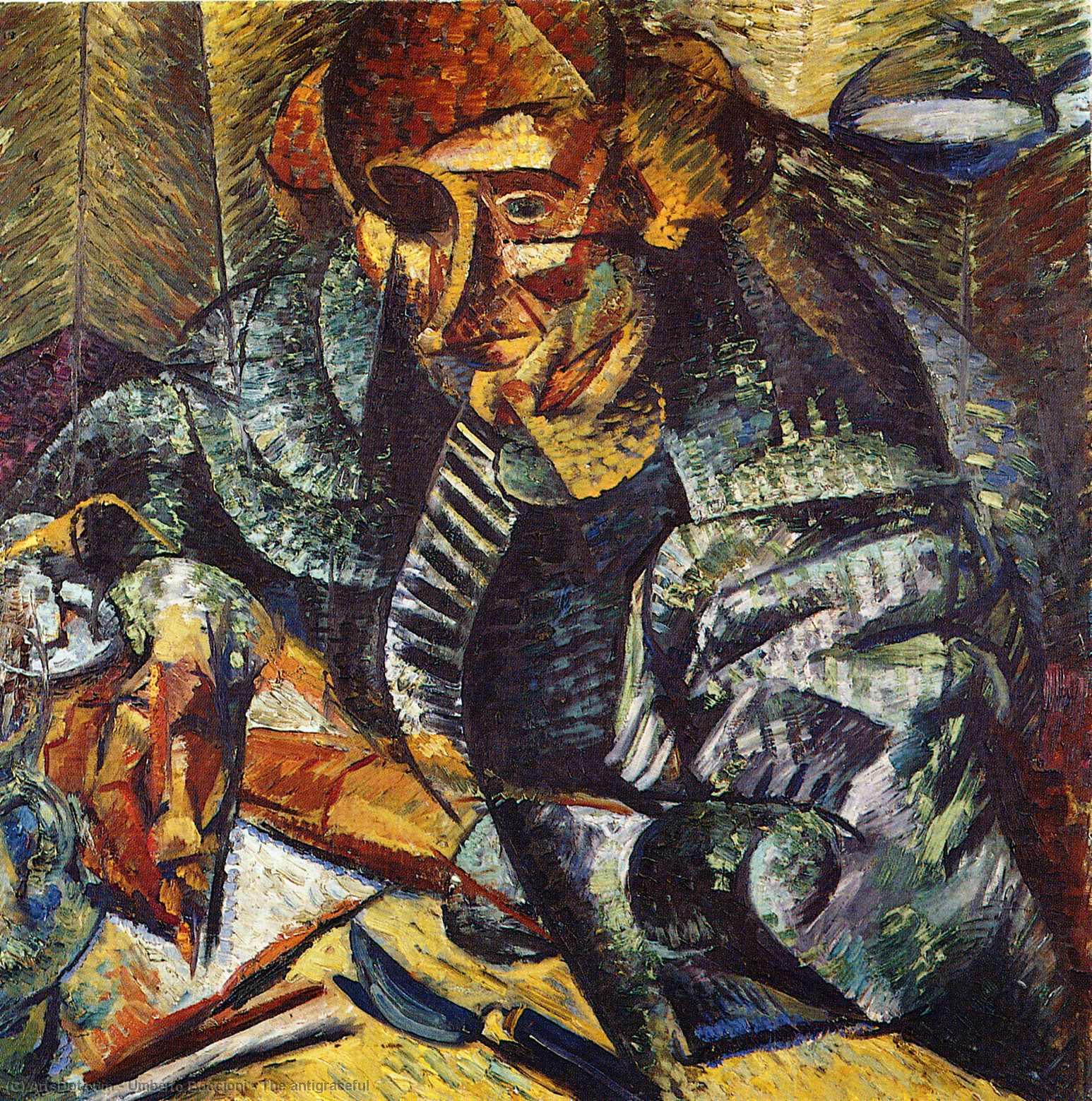
La antigraceful
 Acrílico sobre lienzo
- Arte de pared
- Cubismo
 1912
1912- Moderno
 80.0 x 80.0 cm
 Ver más
Giclée / Impresión de arte
Impresiones giclée o en lienzo de calidad de museo con producción rápida y opciones de acabado flexibles. ( Comprar pintura hecha a mano Cambiar a imagen digital)




P118B €10

P118H €10

P118W €10

P438Z €10

P508JH €12

P508YH €12

P805H €10

P805Z €10

P919BZ €10

P919G €10

P919XJ €10

P959ZH €10

P968JZ €12

W106C €8

W218G €10

W218JH €8

W218Y €10

W307PJ €10

W316G €10

W316PJ €8

W316Y €10

W398PJ €8

W4111J €10

W500HY €15

W500JH €15

W692G €12

W849H €8

W940BG €15

W953PJ €8




Elija entre nuestros tamaños predefinidos que respetan las proporciones originales de la obra.

Introduzca el ancho y el alto que necesite para adaptarse a su marco o pared. Una impresión solo puede recortarse, nunca hacerse más grande que la imagen original, por lo que un tamaño con una forma distinta perderá parte de la obra. Le enviaremos una maqueta digital para su aprobación antes de realizar cualquier impresión. La imagen que se muestra en esta página no refleja el recorte real; solo la maqueta lo hace.
Envío a todo el mundo () en 2 semanas en lugar de las 4/5 semanas estándar. (26 octubre)

Envío exprés gratuito a todo el mundo

Lienzo de lino de alta calidad

Seguro de envío total

Garantía de reembolso de aranceles aduaneros

Garantía de fidelidad cromática exacta

Política de devolución de 100 días (solo por defectos)

Garantía de devolución del 100% del dinero

Descuento por cantidad
 La opción de vidrio solo está disponible en tamaños inferiores a 110 cm.

La antigraceful
Giclée / Impresión de arte
Dimensiones de la reproducción
-


Precio total final
€ 70
A Rejection of Grace: Unveiling Boccioni’s ‘Antigraceful’
Umberto Boccioni's 1912 work, *The antigraceful*, is not merely a portrait; it’s a manifesto rendered in paint. A defiant gesture against the established artistic conventions of its time, this piece embodies the core tenets of Futurism – a movement obsessed with dynamism, technology, and the rejection of the past. Rather than seeking to capture conventional beauty, Boccioni aimed to dissect and reconstruct form, presenting a vision that was deliberately unsettling yet profoundly modern. The painting depicts his mother, Cecilia Forlani, but it’s not a sentimental tribute; instead, it's an intellectual exploration of how perception itself can be fragmented and reassembled.
The Birth of a New Aesthetic
To understand *The antigraceful*, one must consider the artistic climate of early 20th-century Italy. Boccioni, alongside artists like Giacomo Balla and Carlo Carrà, felt stifled by the academic traditions that dominated the art world. They sought to break free from these constraints, embracing a new aesthetic inspired by the speed and energy of modern life – the automobile, the factory, the bustling city streets. This fascination with motion is subtly present even in this seemingly static portrait; the fractured planes and angular forms suggest an underlying sense of restlessness, as if Cecilia Forlani herself is caught within a whirlwind of change. The influence of Paul Cézanne and, notably, Pablo Picasso’s early Cubist experiments are visible here, but Boccioni wasn't simply imitating these artists. He was adapting their techniques to express the unique spirit of Italian Futurism – a desire not just to depict reality, but to *dynamize* it.
Deconstructing Form and Emotion
The technique employed in *The antigraceful* is crucial to its impact. Boccioni abandons traditional modeling and shading, opting instead for a fractured composition built from intersecting planes of color. This deliberate distortion isn’t arbitrary; it's intended to convey the subject’s inner life – her thoughts, emotions, and experiences – as a complex interplay of forces. The painting doesn’t offer a single, fixed perspective; rather, it presents multiple viewpoints simultaneously, challenging the viewer to actively participate in constructing meaning. The muted palette, dominated by earthy tones with subtle accents of blue and yellow, further enhances the sense of introspection and psychological depth. It's a far cry from the idealized portraits of previous generations, offering instead a raw and honest portrayal of human experience. The title itself – *Antigraceful* – is a deliberate provocation, signaling Boccioni’s rejection of conventional notions of beauty and harmony.
A Lasting Legacy
Though his life was tragically cut short by war in 1916, Umberto Boccioni left an indelible mark on the history of art. *The antigraceful* remains a powerful testament to his artistic vision – a bold declaration of independence from tradition and a pioneering exploration of new ways of seeing and representing the world. Today, this work continues to resonate with audiences, inspiring artists and captivating collectors alike. A reproduction of *The antigraceful* isn’t just an acquisition; it’s an invitation to engage with a pivotal moment in art history – a moment when the very foundations of artistic expression were being challenged and redefined.
Artwork Information
- Title: The antigraceful
- Artist: Umberto Boccioni
- Year: 1912
- Size: 80 x 80 cm
- Medium: Gesso
Additional Research
- The antigraceful: A Futurist Portrait of Cecilia Forlani
- Futurism and Its Influence on Boccioni's Style
- Pablo Picasso’s Contribution to Cubist Innovation
- Exploring the Symbolism Behind *Antigraceful*
- Boccioni’s Legacy: Shaping Modern Art’s Future
Photo Description
The painting is a portrait of Cecilia Forlani, Umberto Boccioni's mother. It exemplifies Futurist principles through its fractured composition and angular forms—a deliberate rejection of classical beauty—reflecting the dynamism and fragmentation characteristic of early 20th-century artistic thought.
Preguntas y respuestas
¿Qué técnica se utilizó para "La antigraceful" de Umberto Boccioni?
"La antigraceful" está realizada en Acrílico sobre lienzo.
¿Qué edad tenía Umberto Boccioni cuando se creó "La antigraceful"?
Umberto Boccioni creó "La antigraceful" a la edad de 30. El artista nació en 1882 y la obra data de 1912.
¿Para qué uso se recomienda una impresión de "La antigraceful"?
Se recomienda una reproducción de "La antigraceful" de Umberto Boccioni para Acento cromático, basándose en el tema, la atmósfera y los colores de la obra.
Biografía del artista
vida temprana y formación
umberto boccioni, un pintor y escultor italiano fundamental, nació el 19 de octubre de 1882 en Reggio Calabria, Italia. El trabajo gubernamental de su padre llevó a frecuentes traslados por toda Italia, lo que influyó en la vida temprana de Boccioni. A los 15 años, se estableció en Catania, Sicilia, donde completó sus estudios. Más tarde se mudó a Roma para estudiar arte en la academía de bellas artes de Roma's escuela libre del nudo y bajo giovanni mataloni, un artista de carteles de estilo liberty.el movimiento futurista
El enfoque innovador de Boccioni en la forma y la desconstrucción de la masa tuvo un gran impacto en el mundo del arte. Se convirtió en el teórico principal del movimiento futurista, firmando el manifiesto de los pintores futuristas ("manifiesto de los pintores futuristas") en 1910. Sus obras se conservan en muchos museos de arte públicos, incluyendo una retrospectiva importante en el museo Metropolitano de Arte en la ciudad de Nueva York en 1988.obras notables y legado
- dinamismo de un cuerpo humano (futurismo, óleo sobre lienzo), una pintura que muestra el estilo único de Boccioni.
- formas dimensionales de un caballo (40 x 40 cm, futurismo, óleo sobre lienzo), otro ejemplo de su enfoque innovador en la forma.
- formas únicas de continuidad en el espacio (futurismo, bronce), una escultura que demuestra su desconstrucción de la masa sólida.
enlaces relevantes de OriginalUniqueArt.com
- pintura por 'umberto boccioni' | umberto boccioni:dinamismo de un cuerpo humano (futurismo, óleo sobre lienzo,)
- pintura por 'umberto boccioni' | umberto boccioni:formas dimensionales de un caballo (40 x 40 cm, futurismo, óleo sobre lienzo,)
- pintura por 'umberto boccioni' | umberto boccioni:Lanceros (futurismo, óleo sobre lienzo,)
wikipedia: umberto boccioni
umberto boccioni, un pintor y escultor italiano influyente. Ayudó a dar forma al estético revolucionario del movimiento futurista como una de sus figuras principales. nota: este artículo es una traducción del italiano, pero con fines analíticos, se ha traducido de nuevo al inglés. La pregunta original estaba en italiano.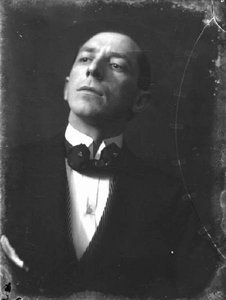
Umberto Boccioni
1882 - 1916 , Italia
Datos clave
- Artistas Que Influyeron:
- Giovanni Mataloni
- Giacomo Balla
- Fecha De Nacimiento: 19 de octubre de 1882
- Influenció A Artistas/Movimientos:
- Constructivismo
- Expresionismo abstracto
- Lugar De Nacimiento: Reggio Calabria, Italia
- Movimiento Artístico: Futurismo
- Nacionalidad: Italiana
- Nombre Completo: Umberto Boccioni
- Obras Notables:
- Dinamismo de un cuerpo humano
- Formas únicas de continuidad
- La ciudad se eleva
- Dimensiones de un caballo
Artículos relacionados

Las 10 Obras Maestras de Bronce que Revolucionaron la Historia del Arte | OriginalUniqueArt
Descubre las 10 esculturas de bronce más influyentes de la historia del arte. Explora obras maestras de Rodin, Degas y otros genios. Encuentra reproducciones de arte de calidad museo en OriginalUniqueArt.com.

Umberto Boccioni: Dynamism, Futurist Ideals & the Evolution of Modern Sculpture
Explore the revolutionary art of Umberto Boccioni, a leading figure of Futurism. Discover his iconic sculptures & paintings, and delve into the movement's impact on modern art history with OriginalUniqueArt.

The Enduring Form: Exploring Themes & Techniques in Sculpture Across Historical Periods
Explore the rich history of sculpture from ancient masterpieces to contemporary innovations. Discover key techniques, influential artists & investment potential for discerning art collectors.

Esculturas de Bronce Legendarias: 10 Obras Maestras que Transformaron el Arte | OriginalUniqueArt
Descubre las 10 esculturas de bronce más legendarias que revolucionaron el arte. Explora la historia de Rodin, Degas y otros maestros del bronce. Encuentra reproducciones de alta calidad e inspiración para tu hogar en OriginalUniqueArt.com.

The Enduring Form: Sculpture Across History, Technique & Emotional Resonance
Explore the rich history of sculpture with OriginalUniqueArt. Discover key techniques, influential artists & investment potential for discerning collectors. Expert insights into valuing and collecting timeless masterpieces.