

 Ver en contexto
 Enviar
 Compartir
 Detalles
 Guía
Guía

 Descargar
 Similares
 Radiografía
 Presentación de diapositivas
 Q&A
Q&A Estadísticas
Comic Picture


 Ver más
Giclée / Impresión de arte
Impresiones giclée o en lienzo de calidad de museo con producción rápida y opciones de acabado flexibles. ( Comprar pintura hecha a mano Cambiar a imagen digital)




P118B €10

P118H €10

P118W €10

P438Z €10

P508JH €12

P508YH €12

P805H €10

P805Z €10

P919BZ €10

P919G €10

P919XJ €10

P959ZH €10

P968JZ €12

W106C €8

W218G €10

W218JH €8

W218Y €10

W307PJ €10

W316G €10

W316PJ €8

W316Y €10

W398PJ €8

W4111J €10

W500HY €15

W500JH €15

W692G €12

W849H €8

W940BG €15

W953PJ €8




Elija entre nuestros tamaños predefinidos que respetan las proporciones originales de la obra.

Introduzca el ancho y el alto que necesite para adaptarse a su marco o pared. Una impresión solo puede recortarse, nunca hacerse más grande que la imagen original, por lo que un tamaño con una forma distinta perderá parte de la obra. Le enviaremos una maqueta digital para su aprobación antes de realizar cualquier impresión. La imagen que se muestra en esta página no refleja el recorte real; solo la maqueta lo hace.
Envío a todo el mundo () en 2 semanas en lugar de las 4/5 semanas estándar. (29 octubre)

Envío exprés gratuito a todo el mundo

Lienzo de lino de alta calidad

Seguro de envío total

Garantía de reembolso de aranceles aduaneros

Garantía de fidelidad cromática exacta

Política de devolución de 100 días (solo por defectos)

Garantía de devolución del 100% del dinero

Descuento por cantidad
 La opción de vidrio solo está disponible en tamaños inferiores a 110 cm.

Comic Picture
Giclée / Impresión de arte
Dimensiones de la reproducción
-


Precio total final
€ 71
A Chronicle of Japanese Life: Tsukioka Yoshitoshi’s “Comic Picture”
Tsukioka Yoshitoshi's "Comic Picture" is not simply a collection of images; it’s a poignant and unsettling window into the final decades of Edo-period Japan, a nation grappling with profound change. This remarkable collage, assembled from multiple scenes attributed to the artist, offers a raw and unflinching portrayal of everyday life – often tinged with melancholy and a sense of impending doom. Yoshitoshi, born Owariya Yonejiro in 1839, was a pivotal figure in *ukiyo-e* art, pushing beyond the traditional depictions of beautiful women and heroic warriors to explore themes of mortality, social unrest, and the anxieties of a society on the brink.
- Subject Matter: The artwork presents a series of vignettes depicting scenes of human interaction – moments of conflict, humor, and quiet contemplation. These aren't idealized representations; instead, Yoshitoshi captures the rough edges of life with brutal honesty.
- Humorous Yet Haunting: While some scenes possess a distinctly humorous quality, particularly those involving playful disputes or comical gestures, an underlying current of sadness permeates the entire collection. This juxtaposition creates a powerful emotional resonance.
- Diverse Scenes: The collage encompasses at least thirteen distinct scenes, each meticulously rendered in Yoshitoshi’s signature style. These range from dramatic confrontations to intimate moments of social gathering, offering a multifaceted view of Japanese society.
The Master of Melancholy: Yoshitoshi's Artistic Vision
Yoshitoshi’s artistic genius lay in his ability to infuse *ukiyo-e* with a deeply psychological and emotional depth rarely seen before or after him. Trained under the esteemed Kuniyoshi, he inherited a mastery of woodblock printing techniques but quickly developed a unique style characterized by dramatic lighting, expressive faces, and a profound sense of atmosphere. His work reflects the turbulent era in which he lived – the decline of the shogunate, the rise of Western influence, and the growing social tensions that ultimately led to the Meiji Restoration. He frequently depicted scenes of samurai facing their demise, reflecting his own anxieties about the changing world.
- Technique: Executed in the traditional *ukiyo-e* style, the artwork utilizes meticulous carving and printing techniques, resulting in rich colors and sharp details. The artist’s masterful use of perspective and composition draws the viewer into each scene, heightening its emotional impact.
- Color Palette: Yoshitoshi favored a somber palette dominated by blues, browns, and grays, further emphasizing the melancholic mood of his work. Strategic use of vibrant accents – particularly in clothing or objects – serves to draw attention to key elements within each scene.
Symbolism and Historical Context
Each image within “Comic Picture” is laden with symbolic meaning, reflecting the anxieties and uncertainties of late Edo Japan. The depictions of violence, for example, are not merely scenes of conflict but metaphors for the broader social unrest that was sweeping across the nation. The presence of Western elements – clothing, objects, or even architectural details – subtly underscores the growing influence of foreign powers and the perceived threat to traditional Japanese culture. Yoshitoshi’s work can be seen as a visual lament for a vanishing world, a poignant reminder of the impermanence of life and the inevitability of change.
- Social Commentary: The scenes offer subtle critiques of social hierarchies, class divisions, and the moral decay that Yoshitoshi perceived within Japanese society.
- Precursor to Modern Art: Yoshitoshi’s willingness to confront difficult themes and his innovative use of light and shadow foreshadowed many developments in later modern art movements.
A Timeless Masterpiece – Perfect for Display
"Comic Picture" by Tsukioka Yoshitoshi is more than just a beautiful artwork; it’s a powerful historical document and a testament to the enduring power of artistic expression. A hand-painted reproduction offers an unparalleled opportunity to bring this iconic piece into your home or office, adding a touch of sophistication and intrigue to any space. Its evocative imagery and profound emotional depth will undoubtedly spark conversation and inspire contemplation for years to come.
Preguntas y respuestas
¿Es "Comic Picture" de Tsukioka Yoshitoshi una pintura, un dibujo o un grabado?
En el catálogo, "Comic Picture" de Tsukioka Yoshitoshi está clasificado como WallArt. Esta categoría permite localizar obras similares.
¿Puedo ver "Comic Picture" de Tsukioka Yoshitoshi en mi propia pared antes de comprarlo?
La página de Vista previa en RA de "Comic Picture" de Tsukioka Yoshitoshi utiliza realidad aumentada para mostrar la obra en su propio espacio, mediante un dispositivo compatible.
¿Qué sentimiento transmite "Comic Picture" de Tsukioka Yoshitoshi dentro de Ukiyo-e?
Dentro del movimiento Ukiyo-e, "Comic Picture" se presenta con un tono Nostalgic.
Biografía del artista
Tsukioka Yoshitoshi: Una Vida en Grabados de Madera
Primeros Años y Formación
- Nacido: 30 de abril de 1839, en el distrito de Shimbashi del antiguo Edo (Tokio), Japón como Owariya Yonejiro.
- Mostró un interés temprano por el arte y comenzó clases con su tío a los cinco años.
- Aprendizaje: En 1850, a los once años, fue aprendiz de Utagawa Kuniyoshi, un maestro de la impresión japonesa en madera. Recibió el nombre artístico “Yoshitoshi” a través de esta aprendizaje.
- Su padre era un rico comerciante que había alcanzado el estatus de samurái.
Carrera Artística y Desarrollo
- Primeras Obras: La primera impresión de Yoshitoshi fue en 1853, pero su producción se mantuvo limitada hasta después de la muerte de Kuniyoshi en 1861.
- “Impresiones Sanguinolentas”: Ganó reconocimiento por grabados que representaban violencia y muerte gráfica, reflejando los tiempos turbulentos de la transición de Japón. Estos estaban inspirados por la pérdida personal y el descontento social.
- Series y Temas: Publicó obras en series como Tsūzoku saiyūki (“Un Viaje Moderno al Oeste”) y Wakan hyaku monogatari (“Cien Historias de China y Japón”). Su obra a menudo presentaba escenas históricas, actores de Kabuki y temas míticos.
- Innovación: Yoshitoshi fusionó la estética japonesa tradicional con influencias occidentales en la composición y la perspectiva.
Obras Notables
- Tokugawa Iemitsu recibe a los señores en audiencia: Un llamativo grabado en madera que se conserva en el Museo de Arte del Condado de Los Ángeles.
- Guerrero (General Yamanaka Shikanasake): Demuestra su habilidad para representar la acción dinámica y el personaje.
- Serie Musha-e: Su serie de grabados guerreros, conocida como Musha Burui, es particularmente celebrada por su intensidad dramática.
Influencias y Legado
- Influenciado Por: Principalmente Utagawa Kuniyoshi, del cual aprendió dibujo y composición. También influenciado por las técnicas artísticas occidentales introducidas a través de la colección de Kuniyoshi.
- Influencia En: Si bien su influencia directa es debatida, el estilo innovador de Yoshitoshi allanó el camino para futuras generaciones de artistas japoneses.
- Significado Histórico: Se considera el último gran maestro del Ukiyo-e, preservando y elevando la forma de arte durante un período de rápida modernización en Japón. Su obra captura un momento crucial en la historia japonesa.
- Una Lucha Contra el Tiempo: Yoshitoshi trabajó incansablemente para mantener las técnicas tradicionales de impresión en madera a medida que Japón adoptaba métodos occidentales como la fotografía y la litografía.
Últimos Años y Muerte
- Yoshitoshi continuó produciendo arte hasta su muerte el 9 de junio de 1892.
- Reputación Duradera: Su coraje y visión artística garantizaron la supervivencia del Ukiyo-e para otra generación. Hoy en día, se reconoce como uno de los mayores artistas de Japón.
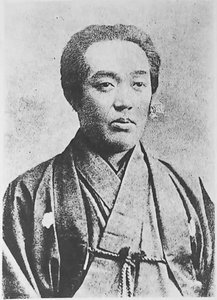
Tsukioka Yoshitoshi
1839 - 1892 , Japón
Datos clave
- Artistas Que Influyeron: ['Utagawa Kuniyoshi']
- Fecha De Muerte: 9 de junio de 1892
- Fecha De Nacimiento: 30 de abril de 1839
- Influencia En Artistas: ['Futuras generaciones de artistas']
- Lugar De Nacimiento: Tokio, Japón
- Movimiento Artístico: Ukiyo-e
- Nacionalidad: Japonés
- Nombre Completo: Tsukioka Yoshitoshi
- Obras Notables:
- Tokugawa Iemitsu recibiendo señores
- Guerrero (General Yamanaka Shikanasake)
- Serie Musha Burui
Artículos relacionados

Katsushika Hokusai: Las 25 Obras Maestras del Ukiyo-e que Transformaron el Arte Japonés | OriginalUniqueArt
Descubre las 25 obras maestras de Katsushika Hokusai, el genio del ukiyo-e. Explora 'La Gran Ola', paisajes japoneses y su impacto en el arte moderno. Reproducciones de alta calidad para tu hogar en OriginalUniqueArt.com.
Masterpieces of Japan: A Definitive Guide to Ukiyo-e and the Art of the Floating World
Explore the profound beauty of Japanese Ukiyo-e. From Hokusai's iconic waves to the elegance of the Edo period, discover the history and masters behind the 'Floating World' in this expert art-history guide for collectors and enthusiasts.
Ukiyo-e: Un Viaje al Corazón del Mundo Flotante Japonés y su Legado Artístico
Descubre el fascinante mundo del Ukiyo-e, el arte japonés del Período Edo. Explora las técnicas de grabado, los maestros Hokusai y Hiroshige, y su legado perdurable. ¡Un viaje cultural inolvidable!

Floating Worlds: A Definitive Guide to the Mastery and Philosophy of Japanese Ukiyo-e Woodblock Prints
Explore the profound beauty of Ukiyo-e. Discover the history, philosophy, and legendary masters of Japanese woodblock prints, from Hokusai to Kuniyoshi, in this expert guide to the 'Floating World'.
Tsukioka Yoshitoshi: A Master of Ukiyo-e's Final Flourish – Narrative, Innovation, and the Meiji Transition
Explore the life & art of Tsukioka Yoshitoshi, the last great master of ukiyo-e woodblock printing. Discover his dramatic warrior prints, innovative series like 'One Hundred Aspects of the Moon,' and legacy reflecting Japan's Meiji transition.


