Ver en contexto
 Enviar
 Compartir
 Detalles
 Guía
Guía

 Descargar
 Similares
 Radiografía
 Presentación de diapositivas
 Q&A
Q&A Estadísticas
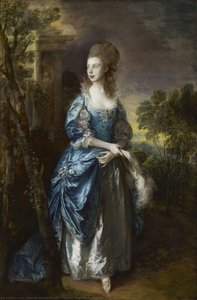
John Pigott (1741–1816)

- 75.0 x 62.0 cm


 Ver más
Giclée / Impresión de arte
Impresiones giclée o en lienzo de calidad de museo con producción rápida y opciones de acabado flexibles. ( Comprar pintura hecha a mano Cambiar a imagen digital)




P118B €10

P118H €10

P118W €10

P438Z €10

P508JH €12

P508YH €12

P805H €10

P805Z €10

P919BZ €10

P919G €10

P919XJ €10

P959ZH €10

P968JZ €12

W106C €8

W218G €10

W218JH €8

W218Y €10

W307PJ €10

W316G €10

W316PJ €8

W316Y €10

W398PJ €8

W4111J €10

W500HY €15

W500JH €15

W692G €12

W849H €8

W940BG €15

W953PJ €8




Elija entre nuestros tamaños predefinidos que respetan las proporciones originales de la obra.

Introduzca el ancho y el alto que necesite para adaptarse a su marco o pared. Una impresión solo puede recortarse, nunca hacerse más grande que la imagen original, por lo que un tamaño con una forma distinta perderá parte de la obra. Le enviaremos una maqueta digital para su aprobación antes de realizar cualquier impresión. La imagen que se muestra en esta página no refleja el recorte real; solo la maqueta lo hace.
Envío a todo el mundo () en 2 semanas en lugar de las 4/5 semanas estándar. (1 noviembre)

Envío exprés gratuito a todo el mundo

Lienzo de lino de alta calidad

Seguro de envío total

Garantía de reembolso de aranceles aduaneros

Garantía de fidelidad cromática exacta

Política de devolución de 100 días (solo por defectos)

Garantía de devolución del 100% del dinero

Descuento por cantidad
 La opción de vidrio solo está disponible en tamaños inferiores a 110 cm.

John Pigott (1741–1816)
Giclée / Impresión de arte
Dimensiones de la reproducción
-


Precio total final
€ 71
Thomas Gainsborough: The Soul of Landscape
Thomas Gainsborough (1727–1788) stands as a monumental figure in British art history, not merely for his prolific output but for fundamentally reshaping perceptions of landscape painting. Born into a modest Suffolk family – his father a weaver and wool merchant – Gainsborough’s early life instilled within him an appreciation for observation and detail that would become the cornerstone of his artistic vision.
- Early Influences: Gainsborough's formative years were marked by exposure to Flemish landscape painting, particularly Rembrandt’s masterful use of chiaroscuro. This influence subtly permeated his subsequent works, establishing a precedent for dramatic lighting and tonal gradation that would define his signature style.
- Sudbury’s Embrace: Returning to Sudbury after his father's death in 1748, Gainsborough found solace and inspiration in the Suffolk countryside – specifically Constable’s Waterhouse Meadow (c. 1760–1761). This idyllic scene became a catalyst for his artistic exploration, prompting him to capture the essence of rural life with unprecedented sensitivity.
- The Painter's Palette: Gainsborough’s technique was characterized by rapid brushwork and a luminous palette—primarily muted greens, blues, and yellows—designed to convey atmosphere and emotion rather than photographic accuracy. He employed glazing techniques to build up layers of color, achieving remarkable depth and luminosity that continue to captivate viewers today.
The Portraiture Tradition: Refining Skill and Observation
Despite his fervent desire to dedicate himself solely to landscape painting, Gainsborough’s reputation was cemented by his unparalleled success as a portrait painter. He possessed an uncanny ability to penetrate the psychological complexities of his subjects—capturing not just their likeness but also their inner character—a skill honed through meticulous study and relentless practice.
- Royal Patronage: Gainsborough’s artistic career flourished under the patronage of influential figures, including King George III and Sir Joshua Reynolds. These commissions demanded technical virtuosity and stylistic innovation, pushing Gainsborough to constantly refine his craft and explore new expressive possibilities.
- Psychological Depth: Gainsborough's portraits are distinguished by their subtle psychological nuances—expressions of melancholy, contemplation, or quiet dignity—reflecting a profound understanding of human emotion. He skillfully employed pose, gesture, and facial expression to convey mood and personality with remarkable precision.
Constable’s Legacy: A Shared Vision
Thomas Gainsborough's influence extended far beyond his own lifetime, profoundly shaping the artistic landscape of Britain in the decades following his death. Notably, he collaborated closely with John Constable on several projects—most notably The Hay Wain (1795), which solidified their shared commitment to portraying the beauty and tranquility of rural England.
- Constable’s Inspiration: Gainsborough's landscapes served as a crucial impetus for Constable’s artistic development, encouraging him to prioritize atmospheric perspective and tonal gradation—techniques that would elevate landscape painting to new heights of expressive power.
- A Dialogue of Style: The stylistic similarities between Gainsborough and Constable—characterized by luminous color palettes and loose brushwork—demonstrate the enduring impact of Gainsborough’s artistic vision on subsequent generations of painters.
Symbolism in Rural Scenes
Beyond mere visual representation, Gainsborough's landscapes imbued their canvases with symbolic resonance—reflecting broader cultural anxieties about social change and the decline of traditional rural values. Recurring motifs—such as shepherds, cattle, and meandering rivers—served as shorthand for concepts of pastoral innocence and spiritual contemplation.
Emotional Resonance: Capturing the Sublime
Ultimately, Gainsborough’s art transcends stylistic conventions to evoke a profound emotional response in viewers—a sense of awe and wonder at the majesty of nature combined with an awareness of human vulnerability. His paintings continue to inspire admiration for their beauty, subtlety, and enduring capacity to convey the sublime.
Preguntas y respuestas
¿Qué emoción transmite "John Pigott (1741–1816)" de Thomas Gainsborough?
"John Pigott (1741–1816)" se asocia con un sentimiento Romántico. El tono emocional describe la impresión que transmite la obra.
¿Cómo se integra "John Pigott (1741–1816)" en los temas y el estilo de Thomas Gainsborough?
Dentro de la producción de Thomas Gainsborough, "John Pigott (1741–1816)" se enmarca en el estilo Romantic Landscape Painting, junto a los temas de gainsborough’s pastoral vision, romantic idealism & beauty, nature’s tranquility reflection, landscape style legacy, british artistic tradition.
¿Dónde puedo ver la obra original "John Pigott (1741–1816)" de Thomas Gainsborough?
"John Pigott (1741–1816)" de Thomas Gainsborough se encuentra en exhibición en North Somerset Council, Weston, Massachusetts, Estados Unidos de América. La información del museo se refiere a la obra original, no a reproducciones.
Biografía del artista
Vida Temprana y Formación
Thomas Gainsborough, una figura destacada del arte británico del siglo XVIII, nació el 14 de mayo de 1727 en Sudbury, Suffolk. Como el hijo menor de John Gainsborough, un tejedor y fabricante de artículos de lana, la vida temprana de Thomas estuvo marcada por una pasión innata por el dibujo y la pintura. Ya a los diez años, había demostrado su destreza artística con autorretratos en miniatura y pequeños paisajes.
Carrera Artística: Retratos y Paisajes
La formación formal de Thomas en arte comenzó en 1740 bajo la tutela de Hubert Gravelot en Londres. Sin embargo, fue su asociación con William Hogarth lo que influyó significativamente en su estilo. El trabajo de Gainsborough se caracteriza por su paleta clara y sus pinceladas despreocupadas, lo que lo distinguía de sus contemporáneos.
- Retrato de una dama en azul (ver en OriginalUniqueArt) muestra la maestría de Gainsborough en el retrato, con la expresión serena y los delicados rasgos del sujeto renderizados con un detalle notable.
- Johann Christian Bach (ver en OriginalUniqueArt) demuestra su habilidad para capturar la esencia de sus sujetos, como se ve en esta pieza al óleo sobre lienzo.
- Autorretrato (ver en OriginalUniqueArt) (Galería Roy Miles, Londres, Reino Unido), un testimonio de sus habilidades para el autorretrato.
- Mary, Condesa de Howe (ver en OriginalUniqueArt) (244 x 152 cm, óleo sobre lienzo), un ejemplo de su trabajo de retrato con una figura prominente.
Influencias y Desarrollo Artístico
Gainsborough se vio influenciado por varios artistas, incluyendo a Hubert Gravelot y William Hogarth. Sin embargo, desarrolló un estilo distintivo que combinaba elementos del arte británico e italiano. Su interés en el paisaje fue crucial para su desarrollo artístico, alejándose de la tradición puramente de retrato que dominaba la época.
Su rivalidad con Sir Joshua Reynolds, otro importante retratista británico, impulsó a Gainsborough a buscar la excelencia tanto en el retrato como en la pintura de paisajes. Esta competencia amistosa contribuyó al florecimiento del arte británico durante el siglo XVIII.
Legado e Importancia Histórica
El impacto de Thomas Gainsborough en el arte británico es innegable. Como miembro fundador de la Royal Academy, jugó un papel fundamental en la configuración de la institución. Su habilidad para capturar la personalidad y el carácter de sus retratados, combinada con su maestría en la pintura de paisajes, lo convirtió en uno de los artistas más importantes de su tiempo.
- Miembro Fundador de la Royal Academy: Su participación en la fundación de esta prestigiosa institución ayudó a establecer un estándar para el arte británico.
- Innovación en el Retrato: Gainsborough introdujo una nueva naturalidad y espontaneidad en sus retratos, alejándose de las poses rígidas y formales que eran comunes en la época.
- Pintor de Paisajes Pionero: Su enfoque en los paisajes, con su representación de la luz y el ambiente, sentó las bases para futuros artistas como John Constable.
Artistas Influenciados
El legado artístico de Gainsborough continúa inspirando a artistas hasta el día de hoy.
- Imitador de Thomas Gainsborough RA, 1727–1788, británico - un copista o seguidor de las obras del famoso artista británico Thomas Gainsborough.
- William Heath Wilson - conocido por sus exquisitos retratos e bodegones, un maestro de la técnica del óleo sobre lienzo.
El legado de Thomas Gainsborough perdura, consolidando su lugar en los anales de la historia del arte británico.

Thomas Gainsborough
1727 - 1788 , Reino Unido
Datos clave
- Artistas Influenciados: ['William Heath Wilson']
- Artistas Que Influyeron:
- Hubert Gravelot
- William Hogarth
- Estilo Artístico: Rococó, retrato y paisaje
- Fecha De Nacimiento: 14 de mayo de 1727
- Lugar De Nacimiento: Sudbury, Reino Unido
- Nacionalidad: Británico
- Nombre Completo: Thomas Gainsborough
- Obras Notables:
- Retrato de una dama en azul
- Johann Christian Bach
- Autorretrato con su esposa
- Mary, condesa de Howe
- Gainsborough Dupont
Artículos relacionados

Las 25 obras maestras de Sir Anthony van Dyck: El rey del retrato barroco
Explora 25 obras maestras de Sir Anthony van Dyck y el esplendor barroco. ¡Descubre toda la colección en OriginalUniqueArt.com!
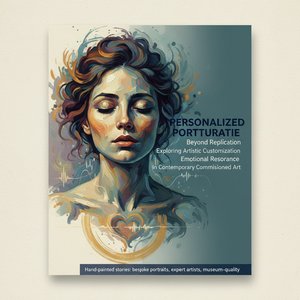
Personalización del Retrato Contemporáneo: Imaginación Creativa y Resonancia Emocional en la Comisión Artística
Descubre el arte de los retratos contemporáneos personalizados. Comisiona una obra única a artistas expertos y transforma tus recuerdos en un legado visual. Calidad museo, asesoramiento gratuito.
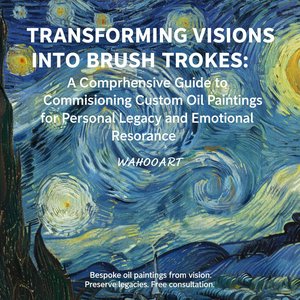
De la Memoria al Lienzo: Guía Integral para Encargar su Primer Retrato Personalizado y Crear una Obra Maestra Duradera
Encarga un retrato personalizado al óleo único y atemporal. Artistas expertos capturan la esencia de tus seres queridos. ¡Crea una obra maestra duradera! Guía completa y precios transparentes.

Elegancia eterna: Las 25 mejores obras maestras de Thomas Gainsborough
Explora las 25 obras maestras de Thomas Gainsborough y su luz rococó. ¡Descubre toda la colección en OriginalUniqueArt.com!
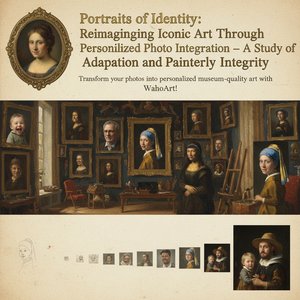
Retratos de Identidad: Reinterpretando el Arte Icónico a Través de la Integración Personalizada de Fotografías – Un Estudio de Adaptación Artística e Integridad Pictórica
Transforma tus fotos en obras de arte únicas con OriginalUniqueArt. Retratos personalizados al óleo y digitales por artistas expertos. ¡Regalos originales y duraderos! Calidad garantizada.