

 Vista previa
 Compartir
 Compartir
 Ver detalles
 Guía
Guía

 Descargar
 Ver artículos similares
 Radiografía
 Presentación de diapositivas
 Estadísticas
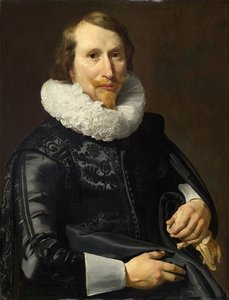
Portrait of a Man with a Shell
 Oil On Canvas
- WallArt
- Baroque
 1625
1625 24.0 x 18.0 cm
 Museo Metropolitano de Arte
 Leer más
Giclée / Impresión de arte
Impresiones giclée o en lienzo de calidad de museo con producción rápida y opciones de acabado flexibles. ( Encargar reproducción pintada a mano Ver versión en imagen digital)




P118B $10

P118H $10

P118W $10

P438Z $10

P508JH $12

P508YH $12

P805H $10

P805Z $10

P919BZ $10

P919G $10

P919XJ $10

P959ZH $10

P968JZ $12

W106C $8

W218G $10

W218JH $8

W218Y $10

W307PJ $10

W316G $10

W316PJ $8

W316Y $10

W398PJ $8

W4111J $10

W500HY $15

W500JH $15

W692G $12

W849H $8

W940BG $15

W953PJ $8




Elija entre nuestros tamaños predefinidos que respetan las proporciones originales de la obra.

Puede introducir sus propias dimensiones para adaptarse a un marco o espacio específico. Si el tamaño seleccionado no coincide con las proporciones de la imagen original, recortaremos la obra de arte o extenderemos la imagen con un borde con efecto espejo o de color sólido. Se enviará una maqueta digital para su aprobación antes de que comience la producción.
Tenga en cuenta que la vista previa en pantalla no refleja el recorte o la extensión real. Solo la maqueta mostrará con precisión la composición final.
Aunque existen tamaños personalizados, recomendamos seleccionar una dimensión de la lista predefinida para preservar las proporciones originales.
Envío a todo el mundo () en 2 semanas en lugar de las 4/5 semanas estándar. (25 septiembre)

Envío exprés gratuito a todo el mundo

Lienzo de lino de alta calidad

Seguro de envío completo

Garantía de reembolso de impuestos aduaneros

Garantía de fidelidad cromática exacta

Política de devolución de 100 días (solo por defectos)

Garantía de devolución del 100% del dinero

Oferta por volumen
 La opción de vidrio solo está disponible en tamaños inferiores a 110 cm.

Portrait of a Man with a Shell
Giclée / Impresión de arte
Tamaño de la reproducción
-


Precio total
$ 80
A Portrait of Quiet Dignity: Thomas de Keyser’s “Portrait of a Man with a Shell”
Within the bustling world of 17th-century Amsterdam, where commerce and artistic innovation thrived, Thomas de Keyser emerged as a master portraitist, capturing not just likenesses but also the very essence of his subjects. His painting, "Portrait of a Man with a Shell," offers a glimpse into this era—a study in restrained elegance, subtle symbolism, and masterful technique. More than simply a depiction of an individual, it’s a carefully constructed tableau that speaks to wealth, contemplation, and perhaps even the transient nature of earthly possessions.
The painting immediately draws the eye with its somber palette—a dominance of deep blacks, grays, and muted beiges. This isn't the vibrant, theatrical lighting favored by Rembrandt; instead, De Keyser employs a dramatic chiaroscuro, bathing the man’s face in light while plunging the background into shadow. This technique lends an air of seriousness and gravitas to the subject, emphasizing his presence within the composition. The dark tones are skillfully balanced by subtle highlights on the white collar and the shell itself, creating a visual rhythm that guides the viewer's gaze.
- Composition: The man is positioned slightly off-center, a common device in portraiture of the time, which creates a sense of dynamism and invites the viewer to engage with the image. His direct gaze meets ours head-on, fostering an immediate connection.
- Form & Texture: De Keyser’s meticulous attention to detail is evident in every brushstroke. The smooth texture of the man's skin contrasts beautifully with the crispness of his coat and the subtle sheen of the shell. He masterfully renders fabrics—the heavy folds of the black coat, the delicate lace of the collar—creating a tactile experience for the viewer.
- Line & Shape: Strong vertical lines define the man’s attire and hat, contributing to a sense of formality and structure. The oval shape of his face is softened by the curves of his beard and mustache, creating an approachable yet dignified presence.
A Man of His Time and Circumstance
The subject himself—a man of apparent social standing—is dressed in the formal attire of the period: a black coat with a prominent white collar, suggesting wealth and status. The inclusion of a wide-brimmed hat further reinforces this impression. However, it’s not merely outward appearance that defines him; his expression is one of quiet contemplation, hinting at an inner life beyond mere material possessions.
The painting's historical context is crucial to understanding its deeper meaning. The 17th century was a time of immense prosperity in the Netherlands, fueled by trade and exploration. Shells—particularly exotic varieties brought back from distant lands—became symbols of wealth and status, often used as currency or displayed as prized possessions. The man’s holding of a shell is therefore not simply an incidental detail; it's a deliberate statement about his worldly connections and appreciation for the rarities of nature.
Symbolism Beyond the Surface
Beyond its immediate depiction, “Portrait of a Man with a Shell” is rich in symbolic meaning. The shell itself—a recurring motif in art history—can be interpreted as representing pilgrimage (the scallop shell being famously associated with Saint James), Venus, born from sea foam, or even the fleeting nature of earthly treasures. The balance held by his wife subtly reinforces this theme, suggesting a careful consideration of values and priorities.
Furthermore, the painting’s somber mood and dramatic lighting evoke a sense of vanitas—a reminder of mortality and the transience of life. The man's serious expression and the dark background contribute to this feeling, prompting reflection on the brevity of human existence and the importance of inner values.
A Legacy of Skill and Influence
Thomas de Keyser was a pivotal figure in the Dutch Golden Age, often considered a shadow of Rembrandt’s brilliance. While Rembrandt's style is characterized by bold brushstrokes and dramatic lighting, De Keyser favored a more restrained approach, emphasizing realism and meticulous detail. His portraits are renowned for their psychological depth and ability to capture the essence of his subjects. “Portrait of a Man with a Shell” stands as a testament to his exceptional skill and enduring legacy—a captivating work that continues to resonate with viewers centuries after its creation.
Biografía del artista
El legado de Thomas de Keyser: Un maestro de la Edad de Oro holandesa
En el corazón vibrante y bullicioso de la Ámsterdam del siglo XVII, un período definido por una prosperidad sin precedentes y un florecimiento cultural, Thomas de Keyser emergió como una fuerza formidable en el reino del retrato. Nacido en 1596 en un entorno impregnado de grandeza arquitectónica, De Keyser era hijo del legendario Hendrick de Keyser, el arquitecto cuya mano moldeó el propio horizonte de Ámsterdam. Este linaje de maestría proporcionó más que un simple nombre; ofreció una comprensión fundamental de la estructura, el espacio y la presencia física de los objetos que más tarde definirían su enfoque de la forma humana. Al crecer entre los talleres de piedra junto al río Amstel, De Keyser se sumergiya en un mundo donde el arte y la arquitectura estaban inextricablemente ligados, fomentando una precisión técnica que se convertiría en su sello distintivo.
Su viaje artístico se refinó aún más a través de una formación formal bajo la tutela de Cornelis van der Voort, una educación que lo introdujo en los ideales humanistas y las sofisticadas técnicas compositivas de la época. A medida que maduraba, el estilo de De Keyser comenzó a cohesionarse en algo verdaderamente distintivo: un puente entre el detalle meticuloso del Renacimiento tardío y la intensidad dramática y psicológica del floreciente movimiento barroco. Si bien sus primeras obras mostraban un profundo interés en la elegancia formal de sus predecesores, pronto desarrolló la capacidad de capturar la realidad vivida de sus sujetos, yendo más allá del mero parecido para tocar la esencia misma de su carácter.
La sombra rembrandtiana y el arte del realismo
Para comprender la brillantez de De Keyser, es necesario navegar por la compleja relación entre su obra y la de Rembrandt van Rijn. A menudo descrito como un contemporáneo que compartía el espíritu revolucionario de la era, el enfoque de De Keyser hacia la luz y la sombra —el célebre chiaroscuro— hacía eco de las innovaciones dramáticas defendidas por Rembrandt. Sin embargo, De Keyser poseía una claridad única; donde Rembrandt podía disolver una forma en sombras profundas y misteriosas, De Keyser solía mantener una nitidez de línea y una cualidad luminosa en sus texturas. Fue un maestro de lo táctil, representando el brillo pesado de la seda, los intrincados patrones del encaje y la sutil piel curtida de un comerciante anciano con una precisión casi científica.
Este compromiso con el realismo lo convirtió en el retratista predilecto de la creciente clase mercantil de la República Holandesa. Su habilidad para equilibrar el prestigio de sus modelos con un profundo sentido de verdad psicológica le permitió crear obras que servían tanto como símbolos de estatus como íntimos estudios de carácter. En sus retratos grupales, demostró una capacidad extraordinaria para organizar complejos arreglos de figuras, asegurando que cada individuo mantuviera su identidad distinta mientras contribuía a una narrativa cohesiva de orgullo cívico colectivo. Su pincelada, aunque precisa, nunca se sentía estática; existe una vitalidad rítmica en sus composiciones que insufla vida a los momentos congelados del siglo XVII.
Significado histórico y triunfo artístico
Los logros de Thomas de Keyser se extienden mucho más allá del lienzo, representando un capítulo vital en la historia del arte del norte de Europa. Su carrera coincidió con el apogeya de la Edad de Oro holandesa, una época en la que los Países Bajos afirmaban su identidad a través del comercio, la ciencia y las artes. Al documentar los rostros de esta era —desde los ricos burgueses hasta los influyentes líderes cívicos—, proporcionó un registro visual de una sociedad en transición. Su obra sirve como una ventana a las jerarquías sociales, la moda y los valores de una edad definida por el poder marítimo y la laboriosidad protestante.
A lo largo de su vida y su legado, varios elementos clave definen su contribución al mundo del arte:
- Maestría técnica: Una capacidad inigualable para representar diversas texturas y materiales con una precisión realista.
- Influencia arquitectónica: Un sentido único de la composición e integridad estructural derivado de su conexión familiar con la arquitectura holandesa.
- Profundidad psicológica: La capacidad de dotar a los retratos formales de un sentido de humanidad individual y resonancia emocional.
- Documentación cultural: Su papel en la captura de la identidad floreciente de la clase mercantil de Ámsterdam durante un período de inmensa riqueza.
Aunque la historia a veces lo sitúa bajo la sombra de Rembrandt, la importancia de De Keyser permanece inalterada. No fue simplemente un imitador de la grandeza, sino un pionero por derecho propio, aportando una marca específica de claridad y elegancia estructural a la tradición holandesa. Hoy en día, sus obras continúan cautivando tanto a académicos como a amantes del arte, erigiéndose como testimonios perdurables de un maestro que pudo capturar tanto el esplendor exterior como el alma interior de su época.
Thomas De Keyser
1596 - 1667 , Países Bajos
Datos clave
- Artistic Movement Or Style: Dutch Golden Age
- Artists Who Influenced This Artist: ['Rembrandt van Rijn']
- Date Of Birth: Amsterdam, Netherlands (1596)
- Date Of Death: 1667
- Full Name: Thomas de Keyser
- Nationality: Dutch
- Notable Artworks: ['Frederick van Velthuysen and his wife']
- Place Of Birth: Amsterdam
Artículos relacionados

Chiaroscuro and Character: A Definitive Guide to Light and Shadow in the Dutch Baroque Era
Explore the dramatic mastery of the Dutch Baroque era. Discover how masters like Rembrandt used chiaroscuro to transform everyday life into timeless art. An expert guide for collectors and enthusiasts seeking to understand the profound interplay of light and shadow.
Pieter de Hooch: Illuminating Dutch Domestic Life & Golden Age Charm
Explore the captivating world of Pieter de Hooch, a master of Dutch Golden Age painting. Discover his innovative use of light, intimate domestic scenes, and lasting influence on art history. Learn more at OriginalUniqueArt.

Goya: Las 25 Obras Maestras del Genio Español | Reproducciones de Arte en OriginalUniqueArt
Descubre las 25 obras maestras de Goya, el genio español. Explora retratos icónicos, 'Los Caprichos' y 'Las Pinturas Negras'. Reproducciones de arte en lienzo de alta calidad para decorar tu hogar con estilo. ¡Encuentra tu obra favorita en OriginalUniqueArt.com!

Los 10 Maestros del Barroco Holandés: Obras que Definen una Época | OriginalUniqueArt
Descubre los 10 imprescindibles del Barroco holandés: Rembrandt, Vermeer y más. Explora la historia, técnica y belleza de estas obras maestras. Reproducciones de arte en OriginalUniqueArt.com para decorar tu hogar con elegancia.

Reflejos de una Época Dorada: La Pintura Barroca Holandesa y la Innovación Cultural
Descubra la riqueza y el detalle de la pintura barroca holandesa del Siglo de Oro. Explore las obras maestras de Rembrandt, Vermeer y otros artistas clave. Análisis experto e historia cultural.


