Vista previa
 Compartir
 Compartir
 Ver detalles
 Guía
Guía

 Descargar
 Ver artículos similares
 Radiografía
 Presentación de diapositivas
 Estadísticas
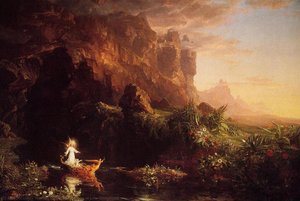
Romantic Landscape with Ruined Tower


 Leer más
Giclée / Impresión de arte
Impresiones giclée o en lienzo de calidad de museo con producción rápida y opciones de acabado flexibles. ( Encargar reproducción pintada a mano Ver versión en imagen digital)




P118B €10

P118H €10

P118W €10

P438Z €10

P508JH €12

P508YH €12

P805H €10

P805Z €10

P919BZ €10

P919G €10

P919XJ €10

P959ZH €10

P968JZ €12

W106C €8

W218G €10

W218JH €8

W218Y €10

W307PJ €10

W316G €10

W316PJ €8

W316Y €10

W398PJ €8

W4111J €10

W500HY €15

W500JH €15

W692G €12

W849H €8

W940BG €15

W953PJ €8




Elija entre nuestros tamaños predefinidos que respetan las proporciones originales de la obra.

Introduzca el ancho y el alto que necesite para adaptarse a su marco o pared. Una impresión solo puede recortarse, nunca hacerse más grande que la imagen original, por lo que un tamaño con una forma distinta perderá parte de la obra. Le enviaremos una maqueta digital para su aprobación antes de realizar cualquier impresión. La imagen que se muestra en esta página no refleja el recorte real; solo la maqueta lo hace.
Envío a todo el mundo () en 2 semanas en lugar de las 4/5 semanas estándar. (23 octubre)

Envío exprés gratuito a todo el mundo

Lienzo de lino de alta calidad

Seguro de envío completo

Garantía de reembolso de impuestos aduaneros

Garantía de fidelidad cromática exacta

Política de devolución de 100 días (solo por defectos)

Garantía de devolución del 100% del dinero

Oferta por volumen
 La opción de vidrio solo está disponible en tamaños inferiores a 110 cm.

Romantic Landscape with Ruined Tower
Giclée / Impresión de arte
Tamaño de la reproducción
-


Precio total
€ 70
Romantic Landscape with Ruined Tower: A Vision of American Identity
- Thomas Cole’s “Romantic Landscape with Ruined Tower,” painted in 1836, is more than just a depiction of a serene vista; it's a foundational statement of American artistic identity. Created during the height of the Hudson River School movement, this oil painting embodies the Romantic sensibility – a profound connection to nature and an exploration of human experience within its grandeur. Cole, considered the founder of this influential school, sought not merely to record the beauty of the American wilderness but to imbue it with spiritual significance, reflecting the nation’s burgeoning sense of self.
- The scene itself is powerfully evocative. A crumbling tower, a poignant symbol of decay and lost grandeur, dominates the center, while a vast field stretches towards a body of water under a dramatically stormy sky. The inclusion of figures – engaged in quiet contemplation or simply absorbing the landscape’s majesty – adds a layer of human scale to this monumental scene, inviting the viewer to consider their own place within nature's order.
Masterful Technique and Atmospheric Depth
- Cole’s technical skill is immediately apparent in his masterful use of light and color. The stormy sky isn't simply a backdrop; it’s a dynamic force, casting dramatic shadows across the landscape and creating a palpable sense of atmosphere. His brushstrokes are loose yet confident, skillfully layering colors to achieve remarkable depth and realism – a hallmark of the Hudson River School’s approach.
- The artist’s attention to detail is equally impressive. From the textures of the weathered stone in the ruined tower to the subtle reflections on the water's surface, every element contributes to the painting’s immersive quality. This meticulous rendering wasn’t about photographic accuracy; it was about capturing the *feeling* of a place – its power, its beauty, and its inherent mystery.
Symbolism and Historical Context
- “Romantic Landscape with Ruined Tower” is rich in symbolism. The ruined tower itself represents the decline of empires and the transience of human ambition, a theme frequently explored by Romantic artists. The vastness of the landscape speaks to America’s boundless potential, while the figures suggest humanity's relationship with nature – a blend of awe, respect, and perhaps even vulnerability.
- Painted in 1836, this work reflects a pivotal moment in American history. The nation was grappling with questions of identity, expansion, and its place in the world. Cole’s landscapes offered a powerful visual narrative, reinforcing the idea that America's strength lay not in European traditions but in its own unique wilderness – a source of spiritual renewal and national pride.
Owning a Piece of American Art History
- Handmade oil painting reproductions of “Romantic Landscape with Ruined Tower” offer art enthusiasts the opportunity to bring this iconic work into their homes or offices. Each reproduction is meticulously crafted using traditional techniques, ensuring that it captures the essence and emotional impact of Cole’s original masterpiece.
- More than just a decorative object, this reproduction represents a connection to American artistic heritage – a testament to Thomas Cole's vision and his enduring legacy as the founder of the Hudson River School. It is an investment in beauty, history, and the power of art to inspire awe and wonder.
Preguntas y respuestas
¿Está "Romantic Landscape with Ruined Tower" libre de derechos de autor?
En cuanto a los derechos de autor, "Romantic Landscape with Ruined Tower" es en el dominio público: sus derechos de autor han expirado.
¿Cuál es el tono emocional de "Romantic Landscape with Ruined Tower" de Thomas Cole?
"Romantic Landscape with Ruined Tower" de Thomas Cole transmite un tono emocional Melancholic.
¿De qué país proviene la obra del Hudson River School "Romantic Landscape with Ruined Tower"?
La obra de Hudson River School "Romantic Landscape with Ruined Tower" fue realizada por un artista nacido en Reino Unido.
Biografía del artista
Primeros años y carrera
Thomas Cole, un artista de origen británico-estadounidense, nació el 1 de febrero de 1801 en Bolton le Moors, Lancashire. En 1818, emigró con su familia a los Estados Unidos, estableciéndose en Steubenville, Ohio. A la edad de 22 años, Cole se mudó a Filadelfia y posteriormente, en 1825, a Catskill, Nueva York, donde vivió con su esposa e hijos hasta 1847.Estilo artístico e influencias
El trabajo de Cole se caracteriza por su representación romántica del paisaje salvaje americano. Fue en gran medida autodidacta como pintor, basándose en libros y estudiando la obra de otros artistas. En 1822, comenzó a trabajar como retratista y luego cambió su enfoque hacia el paisaje. Sus pinturas a menudo presentaban la Catskill Mountain House, las famosas Kaaterskill Falls y dos vistas de Cold Spring.Obras destacadas
- El curso del imperio, una serie de cinco pinturas creadas por Cole entre 1833 y 1836, es notable por reflejar los sentimientos populares americanos de la época.
- Una vista desde el monte Etna desde Taormina (78x120 pulgadas de óleo sobre lienzo) muestra la fascinación de Cole por el volcán activo más alto de Europa.
- El Oxbow (1836), que presenta un paisaje sereno, es otro ejemplo de la maestría de Cole en la pintura de paisajes.
Legado e influencia
La influencia de Cole en el arte americano es profunda. Es considerado como el fundador de la Escuela del Río Hudson, un movimiento artístico estadounidense a mediados del siglo XIX que surgió en el valle del río Hudson de Nueva York. Su trabajo ha inspirado a generaciones de artistas, incluyendo a Asher B. Durand y Frederic Edwin Church. Lecturas recomendadas: * La Escuela del Río Hudson * Thomas Cole en Wikipedia Vea más obras de Thomas Cole: Frederic Edwin Church’s Schoodic Peninsula from Mount Desert at Sunrise (para comparar con el estilo de Cole) Winslow Homer's Canoes in Rapids, Saguenay River (ejemplo de otro pintor paisajista americano)
Thomas Cole
1801 - 1848 , Reino Unido
Datos clave
- Artistas Que Influyeron: ['Otros artistas (auto-didacta)']
- Estilo Artístico: Romanticismo, Hudson River School
- Fecha De Fallecimiento: 1848
- Fecha De Nacimiento: 1 de febrero de 1801
- Influenciado A:
- Asher B. Durand
- Frederic Edwin Church
- Lugar De Nacimiento: Bolton, Reino Unido
- Nacionalidad: Británico-estadounidense
- Nombre Completo: Thomas Cole
- Obras Notables:
- El Curso del Imperio
- Una Vista desde el Etna
- El Oxbow
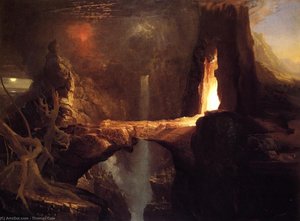
- Expulsión. Luna y Fogata
Artículos relacionados

Robert Spencer: Luminism, Narrative & the American Landscape Tradition
Explore the captivating world of Luminism & the Hudson River School with our expert analysis. Discover the history, artists, and enduring beauty of 19th-century American landscape painting. Find museum-quality reproductions at OriginalUniqueArt.

El Sublime Paisaje Americano: Explorando el Movimiento de la Escuela del Río Hudson
Descubre la Escuela del Río Hudson: un movimiento artístico clave en la historia de la pintura estadounidense. Explora su estética romántica, sus artistas más destacados y el concepto del sublime paisaje americano.

Los 10 Maestros del Río Hudson: Obras que Definieron un Movimiento Artístico
Descubre los 10 lienzos más emblemáticos de la Escuela del Río Hudson. Explora las obras maestras de Thomas Cole, Church y Bierstadt que capturan la belleza del paisaje americano. Encuentra reproducciones de arte exclusivas en OriginalUniqueArt.com.
Epic Landscapes & Wild Nature: The Power of the Hudson River School's Sublime Artistry
Explore the breathtaking power of the Hudson River School. Journey through epic American landscapes, from Thomas Cole's sublime vistas to Luminist light, and discover how these timeless masterpieces continue to inspire modern collectors and art lovers worldwide.

Paisajes Románticos: 10 Obras Maestras que Definieron un Movimiento Artístico
Descubre los 10 paisajes románticos más influyentes de artistas como Caspar David Friedrich y Turner. Explora la belleza, el simbolismo y las técnicas del movimiento romántico. Reproducciones de arte exclusivas en OriginalUniqueArt.com.