

 Vista previa
 Compartir
 Compartir
 Ver detalles

 Descargar
 Ver artículos similares
 Radiografía
 Presentación de diapositivas
 Estadísticas
The Narrows, New York Bay


 Leer más
Giclée / Impresión de arte
Impresiones giclée o en lienzo de calidad de museo con producción rápida y opciones de acabado flexibles. ( Encargar reproducción pintada a mano Ver versión en imagen digital)




P118B $10

P118H $10

P118W $10

P438Z $10

P508JH $12

P508YH $12

P805H $10

P805Z $10

P919BZ $10

P919G $10

P919XJ $10

P959ZH $10

P968JZ $12

W106C $8

W218G $10

W218JH $8

W218Y $10

W307PJ $10

W316G $10

W316PJ $8

W316Y $10

W398PJ $8

W4111J $10

W500HY $15

W500JH $15

W692G $12

W849H $8

W940BG $15

W953PJ $8




Elija entre nuestros tamaños predefinidos que respetan las proporciones originales de la obra.

Puede introducir sus propias dimensiones para adaptarse a un marco o espacio específico. Si el tamaño seleccionado no coincide con las proporciones de la imagen original, recortaremos la obra de arte o extenderemos la imagen con un borde con efecto espejo o de color sólido. Se enviará una maqueta digital para su aprobación antes de que comience la producción.
Tenga en cuenta que la vista previa en pantalla no refleja el recorte o la extensión real. Solo la maqueta mostrará con precisión la composición final.
Aunque existen tamaños personalizados, recomendamos seleccionar una dimensión de la lista predefinida para preservar las proporciones originales.
Envío a todo el mundo () en 2 semanas en lugar de las 4/5 semanas estándar. (17 septiembre)

Envío exprés gratuito a todo el mundo

Lienzo de lino de alta calidad

Seguro de envío completo

Garantía de reembolso de impuestos aduaneros

Garantía de fidelidad cromática exacta

Política de devolución de 100 días (solo por defectos)

Garantía de devolución del 100% del dinero

Oferta por volumen
 La opción de vidrio solo está disponible en tamaños inferiores a 110 cm.

The Narrows, New York Bay
Giclée / Impresión de arte
Tamaño de la reproducción
-


Precio total
$ 80
A Pastoral Vision: Thomas Birch’s “The Narrows”
Thomas Birch's "The Narrows," painted in 1812, isn’t merely a landscape; it’s a carefully constructed tableau of early American life interwoven with the romantic ideals of the Hudson River School. This captivating scene depicts a serene stretch of the Narrows, the channel connecting New York Bay to Staten Island, capturing a moment of quiet industry and rural beauty. The painting immediately draws the eye to the foreground – a modest cow grazing peacefully amidst lush grasses bordering the water’s edge. This humble subject, rendered with surprising detail, speaks volumes about the importance of agriculture in the burgeoning nation, suggesting a connection between the land and its people.
Birch's style leans heavily toward the Hudson River School aesthetic – characterized by luminous light, atmospheric perspective, and an emphasis on capturing the grandeur of the American landscape. The composition is deliberately balanced, with the expansive waters of the bay dominating the background and receding towards a hazy horizon. The artist masterfully employs a technique of soft brushstrokes and subtle color variations to create a sense of depth and atmosphere, mimicking the effects of light and shadow as seen through a misty morning. Notice how Birch uses cool blues and greens in the distance to convey the vastness of the bay, contrasting with the warmer tones of the foreground – a deliberate choice that anchors the viewer’s eye.
A Window into Early 19th-Century America
Understanding “The Narrows” requires placing it within its historical context. Painted in the aftermath of the War of 1812, a conflict that profoundly shaped American identity, the scene reflects a desire to celebrate and solidify a distinctly ‘American’ vision. The Hudson River School artists sought to establish an independent artistic tradition rooted in the observation of the natural world – a counterpoint to the European academic style prevalent at the time. Birch's work exemplifies this shift, prioritizing the depiction of American landscapes over grand historical or mythological subjects.
The inclusion of boats scattered across the bay hints at the growing importance of maritime trade and commerce in early America. Staten Island, strategically located near New York City, was a vital hub for shipping and industry. Birch’s choice to depict laborers unloading a smaller boat adds another layer of narrative – suggesting the everyday activities that underpinned this burgeoning economy. The painting isn't simply a pretty vista; it’s a subtle commentary on the nation’s economic development.
Symbolism and Narrative Detail
Beyond the broad landscape, “The Narrows” is rich in symbolic detail. The cow itself represents prosperity and abundance – a cornerstone of rural life. The birds soaring overhead add to the sense of tranquility and freedom. Even the placement of the boats contributes to the overall narrative: they are not imposing warships or grand merchant vessels, but rather smaller craft engaged in routine tasks, reinforcing the painting’s focus on the ordinary rhythms of daily life.
Notably, Birch includes a small figure near the boat unloading cargo – a detail often overlooked. This individual, likely a laborer, represents the working class and their contribution to the nation's growth. The artist subtly elevates this everyday subject, imbuing it with dignity and significance within the broader landscape.
A Legacy of American Landscape Painting
Thomas Birch’s “The Narrows” stands as a significant work in the history of American art. It exemplifies the Hudson River School's commitment to capturing the beauty and spirit of the American wilderness, while simultaneously offering a glimpse into the social and economic realities of early 19th-century America. Reproductions of this painting offer a captivating window into a bygone era – a testament to the enduring power of landscape art to evoke emotion, inspire contemplation, and connect us to our shared heritage.
Further Research: For more information on Thomas Birch and his work, explore resources such as the New York Historical Society (https://www.nyhs.org/) and the Art Commission of The City of New York (https://www.nycgovparks.org/art-commission). You can also delve deeper into Birch’s life and artistic legacy through online databases like Wikipedia (https://en.wikipedia.org/wiki/Thomas_Birch_(painter)).
Biografía del artista
Thomas Birch: Una Vida en el Arte
- Nacido: Londres, Reino Unido (1779)
- Fallecido: Filadelfia, Pensilvania (1851)
- Nacionalidad: Británico-Americano
Thomas Birch fue un distinguido retratista y pintor de marina que contribuyó significativamente al arte americano durante la primera mitad del siglo XIX. Nacido en Londres, Inglaterra, en 1779, emigró a los Estados Unidos con su familia en 1794. Su padre, William Birch, también era artista, y Thomas lo ayudó a crear una colección de grabados titulada "Vistas de Filadelfia" (1800), que ganó considerable popularidad e inspiró proyectos similares que representaban otras ciudades y paisajes estadounidenses.
Primeros Años y Desarrollo Artístico
Inicialmente, Birch se dedicó a la pintura de retratos, pero en 1807 cambió su enfoque hacia el arte marinero. Esta transición marcó un momento crucial en su carrera, ya que se hizo conocido por sus evocadoras representaciones de batallas navales y escenas marítimas. Sus primeras obras demuestran un estilo en evolución influenciado tanto por maestros europeos como por la naciente tradición del paisaje americano. Estuvo notablemente inspirado por los maestros holandeses, particularmente Jacob van Ruisdael y Jan van Goyen, cuya influencia es evidente en su meticulosa atención al detalle y a la perspectiva atmosférica.
Obras Principales y Estilo Artístico
- USS United States y HMS Macedonian: Quizás su obra más famosa, esta pintura que representa una batalla naval entre fragatas americanas y británicas colgó en el Despacho Oval durante la presidencia de John F. Kennedy.
- Enganche Entre la Fragata Estadounidense Constitution y la Fragata Británica Guerriere: Otra representación significativa de un enfrentamiento de la Guerra de 1812, que muestra su habilidad para capturar una acción naval dramática.
- Paisajes Marinos: Birch fue reconocido por sus paisajes marinos detallados y atmosféricos, a menudo con escenas costeras y vistas de puerto.
El estilo artístico de Birch se caracteriza por su meticuloso detalle, la representación realista de barcos y entornos marítimos, y un sentido de fervor patriótico evidente en sus representaciones de batallas navales. Fue el primer retratista estadounidense de barcos, y sus pinturas fueron ampliamente copiadas, lo que demuestra su popularidad e influencia en generaciones posteriores de artistas. Su obra refleja una mezcla de tradiciones artísticas europeas con temas estadounidenses únicos.
Legado y Significado Histórico
Las contribuciones de Thomas Birch al arte americano son innegables. Jugó un papel crucial en el establecimiento de la pintura marina como un género significativo dentro del panorama artístico estadounidense. Como el primer retratista estadounidense de barcos, estableció un estándar de precisión y detalle que influyó en innumerables artistas. Sus pinturas proporcionan una valiosa documentación histórica de los enfrentamientos navales durante la Guerra de 1812 y ofrecen información sobre la vida marítima a principios de Estados Unidos. La obra de Birch se conserva en prestigiosas colecciones de museos, incluyendo:
- Academia de Bellas Artes de Pensilvania
- Library Company of Philadelphia
- Museo de Arte de Filadelfia
- Smithsonian American Art Museum
- Museum of Fine Arts, Boston
Elegido como miembro honorario de la National Academy of Design en 1833, el legado de Birch continúa siendo celebrado por sus cautivadoras pinturas y significativas contribuciones tanto a la historia del arte británico como a la estadounidense. Su capacidad para combinar habilidad técnica con sentimiento patriótico solidificó su lugar como una figura destacada en el arte americano temprano.
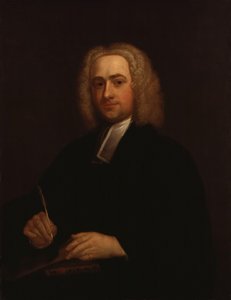
Thomas Birch
1779 - 1851 , Reino Unido
Datos clave
- Artistas Que Influyeron:
- Jacob van Ruisdael
- Jan van Goyen
- Claude-Joseph Vernet
- Fecha De Fallecimiento: 1851
- Fecha De Nacimiento: 1779
- Lugar De Nacimiento: Londres, Reino Unido
- Movimiento Artístico: Pintura marina y retratos
- Nacionalidad: Británico-estadounidense
- Nombre Completo: Thomas Birch
- Obras Notables:
- USS United States & HMS Macedonian
- Constitution vs Guerriere
- Vistas de Filadelfia
Artículos relacionados

Paisajes Románticos: 10 Obras Maestras que Definieron un Movimiento Artístico
Descubre los 10 paisajes románticos más influyentes de artistas como Caspar David Friedrich y Turner. Explora la belleza, el simbolismo y las técnicas del movimiento romántico. Reproducciones de arte exclusivas en OriginalUniqueArt.com.

John Constable: Las 25 Obras Maestras del Paisaje Inglés | OriginalUniqueArt
Descubre las 25 obras maestras de John Constable, el pintor romántico inglés que capturó la belleza del paisaje. Explora su técnica, historia y significado en OriginalUniqueArt.com. Reproducciones de arte de alta calidad para tu hogar.

Evocations of Place: A Historical Journey Through Landscape Art
Explore the rich history of landscape art with OriginalUniqueArt. Discover renowned artists, movements like Impressionism & tonalism, and expert guidance for collecting timeless pieces. Find your perfect serene escape today!

Evocations of Place: A Historical Journey Through Landscape Art
Explore the rich history of landscape art with OriginalUniqueArt. Discover renowned artists, movements like Impressionism & Romanticism, and expert guidance for collecting timeless pieces. Find your perfect serene escape today!

Grahame Sydney: Evoking Otago's Soul Through Light & Landscape
Explore the captivating landscapes of Sir Grahame Sydney, a leading New Zealand artist renowned for his magic realism & evocative depictions of Otago's beauty. Discover key works and delve into his artistic legacy.