

 Vista previa
 Compartir
 Compartir
 Ver detalles
 Guía
Guía

 Descargar
 Ver artículos similares
 Radiografía
 Presentación de diapositivas
 Estadísticas
Astronomical Compendium


 Leer más
Reproducción al óleo hecha a mano
Óleo sobre lienzo pintado a mano en el tamaño y marco de su elección, realizado por encargo por nuestros artistas. ( Cambiar a formato impreso Ver versión en imagen digital)




P118B €10

P118H €10

P118W €10

P438Z €10

P508JH €12

P508YH €12

P805H €10

P805Z €10

P919BZ €10

P919G €10

P919XJ €10

P959ZH €10

P968JZ €12

W106C €8

W218G €10

W218JH €8

W218Y €10

W307PJ €10

W316G €10

W316PJ €8

W316Y €10

W398PJ €8

W4111J €10

W500HY €15

W500JH €15

W692G €12

W849H €8

W940BG €15

W953PJ €8




Elija entre nuestros tamaños predefinidos que respetan las proporciones originales de la obra.

Escriba el ancho y el alto que necesite para adaptarse a su marco o a su pared. Al ser una obra pintada a mano, para un tamaño con una forma distinta, el artista puede pintar un poco más alrededor de la imagen o recortar un poco; usted elige. Le enviaremos una maqueta digital para su aprobación antes de comenzar la pintura. La imagen que se muestra en esta página no refleja el resultado real; solo la maqueta lo hace.
Tras realizar el pedido, el equipo de OriginalUniqueArt.com enviará un correo electrónico al cliente para solicitar instrucciones y proporcionarle una vista previa del boceto.
Envío a todo el mundo () en 3-4 semanas en lugar de las 5 semanas estándar. (25 octubre). Sin comprometer la calidad.

Envío exprés gratuito a todo el mundo

Lienzo de lino de alta calidad

Seguro de envío completo

Garantía de reembolso de impuestos aduaneros

Garantía de fidelidad cromática exacta

Política de devolución de 100 días (solo por defectos)

Garantía de devolución del 100% del dinero

Oferta por volumen
 La opción de vidrio solo está disponible en tamaños inferiores a 110 cm.

Astronomical Compendium
Técnica de reproducción
Tamaño de la reproducción
-


Precio total
€ 263
A Celestial Treasury in Gold and Shadow
In the quiet halls of the Naval Museum in Madrid, there exists a window into the sixteenth century that transcends mere craftsmanship, offering instead a profound meditation on man's relationship with the cosmos. Thobias Volckmer the Elder, a master whose name resonates with the precision of a mathematician and the soul of an artist, captured in 1596 a breathtaking Astronomical Compendium. This work is not merely a depiction of objects; it is a visual symphony of discovery. The painting presents two magnificent gold-colored boxes, their surfaces etched with such intricate detail that one can almost feel the weight of the precious metal and the delicate texture of the engravings. Through a masterful use of light and shadow, Volcklar invites us to peer into an era where science and art were inextricably linked, bound together by the shared pursuit of understanding the heavens.
The composition is anchored by a captivating duality. To the left, a clock rests within its gilded housing, its presence serving as a rhythmic heartbeat for the piece—a reminder of the relentless passage of time that governs both human life and planetary motion. Opposite this temporal anchor, occupying much of the right side of the frame, sits a celestial globe. This sphere, rendered with an almost tactile realism, represents the vastness of the known universe brought down to a scale that can be held in one's hands. The interplay between the clock and the globe creates a powerful symbolic dialogue: the measurement of time against the mapping of space, the finite human experience set against the infinite expanse of the stars.
The Artistry of Precision and Prestige
Technically, the painting is a triumph of late Renaissance precision. Volckmer utilizes a rich, luminous palette that emphasizes the brilliance of the gold, making the instruments appear to glow from within. The artist’s ability to render reflections and the subtle gradations of light on metallic surfaces demonstrates a sophisticated command of texture. For the discerning collector or interior designer, this piece offers more than just aesthetic beauty; it provides a focal point of intellectual depth. The meticulous detail found in the engravings suggests a level of devotion to accuracy that was essential for the navigators and astronomers of the age.
Beyond its historical significance, the Astronomical Compendium possesses an emotional resonance that is both grounding and aspirational. It evokes a sense of wonder, transporting the viewer to an age of exploration when every new measurement of the stars was a leap into the unknown. As a reproduction, this artwork serves as a sophisticated addition to any curated space, whether it be a private library, a study, or a grand salon. It brings with it an atmosphere of scholarly elegance and timeless curiosity, making it an ideal choice for those who wish to surround themselves with pieces that celebrate the enduring human spirit of inquiry and the breathtaking beauty of our universe.
Preguntas y respuestas
¿Dónde puedo comprar una imagen digital de "Astronomical Compendium" de Thobias Volckmer El Viejo?
Puede adquirir una imagen digital de "Astronomical Compendium" de Thobias Volckmer El Viejo en su página de Imagen Digital: descarga de una imagen digital en alta resolución.
¿Cuál es el tono predominante de "Astronomical Compendium" de Thobias Volckmer El Viejo?
Un tono Ochre to Sepia recorre "Astronomical Compendium" de Thobias Volckmer El Viejo.
¿Para quién es un buen regalo "Astronomical Compendium" de Thobias Volckmer El Viejo?
Se sugiere "Astronomical Compendium" como un regalo para Corporate Gift, pensando en Conversation.
Biografía del artista
El Maestro de la Precisión y el Oro
Thobias Volckmer el Viejo no fue un artista visual en el sentido tradicional de un pintor, sino más bien un maestro alemán de la relojería, matemático y orfebre cuya obra tendió un puente entre la utilidad científica y una exquisita maestría artística. Nacido en Núremberg, Alemania, se consolidó como el progenitor de una distinguida familia de fabricantes de instrumentos cuya influencia perduró hasta finales del siglo XVII. Su vida estuvo definida por la búsqueda incansable de la precisión, desempeñándose con gran distinción como Matemático y Orfebre de los Duques de Baviera a partir de 1594. En este prestigioso cargo, su taller se convirtió en un crisol donde el rigor de las matemáticas se encontraba con el delicado toque del orfebre, produciendo objetos que eran tanto triunfos de la ingeniería como obras maestras del arte decorativo.Un Legado de Arte Científico
La producción del taller de Volckmer, que comenzó alrededor de 1582, se caracterizó por un nivel extraordinario de complejidad y una fina artesanía. Trabajando junto a su hijo, Tobias Volckmer junior, creó una variedad de instrumentos que resultaron esenciales para la floreciente comprensión científica del cosmos en aquella época. Su repertorio incluía:- Astrolabios que permitían la determinación del tiempo y la dirección a través de las estrellas.
- Relojes de sol y cuadrantes diseñados con una precisión meticulosa.
- Relojes intrincados e instrumentos horológicos que servían tanto como herramientas funcionales como símbolos de prestigio.
Significado Histórico e Impacto
La importancia de Volckmer reside en su papel durante una era en la que la ciencia y el arte estaban inextricablemente unidos. Sus instrumentos, tales como el cuadrante dorado producido en 1609 o los complejos astrolabios, representan un período de descubrimientos profundos donde la medición del tiempo y el mapeo del espacio eran primordiales. Al crear herramientas capaces de reducir la vastedad del universo conocido a una escala que podía sostenerse en las manos, contribuyó al tejido intelectual del Renacimiento tardío. Su obra permanece como un testimonio de una era de exploración, donde la precisión de un matemático y el alma de un artesano se combinaron para iluminar los cielos.
Thobias Volckmer El Viejo
1560 - 1625 , Alemania
Datos clave
- Fecha De Fallecimiento: 1625
- Fecha De Nacimiento: 1560
- Lugar De Nacimiento: Núremberg, Alemania
- Nacionalidad: Alemán
- Nombre Completo: Thobias Volckmer el Viejo
- Obras Notables: ['Compendio Astronómico']
- Profesión: Relojero y orfebre alemán
Artículos relacionados

Golden Glow: How to Use Metallic Gold Artworks to Elevate Your Home Decor with Timeless Luxury
Discover how to elevate your home with the timeless elegance of metallic gold artworks. From sculptural metal pieces to gilded oil paintings, learn expert interior design tips for integrating luxurious gold accents into your space with sophistication and grace.

Oro en el Arte: Los 10 Cuadros Más Famosos con Hoja de Oro | OriginalUniqueArt
Descubre los 10 cuadros más famosos con hoja de oro, desde Klimt hasta el arte bizantino. Explora la historia, técnica y belleza de estas obras maestras doradas. Reproducciones de arte exclusivas en OriginalUniqueArt.com.
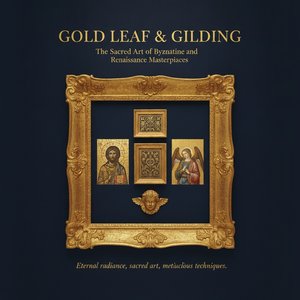
La Alquimia del Pan de Oro: El Legado de la Luz Sagrada en el Arte Bizantino y Renacentista
Descubre la maestría técnica del pan de oro desde el arte bizantino al Renacimiento. Explora este legado de luz y devoción ahora.
Golden Splendor: An Editorial Journey Through Art's Most Radiant Masterpieces
Embark on a visual journey through the world's most radiant masterpieces. Discover how gold leaf, impasto textures, and gilded tones define luxury in fine art, from Byzantine icons to modern abstracts. Explore the eternal allure of gold in curated, museum-quality art collections.
The Allure of Gold in Art History: Symbolism, Technique & Cultural Significance
Explore the rich history of gold in art! Discover symbolism, techniques & cultural significance from ancient civilizations to Klimt's masterpieces. Expert insights for collectors at OriginalUniqueArt.