

 Vista previa
 Compartir
 Compartir
 Ver detalles

 Descargar
 Ver similares
 Radiografía
 Presentación de diapositivas
The Watering Place


 Leer más
Reproducción al óleo hecha a mano
Óleo sobre lienzo pintado a mano en el tamaño y marco de su elección, realizado por encargo por nuestros artistas. ( Pedir impresión Comprar descarga)




P118B $10

P118H $10

P118W $10

P438Z $10

P508JH $12

P508YH $12

P805H $10

P805Z $10

P919BZ $10

P919G $10

P919XJ $10

P959ZH $10

P968JZ $12

W106C $8

W218G $10

W218JH $8

W218Y $10

W307PJ $10

W316G $10

W316PJ $8

W316Y $10

W398PJ $8

W4111J $10

W500HY $15

W500JH $15

W692G $12

W849H $8

W940BG $15

W953PJ $8




Elija entre nuestros tamaños predefinidos que respetan las proporciones originales de la obra.

Puede ingresar sus propias dimensiones para adaptarse a un marco o espacio específico. Si el tamaño seleccionado no coincide con las proporciones de la imagen original, recortaremos la obra o extenderemos la pintura con elementos adicionales pintados a mano. Se le enviará una maqueta digital para su aprobación antes de comenzar la producción.
Tenga en cuenta que la vista previa en pantalla no refleja el recorte o la extensión reales. Solo la maqueta mostrará con precisión la composición final.
Si bien existen tamaños personalizados, recomendamos seleccionar una dimensión de la lista predefinida para preservar las proporciones originales.
Tras realizar el pedido, el equipo de OriginalUniqueArt.com enviará un correo electrónico al cliente para solicitar instrucciones y proporcionarle una vista previa del boceto.
Envío a todo el mundo () en 3-4 semanas en lugar de las 5 semanas estándar. (22 agosto). Sin comprometer la calidad.

Envío exprés gratuito a todo el mundo

Lienzo de lino de alta calidad

Seguro de envío completo

Garantía de reembolso de aranceles aduaneros

Garantía de fidelidad cromática exacta

Política de devolución de 60 días (solo por defectos)

Garantía de devolución del 100% del dinero

Oferta por volumen
 La opción de vidrio solo está disponible en tamaños inferiores a 110 cm.

The Watering Place
Técnica de reproducción
Tamaño de la reproducción
-


Precio total
$ 300
Descripción de la obra
The Watering Place: A Vision of Rural Tranquility by Theodore Robinson
Theodore Robinson’s “The Watering Place,” painted in 1891, isn't merely a depiction of a rural scene; it’s an immersion into a carefully constructed world of quiet contemplation and the profound beauty of the natural world. This oil on canvas, currently residing within the Baltimore Museum of Art, offers a glimpse into the heart of American Impressionism – a movement Robinson helped pioneer by embracing the shimmering light and broken color techniques he encountered during his transformative years in France.
At first glance, the painting presents a deceptively simple tableau: a man on horseback traversing a dirt road leading to a modest farmhouse nestled amidst rolling hills. A second horse stands patiently nearby, suggesting a moment of respite or perhaps the anticipation of another journey. However, beneath this surface tranquility lies a complex layering of artistic influences and personal reflection. Robinson’s early training in traditional academic styles is evident in the meticulous rendering of the landscape – the precise detail of the foliage, the subtle gradations of color in the sky, and the carefully constructed perspective of the buildings. Yet, he skillfully infuses this foundation with the Impressionistic principles he absorbed from Monet and other French masters, particularly their focus on capturing fleeting moments of light and atmosphere.
Impressionist Techniques and a Harmonious Palette
Robinson’s masterful use of brushstrokes is immediately striking. Rather than striving for sharp outlines or photographic realism, he employs loose, expressive strokes that create a sense of movement and immediacy. Notice how the sunlight seems to dance across the fields, rendered with delicate washes of color – pale blues and greens mingling with hints of gold and ochre. This technique isn’t simply about replicating what the eye sees; it's about conveying the *feeling* of being present in that moment, experiencing the warmth of the sun and the freshness of the air.
The composition itself is carefully balanced, drawing the viewer’s eye along the winding road towards the distant farmhouse. The muted color palette – dominated by earthy tones and soft pastels – contributes to a sense of serenity and timelessness. Robinson's deliberate choice of colors evokes a feeling of nostalgia, as if recalling a simpler, more harmonious time. The painting is not about grand drama or heroic figures; it’s about the quiet dignity of rural life and the restorative power of nature.
A Reflection of Robinson’s Journey
Understanding “The Watering Place” requires considering Theodore Robinson's own personal journey as an artist. Born in Vermont, he spent his early years moving across the United States before embarking on a pivotal trip to Europe in 1884. It was during this time that he became deeply influenced by Impressionism and developed a close friendship with Claude Monet at Giverny. Robinson’s work began to reflect these new influences, shifting from more traditional landscapes to paintings characterized by vibrant color, broken brushstrokes, and an emphasis on capturing the ephemeral qualities of light and atmosphere.
The painting can be interpreted as a distillation of Robinson's experiences – a longing for the tranquility he found in nature after years of restless travel. The man on horseback represents a journey, both literal and metaphorical, while the watering place itself symbolizes a moment of respite and renewal. It’s a scene imbued with a sense of peace and contentment, suggesting that true beauty can be found in the simplest of things.
Collecting a Legacy: Reproductions and Beyond
Today, “The Watering Place” stands as a testament to Robinson's artistic vision and his significant contribution to American art. High-quality reproductions, such as those available at OriginalUniqueArt.com, allow art lovers to experience the painting’s beauty and tranquility in their own homes. These meticulously crafted prints capture the essence of Robinson's original work, offering a tangible connection to this remarkable piece of American artistic heritage. For those seeking to delve deeper into Robinson’s life and work, resources like the Baltimore Museum of Art’s website (Wikipedia) and online artist databases provide valuable insights.
Biografía del artista
Un Pionero del Impresionismo Americano: Theodore Robinson
Theodore Robinson (1852-1896) fue un pintor estadounidense, reconocido como una figura clave en el desarrollo del impresionismo en Estados Unidos. Su obra se caracteriza por capturar la belleza de los paisajes y escenas cotidianas con una sensibilidad única, influenciada profundamente por su experiencia en Francia y la maestría de Claude Monet.Primeros Años y Formación
Nacido en Irasburg, Vermont, Robinson demostró un talento artístico desde temprana edad. Su familia se trasladó a Evansville, Wisconsin, donde recibió educación en el Evansville Seminary. A pesar de sufrir de asma, una condición que afectó su salud durante toda su vida, Robinson perseveró en su pasión por el arte. Estudió en Chicago y posteriormente en Nueva York, asistiendo a clases en la National Academy of Design y el Art Students League. En 1876, se trasladó a París para continuar sus estudios con maestros como Carolus-Duran y Jean-Léon Gérôme, adquiriendo una base sólida en las técnicas de pintura tradicionales.Influencia Francesa e Impresionismo
Un punto crucial en la carrera de Robinson fue su traslado a Francia en 1884. En Giverny, se estableció cerca de Claude Monet y desarrolló una estrecha amistad con el maestro impresionista. Esta proximidad le permitió absorber directamente las ideas y técnicas del movimiento impresionista. Su estilo artístico experimentó una transformación significativa, adoptando la pincelada suelta, los colores vibrantes y la representación de la luz que caracterizaban a los impresionistas franceses. Monet lo animó a explorar este nuevo enfoque, y Robinson se convirtió en uno de los primeros artistas estadounidenses en incorporar plenamente el impresionismo en su obra.Obras Destacadas y Evolución Artística
Robinson produjo una serie de obras maestras que reflejan su evolución artística. Entre sus pinturas más conocidas se encuentran:- Giverny 1, Giverny 2 y Giverny 3: Estas escenas capturan la atmósfera serena y luminosa del jardín de Monet en Giverny.
- La Débâcle (1892): Una obra que muestra su habilidad para representar figuras humanas dentro de un paisaje impresionista.
Legado e Importancia Histórica
Theodore Robinson falleció prematuramente en 1896 a la edad de 43 años. A pesar de su corta carrera, dejó un legado significativo como pionero del impresionismo americano. Sus diarios, conservados en la Frick Art Reference Library, ofrecen una valiosa perspectiva sobre su vida y su proceso creativo. Su influencia se extendió a otros artistas estadounidenses que buscaban romper con las convenciones artísticas tradicionales y adoptar un enfoque más moderno y expresivo. Robinson es recordado como un artista visionario que contribuyó de manera fundamental al desarrollo del arte estadounidense, abriendo el camino para futuras generaciones de impresionistas.
Teodoro Robinson
1852 - 1896 , Estados Unidos de América
Datos clave
- Artistas Que Influyeron: ['Claude Monet']
- Fecha De Muerte: 2 de abril de 1896
- Fecha De Nacimiento: 3 de junio de 1852
- Lugar De Nacimiento: Irasburg, EE. UU.
- Movimiento Artístico: Impresionismo estadounidense
- Nacionalidad: Estadounidense
- Nombre Completo: Theodore Robinson
- Obras Notables:
- Giverny 1
- Giverny 2
- Giverny 3
- La Débâcle
Artículos relacionados

Paul Cézanne: Las 25 Obras Maestras que Definieron el Arte Moderno | OriginalUniqueArt
Descubre las 25 obras maestras de Paul Cézanne que revolucionaron el arte moderno. Explora su técnica, inspiración y significado en paisajes, bodegones y retratos. Reproducciones de alta calidad para decorar tu hogar con arte inolvidable. ¡Explora la colección completa en OriginalUniqueArt.com!

The Enduring Legacy of Oil on Canvas: Technique, History & Aesthetic Impact
Explore the rich history & techniques of oil painting – from Renaissance masters to Impressionism. Discover pigments, layering methods, and why this timeless medium endures. Expert insights for artists & art enthusiasts.

The Soul of Impressionism: Why Oil on Canvas Captures Eternal Light and Timeless Emotion
Discover the enchanting alchemy of Impressionism. Explore how the mastery of oil on canvas, through glazing and impasto, captures eternal light and emotion. Perfect for lovers of Monet and Van Gogh seeking the profound depth of hand-painted fine art.
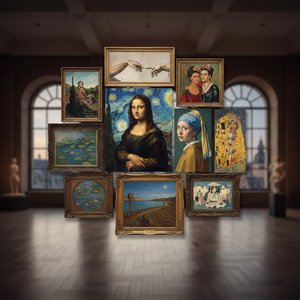
Las 10 Obras Maestras al Óleo que Revolucionaron la Historia del Arte |
Descubre las 10 obras maestras al óleo que transformaron la historia del arte. Explora Van Gogh, Monet, Da Vinci y más. Reproducciones de alta calidad para decorar tu hogar con elegancia. ¡Encuentra tu obra favorita en !

Evocations of Place: A Historical Journey Through Landscape Art
Explore the rich history of landscape art with OriginalUniqueArt. Discover renowned artists, movements like Impressionism & Romanticism, and expert guidance for collecting timeless pieces. Find your perfect serene escape today!



