- Inicio

- Impresión en lienzo
- Teodoro Robinson
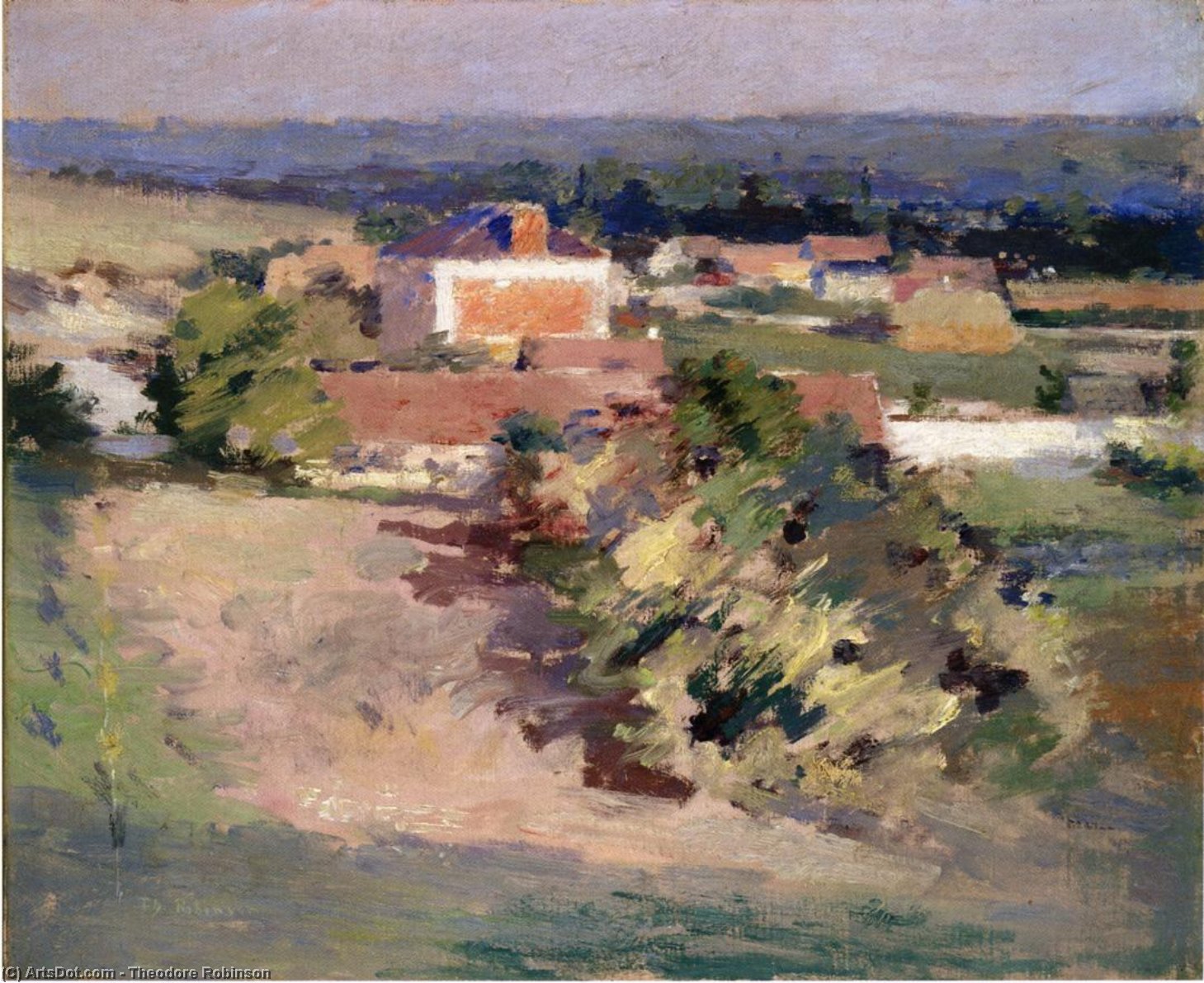
- The Red House
 Vista previa
 Compartir
 Compartir
 Ver detalles

 Descargar
 Ver similares
 Radiografía
 Presentación automática
The Red House


 Leer más
Giclée / Impresión de arte
Impresiones giclée o en lienzo de calidad de museo con producción rápida y opciones de acabado flexibles. ( Cambiar a pintura hecha a mano Cambiar a imagen)




P118B $10

P118H $10

P118W $10

P438Z $10

P508JH $12

P508YH $12

P805H $10

P805Z $10

P919BZ $10

P919G $10

P919XJ $10

P959ZH $10

P968JZ $12

W106C $8

W218G $10

W218JH $8

W218Y $10

W307PJ $10

W316G $10

W316PJ $8

W316Y $10

W398PJ $8

W4111J $10

W500HY $15

W500JH $15

W692G $12

W849H $8

W940BG $15

W953PJ $8




Elija entre nuestros tamaños predefinidos que respetan las proporciones originales de la obra.

Puede introducir sus propias dimensiones para adaptarse a un marco o espacio específico. Si el tamaño seleccionado no coincide con las proporciones de la imagen original, recortaremos la obra de arte o extenderemos la imagen con un borde con efecto espejo o de color sólido. Se enviará una maqueta digital para su aprobación antes de que comience la producción.
Tenga en cuenta que la vista previa en pantalla no refleja el recorte o la extensión real. Solo la maqueta mostrará con precisión la composición final.
Aunque existen tamaños personalizados, recomendamos seleccionar una dimensión de la lista predefinida para preservar las proporciones originales.
Envío a todo el mundo () en 2 semanas en lugar de las 4/5 semanas estándar. (31 julio)

Envío exprés gratuito a todo el mundo

Lienzo de lino de alta calidad

Seguro de envío completo

Garantía de reembolso de aranceles aduaneros

Garantía de fidelidad cromática exacta

Política de devolución de 60 días (solo por defectos)

Garantía de devolución del 100% del dinero

Oferta por volumen
 La opción de vidrio solo está disponible en tamaños inferiores a 110 cm.

The Red House
Giclée / Impresión de arte
Tamaño de la reproducción
-


Precio total
$ 80
Detalles de la pieza
A Moment of Serenity: Exploring Theodore Robinson’s “The Red House”
Theodore Robinson's "The Red House," painted in 1892, isn't merely a landscape; it’s an invitation to quiet contemplation. This oil on canvas, currently residing within the hallowed halls of the Yale University Art Gallery, captures a fleeting moment of rural beauty—a village nestled amidst rolling fields and shadowed trees, dominated by a striking red-roofed dwelling that anchors the scene with warmth and inviting presence. Robinson, deeply influenced by the Impressionist movement yet firmly rooted in his own distinctly American sensibility, masterfully blends realism with an ethereal quality, creating a work that resonates with both familiarity and profound emotional depth.
Robinson’s artistic journey was one of constant seeking, marked by relocation and a relentless pursuit of capturing light and atmosphere. His early years were spent absorbing the techniques of European masters, particularly in Paris, before he embraced the burgeoning Impressionist movement. This influence is readily apparent in “The Red House,” where bold brushstrokes dance across the canvas, creating a sense of shimmering light and subtle color variations. The composition itself—a carefully orchestrated balance between foreground detail and atmospheric distance—demonstrates Robinson’s skill in balancing observation with artistic interpretation. He wasn't simply depicting a scene; he was translating an experience into paint.
The Language of Light and Color
The painting’s most striking feature is undoubtedly its masterful use of light. Robinson doesn’t strive for photographic accuracy, but rather seeks to evoke the *feeling* of light—its warmth, its diffusion, its ability to transform a familiar landscape into something extraordinary. Notice how he employs broken color – small, distinct strokes of pigment layered upon one another – to suggest the play of sunlight on foliage and water. The red house itself is bathed in this diffused glow, appearing almost luminous against the muted greens and browns of the surrounding fields. This technique, characteristic of Impressionism, imbues the scene with a sense of transient beauty, as if the moment captured is destined to fade away.
Furthermore, Robinson’s brushwork is remarkably loose and expressive, particularly in the depiction of the trees and distant hills. These elements are rendered with rapid, confident strokes, conveying a sense of movement and vitality. The overall effect is one of spontaneity and immediacy—as if Robinson were capturing the scene directly before his eyes, without hesitation or over-consideration.
Symbolism and Emotional Resonance
While seemingly simple in its subject matter, “The Red House” carries a subtle layer of symbolism. The red house itself is not merely a building; it represents warmth, shelter, and perhaps even domesticity—a beacon of comfort amidst the vastness of nature. Its prominent position within the composition draws the viewer’s eye and suggests a sense of belonging, of connection to the land. The figures glimpsed in the distance – two individuals enjoying a peaceful moment – further reinforce this theme of human connection and tranquility.
Robinson's work often explored themes of solitude and introspection, reflecting his own personal struggles with mental health. “The Red House” can be interpreted as an expression of longing for simplicity and peace—a desire to escape the complexities of urban life and reconnect with the natural world. The painting’s serene atmosphere invites viewers to slow down, breathe deeply, and find solace in its quiet beauty.
Bringing "The Red House" Home
OriginalUniqueArt offers meticulously crafted hand-painted reproductions of “The Red House,” allowing you to bring this captivating landscape into your own space. Each reproduction is created by skilled artists using the same techniques employed by Robinson, ensuring an authentic and faithful representation of the original masterpiece. Whether displayed in a living room, bedroom, or office, "The Red House" will serve as a constant reminder of the beauty and tranquility that can be found in nature—and within ourselves.
To explore high-resolution images and learn more about this remarkable painting, visit OriginalUniqueArt’s website. You can also delve deeper into the life and work of Theodore Robinson at the Yale University Art Gallery website or explore related works by Edwin Headley Holgate on OriginalUniqueArt.com.
Biografía del artista
Un Pionero del Impresionismo Americano: Theodore Robinson
Theodore Robinson (1852-1896) fue un pintor estadounidense, reconocido como una figura clave en el desarrollo del impresionismo en Estados Unidos. Su obra se caracteriza por capturar la belleza de los paisajes y escenas cotidianas con una sensibilidad única, influenciada profundamente por su experiencia en Francia y la maestría de Claude Monet.Primeros Años y Formación
Nacido en Irasburg, Vermont, Robinson demostró un talento artístico desde temprana edad. Su familia se trasladó a Evansville, Wisconsin, donde recibió educación en el Evansville Seminary. A pesar de sufrir de asma, una condición que afectó su salud durante toda su vida, Robinson perseveró en su pasión por el arte. Estudió en Chicago y posteriormente en Nueva York, asistiendo a clases en la National Academy of Design y el Art Students League. En 1876, se trasladó a París para continuar sus estudios con maestros como Carolus-Duran y Jean-Léon Gérôme, adquiriendo una base sólida en las técnicas de pintura tradicionales.Influencia Francesa e Impresionismo
Un punto crucial en la carrera de Robinson fue su traslado a Francia en 1884. En Giverny, se estableció cerca de Claude Monet y desarrolló una estrecha amistad con el maestro impresionista. Esta proximidad le permitió absorber directamente las ideas y técnicas del movimiento impresionista. Su estilo artístico experimentó una transformación significativa, adoptando la pincelada suelta, los colores vibrantes y la representación de la luz que caracterizaban a los impresionistas franceses. Monet lo animó a explorar este nuevo enfoque, y Robinson se convirtió en uno de los primeros artistas estadounidenses en incorporar plenamente el impresionismo en su obra.Obras Destacadas y Evolución Artística
Robinson produjo una serie de obras maestras que reflejan su evolución artística. Entre sus pinturas más conocidas se encuentran:- Giverny 1, Giverny 2 y Giverny 3: Estas escenas capturan la atmósfera serena y luminosa del jardín de Monet en Giverny.
- La Débâcle (1892): Una obra que muestra su habilidad para representar figuras humanas dentro de un paisaje impresionista.
Legado e Importancia Histórica
Theodore Robinson falleció prematuramente en 1896 a la edad de 43 años. A pesar de su corta carrera, dejó un legado significativo como pionero del impresionismo americano. Sus diarios, conservados en la Frick Art Reference Library, ofrecen una valiosa perspectiva sobre su vida y su proceso creativo. Su influencia se extendió a otros artistas estadounidenses que buscaban romper con las convenciones artísticas tradicionales y adoptar un enfoque más moderno y expresivo. Robinson es recordado como un artista visionario que contribuyó de manera fundamental al desarrollo del arte estadounidense, abriendo el camino para futuras generaciones de impresionistas.
Teodoro Robinson
1852 - 1896 , Estados Unidos de América
Datos clave
- Artistas Que Influyeron: ['Claude Monet']
- Fecha De Muerte: 2 de abril de 1896
- Fecha De Nacimiento: 3 de junio de 1852
- Lugar De Nacimiento: Irasburg, EE. UU.
- Movimiento Artístico: Impresionismo estadounidense
- Nacionalidad: Estadounidense
- Nombre Completo: Theodore Robinson
- Obras Notables:
- Giverny 1
- Giverny 2
- Giverny 3
- La Débâcle
Artículos relacionados

Paul Cézanne: Las 25 Obras Maestras que Definieron el Arte Moderno | OriginalUniqueArt
Descubre las 25 obras maestras de Paul Cézanne que revolucionaron el arte moderno. Explora su técnica, inspiración y significado en paisajes, bodegones y retratos. Reproducciones de alta calidad para decorar tu hogar con arte inolvidable. ¡Explora la colección completa en OriginalUniqueArt.com!
Claude Monet: Las 25 Obras Maestras del Impresionismo para Decorar tu Hogar con Arte
Descubre las 25 obras maestras de Claude Monet, el padre del impresionismo. Explora la historia, técnica y belleza de sus paisajes, nenúfares y 'Impresión, sole levant'. Encuentra reproducciones de arte exclusivas en OriginalUniqueArt.com.
Los 10 Paisajes Más Icónicos de la Historia del Arte | OriginalUniqueArt
Descubre los 10 paisajes más emblemáticos de la historia del arte, desde Monet a Van Gogh. Explora su significado, técnica y belleza atemporal. Encuentra reproducciones de alta calidad e inspira tu hogar con OriginalUniqueArt.com.

John Constable: Las 25 Obras Maestras del Paisaje Inglés | OriginalUniqueArt
Descubre las 25 obras maestras de John Constable, el pintor romántico inglés que capturó la belleza del paisaje. Explora su técnica, historia y significado en OriginalUniqueArt.com. Reproducciones de arte de alta calidad para tu hogar.
Eterna tu Amor: Pinturas Personalizadas para Bodas Inolvidables y un Legado Artístico
Crea un recuerdo eterno con una pintura de boda personalizada. te ofrece artistas expertos y obras únicas para celebrar tu amor. ¡Regalos inolvidables!



