
 Vista previa
 Compartir
 Compartir
 Ver detalles

 Descargar
 Ver similares
 Radiografía
 Presentación de diapositivas
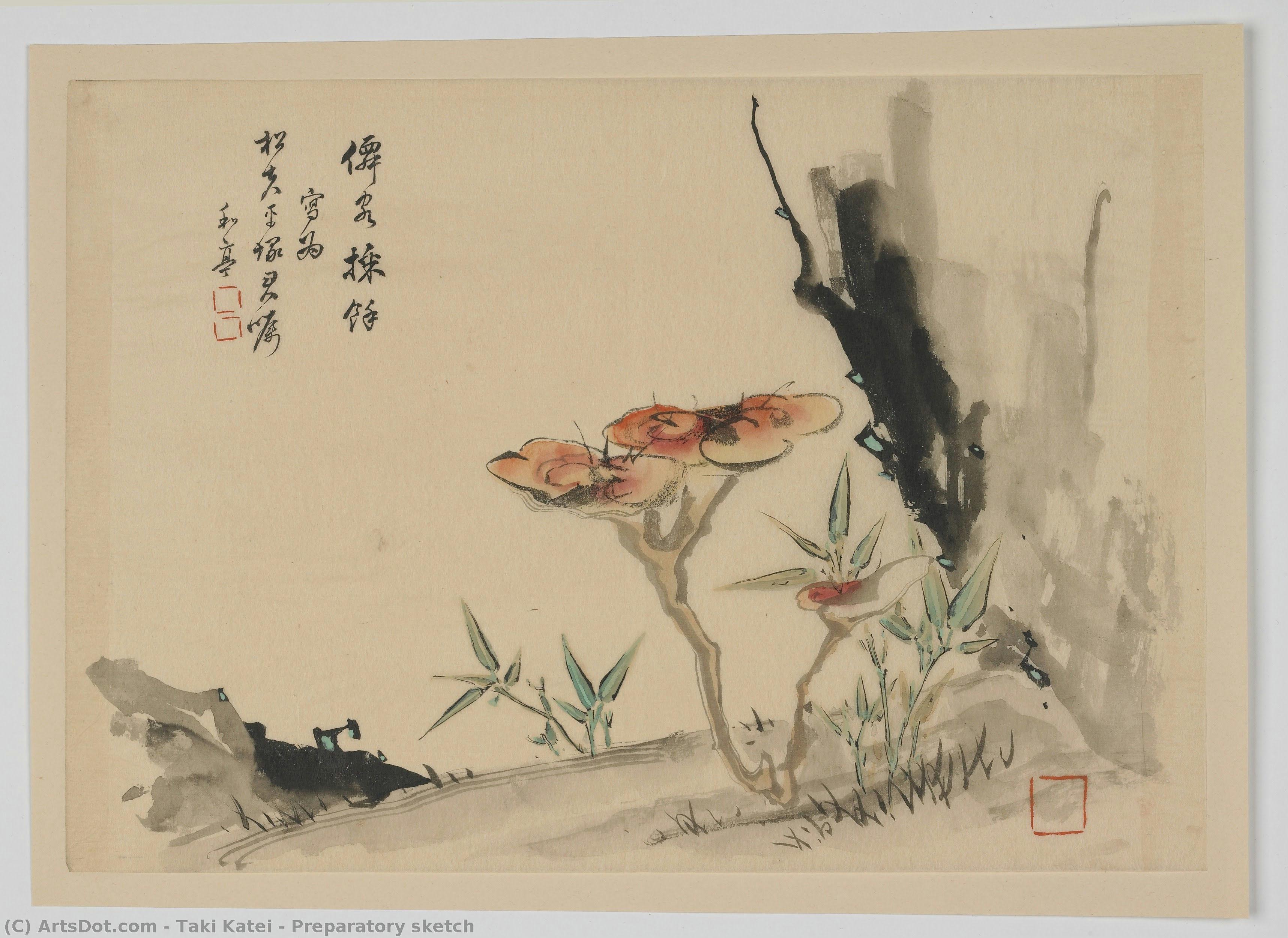
Preparatory sketch
 Painting
- Nihonga
 19th Century
 30.0 x 41.0 cm
 National Museums Liverpool
 Leer más
Giclée / Impresión de arte
Impresiones giclée o en lienzo de calidad de museo con producción rápida y opciones de acabado flexibles. ( Encargar reproducción pintada a mano Comprar descarga)




P118B $10

P118H $10

P118W $10

P438Z $10

P508JH $12

P508YH $12

P805H $10

P805Z $10

P919BZ $10

P919G $10

P919XJ $10

P959ZH $10

P968JZ $12

W106C $8

W218G $10

W218JH $8

W218Y $10

W307PJ $10

W316G $10

W316PJ $8

W316Y $10

W398PJ $8

W4111J $10

W500HY $15

W500JH $15

W692G $12

W849H $8

W940BG $15

W953PJ $8




Elija entre nuestros tamaños predefinidos que respetan las proporciones originales de la obra.

Puede introducir sus propias dimensiones para adaptarse a un marco o espacio específico. Si el tamaño seleccionado no coincide con las proporciones de la imagen original, recortaremos la obra de arte o extenderemos la imagen con un borde con efecto espejo o de color sólido. Se enviará una maqueta digital para su aprobación antes de que comience la producción.
Tenga en cuenta que la vista previa en pantalla no refleja el recorte o la extensión real. Solo la maqueta mostrará con precisión la composición final.
Aunque existen tamaños personalizados, recomendamos seleccionar una dimensión de la lista predefinida para preservar las proporciones originales.
Envío a todo el mundo () en 2 semanas en lugar de las 4/5 semanas estándar. (13 agosto)

Envío exprés gratuito a todo el mundo

Lienzo de lino de alta calidad

Seguro de envío completo

Garantía de reembolso de aranceles aduaneros

Garantía de fidelidad cromática exacta

Política de devolución de 60 días (solo por defectos)

Garantía de devolución del 100% del dinero

Oferta por volumen
 La opción de vidrio solo está disponible en tamaños inferiores a 110 cm.

Preparatory sketch
Giclée / Impresión de arte
Tamaño de la reproducción
-


Precio total
$ 80
Descripción de la pieza
A Whisper of Nature: Exploring Taki Katei's Preparatory Sketch
To gaze upon this preparatory sketch is to step into a moment suspended between memory and bloom. It captures the ephemeral beauty of nature, rendered with the delicate touch characteristic of Japanese masters navigating a period of profound cultural transition. The composition centers around a lush branch, laden with blossoms whose red petals draw the eye immediately. These flowers, interspersed with leaves of varying shades, suggest the vibrant cycle of life—a moment caught just as it reaches its peak perfection. Beyond this intimate floral arrangement, a subtle rock formation anchors the scene in a tangible, natural landscape, lending depth and permanence to the fleeting subject matter.
Technique and The Nihonga Spirit
The artistry here speaks volumes about Taki Katei's mastery of traditional Japanese mediums. While the piece is titled a sketch, it possesses the rich texture and careful application indicative of high-level craftsmanship. One can almost feel the mineral pigments mingling with organic materials on the support, hallmarks of the nihonga style. This technique allowed artists to maintain deep roots in Japanese aesthetic tradition while simultaneously engaging with the visual dialogues sparked by Western influences. The handling of light across the petals and the subtle gradations within the foliage reveal a painter deeply versed in both inherited methods and emerging artistic vocabularies.
Historical Echoes: Tradition Meets Modernity
Taki Katei’s career spanned an era of immense upheaval for Japan, bridging the late Tokugawa period into the Meiji modernization. This artwork serves as a beautiful microcosm of that cultural tension. While the subject matter—the simple beauty of flowers and stone—is timelessly Japanese, the execution hints at the sophisticated dialogue between established artistic canons and the influx of new global ideas. It is not merely a depiction of nature; it is a document of an artistic spirit adapting, evolving, yet remaining profoundly connected to its cultural heartland.
Symbolism and Emotional Resonance
Flowers in art have always been potent symbols, and here they whisper tales of transience and renewal. The vibrant red petals often symbolize passion or vitality, while the inclusion of the enduring rock formation speaks to resilience and the passage of time. This juxtaposition—the delicate bloom against the steadfast stone—creates a profound emotional resonance for the viewer. It invites contemplation on beauty's fleeting nature and the quiet strength found within natural cycles. For the collector or designer, this piece offers not just decoration, but a meditative focal point, bringing a sense of peaceful, cultivated wildness into any space.
Bringing the Bloom Home
Reproducing such an evocative work allows modern admirers to connect directly with the nuanced genius of Taki Katei. Owning a high-quality reproduction of this preparatory sketch means acquiring more than just art; it is acquiring a piece of cultural narrative, a celebration of enduring beauty rendered through masterful technique. It promises to infuse any room—be it a formal drawing-room or a quiet study—with the gentle, contemplative energy of an ancient Japanese garden at dawn.
Biografía del artista
early life and career
Taki Katei, a japanese painter, was born on january 27, 1830, in the late tokugawa period. His father was a masterless samurai (rōnin) who had moved from Aki Province to the shogun’s city. A rōnin was a samurai without a lord or master during the feudal period (1185–1868) of Japan. Taki Katei was said to be an excellent swordsman in his youth.
artistic style and influences
Katei's work demonstrates the shifts occurring in artistic practice as japanese society changed and expectations altered. His style, though rooted in tradition, shows a gradual incorporation of modern techniques. This blending of old and new makes his artwork a fascinating study of japan’s cultural evolution.
notable works and associations
Katei's paintings are characterized by their use of mineral pigments and organic materials on silk or paper, typical of the nihonga style. His work can be seen as a response to the rise of western-style painting known as yōga, which was gaining popularity during the meiji period (1868–1912). Katei's association with the nihonga art movement places him alongside notable artists like uemura shōen, kazuo shiraga, and kobayashi eitaku.
major achievements
Katei’s paintings were displayed in the emperor’s personal suite. From 1881 Taki Katei produced numerous works for the imperial household and was the highest-paid painter in the scheme to decorate the new imperial palace, completed in 1888.
historical significance
Taki Katei's contributions to japanese art are undeniable. His work serves as a bridge between the traditional yamato e style and the modern nihonga movement. The taki katei collection at OriginalUniqueArt.com showcases his remarkable talent, with 20 artworks available for viewing and reproduction.

Taki Katei
1830 - 1901 , Japón
Datos clave
- Artistic Movement Or Style: Nihonga
- Artists Or Movements Influenced By This Artist: ['Yamato E Style']
- Artists Who Influenced This Artist: ['Uemura Shoen']
- Date Of Birth: January 27, 1830
- Full Name: Taki Katei
- Nationality: Japanese
- Notable Artworks: ['Cranes in Flight']
- Place Of Birth: Tokyo, Japan
Artículos relacionados

Crimson Threads of Narrative: Exploring Symbolism & Representation in Artworks Featuring the Red Dress
Explore the rich symbolism of the red dress in art history! From ancient power displays to iconic portraits like Cézanne’s 'Madame Cezanne', discover the cultural and artistic significance behind this captivating color. Expert analysis & insights.

The Eloquent Line: Exploring the Artistic Significance of Sketches Across Movements and Media
Explore the profound artistic significance of sketches throughout history. From Renaissance masters to modern innovators like Van Gogh & Guston, discover how these foundational works reveal technique, emotion, and vision. Learn more at OriginalUniqueArt.

Blossoms of Time: A Historical & Aesthetic Exploration of Floral Painting Across Cultures
Explore the rich history of floral painting! Discover symbolism, techniques & masterpieces from Van Huysum to O'Keeffe. Expert insights for art lovers & collectors at OriginalUniqueArt.
Blossoming Symbolism: A Historical Journey Through Flowers in Western Painting
Explore the rich history of flower symbolism in Western painting! Discover how artists from the Renaissance to Modernism used blossoms to convey meaning, emotion & beauty. Learn about iconic artworks and movements.

Blossoms of Time: A Historical Journey Through Flower Painting
Explore the captivating history of flower painting! Discover Dutch masters, symbolic meanings, & botanical art. Expert insights & high-quality reproductions at OriginalUniqueArt.


