

 Vista previa
 Compartir
 Compartir
 Ver detalles
 Guía
Guía

 Descargar
 Ver artículos similares
 Radiografía
 Presentación de diapositivas
 Estadísticas
Título: Pareja Tocando un Kokyû Juntos


 Leer más
Reproducción al óleo hecha a mano
Óleo sobre lienzo pintado a mano en el tamaño y marco de su elección, realizado por encargo por nuestros artistas. ( Cambiar a formato impreso Ver versión en imagen digital)




P118B $10

P118H $10

P118W $10

P438Z $10

P508JH $12

P508YH $12

P805H $10

P805Z $10

P919BZ $10

P919G $10

P919XJ $10

P959ZH $10

P968JZ $12

W106C $8

W218G $10

W218JH $8

W218Y $10

W307PJ $10

W316G $10

W316PJ $8

W316Y $10

W398PJ $8

W4111J $10

W500HY $15

W500JH $15

W692G $12

W849H $8

W940BG $15

W953PJ $8




Elija entre nuestros tamaños predefinidos que respetan las proporciones originales de la obra.

Puede ingresar sus propias dimensiones para adaptarse a un marco o espacio específico. Si el tamaño seleccionado no coincide con las proporciones de la imagen original, recortaremos la obra o extenderemos la pintura con elementos adicionales pintados a mano. Se le enviará una maqueta digital para su aprobación antes de comenzar la producción.
Tenga en cuenta que la vista previa en pantalla no refleja el recorte o la extensión reales. Solo la maqueta mostrará con precisión la composición final.
Si bien existen tamaños personalizados, recomendamos seleccionar una dimensión de la lista predefinida para preservar las proporciones originales.
Tras realizar el pedido, el equipo de OriginalUniqueArt.com enviará un correo electrónico al cliente para solicitar instrucciones y proporcionarle una vista previa del boceto.
Envío a todo el mundo () en 3-4 semanas en lugar de las 5 semanas estándar. (25 septiembre). Sin comprometer la calidad.

Envío exprés gratuito a todo el mundo

Lienzo de lino de alta calidad

Seguro de envío completo

Garantía de reembolso de impuestos aduaneros

Garantía de fidelidad cromática exacta

Política de devolución de 100 días (solo por defectos)

Garantía de devolución del 100% del dinero

Oferta por volumen
 La opción de vidrio solo está disponible en tamaños inferiores a 110 cm.

Título: Pareja Tocando un Kokyû Juntos
Técnica de reproducción
Tamaño de la reproducción
-


Precio total
$ 300
Suzuki Harunobu’s “Couple Playing A Kokyû Together” – A Symphony of Tranquility and Artistic Innovation
The artwork "Couple Playing A Kokyû Together," attributed to Suzuki Harunobu (1725–1770), stands as a testament to the zenith of Edo-period Japanese woodblock printing, specifically the Nishiki-e style. More than just a depiction of two women enjoying an instrument – likely a shamisen – it embodies a profound exploration of human connection and subtle artistic refinements that cemented Harunobu’s legacy as one of Japan's most influential artists. This piece transcends mere representation; it whispers tales of refined leisure and captures the delicate beauty inherent in everyday life, resonating powerfully with viewers even today.A Masterclass in Nishiki-e Technique
Harunobu revolutionized woodblock printing by pioneering the use of Prussian blue pigment – a groundbreaking innovation at the time – dramatically expanding the palette available to artists. This bold choice wasn’t merely stylistic; it reflected a broader shift towards embracing European pigments and techniques, marking Japan's initial engagement with Western artistic influences. The meticulous carving process itself involved multiple blocks meticulously crafted by skilled artisans, each contributing to the final image’s tonal richness and luminosity. Furthermore, Harunobu skillfully employed layering techniques – known as *yakiba* – allowing for nuanced shading and creating a captivating illusion of depth that distinguishes his prints from earlier styles. This masterful approach ensured that every brushstroke conveyed an exquisite sense of realism while simultaneously upholding the aesthetic ideals of the Nishiki-e tradition.Historical Context: Leisurely Pursuits in Edo Society
“Couple Playing A Kokyû Together” emerged during the Edo period (1689–1868), a time characterized by relative peace and prosperity under Tokugawa rule, fostering an environment conducive to artistic experimentation and intellectual discourse. The kokyū – or lute – held considerable symbolic significance within Japanese culture representing harmony, contemplation, and refined taste. Depicting two women engaged in this activity speaks volumes about the social values of the era—a celebration of feminine companionship and a quiet appreciation for aesthetic pleasures. It’s a scene carefully positioned to convey an idealized vision of domestic tranquility, reflecting the aspirations of the samurai class and upper strata of society. The serene backdrop hints at a Zen garden aesthetic – emphasizing simplicity and balance – mirroring the philosophical currents shaping Japanese art during this period.Symbolism: Harmony and Delicate Beauty
Beyond its technical prowess and historical context, “Couple Playing A Kokyû Together” is laden with symbolic meaning. The soft lighting and muted colors create an atmosphere of intimacy and tranquility—drawing viewers into a contemplative space. The inclusion of three birds – positioned strategically within the composition – adds another layer of interpretation. Birds are frequently associated with longevity, happiness, and auspiciousness in Japanese iconography, symbolizing wishes for prosperity and well-being. Their placement contributes to the overall sense of harmony and balance that permeates the artwork. These subtle visual cues underscore Harunobu’s intention to communicate a profound message about inner peace and harmonious relationships—a timeless reflection of Edo ideals.Emotional Impact: Capturing a Moment of Quiet Reflection
Ultimately, Harunobu’s masterpiece succeeds in evoking a powerful emotional response. It's not a grand spectacle or dramatic narrative; rather, it invites us to savor the simple joys of companionship and appreciate the beauty found in everyday moments. “Couple Playing A Kokyû Together” remains a poignant reminder that art can transcend time, capturing enduring human emotions and offering glimpses into the cultural values of a bygone era—a testament to Harunobu’s artistic genius. Its understated elegance continues to inspire collectors and interior designers alike who seek pieces embodying serenity and refined taste.Biografía del artista
Primeros años e influencias
Suzuki Harunobu (1725 – 8 de julio de 1770) fue un diseñador japonés de arte en bloques de madera al estilo *ukiyo-e*. Poco se sabe sobre su vida temprana, pero se cree que creció en Kioto. Su obra muestra evidencia de influencias de muchos artistas, incluyendo Torii Kiyomitsu, Ishikawa Toyonobu, la escuela Kawamata y la escuela Kanō. Sin embargo, la influencia más fuerte sobre Harunobu fue el pintor e impresor Nishikawa Sukenobu, quien pudo haber sido el maestro directo de Harunobu.Carrera artística
Harunobu comenzó su carrera en el estilo de la escuela Torii, creando muchas obras que eran hábiles pero no innovadoras. Sin embargo, con su participación con un grupo de samuráis literatos, abordó nuevos formatos y estilos. En 1764, Harunobu fue elegido para ayudar a estos samuráis en sus esfuerzos amateurs para crear *e-goyomi* (calendarios). Estas impresiones de calendario serían las primeras *nishiki-e* (impresiones brocadas), con Harunobu experimentando con mejores maderas para los bloques de madera y utilizando colores más caros.Obras notables e innovaciones
- Las "impresiones brocadas" de Suzuki Harunobu llevaron a la producción a todo color convirtiéndose en estándar, con diez o más bloques utilizados para crear cada impresión.
- Su uso de múltiples bloques de madera separados en la creación de una sola imagen fue una innovación que dependía del uso de muescas y cuñas para mantener el papel en su lugar.
- Las impresiones de Harunobu fueron populares entre la clase *chōnin*, que se había vuelto lo suficientemente rica como para permitirse decorar sus hogares con ellas.
Legado
El trabajo de Suzuki Harunobu fue fundamental para formar la percepción occidental del arte japonés a finales del siglo XIX. Su influencia puede verse en los paisajes de Hokusai e Hiroshige, que fueron popularizados durante la tendencia *japonisme*.- Ver las obras de arte de Suzuki Harunobu en OriginalUniqueArt
- Leer más sobre Suzuki Harunobu en Wikipedia
- Explorar el arte ukiyo-e en OriginalUniqueArt
Pinturas y artistas notables
- La serie *Kyoka Tokaido* de Utagawa Hiroshige, Seki (ver en OriginalUniqueArt)
- Las cortesanas de Shimabara exorcizando demonios de Miyagawa Issho (ver en OriginalUniqueArt)
- Una tableta votiva con máscaras de actores de kabuki a cara de Utagawa Kuniyoshi (ver en OriginalUniqueArt)
Museos y colecciones
- Indianápolis Museum of Art (Indianápolis, Estados Unidos)
- Fukuoka City Museum (Fukuoka, Japón)

Suzuki Harunobu
1725 - 1770 , Japón
Datos clave
- Artistas Influenciados:
- Utagawa Hiroshige
- Utagawa Kuniyoshi
- Artistas Que Influyeron:
- Torii Kiyomitsu
- Nishikawa Sukenobu
- Fecha De Fallecimiento: 1770
- Fecha De Nacimiento: 1725
- Lugar De Nacimiento: Tokio, Japón
- Movimiento Artístico: Ukiyo-e
- Nacionalidad: Japonesa
- Nombre Completo: Suzuki Harunobu
- Obras Notables: ['Fulling Cloth At The Jewel River']
Artículos relacionados
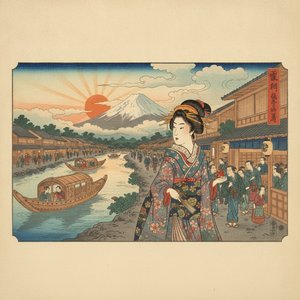
Ukiyo-e Unlocked: The Bold Japanese Art Movement That Defined Modern Pop Culture
Dive into the high-energy world of Ukiyo-e. Discover how Japan's 'floating world' woodblock prints pioneered bold colors and graphic storytelling, shaping the DNA of modern pop culture, anime, and street art. Explore the masters that defined a visual revolution.
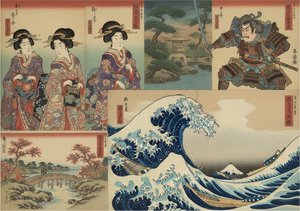
Ukiyo-e: Un Viaje al Corazón del Mundo Flotante Japonés y su Legado Artístico
Descubre el fascinante mundo del Ukiyo-e, el arte japonés del Período Edo. Explora las técnicas de grabado, los maestros Hokusai y Hiroshige, y su legado perdurable. ¡Un viaje cultural inolvidable!

Katsushika Hokusai: Las 25 Obras Maestras del Ukiyo-e que Transformaron el Arte Japonés | OriginalUniqueArt
Descubre las 25 obras maestras de Katsushika Hokusai, el genio del ukiyo-e. Explora 'La Gran Ola', paisajes japoneses y su impacto en el arte moderno. Reproducciones de alta calidad para tu hogar en OriginalUniqueArt.com.
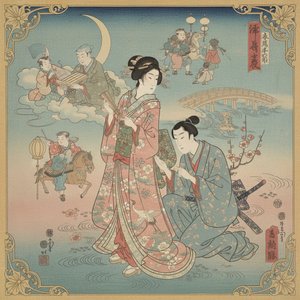
Suzuki Harunobu: Pioneering Ukiyo-e & the Refinement of Edo Period Printmaking
Discover the revolutionary world of Suzuki Harunobu, a pioneer of ukiyo-e printmaking. Explore his exquisite nishiki-e techniques, diverse subjects & lasting impact on Japanese art history. Learn more at OriginalUniqueArt.

Floating Worlds: A Definitive Guide to the Timeless Elegance of Ukiyo-e Artistry
Embark on a journey through the 'Floating World' with our expert guide to Ukiyo-e. Discover the profound history, legendary masters like Hokusai and Harunobu, and the enduring influence of Japanese woodblock prints on global art history.


