

 Vista previa
 Compartir
 Compartir
 Ver detalles
 Guía
Guía

 Descargar
 Ver artículos similares
 Radiografía
 Presentación de diapositivas
 Estadísticas
Rani

 Leer más
La obra de arte que se muestra en esta página está protegida por las leyes de propiedad intelectual, lo que significa que no podemos crear ni vender legalmente una reproducción idéntica. Esta protección se hace cumplir en virtud de acuerdos internacionales como el Convenio de Berna y por las leyes nacionales, incluidas aquellas establecidas por el Ley de derechos de autor de los EE. UU. - Título 17.
Este método cumple plenamente con las normativas de derechos de autor, ya que no implica la copia ni la duplicación de la obra protegida. En su lugar, se trata de una reinterpretación creativa: una nueva pintura influenciada por la original, pero que no es idéntica a ella.
Giclée / Impresión de arte
Impresiones giclée o en lienzo de calidad de museo con producción rápida y opciones de acabado flexibles. ( Encargar reproducción pintada a mano Ver versión en imagen digital)




































Elija entre nuestros tamaños predefinidos que respetan las proporciones originales de la obra.

Introduzca el ancho y el alto que necesite para adaptarse a su marco o pared. Una impresión solo puede recortarse, nunca hacerse más grande que la imagen original, por lo que un tamaño con una forma distinta perderá parte de la obra. Le enviaremos una maqueta digital para su aprobación antes de realizar cualquier impresión. La imagen que se muestra en esta página no refleja el recorte real; solo la maqueta lo hace.
Envío a todo el mundo () en 2 semanas en lugar de las 4/5 semanas estándar. (22 octubre)

Envío exprés gratuito a todo el mundo

Lienzo de lino de alta calidad

Seguro de envío completo

Garantía de reembolso de impuestos aduaneros

Garantía de fidelidad cromática exacta

Política de devolución de 100 días (solo por defectos)

Garantía de devolución del 100% del dinero

Oferta por volumen
 La opción de vidrio solo está disponible en tamaños inferiores a 110 cm.

Rani
Giclée / Impresión de arte
Tamaño de la reproducción
-


Precio total
€ 70
Preguntas y respuestas
¿Hay una presentación de diapositivas para "Rani" de Subodh Gupta?
El diaporama de "Rani" puede verse en la página Presentación de diapositivas de la obra.
¿Cómo puedo descargar la imagen de "Rani" de Subodh Gupta?
Puede descargar "Rani" de Subodh Gupta desde la página de Descargar de la obra, como descarga de una imagen digital en alta resolución.
¿Dónde puedo ver una vista previa de "Rani"?
Para previsualizar una reproducción de "Rani" de Subodh Gupta, abra la página de Vista previa de la obra.
Biografía del artista
La alquimia de lo cotidiano: El mundo visionario de Subodh Gupta
En los paisajes silenciosos y bañados por motas de polvo de Khagaul, Bihar, comenzó un viaje que eventualmente transformaría la percepción global del arte contemporáneo indio. Nacido en 1964, los primeros años de vida de Subodh Gupta estuvieron impregnados de las texturas de la India rural, un mundo donde los ritmos de la tradición y la necesidad de supervivencia estaban inextricablemente ligados. Sus años formativos, marcados por la pérdida de su padre y una infancia transcurrida navegando la sencillez de la vida aldeana, le inculcaron una profunda reverencia por lo mundano. Esta conexión arraigada con lo elemental es el latido de su práctica madura. Antes de convertirse en un ícono internacional, Gupta era un estudiante de lo tangible, encontrando inspiración en la forma en que la luz incidía sobre un plato de acero o en cómo el ritual comunitario de comer unía a una comunidad. Su formación en el College of Arts & Crafts en Patna proporcionó la base técnica, pero fue la experiencia vivida del cambiante tejido social de la India lo que le otorgó su verdadero medio.
El lenguaje artístico de Gupta es uno de transformación, donde lo humilde se vuelve monumental. Posee una capacidad singular para tomar lo ubicuo —loncheras de acero inoxidable, cubos de leche, bicicletas y platos thali— y elevarlos a declaraciones escultóricas profundas. Estos no son meros objetos; son recipientes de memoria y símbolos de una nación en constante cambio. Al disponer meticulosamente utensilios producidos en masa en instalaciones geométricas y expansivas, Gupta invoca el espíritu del minimalismo mientras lo impregna con un pesado peso cultural. Para un espectador en Occidente, estas relucientes estructuras de acero podrían parecer artefactos exóticos de una tierra lejana; sin embargo, para aquellos familiarizados con el hogar indio, son ecos íntimos y domésticos de la vida diaria. Esta dualidad permite que su obra actúar como un puente, navegando las complejas tensiones entre la tradición local y la marea implacable de la globalización.
Simbolismo y narrativa escultórica
El poder de la obra de Gupta reside en su capacidad para sostener verdades contradictorias de manera simultánea. Sus esculturas a menudo funcionan como iconos tanto del sustento como de la escasez, reflejando las transformaciones económicas de la India moderna. En sus instalaciones más celebradas, como la monumental Untitled (Chimta), la repetición de bandejas de acero crea un ritmo visual imponente que refleja la escala masiva de la población de la India y su identidad colectiva. Existe una sacralidad en su uso de los materiales; al incorporar elementos como arroz, especias o incluso estiércol de vaca, toca la naturaleza ritualista de la vida india, donde el alimento y la tierra están profundamente entrelazados con la fe y la supervivencia.
A medida que su carrera progresó, el enfoque de Gupta experimentó una evolución sutil pero significativa. Si bien su fama temprana se construyó sobre las superficies prístinas y reflectantes del acero inoxidable nuevo, comenzó a gravitar hacia objetos encontrados que portaban las cicatrices de dueños anteriores. Este cambio introdujo una capa conmovedora de narrativa humana en su trabajo. Los arañazos, abolladuras y pátinas en estos artículos desgastados sirven como rastros de vidas vividas, convirtiendo utensilios inanimados en recipientes de historias. A través de este lente, su arte se convierte en una exploración de la migración y el desplazamiento, capturando la esencia de los individuos que se mueven a través de un mundo que está siendo redefinido constantemente por cambios económicos y sociales.
Un legado global y trascendencia artística
El ascenso de Subodh Gupta a la cima del mundo del arte contemporáneo ha sido nada menos que meteórico. A menudo referido con reverencia como una figura imponente en el arte indio, su presencia en las principales instituciones internacionales —desde la Tate Modern en Londres hasta la Bienal de Venecia— ha consolidado su estatus como un mensajero global. Su habilidad para traducir el vernáculo local en una estética universal le ha permitido trascender las fronteras culturales, convirtiéndolo en uno de los artistas más influyentes de su generación.
La importancia histórica de la contribución de Gupta puede resumirse a través de varios pilares clave de su impacto:
- Redefinición de la materialidad: Desafió con éxito la jerarquía de los materiales escultóricos, demostrando que los objetos más comunes y producidos en masa pueden portar un inmenso peso conceptual y estético.
- Traducción cultural: Su obra sirve como un medio vital para explorar cómo se negocia la identidad india dentro del contexto de un mundo globalizado e interconectado.
- La intersección entre ritual y modernidad: Al utilizar objetos cotidianos para evocar rituales antiguos, crea un diálogo entre el pasado histórico y el presente industrial.
- Representación global: Ha sido instrumental para situar las complejidades de la realidad social contemporánea de la India en el primer plano del discurso artístico internacional.
Hoy, mientras Gupta continúa viviendo y trabajando en Nueva Delhi, su práctica sigue siendo una investigación continua sobre el alma de lo cotidiano. Sigue siendo un artista que no se limita a observar el mundo, sino que lo reconstruye, cuchara de acero tras cuchara, invitándonos a todos a encontrar lo extraordinario dentro de lo ordinario.
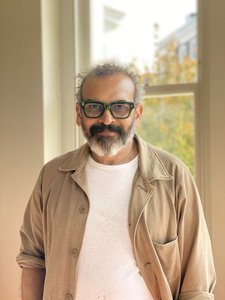
Subodh Gupta
1964 - , India
Datos clave
- Artistic Movement Or Style: Arte contemporáneo
- Artists Who Influenced This Artist:
- Donald Judd
- Sol LeWitt
- Date Of Birth: 1964
- Full Name: Subodh Gupta
- Nationality: Indio
- Notable Artworks:
- Rani
- The Other Thing (Chimta)
- Place Of Birth: Khagol, India