

 Ver en contexto
 Enviar
 Compartir
 Detalles

 Descargar
 Similares
 Radiografía
 Presentación de diapositivas
 Estadísticas
Two Eagle Dancers


 Ver más
Giclée / Impresión de arte
Impresiones giclée o en lienzo de calidad de museo con producción rápida y opciones de acabado flexibles. ( Comprar pintura hecha a mano Cambiar a imagen digital)




P118B $10

P118H $10

P118W $10

P438Z $10

P508JH $12

P508YH $12

P805H $10

P805Z $10

P919BZ $10

P919G $10

P919XJ $10

P959ZH $10

P968JZ $12

W106C $8

W218G $10

W218JH $8

W218Y $10

W307PJ $10

W316G $10

W316PJ $8

W316Y $10

W398PJ $8

W4111J $10

W500HY $15

W500JH $15

W692G $12

W849H $8

W940BG $15

W953PJ $8




Elija entre nuestros tamaños predefinidos que respetan las proporciones originales de la obra.

Puede introducir sus propias dimensiones para adaptarse a un marco o espacio específico. Si el tamaño seleccionado no coincide con las proporciones de la imagen original, recortaremos la obra de arte o extenderemos la imagen con un borde con efecto espejo o de color sólido. Se enviará una maqueta digital para su aprobación antes de que comience la producción.
Tenga en cuenta que la vista previa en pantalla no refleja el recorte o la extensión real. Solo la maqueta mostrará con precisión la composición final.
Aunque existen tamaños personalizados, recomendamos seleccionar una dimensión de la lista predefinida para preservar las proporciones originales.
Envío a todo el mundo () en 2 semanas en lugar de las 4/5 semanas estándar. (9 septiembre)

Envío exprés gratuito a todo el mundo

Lienzo de lino de alta calidad

Seguro de envío total

Garantía de reembolso de impuestos aduaneros

Garantía de fidelidad cromática exacta

Política de devolución de 100 días (solo por defectos)

Garantía de devolución del 100% del dinero

Descuento por cantidad
 La opción de vidrio solo está disponible en tamaños inferiores a 110 cm.

Two Eagle Dancers
Giclée / Impresión de arte
Dimensiones de la reproducción
-


Precio total final
$ 80
Biografía del artista
Primeros años y formación
Stephen Mopope, también conocido como Qued Koi, fue un pintor kiowa, bailarín y flautista nativo americano de Oklahoma. Nacido el 27 de agosto de 1898, cerca de la misión bautista de Redstone en la reserva kiowa en el territorio indio, la trayectoria artística de Mopope comenzó desde una edad muy temprana. Su arte estuvo profundamente marcado por la influencia familiar, al ser instruido por sus parientes en la técnica tradicional de pintar sobre pieles, una herencia que más tarde complementaría con una educación formal tras asistir a la escuela de la misión india St. Patrick en Anadarko, Oklahoma, y posteriormente estudiar en la Escuela de Arte de la Universidad de Oklahoma.Contribuciones artísticas y estilo
Mopope se consolidó como el miembro más prolífico del grupo conocido como los "Seis Kiowa". Su obra se distingue por el uso de colores vibrantes que reflejan tanto su herencia cultural como los paisajes de Oklahoma, así como por temas dinámicos que capturan con maestría escenas de la vida nativa americana, ceremonias sagradas y la belleza indómita de la naturaleza. Entre sus obras más destacadas se encuentran:- Two Eagle Dancers (Museo Postal Nacional Smithsonian, Washington, Estados Unidos), un mural que exhibe la destreza de Mopope para capturar la esencia misma de la cultura kiowa.
- Apache Ben (Museo Nacional de la Herencia Cowboy y Western, Oklahoma City, Estados Unidos), una pieza en acuarela que resalta su versatilidad y rango técnico.
Legado e impacto
Como artista prolífico, el extenso cuerpo de obra de Mopope lo ha convertido en una figura fundamental en la historia del arte nativo americano. Su estilo y técnica únicos han servido de inspiración para múltiples generaciones de artistas, asegurando que su legado perdure a través del tiempo. Vea más obras de Stephen Mopope en [https://OriginalUniqueArt.com/@/stephen-mopope](https://OriginalUniqueArt.com/@/stephen-mopope)- Explore el movimiento de los pintores de Skagen y su influencia en el arte nativo americano.
- Descubra más sobre Antoine Wiertz, pintor y escultor belga, en [https://OriginalUniqueArt.com/@@/a@d3apat-discover-the-musee-wiertz-museum-brussels](https://OriginalUniqueArt.com/@@/a@d3apat-discover-the-musee-wiertz-museum-brussels)
Conclusión
La vida y la obra de Stephen Mopope son un testimonio de la riqueza de la cultura y el arte nativo americano. A través de sus lienzos, ha dejado una huella indeleble en el mundo de las bellas artes, consolidando su legado como uno de los pintores kiowa más prolíficos de su generación. Aprenda más sobre historia del arte y movimientos en [https://OriginalUniqueArt.com](https://OriginalUniqueArt.com)
Stephen Mopope
1898 - 1974 , Estados Unidos de América
Datos clave
- Artistas O Movimientos Influenciados Por Este Artista:
- Rene Magritte
- Martin Gardner
- Artistas Que Influyeron En Este Artista:
- George Arnold Escher
- Frank Reaugh
- Fecha De Fallecimiento: 27 de marzo de 1972
- Fecha De Nacimiento: 17 de junio de 1898
- Lugar De Nacimiento: Leeuwarden, Países Bajos
- Movimiento O Estilo Artístico: Arte gráfico, Grabado
- Nacionalidad: Holandés
- Nombre Completo: Maurits Cornelis Escher
- Obras Notables:
- Mano con esfera reflectante
- Manos dibujando
- Relatividad
- Cascada
- Ascendente y descendente
Artículos relacionados

Grant Wood & American Regionalism: Identity, Myth & the Rural Landscape
Explore the world of Grant Wood & American Regionalism with OriginalUniqueArt. Discover the symbolism behind 'American Gothic', recurring themes, and the movement's lasting impact on art history. High-quality reproductions available.

Realismo Estadounidense: 10 Obras Maestras que Cambiaron el Arte y la Decoración
Descubre 10 obras maestras del Realismo Estadounidense: Winslow Homer, Edward Hopper y más. Explora la historia, técnica y emoción de estos icónicos cuadros. Encuentra reproducciones de arte de museo en OriginalUniqueArt.com.
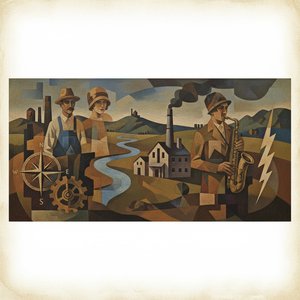
James Otto Lewis: Navigating American Modernism Through Regional Identity & Stylistic Innovation
Explore the captivating portraits of James Otto Lewis, a pivotal figure bridging 19th-century realism & American Modernism. Discover his groundbreaking work documenting Native American culture and regional identity.
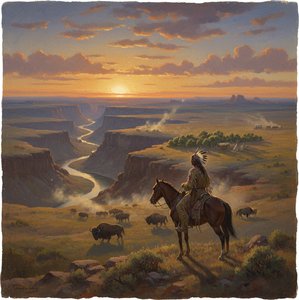
Henry Farny: Romantic Visions of the American West & Indigenous Life
Explore the evocative paintings of Henry Farny, renowned for his romantic realism & depictions of Native American life in the 19th-century West. Discover his legacy and key artworks at OriginalUniqueArt.

American Regionalism: The Soul of the Heartland and the Mastery of Grant Wood
Explore the profound history of American Regionalism. Discover how Grant Wood captured the heart of the Midwest through masterpieces like American Gothic. An expert guide to the movement, its cultural impact, and the enduring beauty of American Realism.