
 Vista previa
 Compartir
 Compartir
 Ver detalles

 Descargar
 Ver similares
 Radiografía
 Presentación de diapositivas
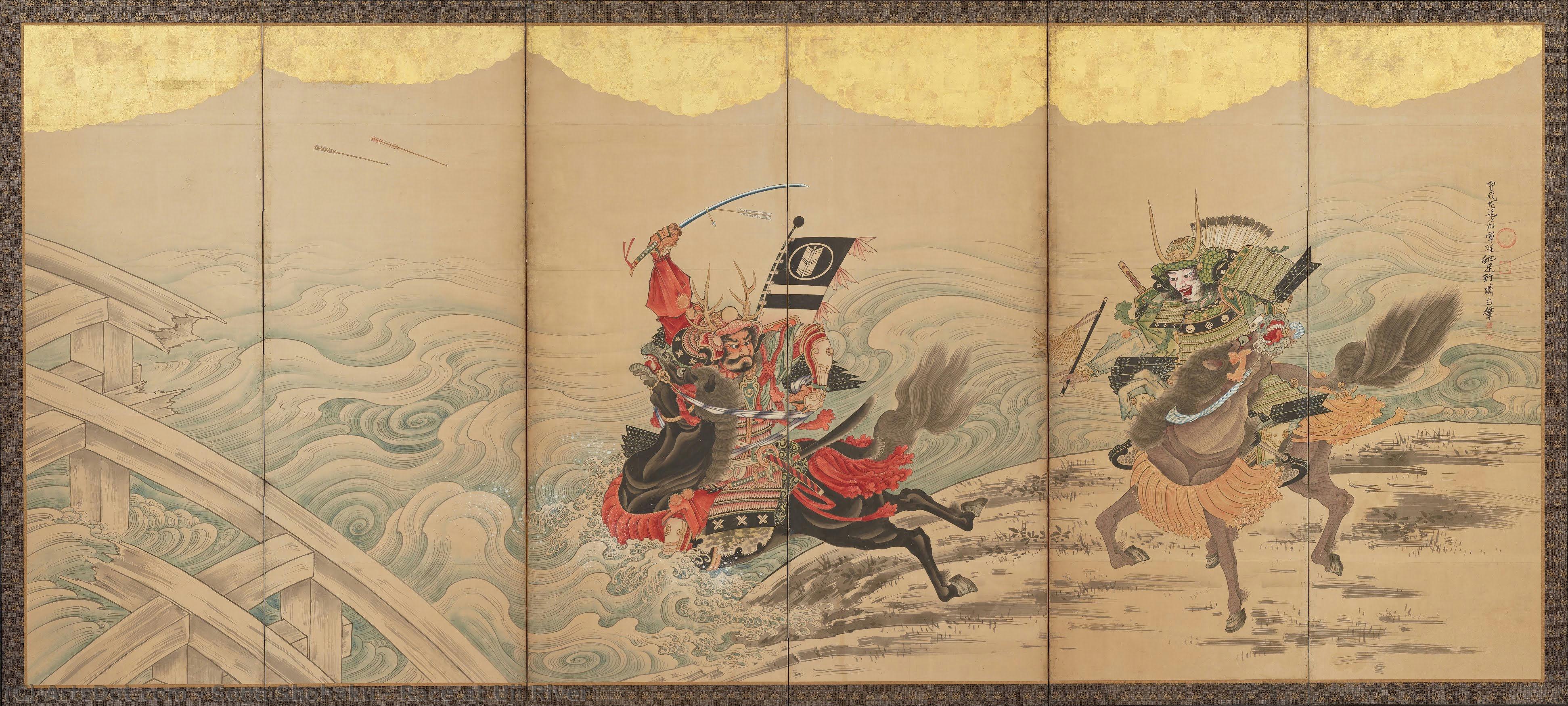
Race at Uji River


 Leer más
Adquiera una imagen digital de alta resolución y optimizada, muy superior a la vista previa en línea.
Cada archivo es preparado meticulosamente por nuestros especialistas internos mediante el uso de herramientas avanzadas y un experto retoque manual. Nos aseguramos de que cada imagen posea una claridad excepcional, una precisión cromática impecable y un detalle minucioso.
El archivo final se entrega por correo electrónico en un plazo de 72 horas, optimizado para su uso inmediato en entornos profesionales, editoriales y de impresión. Esta es la misma calidad en la que confían los estudios de diseño, las editoriales y las galerías de primer nivel.
Imagen Digital
Descarga un archivo de alta resolución para exhibición personal, impresión y proyectos creativos. ( Pedir impresión Encargar reproducción pintada a mano)
Incluido en cada compra de imágenes digitales
Entrega digital experta, garantizada.
Al elegir OriginalUniqueArt.com, no solo está adquiriendo una imagen; está recibiendo una obra de arte digital mejorada profesionalmente, elaborada con precisión y respaldada por una garantía de satisfacción. Esto es todo lo que incluye su pedido, automáticamente:

Entrega rápida por email
Recibirá su archivo de imagen digital en alta resolución por correo electrónico en un plazo de 72 horas tras realizar su pedido, listo para su uso inmediato.

Archivo digital optimizado por IA
Su obra de arte se optimiza profesionalmente mediante herramientas avanzadas de IA y edición manual, garantizando el máximo detalle, claridad y precisión cromática.

Reenvío gratuito de por vida
¿Has borrado o perdido tu archivo por error? No te preocupes: te lo volveremos a enviar en cualquier momento, sin coste adicional.

Sin gastos de importación, siempre
Disfrute de su obra de arte al instante sin aduanas, aranceles ni gastos de envío; las descargas digitales siempre están libres de impuestos.

Garantía de precisión de color
Garantizamos que su imagen digital refleje los colores originales con la mayor fidelidad posible, mediante el uso de herramientas profesionales y gestión del color.

Garantía de satisfacción de 60 días
Si no está satisfecho con su imagen digital, la revisaremos o le reembolsaremos el 100% en un plazo de 60 días, sin preguntas.

100% Garantía de devolución de dinero
¿No está satisfecho? Obtenga un reembolso completo dentro de los 60 días posteriores a la recepción de su archivo digital, sin necesidad de explicaciones.

Descuentos por volumen
Compra 3 imágenes, ahorra 10% - Compra 5, ahorra 15% - Compra 10+, ahorra 20%. Ideal para proyectos creativos, galerías y agencias.
Descripción del coleccionable
A Masterpiece of Motion and Deception
In the swirling, turbulent currents of the Uji River, a moment of profound historical drama is frozen in time through the eccentric genius of Soga Shōhaku. This rare polychromatic screen serves as a breathtaking window into the 14th-century war epic, The Tale of the Heike, capturing a high-stakes race that is as much about psychological warfare as it is about physical prowess. As the viewer’s eye traverses the churning waters, they are thrust into the heart of a legendary competition between the warriors Kagesue and Takatsuna. The scene is thick with tension; the destruction of the bridge has turned the river into a treacherous obstacle, transforming a simple crossing into a desperate struggle for honor and glory.
The brilliance of Shōhaku lies in his ability to weave narrative complexity into a single, dynamic composition. While the surface of the painting depicts the frantic energy of riders navigating the riverbank, there is a deeper, more sinister layer of storytelling at play. The artist masterfully illustrates the moment of betrayal: Takatsuna, draped in green, employs a cunning trick to unseat his rival, Kagesue. Through subtle shifts in posture and the placement of figures, Shōhaku guides us through this deceptive maneuver, making the viewer an accomplice to the trickery. It is a work that demands close inspection, rewarding those who look past the splashing water to find the quiet, calculating malice beneath the surface.
The Grotesque Beauty of the Eccentric Style
Soga Shōhaku was a true iconoclast of the Edo period, an artist who looked backward to the Muromachi style to forge a path that was entirely his own. This particular work is a pinnacle of his "pictorial grotesquerie," a term used to describe his fascination with the distorted, the exaggerated, and the uncanny. Unlike the polished, serene aesthetics favored by many of his contemporaries, Shōhaku embraced a rugged, almost unsettling energy. This is most strikingly realized in the depiction of Takatsuna’s horse, Ikezumi, whose fangs are rendered with a terrifying, predatory detail that suggests the animal itself is part of the unfolding chaos.
The technique employed in this polychromatic screen is nothing short of extraordinary. The use of color is vibrant yet controlled, providing a rich texture to the horses' coats and the flowing garments of the riders. Shōhaku’s brushwork possesses a rhythmic vitality; one can almost feel the spray of the river and the thundering hooves against the earth. For the collector or interior designer, this piece offers more than just visual beauty; it provides a profound sense of movement and character. The contrast between the pale, mask-like face of Takatsuna and the wild, untamed elements of the landscape creates a psychological depth that makes the artwork feel alive, making it an unforgettable centerpiece for any sophisticated collection.
An Eternal Legacy for the Discerning Collector
Owning a reproduction of such a significant historical work allows one to bring the spirit of Japanese legend into a modern living space. The Race at Uji River is not merely a depiction of a battle; it is an exploration of human nature—the duality of bravery and deceit, the chaos of war, and the triumph of wit. Its presence in a room commands attention, acting as a conversation piece that bridges the gap between 18th-century Japanese artistry and contemporary aesthetic appreciation.
For those seeking to curate an environment filled with narrative depth and historical resonance, this artwork offers unparalleled inspiration. The dramatic interplay of light, color, and motion provides a focal point that can anchor a room, whether paired with minimalist modern decor or more traditional, classical furnishings. To display this piece is to celebrate the enduring power of the "eccentric" spirit—a reminder that true art lies in the courage to defy convention and capture the beautiful, the strange, and the unforgettable.
Biografía del artista
Soga Shōhaku (1730–1781): A Rebel Against Tradition
Soga Shōhaku, a japanese painter from the edo period (1730-1781), defied conventions with his unique brush style, reminiscent of the muromachi period, which was already 150 years out of vogue by the time of his birth. This distinctive approach set him apart from his contemporaries and cemented his place as one of the most intriguing figures in Edo art history. Despite a tragically short life—he died at just 52—Shōhaku’s artistic legacy continues to inspire admiration for its boldness and originality.Early Life and Artistic Training
Miura Sakonjirō, Shōhaku's birth name, was born in Kyoto around 1730 into a wealthy merchant family. Sadly, all of his immediate family members perished before he reached adolescence, leaving him orphaned at a young age. Determined to forge a path as an artist, he embarked on intensive training under Takada Keiho, a master of the Kanō School—a prestigious institution that championed Chinese artistic techniques and subject matter. This formative experience instilled in him a deep appreciation for the stylistic conventions of his time while simultaneously fueling a desire to transcend them. His studies encompassed both the Kanō School’s established methods and those of the Unkoku School, reflecting a nuanced understanding of artistic tradition.The Influence of Soga Jasoku and Embracing Muromachi Style
Shōhaku's artistic trajectory took an unexpected turn when he encountered the work of Soga Jasoku—another artist who had championed the Muromachi period’s aesthetic. Unlike many of his peers who adhered to the prevailing stylistic norms, Shōhaku deliberately rejected the grandeur and formality favored by the Kanō School, opting instead for a more restrained approach rooted in the expressive dynamism of earlier masters. This decision wasn't merely stylistic; it represented a profound philosophical commitment to honoring artistic heritage while simultaneously pushing boundaries. He famously declared himself Jasoku ken (“the tenth”), signifying his devotion to Soga Jasoku’s legacy and establishing himself as an independent voice within the art world.Notable Works: A Visionary Expression
Shōhaku's oeuvre is characterized by a remarkable range of subjects—from monumental landscapes to intimate portraits—each imbued with a distinctive visual vocabulary that defies easy categorization. Among his most celebrated paintings are “Race at Uji River,” a polychromatic screen depicting a pivotal episode from the Warring States epic "The Tale of Genji," and “The Immortal Li Tieguai,” a captivating depiction of one of China’s Eight Immortals—a testament to Shōhaku's ability to convey complex narratives through masterful brushwork. His paintings frequently incorporate grotesque imagery, reflecting his fascination with the darker side of human experience and challenging conventional notions of beauty. Particularly noteworthy is “Nansen Cuts the Cat in Two,” a striking composition that exemplifies Shōhaku’s signature haboku technique—a method of ink monochrome painting characterized by broad strokes and atmospheric perspective.A Singular Vision: Philosophical Roots and Legacy
Shōhaku's artistic vision was profoundly shaped by Confucian and Zen philosophies, particularly Yangmingism—which valued “strangeness” and “madness.” This intellectual framework informed his approach to art, encouraging him to embrace unconventional stylistic choices and explore themes that resonated with spiritual contemplation. His willingness to depict prominent figures as vulgar characters—a daring gesture for the time—underscored his commitment to artistic integrity and challenged prevailing social conventions. Shōhaku’s influence extended beyond his own lifetime, inspiring subsequent generations of artists who sought to emulate his distinctive style and philosophical outlook. He remains a symbol of artistic rebellion against tradition and an enduring testament to the power of imagination and emotional expression. His work continues to captivate viewers today, prompting reflection on the relationship between art, spirituality, and human experience.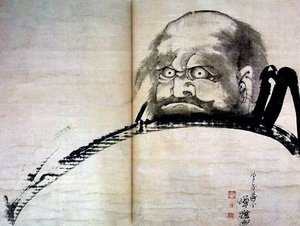
Soga Shōhaku
1730 - 1781 , Japón
Datos clave
- Artistic Movement Or Style: Estilo Muromachi
- Artists Or Movements Influenced By This Artist: ['Bunjinga']
- Artists Who Influenced This Artist: ['Takada Keiho']
- Date Of Birth: Kyoto, Japón
- Full Name: Soga Shōhaku
- Nationality: Japonés
- Notable Artworks:
- Race at Uji River
- El inmortal Li Tieguai
- Place Of Birth: Kyoto

