
 Vista previa
 Compartir
 Compartir
 Ver detalles

 Descargar
 Ver similares
 Radiografía
 Presentación de diapositivas
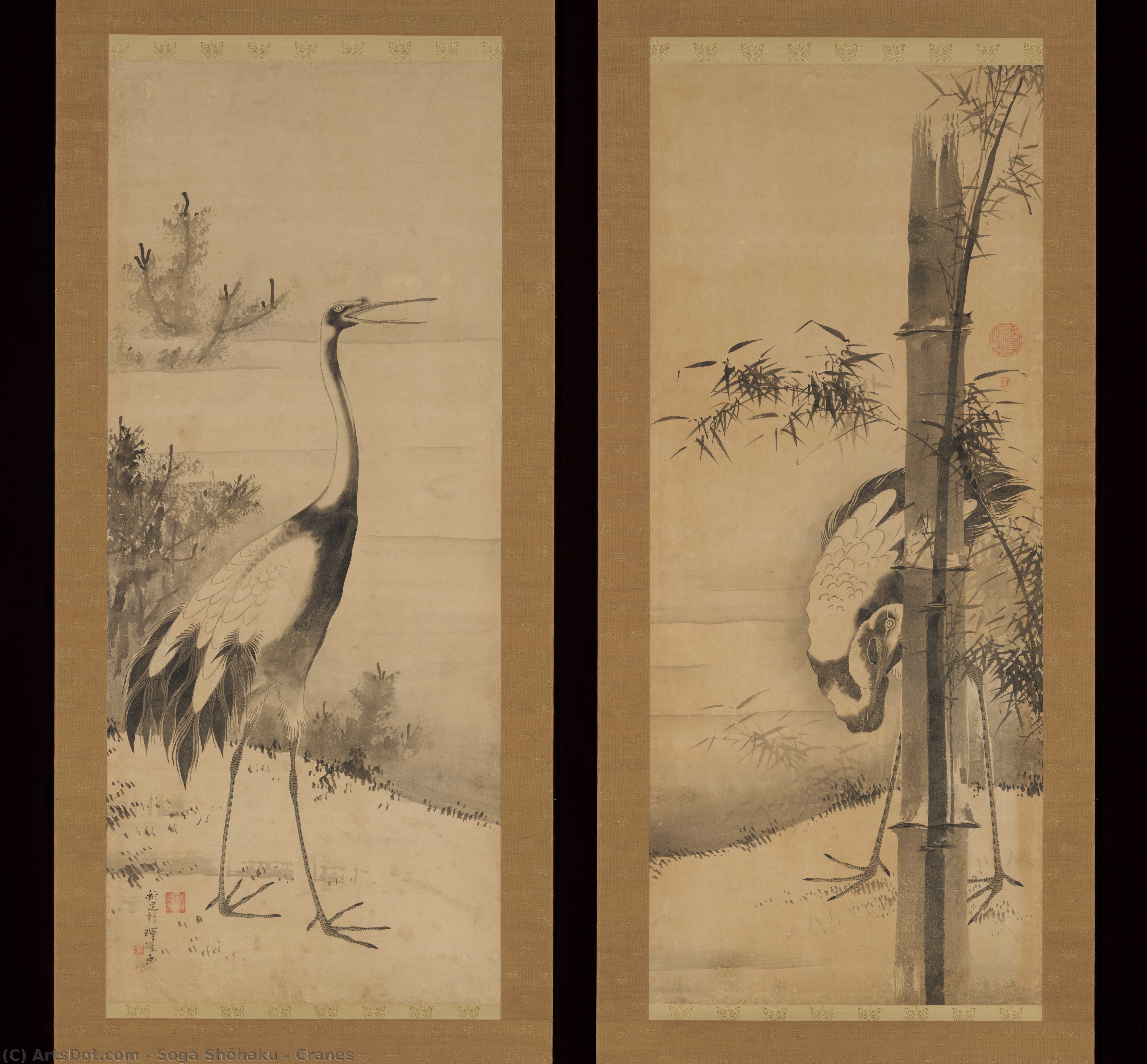
Cranes
 Muromachi Period”
 1760
1760 134.0 x 56.0 cm
 Leer más
Reproducción al óleo hecha a mano
Óleo sobre lienzo pintado a mano en el tamaño y marco de su elección, realizado por encargo por nuestros artistas. ( Cambiar a impresión Cambiar a imagen)




































Elija entre nuestros tamaños predefinidos que respetan las proporciones originales de la obra.

Puede ingresar sus propias dimensiones para adaptarse a un marco o espacio específico. Si el tamaño seleccionado no coincide con las proporciones de la imagen original, recortaremos la obra o extenderemos la pintura con elementos adicionales pintados a mano. Se le enviará una maqueta digital para su aprobación antes de comenzar la producción.
Tenga en cuenta que la vista previa en pantalla no refleja el recorte o la extensión reales. Solo la maqueta mostrará con precisión la composición final.
Si bien existen tamaños personalizados, recomendamos seleccionar una dimensión de la lista predefinida para preservar las proporciones originales.
Tras realizar el pedido, el equipo de OriginalUniqueArt.com enviará un correo electrónico al cliente para solicitar instrucciones y proporcionarle una vista previa del boceto.
Envío a todo el mundo () en 3-4 semanas en lugar de las 5 semanas estándar. (10 agosto). Sin comprometer la calidad.

Envío exprés gratuito a todo el mundo

Lienzo de lino de alta calidad

Seguro de envío completo

Garantía de reembolso de aranceles aduaneros

Garantía de fidelidad cromática exacta

Política de devolución de 60 días (solo por defectos)

Garantía de devolución del 100% del dinero

Oferta por volumen
 La opción de vidrio solo está disponible en tamaños inferiores a 110 cm.

Cranes
Técnica de reproducción
Tamaño de la reproducción
-


Precio total
$ 300
Descripción de la obra
Biografía del artista
Soga Shōhaku (1730–1781): A Rebel Against Tradition
Soga Shōhaku, a japanese painter from the edo period (1730-1781), defied conventions with his unique brush style, reminiscent of the muromachi period, which was already 150 years out of vogue by the time of his birth. This distinctive approach set him apart from his contemporaries and cemented his place as one of the most intriguing figures in Edo art history. Despite a tragically short life—he died at just 52—Shōhaku’s artistic legacy continues to inspire admiration for its boldness and originality.Early Life and Artistic Training
Miura Sakonjirō, Shōhaku's birth name, was born in Kyoto around 1730 into a wealthy merchant family. Sadly, all of his immediate family members perished before he reached adolescence, leaving him orphaned at a young age. Determined to forge a path as an artist, he embarked on intensive training under Takada Keiho, a master of the Kanō School—a prestigious institution that championed Chinese artistic techniques and subject matter. This formative experience instilled in him a deep appreciation for the stylistic conventions of his time while simultaneously fueling a desire to transcend them. His studies encompassed both the Kanō School’s established methods and those of the Unkoku School, reflecting a nuanced understanding of artistic tradition.The Influence of Soga Jasoku and Embracing Muromachi Style
Shōhaku's artistic trajectory took an unexpected turn when he encountered the work of Soga Jasoku—another artist who had championed the Muromachi period’s aesthetic. Unlike many of his peers who adhered to the prevailing stylistic norms, Shōhaku deliberately rejected the grandeur and formality favored by the Kanō School, opting instead for a more restrained approach rooted in the expressive dynamism of earlier masters. This decision wasn't merely stylistic; it represented a profound philosophical commitment to honoring artistic heritage while simultaneously pushing boundaries. He famously declared himself Jasoku ken (“the tenth”), signifying his devotion to Soga Jasoku’s legacy and establishing himself as an independent voice within the art world.Notable Works: A Visionary Expression
Shōhaku's oeuvre is characterized by a remarkable range of subjects—from monumental landscapes to intimate portraits—each imbued with a distinctive visual vocabulary that defies easy categorization. Among his most celebrated paintings are “Race at Uji River,” a polychromatic screen depicting a pivotal episode from the Warring States epic "The Tale of Genji," and “The Immortal Li Tieguai,” a captivating depiction of one of China’s Eight Immortals—a testament to Shōhaku's ability to convey complex narratives through masterful brushwork. His paintings frequently incorporate grotesque imagery, reflecting his fascination with the darker side of human experience and challenging conventional notions of beauty. Particularly noteworthy is “Nansen Cuts the Cat in Two,” a striking composition that exemplifies Shōhaku’s signature haboku technique—a method of ink monochrome painting characterized by broad strokes and atmospheric perspective.A Singular Vision: Philosophical Roots and Legacy
Shōhaku's artistic vision was profoundly shaped by Confucian and Zen philosophies, particularly Yangmingism—which valued “strangeness” and “madness.” This intellectual framework informed his approach to art, encouraging him to embrace unconventional stylistic choices and explore themes that resonated with spiritual contemplation. His willingness to depict prominent figures as vulgar characters—a daring gesture for the time—underscored his commitment to artistic integrity and challenged prevailing social conventions. Shōhaku’s influence extended beyond his own lifetime, inspiring subsequent generations of artists who sought to emulate his distinctive style and philosophical outlook. He remains a symbol of artistic rebellion against tradition and an enduring testament to the power of imagination and emotional expression. His work continues to captivate viewers today, prompting reflection on the relationship between art, spirituality, and human experience.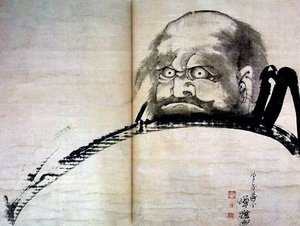
Soga Shōhaku
1730 - 1781 , Japón
Datos clave
- Artistic Movement Or Style: Estilo Muromachi
- Artists Or Movements Influenced By This Artist: ['Bunjinga']
- Artists Who Influenced This Artist: ['Takada Keiho']
- Date Of Birth: Kyoto, Japón
- Full Name: Soga Shōhaku
- Nationality: Japonés
- Notable Artworks:
- Race at Uji River
- El inmortal Li Tieguai
- Place Of Birth: Kyoto
Artículos relacionados

Katsushika Hokusai: Las 25 Obras Maestras del Ukiyo-e que Transformaron el Arte Japonés | OriginalUniqueArt
Descubre las 25 obras maestras de Katsushika Hokusai, el genio del ukiyo-e. Explora 'La Gran Ola', paisajes japoneses y su impacto en el arte moderno. Reproducciones de alta calidad para tu hogar en OriginalUniqueArt.com.
The Alchemy of Ink: Mastering the Timeless Beauty and Art History of Paper and Brush
Embark on a sophisticated exploration of ink wash painting and Sumi-e. Uncover the profound historical lineages, Zen philosophies, and technical mastery behind this timeless medium in our authoritative guide for fine art enthusiasts.

Ephemeral Expressions: Exploring the Nuances of Ink on Paper Through History & Contemporary Art
Explore the captivating world of ink wash painting – from its ancient origins to contemporary masters. Discover techniques, symbolism & conservation insights with OriginalUniqueArt.com.
Floating World: The Captivating Art and Legacy of Japanese Ukiyo-e
Explore the profound beauty of Japanese Ukiyo-e. Discover the history, masters like Hokusai, and the enduring legacy of the 'Floating World' through an expert art-historical lens.
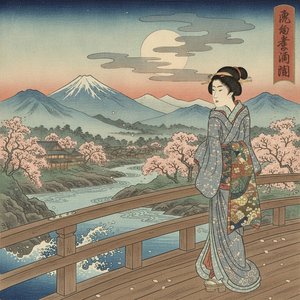
Ukiyo-e's Greatest Hits: 10 Masterpieces That Shaped a Movement | OriginalUniqueArt
Journey into Japan's 'Floating World'! Explore 10 Ukiyo-e masterpieces by Hokusai, Hiroshige & more. Discover the stories behind these iconic woodblock prints and bring timeless Japanese art to your home with OriginalUniqueArt.com. Explore the full collection online.


