

 Vista previa
 Compartir
 Compartir
 Ver detalles
 Guía
Guía

 Descargar
 Ver artículos similares
 Radiografía
 Presentación de diapositivas
 Estadísticas
Thomas Hamilton (1784–1858), RSA
 Oil On Canvas
- WallArt
- 19th-century British Portraiture
 76.0 x 63.0 cm
 Real Academia Escocesa de Arte - Arquitectura
 Leer más
Adquiera una imagen digital de alta resolución y optimizada, muy superior a la vista previa en línea.
Cada archivo es preparado meticulosamente por nuestros especialistas internos mediante el uso de herramientas avanzadas y un experto retoque manual. Nos aseguramos de que cada imagen posea una claridad excepcional, una precisión cromática impecable y un detalle minucioso.
El archivo final se entrega por correo electrónico en un plazo de 72 horas, optimizado para su uso inmediato en entornos profesionales, editoriales y de impresión. Esta es la misma calidad en la que confían los estudios de diseño, las editoriales y las galerías de primer nivel.
Imagen Digital
Descarga un archivo de alta resolución para exhibición personal, impresión y proyectos creativos. ( Cambiar a formato impreso Encargar reproducción pintada a mano)
Incluido en cada pedido de imágenes digitales
Entrega digital experta, garantizada.
Al elegir OriginalUniqueArt.com, no solo está adquiriendo una imagen; está recibiendo una obra de arte digital mejorada profesionalmente, elaborada con precisión y respaldada por una garantía de satisfacción. Esto es todo lo que incluye su pedido, automáticamente:

Entrega inmediata por email
Recibirá su archivo de imagen digital en alta resolución por correo electrónico en un plazo de 72 horas tras realizar su pedido, listo para su uso inmediato.

Archivo digital optimizado por IA
Su obra de arte se optimiza profesionalmente mediante herramientas avanzadas de IA y edición manual, garantizando el máximo detalle, claridad y precisión cromática.

Reenvío gratuito de por vida
¿Has borrado o perdido tu archivo por error? No te preocupes: te lo volveremos a enviar en cualquier momento, sin coste adicional.

Sin gastos de importación, siempre
Disfrute de su obra de arte al instante sin aduanas, aranceles ni gastos de envío; las descargas digitales siempre están libres de impuestos.

Garantía de precisión de color
Garantizamos que su imagen digital refleje los colores originales con la mayor fidelidad posible, mediante el uso de herramientas profesionales y gestión del color.

Garantía de satisfacción de 100 días
Si no está satisfecho con su imagen digital, la revisaremos o le reembolsaremos el 100% en un plazo de 100 días, sin preguntas.

100% Garantía de devolución de dinero
¿No está satisfecho? Obtenga un reembolso completo dentro de los 100 días posteriores a la recepción de su archivo digital, sin preguntas.

Descuentos por volumen
Compra 3 imágenes, ahorra 10% - Compra 5, ahorra 15% - Compra 10+, ahorra 20%. Ideal para proyectos creativos, galerías y agencias.
Thomas Hamilton (1784–1858), RSA – A Portrait of Dignified Authority
Sir William Nicholson’s “Thomas Hamilton (1784–1858), RSA” is more than a mere likeness; it's a carefully constructed tableau of 19th-century British identity, imbued with the quiet strength and measured intellect of its subject. Painted in 1863, this three-quarter portrait captures Thomas Hamilton, a prominent figure in Scottish society – a judge, advocate, and respected member of the Royal Society of Edinburgh – presenting an image of established authority and understated elegance. Nicholson’s masterful handling of light, shadow, and texture elevates the painting beyond a simple representation, transforming it into a compelling study of character and social standing.
The composition immediately draws the eye to Hamilton's face, rendered with remarkable sensitivity. Nicholson skillfully employs subtle gradations of tone – from the warm flesh tones of his neck and hands to the darker hues of his hair and clothing – creating a sense of depth and volume that breathes life into the portrait. The arrangement is deliberately formal, echoing the conventions of official portraits of the era, yet infused with a touch of intimacy through the direct gaze exchanged with the viewer. The slightly off-center positioning subtly directs attention to Hamilton’s face while simultaneously providing context for his social role.
A Palette of Restraint and Distinction
Nicholson's color palette is deliberately restrained, dominated by deep browns, grays, and blacks – a hallmark of the mid-19th century British artistic tradition. These somber tones are expertly contrasted with the warmer hues of Hamilton’s skin and clothing, creating a visual harmony that speaks to both his status and his inherent dignity. The crisp white collar provides a striking focal point, acting as a beacon against the darker background and emphasizing the formality of the occasion. The careful layering of paint—evident in the smooth transitions between tones—demonstrates Nicholson’s refined technique and commitment to realism.
The use of lines is equally deliberate. Sharp outlines define Hamilton's features, clothing, and hair, lending a sense of structure and clarity to the composition. However, these lines are softened through subtle blending and shading, preventing the portrait from feeling overly rigid or artificial. The waistcoat’s structured form contrasts with the softer curves of his face and neck, creating an interesting interplay between order and organic form.
Historical Context and Artistic Influences
“Thomas Hamilton (1784–1858), RSA” is firmly rooted in the artistic conventions of Victorian Britain. Nicholson’s work reflects a broader trend towards realism and psychological depth, moving away from the idealized representations of earlier eras. The portrait draws inspiration from the works of Sir Joshua Reynolds, whose emphasis on capturing likeness and conveying character profoundly influenced Nicholson's approach. Furthermore, the painting aligns with the Royal Scottish Academy’s commitment to portraying prominent figures in Scottish society – a tradition that celebrated both individual achievement and national identity.
Interestingly, this portrait emerged during a period of significant social and political change in Britain. The Industrial Revolution was transforming the country's economy and society, leading to new forms of wealth and power. Hamilton’s position as a judge and advocate reflects the growing importance of law and order in this rapidly changing world. The painting can be interpreted as a visual testament to the enduring values of tradition, integrity, and social responsibility.
Symbolism and Emotional Resonance
While outwardly formal, “Thomas Hamilton (1784–1858), RSA” subtly conveys a sense of quiet confidence and intellectual depth. Hamilton’s composed expression – his direct gaze and slightly raised eyebrows – suggests both intelligence and authority. The portrait speaks to the dignity of his position and the weight of responsibility he carried as a judge and advocate. The painting's subdued palette and carefully controlled composition contribute to its overall sense of gravitas, inviting viewers to contemplate the complexities of Hamilton’s character and the broader social context in which he lived.
Ultimately, Nicholson’s portrait is not merely a depiction of a man; it’s an exploration of identity, status, and the enduring values of Victorian Britain. A high-quality reproduction captures this essence beautifully, offering a timeless glimpse into a pivotal moment in Scottish history and artistic achievement.
Biografía del artista
Primeros años y formación
Sir William Newzam Prior Nicholson, un reconocido pintor británico, nació el 5 de febrero de 1872 en Newark-on-Trent. Era el hijo menor de William Newzam Nicholson, un industrial y diputado conservador, y su esposa Annie Elizabeth Prior. Desde los nueve años, Nicholson asistió a la Escuela Gramática Magnus, donde recibió clases de arte de William Cubley, pintor y político.Carrera artística
La carrera artística de Nicholson puede dividirse en varias fases, cada una marcada por un estilo y medio único. En sus primeros veinte años, colaboró con su cuñado James Pryde en el diseño de carteles y trabajos gráficos, produciendo carteles innovadores que mostraban la audacia de sus contornos y la simplicidad de su tratamiento.- La asociación Beggarstaff (1893-1898): La colaboración de Nicholson con James Pryde dio como resultado una serie de carteles revolucionarios, incluyendo Don Quijote (1895) y Harper's Magazine (1895).
- Xilografía y grabado en madera (1900s): Nicholson evolucionó a partir de los carteles, desarrollando un estilo personal que explotó a través de las técnicas de xilografía y grabado en madera.
- Pintura (1910s): Se concentró en la pintura, animado por Whistler, y expuso por primera vez como pintor en la Sociedad Internacional.
Obras notables y exposiciones
Algunas de las obras más destacadas de Nicholson incluyen:- Lady in Furs, Mme. P. (c.1907), un retrato que muestra su dominio para capturar la esencia de sus sujetos.
- The Lowestoft Bowl (1911), una pintura de bodegón que demuestra su atención al detalle y el uso del color.
- Estudio para 'Plaza de Toros, Málaga' (1935), un paisaje que destaca su capacidad para capturar la atmósfera de un lugar.
Influencias y desarrollo artístico
Nicholson recibió una fuerte influencia de Whistler, quien lo animó en sus primeros años como artista. Su estilo evolucionó a través de varias etapas: desde los carteles gráficos con Pryde bajo el seudónimo Beggarstaff, hasta las detalladas xilografías y finalmente a la pintura de retratos, bodegones y paisajes. Su trabajo refleja una búsqueda constante de simplicidad y elegancia, caracterizada por líneas claras, colores sutiles y una atención meticulosa al detalle. La influencia de Whistler es evidente en su enfoque del retrato, buscando capturar no solo la apariencia física sino también la personalidad y el carácter del sujeto.Legado e importancia histórica
Las obras de Nicholson se encuentran en varios museos importantes, incluyendo la Tate Britain y las Galerías Nacionales de Escocia. Su contribución al arte gráfico británico a finales del siglo XIX y principios del XX es significativa, especialmente su trabajo con Pryde como Beggarstaff, que influyó en el diseño de carteles modernos. Además, sus retratos de figuras prominentes de la época ofrecen una valiosa documentación visual de la sociedad británica durante ese período. Su habilidad para combinar técnicas tradicionales con un estilo moderno lo convierte en una figura importante en la historia del arte británico.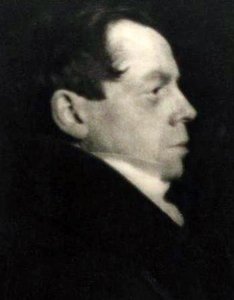
Sir William Nicholson
1872 - 1949 , Reino Unido
Datos clave
- Estilo Artístico: Modernismo, Postimpresionismo
- Fecha De Fallecimiento: 16 de mayo de 1949
- Fecha De Nacimiento: 5 de febrero de 1872
- Influencias Artísticas: ['Whistler']
- Lugar De Nacimiento: Newark, Reino Unido
- Nacionalidad: Británico
- Nombre Completo: Sir William Newzam Prior Nicholson
- Obras Notables:
- Lady in Furs, Mme. P.
- The Lowestoft Bowl
- Study for 'Plaza de Toros'