Vista previa
 Compartir
 Compartir
 Ver detalles
 Guía
Guía

 Descargar
 Ver artículos similares
 Radiografía
 Presentación de diapositivas
 Estadísticas
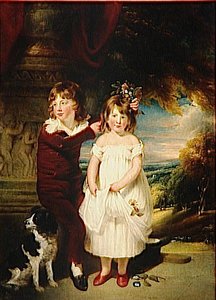
Thomas Collins
 Óleo sobre lienzo
- Arte de pared
- Neoclassical Style
 1820
1820 125.0 x 101.0 cm
 Centro de Archivos del Ayuntamiento de Westminster
 Leer más
Giclée / Impresión de arte
Impresiones giclée o en lienzo de calidad de museo con producción rápida y opciones de acabado flexibles. ( Encargar reproducción pintada a mano Ver versión en imagen digital)




P118B €10

P118H €10

P118W €10

P438Z €10

P508JH €12

P508YH €12

P805H €10

P805Z €10

P919BZ €10

P919G €10

P919XJ €10

P959ZH €10

P968JZ €12

W106C €8

W218G €10

W218JH €8

W218Y €10

W307PJ €10

W316G €10

W316PJ €8

W316Y €10

W398PJ €8

W4111J €10

W500HY €15

W500JH €15

W692G €12

W849H €8

W940BG €15

W953PJ €8




Elija entre nuestros tamaños predefinidos que respetan las proporciones originales de la obra.

Introduzca el ancho y el alto que necesite para adaptarse a su marco o pared. Una impresión solo puede recortarse, nunca hacerse más grande que la imagen original, por lo que un tamaño con una forma distinta perderá parte de la obra. Le enviaremos una maqueta digital para su aprobación antes de realizar cualquier impresión. La imagen que se muestra en esta página no refleja el recorte real; solo la maqueta lo hace.
Envío a todo el mundo () en 2 semanas en lugar de las 4/5 semanas estándar. (24 octubre)

Envío exprés gratuito a todo el mundo

Lienzo de lino de alta calidad

Seguro de envío completo

Garantía de reembolso de impuestos aduaneros

Garantía de fidelidad cromática exacta

Política de devolución de 100 días (solo por defectos)

Garantía de devolución del 100% del dinero

Oferta por volumen
 La opción de vidrio solo está disponible en tamaños inferiores a 110 cm.

Thomas Collins
Giclée / Impresión de arte
Tamaño de la reproducción
-


Precio total
€ 70
Thomas Collins: Un Retrato de Dignidad y Reflexión en la Edad Dorada Británica
Este impresionante óleo sobre lienzo, creado por Sir William Beechey en 1820, captura una escena íntima pero cargada de significado dentro del ámbito artístico británico de principios del siglo XIX. Más que una simple representación física, *Thomas Collins* ofrece una ventana a la sociedad aristocrática y intelectual de la época, reflejada en la postura estudiada del sujeto y el entorno cuidadosamente elaborado.- El Sujeto: El retrato presenta a un hombre vestido con traje y corbata, sentado en una silla frente a una mesa cubierta de papeles. La expresión facial del personaje transmite una mezcla de determinación y concentración, cualidades que evocan la figura del intelectual y el hombre de negocios de la época.
- Estilo Neoclásico Elegante: Beechey empleó un estilo neoclásico caracterizado por líneas limpias y proporciones armoniosas, siguiendo las tendencias dominantes en la pintura británica durante ese período. Esta estética buscaba transmitir nobleza y equilibrio, valores fundamentales para la representación de figuras importantes.
- Técnica Óleo Sobre Lienzo: La maestría técnica del artista se manifiesta en el uso del óleo sobre lienzo, una metodología que permite lograr colores ricos y profundos, así como detalles minuciosos que capturan la textura del tejido y la iluminación suave. Esta elección artística reflejaba las habilidades más avanzadas disponibles en ese momento.
- Contexto Histórico: *Thomas Collins* fue pintado durante el reinado de Jorge IV, una época marcada por estabilidad política y prosperidad económica, pero también por cambios sociales significativos impulsados por la Revolución Industrial. El retrato refleja esta complejidad histórica, ofreciendo un testimonio visual del espíritu de la época.
- Simbolismo: La disposición de los papeles sobre la mesa puede interpretarse como símbolo del pensamiento crítico y el trabajo intelectual, valores asociados con la Ilustración y que influyeron en la cultura artística y filosófica británica. Además, la iluminación suave crea una atmósfera de calma y reflexión, invitando al espectador a contemplar la imagen con atención y sensibilidad.
Preguntas y respuestas
¿En qué tamaño se recomienda imprimir "Thomas Collins"?
Se recomienda imprimir "Thomas Collins" en un tamaño de Grande. Otros tamaños están disponibles con las mismas proporciones.
¿Qué estado de ánimo expresa "Thomas Collins" de Sir William Beechey dentro de Neoclassical Style?
La emoción Serenidad de "Thomas Collins" acompaña a su estilo Neoclassical Style.
¿Permaneció "Thomas Collins" en el país de origen de su artista?
Sí, la obra se encuentra en el país de origen del artista. "Thomas Collins" se encuentra en Reino Unido, mientras que Sir William Beechey nació en Reino Unido.
Biografía del artista
Primeros años y comienzos artísticos
Sir William Beechey, nacido el 12 de diciembre de 1753 en la pintoresca localidad de Burford, en Oxfordshire, emprendió una vida que lo convertiría en una figura prominente del retrato británico. Sus primeros años estuvieron marcados por la tragedia; ambos padres fallecieron cuando él aún era joven, dejando su crianza al cuidado de su tío, Samuel Beechey, un procurador. Aunque inicialmente estaba destinado a una carrera jurídica, el corazón del joven William latía en otro lugar: en el cautivador mundo del arte. A pesar de las aspiraciones de su tío, Beechey se sintió atraído por la pintura, una inclinación que finalmente lo llevó a Londres y a su ingreso en las Royal Academy Schools en 1772. Este fue un momento crucial, que lo situó en la órbita de artistas consagrados y preparó el escenario para su desarrollo artístico. Es probable que su formación inicial se beneficiara de la guía de Johan Zoffany, aunque las pruebas concretas son escasas, moldeando su estilo temprano hacia retratos de cuerpo entero a pequeña escala y escenas íntimas que recordaban a la propia obra de Zoffany.Una estrella en ascenso: Norwich y Londres
La trayectoria artística de Beechey lo llevó a Norwich en 1782, donde logró establecerse como retratista entre la aristocracia de la región. Consiguió encargos para retratar a figuras prominentes como John Wodehouse y, notablemente, contribuyó con cuatro obras a la colección de retratos cívicos del St Andrew’s Hall, un testimonio de su creciente reputación. Sin embargo, el llamado de Londres fue irresistible y en 1787 regresó a la capital, decidido a dejar su huella en un escenario mayor. A finales de la década de 1780, Beechey ganó reconocimiento de manera constante, exhibiendo obras que demostraban su habilidad en desarrollo y una técnica refinada. Un punto de inflexión llegó con su retrato de John Douglas, obispo de Carlisle, exhibido en 1789; una obra que captó una atención considerable y consolidó su posición en la escena artística londinense. Navegó con destreza las convenciones de la época, inspirándose en maestros como Joshua Reynolds mientras forjaba un estilo único y propio.Patrocinio real y reconocimiento nacional
El año 1793 resultó transformador para Beecheeechy. Gracias a un giro fortuito de los acontecimientos —un modelo descontento que llevó su retrato a la atención del rey Jorge III y la reina Carlota—, Beechey fue nombrado pintor oficial de retratos de la reina Carlota. Este respaldo real lo catapultó a los niveles más altos de la sociedad artística, abriendo las puertas a un flujo constante de prestigiosos encargos. Ese mismo año fue elegido miembro asociado de la Royal Academy, consolidando aún más su estatus. El año siguiente trajo un clamor aún mayor; en 1798, pintó George III and the Prince of Wales Reviewing Troops, una composición a gran escala que le valió un título de caballero y la membresía completa de la Royal Academy. Aunque esta obra se perdió trágicamente en el incendio del Castillo de Windsor en 1992, ejemplificaba la capacidad de Beechey para abordar grandes escenas históricas junto a su retratística más íntima. Su éxito durante este periodo no fue meramente artístico; estaba profundamente entrelazado con el panorama social y político de Gran Bretaña, reflejando un creciente orgullo nacional y una floreciente cultura aristocrática.Estilo, legado e influencia perdurable
El estilo de Beechey se caracteriza por su elegancia refinada, una coloración sutil y una meticulosa atención al detalle. Favorecía composiciones neoclásicas, representando a menudo a sus modelos en poses gráciles que evocaban la escultura clásica. Aunque no fue un innovador radical como algunos de sus contemporáees —como Thomas Lawrence—, su calidad constante y su capacidad para capturar el parecido y el carácter de sus sujetos le valieron un amplio reconocimiento. Sus retratos poseen una dignidad contenida, evitando el drama excesivo o los adornos extravagantes. Este enfoque resultó particularmente atractivo para la familia real y las clases altas, que valoraban el decoro y la elegancia sobria. A pesar de algunas críticas lanzadas por Samuel Redgrave en 1890 —quien consideró que la obra de Beechey carecía de gracia y que sus drapeados eran algo toscos—, Beechey mantuvo una posición respetable entre los retratistas británicos. Sus obras siguen siendo celebradas por su destreza técnica y sus retratos perspicaces de figuras prominentes de finales del siglo XVIII y principios del XIX, incluyendo a Lord Nelson, John Kemble y Sarah Siddons. Su legado perdura no solo a través de sus pinturas, sino también como un testimonio del poder imperecedero del retrato para capturar el espíritu de una era.Familia y otras contribuciones
La vida personal de Beechey estuvo marcada tanto por la alegría como por la tristeza. Se casó con Mary Ann Jones en 1778 y, tras su muerte, contrajo matrimonio con Anne Phyllis Jessop, una exitosa pintora de miniaturas, en 1793. De estas uniones nacieron varios hijos que también siguieron carreras artísticas. Sus hijos, Henry William Beechey —pintor y explorador— y Frederick William Beechey —oficial naval, geógrafo y escritor— continuaron la tradición familiar de emprendimiento creativo. La influencia de Beechey se extendió más allá de sus propias pinturas; era conocido por su generosidad hacia los artistas aspirantes, particularmente hacia John Constable, a quien sirvió como mentor. Se retiró a Hampstead en 1836, donde falleció en 1839, dejando tras de sí un rico legado artístico que continúa cautivando e inspirando. Sus contribuciones al arte británico siguen siendo significativas, ofreciendo visiones valiosas sobre las vidas y los tiempos de aquellos que dieron forma a la historia de la nación.
Sir William Beechey
1753 - 1839 , Reino Unido
Datos clave
- Artistas Influyentes:
- Joshua Reynolds
- Johan Zoffany
- Estilo Artístico: Retrato académico
- Fecha De Muerte: 28 de enero de 1839
- Fecha De Nacimiento: 12 de diciembre de 1753
- Lugar De Nacimiento: Burford, Reino Unido
- Nacionalidad: Británico
- Nombre Completo: Sir William Beechey
- Obras Notables:
- Retrato de la duquesa de York
- Jorge III y el príncipe de Gales
- Retrato del almirante Nelson
Artículos relacionados

El Legado Duradero del Óleo sobre Lienzo: Técnica, Historia y Práctica Contemporánea
Descubre la historia y técnica del óleo sobre lienzo. Explora reproducciones fieles hechas a mano, personalización artística y consejos de expertos con .

The Enduring Legacy of Oil on Canvas: Technique, History & Aesthetic Impact
Explore the rich history & techniques of oil painting – from Renaissance masters to Impressionism. Discover pigments, layering methods, and why this timeless medium endures. Expert insights for artists & art enthusiasts.

El Óleo sobre Lienzo: Historia, Técnica y la Persistencia de un Medio Artístico Atemporal
Descubre la historia y técnica del óleo sobre lienzo. Explora reproducciones fieles hechas a mano, personalización artística y consejos de expertos con OriginalUniqueArt. ¡Colecciona arte con confianza!
The Soul of Impressionism: Why Oil on Canvas Captures Eternal Light and Timeless Emotion
Discover the enchanting alchemy of Impressionism. Explore how the mastery of oil on canvas, through glazing and impasto, captures eternal light and emotion. Perfect for lovers of Monet and Van Gogh seeking the profound depth of hand-painted fine art.
Las 10 Obras Maestras al Óleo que Revolucionaron la Historia del Arte |
Descubre las 10 obras maestras al óleo que transformaron la historia del arte. Explora Van Gogh, Monet, Da Vinci y más. Reproducciones de alta calidad para decorar tu hogar con elegancia. ¡Encuentra tu obra favorita en !