Vista previa
 Compartir
 Compartir
 Ver detalles
 Guía
Guía

 Descargar
 Ver artículos similares
 Radiografía
 Presentación de diapositivas
 Estadísticas
George IV
 Oil On Canvas
- WallArt
- Regency Portraiture
 1822
1822- 19th Century
 271.0 x 179.0 cm
 The Wallace Collection
 Leer más
Reproducción al óleo hecha a mano
Óleo sobre lienzo pintado a mano en el tamaño y marco de su elección, realizado por encargo por nuestros artistas. ( Cambiar a formato impreso Ver versión en imagen digital)




P118B €10

P118H €10

P118W €10

P438Z €10

P508JH €12

P508YH €12

P805H €10

P805Z €10

P919BZ €10

P919G €10

P919XJ €10

P959ZH €10

P968JZ €12

W106C €8

W218G €10

W218JH €8

W218Y €10

W307PJ €10

W316G €10

W316PJ €8

W316Y €10

W398PJ €8

W4111J €10

W500HY €15

W500JH €15

W692G €12

W849H €8

W940BG €15

W953PJ €8




Elija entre nuestros tamaños predefinidos que respetan las proporciones originales de la obra.

Puede ingresar sus propias dimensiones para adaptarse a un marco o espacio específico. Si el tamaño seleccionado no coincide con las proporciones de la imagen original, recortaremos la obra o extenderemos la pintura con elementos adicionales pintados a mano. Se le enviará una maqueta digital para su aprobación antes de comenzar la producción.
Tenga en cuenta que la vista previa en pantalla no refleja el recorte o la extensión reales. Solo la maqueta mostrará con precisión la composición final.
Si bien existen tamaños personalizados, recomendamos seleccionar una dimensión de la lista predefinida para preservar las proporciones originales.
Tras realizar el pedido, el equipo de OriginalUniqueArt.com enviará un correo electrónico al cliente para solicitar instrucciones y proporcionarle una vista previa del boceto.
Envío a todo el mundo () en 3-4 semanas en lugar de las 5 semanas estándar. (11 octubre). Sin comprometer la calidad.

Envío exprés gratuito a todo el mundo

Lienzo de lino de alta calidad

Seguro de envío completo

Garantía de reembolso de impuestos aduaneros

Garantía de fidelidad cromática exacta

Política de devolución de 100 días (solo por defectos)

Garantía de devolución del 100% del dinero

Oferta por volumen
 La opción de vidrio solo está disponible en tamaños inferiores a 110 cm.

George IV
Técnica de reproducción
Tamaño de la reproducción
-


Precio total
€ 259
A Vision of Regency Majesty
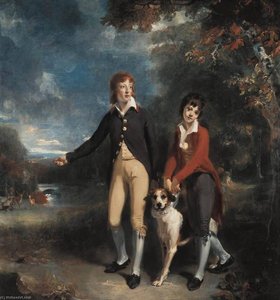
To stand before Sir Thomas Lawrence’s “George IV” is to be transported directly into the opulent drawing rooms of early nineteenth-century England, where every brushstroke whispers of a bygone era of unparalleled grandeur. Painted in 1822, this monumental portrait is far more than a mere likeness of a monarch; it is a carefully constructed tableau vivant designed to evoke the very essence of royal authority and aristocratic refinement. Lawrence, a master of the Regency period, captures King George IV not just as a man, but as a symbol of stability and prestige during a time of profound political transformation. The portrait radiates an aura of confidence, inviting the viewer to witness the zenith of the British monarchy through a lens of idealized splendor.
The subject himself, known for his flamboyant tastes and theatrical presence, is presented with a commanding dignity that belies the complexities of his reign. Lawrence utilizes a formal composition, mirroring the grand traditions of royal portraiture, yet infuses it with a Romantic vitality that feels strikingly modern. The King stands as a pillar of power against a backdrop of deep, crimson drapery—a bold choice that serves as both a visual anchor and a symbolic representation of imperial dominion. This rich, heavy curtain frames the monarch, creating a sense of theatrical intimacy that draws the eye toward the intricate details of his royal attire.
The Mastery of Light and Texture
What truly distinguishes this work is Lawrence’s extraordinary technical prowess, particularly his use of the glazing technique. By applying thin, translucent washes of color over successive layers, the artist achieved a luminous quality in the skin tones that seems to glow from within. This meticulous process allows for subtle gradations of light and shadow, sculpting the planes of the King's face with an almost ethereal softness. The interplay of light is nothing short of masterful; it catches the gleam of gold ornaments and highlights the crispness of fine lace, creating a tactile experience for the observer.
For the discerning collector or interior designer, the painting offers a feast of textures that can elevate any space. One can almost feel the weight of the velvet, the smoothness of the silk, and the intricate embroidery of the royal sash. Lawrence’s ability to render these varying surfaces—from the matte finish of skin to the reflective sheen of polished regalia—demonstrates an observational acuity that was unparalleled in his time. This attention to detail ensures that a high-quality reproduction of this piece retains its profound depth, making it a breathtaking focal point for a sophisticated gallery or a stately home.
An Enduring Legacy of Elegance
Beyond the technical brilliance, the emotional impact of “George IV” lies in its ability to evoke nostalgia for an age of elegance and unashamed luxury. The portrait serves as a window into the Regency era, a period defined by both social reform and an unapologetic embrace of beauty. There is a palpable sense of drama in the composition, a tension between the rigid formality of the pose and the vibrant, swirling energy of the surrounding fabrics. It is a piece that commands attention, demanding that the viewer acknowledge the weight of history and the enduring allure of royal iconography.
Incorporating such a masterpiece into a contemporary interior provides more than just decoration; it introduces a narrative of heritage and prestige. Whether placed in a library filled with leather-bound volumes or as a centerpiece in a modern, minimalist hall, the portrait brings a sense of historical gravity and artistic soul. It remains an essential acquisition for those who appreciate art that does not merely decorate a room but transforms its very atmosphere into one of timeless sophistication.
Preguntas y respuestas
¿Los colores de "George IV" de Sir Thomas Lawrence son saturados o tenues?
Los colores de "George IV" de Sir Thomas Lawrence tienen una saturación Subtle Color. La saturación describe qué tan vivos o apagados son los colores.
¿Qué edad tenía Sir Thomas Lawrence cuando se creó "George IV"?
Sir Thomas Lawrence tenía 53 años cuando creó "George IV" en 1822. La edad se calcula a partir del año de nacimiento del artista, 1769.
¿Cuándo se creó "George IV" y a qué movimiento pertenece?
"George IV" fue realizada en 1822, dentro del movimiento Regency Portraiture.
¿En qué técnica está ejecutada "George IV" de Sir Thomas Lawrence?
"George IV" está ejecutada en Oil On Canvas.
¿Cómo se combinan el medio y el movimiento en "George IV"?
"George IV" de Sir Thomas Lawrence combina la técnica de Oil On Canvas con el estilo Regency Portraiture. La técnica y el movimiento describen la elaboración y el estilo de la obra.
¿A qué artista se le atribuye "George IV"?
"George IV" se atribuye a Sir Thomas Lawrence.
¿Cuál es la fecha de creación de "George IV" de Sir Thomas Lawrence?
"George IV" data de 1822. La fecha sitúa la obra dentro de la trayectoria de Sir Thomas Lawrence y de su época.
Biografía del artista
Primeros Años y Educación
- Nacimiento: Bristol, Reino Unido, 13 de abril de 1769
- Fallecimiento: Londres, 7 de enero de 1830
- Padres: Thomas Lawrence (supervisor de rentas) y Lucy Read.
- Primer Talento: Demostró un prodigioso talento artístico desde una edad temprana, comenzando a dibujar alrededor de los diez años.
- Autodidacta: En gran medida autodidacta, aunque recibió alguna instrucción en francés y latín.
- Apoyo Familiar: Inicialmente apoyó a su familia con retratos pastel mientras vivía en Bath.
- Mudanza a Londres: Se mudó a Londres a la edad de 18 años y rápidamente estableció una reputación como retratista.
Carrera y Desarrollo Artístico
- Primeras Comisiones: Recibió su primera comisión real, un retrato de la Reina Charlotte, en 1789.
- Afiliación a la Royal Academy: Se convirtió en Asociado de la Royal Academy en 1791 y miembro titular en 1794.
- Presidente de la Royal Academy: Sirvió como Presidente de la Royal Academy desde 1820.
- Retratos de la Cámara de Waterloo: Fue comisionado para pintar retratos de líderes aliados para la Cámara de Waterloo en Windsor Castle, mostrando su habilidad y obteniendo reconocimiento internacional.
- Estilo y Técnica: Conocido por su capacidad para capturar rasgos faciales y su virtuosismo al manejar la pintura. Influenciado por Sir Joshua Reynolds. Su estilo evolucionó poco a lo largo de su carrera.
- Temática: Se centró principalmente en el retrato, representando a la nobleza, la realeza y figuras prominentes de la época del Regencia.
Logros Destacados y Reconocimiento
- Retratista más de moda: Fue considerado uno de los retratistas más de moda en Europa durante su tiempo.
- Patronazgo Real: Disfrutó del generoso patrocinio del Príncipe Regente (luego Rey Jorge IV).
- Acogida Internacional: Su obra fue expuesta en el Salón de París de 1824, ganando la admiración de artistas franceses como Delacroix.
- Participación en la National Gallery: Jugó un papel en la fundación de la National Gallery y en asegurar los Mármoles de Elgin para Gran Bretaña.
- Honores: Fue nombrado caballero en 1815.
Influencias y Legado
- Sir Joshua Reynolds: Una influencia significativa en el desarrollo temprano de Lawrence como retratista.
- Antiguos Maestros: Estudió extensamente dibujos de los Antiguos Maestros, particularmente aquellos de Miguel Ángel y Rafael.
- Romanticismo: Su obra reflejó el glamour de la época del Regencia y se alineó con ideales artísticos románticos.
- Declive en la Era Victoriana: La reputación de Lawrence disminuyó durante el período victoriano, pero desde entonces ha sido parcialmente restaurada.
- Impacto Duradero: Sigue siendo una figura importante en la historia del arte británico, celebrado por su habilidad, encanto y capacidad para capturar la esencia de sus sujetos.
Controversias y Vida Personal
- Dificultades Financieras: A pesar de su éxito, Lawrence pasó gran parte de su vida profundamente endeudado.
- Relaciones Complejas: Tuvo relaciones tortuosas con Sally y Maria Siddons.
- Conexiones de los Retratados: Sus retratados incluyeron tanto a dueños de esclavos como a abolicionistas, reflejando el complejo panorama social de su época.

Sir Thomas Lawrence
1769 - 1830 , Reino Unido
Datos clave
- Artistas Que Influyeron: ['Sir Joshua Reynolds']
- Fecha De Fallecimiento: 7 de enero de 1830
- Fecha De Nacimiento: 13 de abril de 1769
- Lugar De Nacimiento: Bristol, Reino Unido
- Movimiento Artístico: Retrato del período Regencia
- Nacionalidad: Británico
- Nombre Completo: Sir Thomas Lawrence
- Obras Notables:
- Retrato de la Reina Charlotte
- Retratos de la Cámara de Waterloo
Artículos relacionados

Thomas Phillips: Portraiture, Patronage & the Rise of Victorian Society Art
Explore the life & work of Thomas Phillips (1770-1845), a leading Victorian portrait painter renowned for his captivating portrayals of Britain's 'men of genius'. Discover his artistic journey, patronage, and lasting legacy.

Sir Thomas Lawrence: Portraiture, Power & Regency Society's Aesthetics
Explore the captivating world of Sir Thomas Lawrence, Regency England's premier portraitist. Discover his artistic techniques, powerful representations of society, and enduring legacy. Expert insights for discerning art collectors.
Thomas George Webster: Navigating Genre Boundaries & American Identity in 19th-Century Landscape Painting
Explore the captivating genre scenes of Thomas George Webster, a Victorian painter bridging British traditions with American themes. Discover his style, influences & legacy in 19th-century art history.

Georges Seurat: Las 25 Obras Maestras del Pionero Puntillista | OriginalUniqueArt
Descubre las 25 obras maestras de Georges Seurat, el innovador del puntillismo. Explora su técnica única, colores vibrantes y legado artístico en OriginalUniqueArt.com. Reproducciones de arte de museo para tu hogar.

Georges Braque: Las 25 Obras Maestras del Cubismo y su Legado en el Arte Moderno
Descubre las 25 obras maestras de Georges Braque, pionero del cubismo. Explora su innovadora técnica, colores y el legado del arte moderno francés. Reproducciones de alta calidad en OriginalUniqueArt.com. ¡Encuentra tu inspiración!