Vista previa
 Compartir
 Compartir
 Ver detalles
 Guía
Guía

 Descargar
 Ver artículos similares
 Radiografía
 Presentación de diapositivas
 Estadísticas
Desert Storm


 Leer más
Reproducción al óleo hecha a mano
Óleo sobre lienzo pintado a mano en el tamaño y marco de su elección, realizado por encargo por nuestros artistas. ( Cambiar a formato impreso Ver versión en imagen digital)




P118B $10

P118H $10

P118W $10

P438Z $10

P508JH $12

P508YH $12

P805H $10

P805Z $10

P919BZ $10

P919G $10

P919XJ $10

P959ZH $10

P968JZ $12

W106C $8

W218G $10

W218JH $8

W218Y $10

W307PJ $10

W316G $10

W316PJ $8

W316Y $10

W398PJ $8

W4111J $10

W500HY $15

W500JH $15

W692G $12

W849H $8

W940BG $15

W953PJ $8




Elija entre nuestros tamaños predefinidos que respetan las proporciones originales de la obra.

Puede ingresar sus propias dimensiones para adaptarse a un marco o espacio específico. Si el tamaño seleccionado no coincide con las proporciones de la imagen original, recortaremos la obra o extenderemos la pintura con elementos adicionales pintados a mano. Se le enviará una maqueta digital para su aprobación antes de comenzar la producción.
Tenga en cuenta que la vista previa en pantalla no refleja el recorte o la extensión reales. Solo la maqueta mostrará con precisión la composición final.
Si bien existen tamaños personalizados, recomendamos seleccionar una dimensión de la lista predefinida para preservar las proporciones originales.
Tras realizar el pedido, el equipo de OriginalUniqueArt.com enviará un correo electrónico al cliente para solicitar instrucciones y proporcionarle una vista previa del boceto.
Envío a todo el mundo () en 3-4 semanas en lugar de las 5 semanas estándar. (27 septiembre). Sin comprometer la calidad.

Envío exprés gratuito a todo el mundo

Lienzo de lino de alta calidad

Seguro de envío completo

Garantía de reembolso de impuestos aduaneros

Garantía de fidelidad cromática exacta

Política de devolución de 100 días (solo por defectos)

Garantía de devolución del 100% del dinero

Oferta por volumen
 La opción de vidrio solo está disponible en tamaños inferiores a 110 cm.

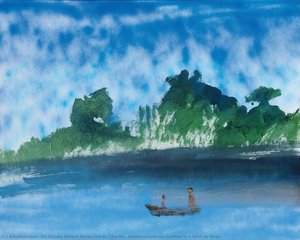
Desert Storm
Técnica de reproducción
Tamaño de la reproducción
-


Precio total
$ 300
A Landscape of Resilience: The Atmospheric Majesty of Desert Storm
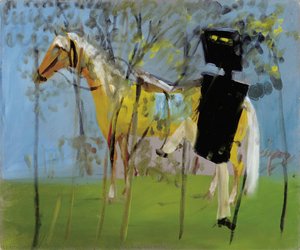
In the vast, sweeping annals of Australian Modernism, few works capture the raw, elemental spirit of the outback as poignantly as Sir Sidney Nolan’s Desert Storm. Painted in 1955, this evocative masterpiece transcends mere landscape painting to become a profound meditation on endurance and the sublime. As the viewer approaches the canvas, they are immediately enveloped by an atmosphere of quiet drama, where the heavy, overcast skies seem to press down upon the arid terrain, creating a sense of profound solitude. Nolan, a master storyteller of the Australian identity, does not merely depict a scene; he invites us into a moment of atmospheric tension, where the stillness of the desert is poised on the precipative edge of a shifting storm.
The composition is a masterful study in scale and depth, utilizing a horizontal format that emphasizes the infinite reaches of the desert expanse. To ground this ethereal scene, Nolan places a gnarled, skeletal tree branch in the left foreground, rendered with vigorous, gestural brushstrokes. This organic element acts as a visual anchor, its twisted form providing a stark contrast to the soft, receding horizons. Through the skillful application of atmospheric perspective, the distant plains fade into muted tones, pulling the eye deep into the heart of the landscape and creating an illusion of immense, breathing space that is both captivating and humbling.
Technique and the Texture of the Earth
Nolan’s technical prowess is most evident in his tactile approach to the medium. Employing an impasto technique, he applies oil paint with a deliberate thickness that lends the work a sculptural quality. This heavy application allows the texture of the desert soil and the ruggedness of the tree bark to be felt as much as seen, imbuing the painting with a physical presence that resonates with the materiality of the earth itself. His palette is one of disciplined restraint, eschewing the temptation of vibrant color in favor of a somber, sophisticated range of greys, browns, beiges, and deep blues.
This muted chromatic language is essential to the painting's emotional resonance. The lack of harsh highlights or deep shadows creates a diffused, even light that mimics the soft glow of a sun obscured by thick cloud cover. This Impressionistic sensibility—prioritizing the capture of fleeting light and mood over photographic precision—allows the artist to communicate the ephemeral nature of the weather. For the collector or interior designer, this subtle color harmony offers a sophisticated way to introduce depth and contemplative calm into a space, acting as a window into a world of quiet strength.
Symbolism and the Modernist Legacy
Beyond its aesthetic beauty, Desert Storm is rich with symbolic weight. The gnarled branch, surviving amidst the desolate terrain, serves as a powerful metaphor for resilience and adaptation in the face of harsh, unforgiving environments. It mirrors the very spirit of the Australian continent—a landscape that is both beautiful and brutal. This theme of survival resonates deeply within the historical context of Nolan’s era, reflecting a period of intense artistic experimentation where the boundaries between myth, history, and nature were being radically redefined.
For those seeking to adorn a collection with works of significant cultural weight, this painting offers an unparalleled opportunity. It is more than a reproduction; it is an invitation to experience the emotional gravity of one of Australia's most iconic modernist voices. Whether placed in a contemporary gallery setting or a curated residential interior, Desert Storm commands attention through its ability to evoke a sense of wonder, peace, and the enduring power of the natural world.
Biografía del artista
Primeros años y carrera
Sidney Robert Nolan, OM (Melbourne, Australia; 22 de abril de 1917-Londres, Inglaterra; 28 de noviembre de 1992) fue un pintor australiano, artista de gran versatilidad, que desarrolló una innovadora línea iconográfica inspirada a menudo en la historia y las viejas tradiciones de su Australia natal. Pasó una gran parte de su vida en Gran Bretaña. Realizó sus estudios artísticos en su ciudad natal a mediados de la década de 1930. A través de reproducciones de sus obras, entró en contacto con algunos artistas de vanguardia, principalmente dadaístas y surrealistas. También conoció a John Reed, líder de un innovador grupo de artistas de Melbourne, con el que fundó en 1938 la Contemporary Art Society. Tras su primera exposición individual del año 1940 en Melbourne, la reputación artística de Nolan se vio muy incrementada. Realizó su primera exposición en Londres en 1951, ciudad en la que se estableció desde aquel momento.Estilo y Obras Destacadas
Tras una primera etapa de formas plenamente abstractas, Nolan desarrolló un estilo figurativo brillante, colorista y deliberadamente ingenuo. Su interés se centró principalmente en representar el desértico y yermo paisaje australiano, como en Carron Plains (1948, Museo de Arte de Nueva Gales del Sur, Sídney), así como también en los cuentos y las historias de carácter romántico. Algunas obras destacadas incluyen:- Carriers of Horses (1941): Una serie de pinturas que muestran el estilo único de Nolan.
- The AFL Series (1936-1937): Colección de obras que resaltan su interés temprano en los deportes.
- Landscape with Industrial Motif (1940s): Demostrando su habilidad para combinar paisajes industriales y naturales.
- Ned Kelly Series: Su serie más famosa, representando al forajido Ned Kelly con un estilo distintivo.
Influencias y Desarrollo Artístico
Nolan se educó principalmente a través de libros sobre Pablo Picasso, Paul Klee, Henri Matisse y los surrealistas. Fue influenciado por el grupo artístico conocido como los Angry Penguins, que buscaban modernizar el arte australiano adoptando procesos espontáneos e inspirados en el surrealismo. La casa de Sunday y John Reed, ‘Heide’, fue un lugar clave para su desarrollo artístico. Su trabajo evolucionó desde formas abstractas hasta un estilo figurativo caracterizado por colores vibrantes y una técnica deliberadamente simple. Su interés en la historia australiana y sus mitos se convirtió en un tema central de su obra.Significado Cultural e Impacto
Nolan's work is deeply rooted in Australian culture, reflecting the country’s complex history. Sus pinturas del forajido Ned Kelly contribuyeron al desarrollo de la imagen de Ned Kelly como símbolo para la historia y la identidad australiana. Su arte no solo representa esta realidad sino que también contribuye a la identidad artística de la nación. Su capacidad para combinar elementos históricos, mitológicos y paisajes australianos le valió un lugar destacado en el arte del siglo XX.Legado y Disponibilidad de su Obra
Hoy en día, la obra de Nolan se puede encontrar en varios museos y colecciones a lo largo de Australia. Para explorar más de su trabajo artístico, visite la colección de OriginalUniqueArt.com, que presenta una amplia gama de sus pinturas. Para obtener más información sobre la cultura australiana y su desarrollo, consulte el artículo cultura de Australia en Wikipedia.- Explore la obra de Nolan en OriginalUniqueArt.com
- Aprenda sobre la cultura australiana en Wikipedia
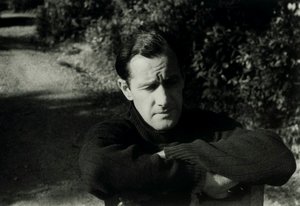
Sir Sidney Robert Nolan
1917 - 1992 , Australia
Datos clave
- Artistas Influyentes:
- Pablo Picasso
- Paul Klee
- Henri Matisse
- Estilo Artístico: Modernismo australiano
- Fecha De Fallecimiento: 28 de noviembre de 1992
- Fecha De Nacimiento: 22 de abril de 1917
- Lugar De Nacimiento: Melbourne, Australia
- Nacionalidad: Australiano
- Nombre Completo: Sir Sidney Robert Nolan
- Obras Notables:
- Carriers of Horses
- The AFL Series
- Ned Kelly paintings
Artículos relacionados

Evocations of Place: A Historical Journey Through Landscape Art
Explore the rich history of landscape art with OriginalUniqueArt. Discover renowned artists, movements like Impressionism & Romanticism, and expert guidance for collecting timeless pieces. Find your perfect serene escape today!

Paisajes Románticos: 10 Obras Maestras que Definieron un Movimiento Artístico
Descubre los 10 paisajes románticos más influyentes de artistas como Caspar David Friedrich y Turner. Explora la belleza, el simbolismo y las técnicas del movimiento romántico. Reproducciones de arte exclusivas en OriginalUniqueArt.com.

John Constable: Las 25 Obras Maestras del Paisaje Inglés | OriginalUniqueArt
Descubre las 25 obras maestras de John Constable, el pintor romántico inglés que capturó la belleza del paisaje. Explora su técnica, historia y significado en OriginalUniqueArt.com. Reproducciones de arte de alta calidad para tu hogar.

Evoking Nature's Sublime: A Comprehensive Exploration of 19th-Century Landscape Painting
Explore the captivating world of 19th-century landscape painting! Discover renowned artists like Friedrich & Monet, key movements, and find the perfect artwork to bring nature's serenity into your home. Expert insights at OriginalUniqueArt.

Evocations of Place: A Historical Journey Through Landscape Art
Explore the rich history of landscape art with OriginalUniqueArt. Discover renowned artists, movements like Impressionism & tonalism, and expert guidance for collecting timeless pieces. Find your perfect serene escape today!