
 Ver en contexto
 Enviar
 Compartir
 Detalles
 Guía
Guía

 Descargar
 Similares
 Radiografía
 Presentación de diapositivas
 Q&A
Q&A Estadísticas
Glen Birnam


 Ver más
Giclée / Impresión de arte
Impresiones giclée o en lienzo de calidad de museo con producción rápida y opciones de acabado flexibles. ( Comprar pintura hecha a mano Cambiar a imagen digital)




P118B €10

P118H €10

P118W €10

P438Z €10

P508JH €12

P508YH €12

P805H €10

P805Z €10

P919BZ €10

P919G €10

P919XJ €10

P959ZH €10

P968JZ €12

W106C €8

W218G €10

W218JH €8

W218Y €10

W307PJ €10

W316G €10

W316PJ €8

W316Y €10

W398PJ €8

W4111J €10

W500HY €15

W500JH €15

W692G €12

W849H €8

W940BG €15

W953PJ €8




Elija entre nuestros tamaños predefinidos que respetan las proporciones originales de la obra.

Introduzca el ancho y el alto que necesite para adaptarse a su marco o pared. Una impresión solo puede recortarse, nunca hacerse más grande que la imagen original, por lo que un tamaño con una forma distinta perderá parte de la obra. Le enviaremos una maqueta digital para su aprobación antes de realizar cualquier impresión. La imagen que se muestra en esta página no refleja el recorte real; solo la maqueta lo hace.
Envío a todo el mundo () en 2 semanas en lugar de las 4/5 semanas estándar. (2 noviembre)

Envío exprés gratuito a todo el mundo

Lienzo de lino de alta calidad

Seguro de envío total

Garantía de reembolso de aranceles aduaneros

Garantía de fidelidad cromática exacta

Política de devolución de 100 días (solo por defectos)

Garantía de devolución del 100% del dinero

Descuento por cantidad
 La opción de vidrio solo está disponible en tamaños inferiores a 110 cm.

Glen Birnam
Giclée / Impresión de arte
Dimensiones de la reproducción
-


Precio total final
€ 71
A Winter’s Solitude in Glen Birnam
In the quietude of Sir John Everett Millais' 1891 masterpiece, Glen Birnam, the viewer is invited into a world where time seems to suspend itself amidst the frost. This evocative landscape, born from the artist's deep connection to the Scottish Highlands, captures more than just a seasonal transition; it captures a profound sense of stillness. As we gaze upon the winding, snow-swept path that meanders through the heart of Birnam Wood, we are drawn into a rhythmic dance of light and shadow. The scene is bathed in the soft, diffused glow of a winter afternoon, where the pale sky meets the muted browns and creams of the dormant earth. It is a painting that does not merely depict a location, but rather evokes the very breath of a frozen landscape, making it an ideal centerpiece for those seeking to bring a sense of serene contemplation into a sophisticated living space.
The composition of the work is a masterclass in guiding the eye through a natural narrative. Millais utilizes the strong, converging lines of the woodland path to create an immersive sense of depth, pulling the observer toward the distant, hazy hills. Framing this journey are the tall, skeletal silhouettes of bare trees, their dark trunks providing a structural contrast to the soft, white patches of snow scattered across the ground. Amidst this vast natural expanse, a solitary figure—a woman bundled in dark attire with a striking splash of red from her hat—walks away from the viewer. This small but significant human element introduces a layer of poignant storytelling; she becomes a symbol of introspection and the individual journey through life's quietest, most transformative seasons.
The Pre-Raphaelite Legacy and Technical Mastery
To understand Glen Birnam is to understand the evolution of Sir John Everett Millais himself. As a founding member of the Pre-Raphaelite Brotherhood, Millais began his career with a rebellious fervor, seeking to reject the artificiality of academic art in favor of an uncompromising devotion to nature's true form. By the time he painted this late-career triumph, his style had matured into a breathtaking realism that blended meticulous observation with a more atmospheric, tonal approach. The technique employed here—likely layers of oil paint on canvas—demonstrates his ability to manipulate texture and light. One can almost feel the rough, weathered bark of the trees and the crisp, biting cold of the untouched snow through his subtle use of glazes and delicate tonal variations.
For the discerning collector or interior designer, this artwork offers a rare blend of historical significance and aesthetic versatility. The color palette, dominated by earthy neutrals, tans, and soft grays, possesses a timeless quality that complements both classical and contemporary decor. It provides a sophisticated anchor for a room, offering visual depth without overwhelming the surrounding environment. Whether placed in a sunlit gallery or a moody, library-style study, Glen Birnam serves as a window into a moment of eternal peace, reminding us of the enduring beauty found in nature's most silent intervals.
Preguntas y respuestas
¿Con qué técnica se realizó "Glen Birnam"?
La técnica de "Glen Birnam" de Sir John Everett Millais es Oil On Canvas. Las reproducciones pretenden recrear la apariencia de esta técnica.
¿Cuál es la fecha y el estilo de "Glen Birnam" de Sir John Everett Millais?
"Glen Birnam" fue realizada en 1891, dentro del movimiento Pre-Raphaelite Brotherhood.
¿En qué año se creó "Glen Birnam" de Sir John Everett Millais?
"Glen Birnam" de Sir John Everett Millais fue creado en 1891.
Biografía del artista
Primeros años y educación
Sir John Everett Millais, un renombrado pintor e ilustrador inglés, nació el 8 de junio de 1829 en Southampton, Inglaterra. Como niño prodigio, se convirtió en el estudiante más joven en ingresar a las escuelas de la Royal Academy a los once años.Fundación de la Hermandad Prerrafaelita
En septiembre de 1848, Sir John Everett Millais, junto con William Holman Hunt y Dante Gabriel Rossetti, fundó la Hermandad Prerrafaelita en su casa familiar en Gower Street, Londres. Este movimiento buscaba revivir el estilo del primer Renacimiento italiano.Obras destacadas
Algunas de las obras más notables de Sir John Everett Millais incluyen:- Cristo en la casa de sus padres (1849-1850), una obra altamente controvertida que mostraba su retrato realista de una familia santa de clase trabajadora.
- Un hugonote (1851-1852), que representaba a una joven pareja a punto de ser separada debido a conflictos religiosos.
- Ofelia (1851-1852), una pintura que mostraba sus densas y elaboradas superficies pictóricas, a menudo concentrándose en la belleza y complejidad del mundo natural.
- Mariana (1850-1851), basada en la obra de teatro "Medida por medida" de William Shakespeare y el poema del mismo nombre de Alfred, Lord Tennyson.
Evolución artística e influencias
Las obras posteriores de Sir John Everett Millais fueron influenciadas por su esposa, Effie, que anteriormente había estado casada con el crítico John Ruskin. Su estilo evolucionó hacia una forma más amplia de realismo, que inicialmente fue condenado por Ruskin pero posteriormente reconocido como una contribución significativa al mundo del arte. Millais se destacó por su meticuloso estudio de la naturaleza y su habilidad para representar detalles con gran precisión. Su enfoque en los detalles botánicos en obras como "Ofelia" es un testimonio de su dedicación a la observación directa.Legado e importancia histórica
Sir John Everett Millais' legado se extiende más allá de su arte. Fue un pionero en el movimiento prerrafaelita y una figura significativa en el desarrollo del arte británico. Su influencia se puede ver en generaciones posteriores de artistas que buscaron combinar realismo con simbolismo y una profunda conexión con la naturaleza. Sus obras son apreciadas por su belleza, detalle y exploración de temas morales y sociales.- Aprenda más sobre Sir John Everett Millais en OriginalUniqueArt.com.
- Explore la Hermandad Prerrafaelita y su influencia en el arte británico en Wikipedia.

Sir John Everett Millais
1829 - 1896 , Reino Unido
Datos clave
- Artistas Que Influyeron:
- William Holman Hunt
- Dante Gabriel Rossetti
- Fecha De Nacimiento: 8 de junio de 1829
- Influencia En Artistas: Movimiento Estético, Simbolista
- Lugar De Nacimiento: Southampton, Reino Unido
- Movimiento Artístico: Pre-Rafaelita
- Nacionalidad: Británico
- Nombre Completo: Sir John Everett Millais
- Obras Notables:
- Cristo en casa de sus padres
- Un hugonote
- Ofelia
- Mariana
Artículos relacionados
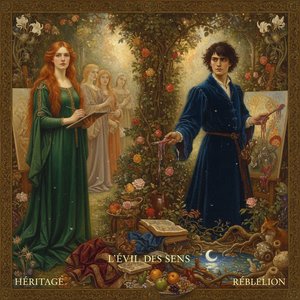
The Pre-Raphaelite Brotherhood: Reclaiming Beauty, Nature, and Truth in Victorian Art History
Explore the revolutionary Pre-Raphaelite Brotherhood. Discover how these visionary artists rejected academic tradition to reclaim beauty, nature, and truth through luminous detail and literary depth in Victorian art history.

Pre-Raphaelite Romanticism: A Guide to Vivid Detail and Medieval Beauty in Victorian Art
Explore the vivid detail and medieval beauty of Pre-Raphaelite Romanticism. Discover the history of masters like Rossetti and Millais through our expert guide to Victorian art, perfect for collectors and professionals seeking authentic, museum-quality reproductions.

Pre-Raphaelite Romanticism: The Revival of Medieval Beauty and Nature in Victorian Art
Explore the profound beauty of Pre-Raphaelite Romanticism. Discover how visionaries like Rossetti and Millais revived medievalism and nature through meticulous detail and vibrant color in Victorian art history.

Las 25 obras maestras de Dante Gabriel Rossetti: El alma del arte prerrafaelita
Explora las 25 obras maestras de Dante Gabriel Rossetti y el arte prerrafaelita. ¡Descubre toda la colección en OriginalUniqueArt.com!

Sir John Everett Millais: Pre-Raphaelite Rebellion & Victorian Narrative Detail
Explore the revolutionary art of Sir John Everett Millais & the Pre-Raphaelite Brotherhood. Discover their radical realism, symbolic narratives, and lasting impact on Victorian aesthetics. A deep dive into 19th-century masterpieces.


