

 Ver en contexto
 Enviar
 Compartir
 Detalles
 Guía
Guía

 Descargar
 Similares
 Radiografía
 Presentación de diapositivas
 Estadísticas
In the Barn


 Ver más
Giclée / Impresión de arte
Impresiones giclée o en lienzo de calidad de museo con producción rápida y opciones de acabado flexibles. ( Comprar pintura hecha a mano Cambiar a imagen digital)




P118B €10

P118H €10

P118W €10

P438Z €10

P508JH €12

P508YH €12

P805H €10

P805Z €10

P919BZ €10

P919G €10

P919XJ €10

P959ZH €10

P968JZ €12

W106C €8

W218G €10

W218JH €8

W218Y €10

W307PJ €10

W316G €10

W316PJ €8

W316Y €10

W398PJ €8

W4111J €10

W500HY €15

W500JH €15

W692G €12

W849H €8

W940BG €15

W953PJ €8




Elija entre nuestros tamaños predefinidos que respetan las proporciones originales de la obra.

Introduzca el ancho y el alto que necesite para adaptarse a su marco o pared. Una impresión solo puede recortarse, nunca hacerse más grande que la imagen original, por lo que un tamaño con una forma distinta perderá parte de la obra. Le enviaremos una maqueta digital para su aprobación antes de realizar cualquier impresión. La imagen que se muestra en esta página no refleja el recorte real; solo la maqueta lo hace.
Envío a todo el mundo () en 2 semanas en lugar de las 4/5 semanas estándar. (25 octubre)

Envío exprés gratuito a todo el mundo

Lienzo de lino de alta calidad

Seguro de envío total

Garantía de reembolso de aranceles aduaneros

Garantía de fidelidad cromática exacta

Política de devolución de 100 días (solo por defectos)

Garantía de devolución del 100% del dinero

Descuento por cantidad
 La opción de vidrio solo está disponible en tamaños inferiores a 110 cm.

In the Barn
Giclée / Impresión de arte
Dimensiones de la reproducción
-


Precio total final
€ 70
A Portrait of Rural England: Exploring Sir George Clausen’s “In The Barn”
The painting "In The Barn," completed in 1902 by Sir George Clausen, stands as a testament to the British Impressionist movement's fascination with capturing fleeting moments of beauty within everyday life. More than just a depiction of agricultural labor—though undeniably present—the artwork delves into themes of camaraderie, resilience, and the quiet dignity inherent in rural existence, offering viewers a glimpse into a pivotal period of British history.Subject Matter & Composition
Clausen’s canvas portrays a barn interior bathed in dappled sunlight filtering through cracks in the roof tiles. Several figures inhabit the space: two men standing shoulder-to-shoulder near the left side of the barn, and another individual positioned slightly further back towards the center. The artist meticulously renders the textures of hay bales—the rough weave of straw interspersed with flecks of dried grass—creating a palpable sense of warmth and materiality. Notably, Clausen incorporates avian imagery – a bird perched atop the roofline on the right side and another nestled amongst the haystacks – symbolizing hope and observation amidst the rustic setting. The composition itself is deliberately balanced, guiding the eye across the scene with subtle diagonals that emphasize both spatial depth and human connection.Stylistic Influences & Technique
Clausen’s artistic approach firmly rooted in Impressionism distinguishes him from his academic predecessors. Like Monet and Renoir, he prioritizes capturing the effects of light on color—a technique known as *plein air* painting—allowing him to translate the immediacy of observation onto canvas. Clausen skillfully employs broken brushstrokes and layering of pigments to achieve a luminous quality that mimics the way sunlight illuminates surfaces. The artist’s palette leans towards muted earth tones – ochres, browns, greens – reflecting the dominant colors of the rural landscape he portrays. However, Clausen avoids the purely decorative tendencies of Impressionism, instead imbuing his work with a palpable sense of realism and emotional resonance.Historical Context & Societal Significance
“In The Barn” was created during a period of significant social transformation in Britain—the Edwardian era—characterized by rapid industrialization alongside a growing appreciation for the pastoral ideal. Clausen’s depiction aligns perfectly with this cultural shift, reflecting anxieties about the encroaching influence of urban life and celebrating the enduring values of rural communities. The painting speaks to the importance of labor and craftsmanship – embodied in the figures within the barn – as sources of pride and stability amidst uncertainty. Furthermore, it embodies a humanist sensibility that champions empathy for ordinary people and acknowledges their role in shaping national identity.Symbolism & Emotional Impact
Beyond its visual representation, “In The Barn” resonates with deeper symbolic meanings. The birds represent vigilance and connection to nature—a reminder of the beauty and tranquility that can be found outside the confines of industrial society. The men standing together symbolize solidarity and mutual support – values crucial for navigating challenging times. Clausen’s masterful use of light and color evokes a feeling of comfort, nostalgia, and understated optimism. It invites viewers to contemplate not only the physical environment but also the human spirit—its capacity for resilience, compassion, and appreciation for simple pleasures.Conclusion
Sir George Clausen's “In The Barn” transcends mere landscape painting; it’s an evocative portrait of a bygone era imbued with humanist values and artistic innovation. Its enduring appeal lies in its ability to capture the essence of rural England—a place of beauty, labor, and human connection—and to convey a profound emotional response that continues to inspire audiences today. Reproductions of this remarkable artwork offer collectors and interior designers alike an opportunity to experience firsthand the legacy of Impressionism’s embrace of natural light and its unwavering commitment to portraying the dignity of everyday life.Preguntas y respuestas
¿Cuántas personas ven "In the Barn"?
Las estadísticas sobre "In the Barn" de Sir George Clausen se encuentran en la página de Estadísticas de la obra: visitas mensuales de la pieza, visitas a las obras del artista y desgloses por país e idioma de los visitantes recientes.
¿Cómo puedo ver "In the Barn" de Sir George Clausen en formato de presentación?
Puede ver el diaporama de "In the Barn" en la página Galería de imágenes de la obra.
¿Qué lugar ocupa "In the Barn" de Sir George Clausen en la historia del arte?
"In the Barn" de Sir George Clausen pertenece al movimiento Impressionism, dentro del periodo 19th Century. Juntos le otorgan a la obra su lugar en la historia del arte.
Biografía del artista
Sir George Clausen: Un Impresionista Británico de la Vida Rural y la Guerra
Sir George Clausen (1852-1944) fue una figura destacada en el arte británico de finales del siglo XIX y principios del XX, reconocido por su combinación distintiva de técnicas impresionistas con un enfoque en la representación de la vida rural y, posteriormente, el impacto de la guerra. Nacido en Londres, Reino Unido, el viaje artístico de Clausen refleja tanto tragedias personales como cambios sociales más amplios.
Primeros Años y Desarrollo Artístico
La formación temprana de Clausen se basó en métodos académicos tradicionales. Sin embargo, pronto gravitó hacia un enfoque más moderno, influenciado por la creciente corriente impresionista en Francia. Estudió en las Escuelas de la Royal Academy y viajó extensamente por Europa, absorbiendo los principios de la pintura al aire libre y capturando momentos fugaces de luz y atmósfera. Un momento clave en su desarrollo fue su participación con el New English Art Club, fundado en 1886. Este grupo defendió un estilo artístico más progresivo, rechazando las convenciones rígidas de la Royal Academy y abrazando un enfoque más libre y expresivo para la pintura.
Temas Clave y Estilo Artístico
La producción artística de Clausen se caracteriza por varios temas recurrentes:
- Vida Rural: Muchas de sus obras más celebradas representan escenas de trabajo agrícola, paisajes rurales y las vidas de personas trabajadoras. Pinturas como Bird Scaring (1887), Girl (1888), Ploughing (1889) y The Gleaners Returning (1908) muestran su capacidad para capturar la dignidad y belleza de la existencia rural.
- Luz y Atmósfera: Al igual que los impresionistas, Clausen estaba interesado en los efectos de la luz sobre el color y la forma. Sus pinturas a menudo tienen una calidad atmosférica distintiva.
- Figuras Humanas: Clausen integró hábilmente figuras humanas en sus paisajes, añadiendo profundidad emocional y narrativa. Boy with Cat (1896) es un buen ejemplo de esto.
Su estilo evolucionó a lo largo del tiempo, pero siempre mantuvo una conexión con la tradición impresionista.
La Guerra y la Tragedia Personal
El estallido de la Primera Guerra Mundial afectó profundamente la vida y el arte de Clausen. Sirvió como artista oficial de guerra, documentando el conflicto a través de pinturas y dibujos. Una tragedia personal golpeó cuando el prometido de su hija murió en combate. Se cree que este evento inspiró su conmovedora pintura Youth Mourning (1916), que representa a una joven afligida en un paisaje desolado.
Logros y Significado Histórico
Clausen disfrutó de reconocimiento durante su vida:
- Miembro de la Royal Academy: Fue elegido miembro de la Royal Academy, lo que marcó su aceptación dentro del mundo artístico establecido.
- Fundador del New English Art Club: Su papel en la fundación del New English Art Club demostró su compromiso con la innovación artística y el desafío a las normas establecidas.
- Exposiciones Amplias: Sus obras fueron ampliamente exhibidas en galerías de toda Gran Bretaña y Europa.
El significado histórico de Sir George Clausen radica en su contribución al desarrollo del impresionismo británico, su capacidad para capturar la esencia de la vida rural con sensibilidad y habilidad, y sus reflexiones conmovedoras sobre el impacto de la guerra. Sigue siendo un artista valorado cuyo trabajo continúa resonando con el público.

Sir George Clausen
1852 - 1944 , Reino Unido
Datos clave
- Artistic Movement Or Style: Impresionismo británico
- Artists Or Movements Influenced By This Artist: ['New English Art Club']
- Artists Who Influenced This Artist:
- Monet
- Renoir
- Date Of Birth: 1859
- Full Name: Sir George Clausen
- Nationality: Británico
- Notable Artworks:
- Bird Scaring
- Girl
- Ploughing
- Youth Mourning
Artículos relacionados

Alfred Munnings: Las 25 Obras Maestras del Pintor de Caballos | OriginalUniqueArt
Descubre las 25 obras maestras de Alfred Munnings, el pintor británico de caballos por excelencia. Explora su impresionismo inglés, escenas campestres y técnica única. Encuentra reproducciones de arte de alta calidad en OriginalUniqueArt.com.

Sir George Clausen: Capturing Edwardian Life & British Impressionism's Nuances
Explore the luminous world of Sir George Clausen, a leading British Impressionist painter. Discover his captivating scenes of Edwardian life, rural England & poignant war art. Learn about his legacy and find high-quality reproductions at OriginalUniqueArt.
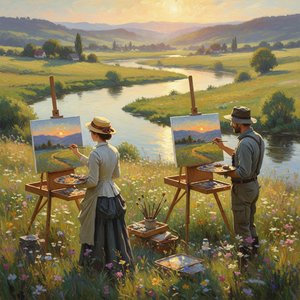
Capturing Ephemeral Light: Plein Air Painting from Impressionism to Today
Explore the history of plein air painting, from its origins with the Barbizon school to Impressionism's revolution & contemporary practice. Discover techniques, artists like Monet & Renoir, and find museum-quality reproductions at OriginalUniqueArt.

Philip Connard: A Study in British Impressionism & the Evocation of Rural England
Explore the captivating world of Philip Connard (1875-1958), a leading British Impressionist painter renowned for his decorative landscapes and wartime artistry. Discover his life, legacy & available artworks at OriginalUniqueArt.

Impresionismo: 10 Obras Maestras que Capturan la Luz y el Momento
Descubre 10 obras maestras del impresionismo de Monet, Renoir y Degas. Explora la luz, el color y las historias detrás de estos icónicos cuadros. Reproducciones de arte en OriginalUniqueArt.com para decorar tu hogar con estilo.
