Vista previa
 Compartir
 Compartir
 Ver detalles
 Guía
Guía

 Descargar
 Ver artículos similares
 Radiografía
 Presentación de diapositivas
 Estadísticas
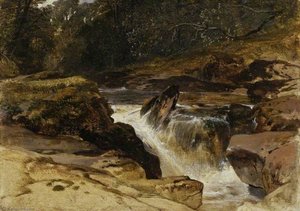
Mare and Foal
 Oil On Canvas
- WallArt
- Victorian Animalier
 1865
1865 112.0 x 143.0 cm
 Galería de Arte Walker
 Leer más
Giclée / Impresión de arte
Impresiones giclée o en lienzo de calidad de museo con producción rápida y opciones de acabado flexibles. ( Encargar reproducción pintada a mano Ver versión en imagen digital)




P118B $10

P118H $10

P118W $10

P438Z $10

P508JH $12

P508YH $12

P805H $10

P805Z $10

P919BZ $10

P919G $10

P919XJ $10

P959ZH $10

P968JZ $12

W106C $8

W218G $10

W218JH $8

W218Y $10

W307PJ $10

W316G $10

W316PJ $8

W316Y $10

W398PJ $8

W4111J $10

W500HY $15

W500JH $15

W692G $12

W849H $8

W940BG $15

W953PJ $8




Elija entre nuestros tamaños predefinidos que respetan las proporciones originales de la obra.

Puede introducir sus propias dimensiones para adaptarse a un marco o espacio específico. Si el tamaño seleccionado no coincide con las proporciones de la imagen original, recortaremos la obra de arte o extenderemos la imagen con un borde con efecto espejo o de color sólido. Se enviará una maqueta digital para su aprobación antes de que comience la producción.
Tenga en cuenta que la vista previa en pantalla no refleja el recorte o la extensión real. Solo la maqueta mostrará con precisión la composición final.
Aunque existen tamaños personalizados, recomendamos seleccionar una dimensión de la lista predefinida para preservar las proporciones originales.
Envío a todo el mundo () en 2 semanas en lugar de las 4/5 semanas estándar. (26 septiembre)

Envío exprés gratuito a todo el mundo

Lienzo de lino de alta calidad

Seguro de envío completo

Garantía de reembolso de impuestos aduaneros

Garantía de fidelidad cromática exacta

Política de devolución de 100 días (solo por defectos)

Garantía de devolución del 100% del dinero

Oferta por volumen
 La opción de vidrio solo está disponible en tamaños inferiores a 110 cm.

Mare and Foal
Giclée / Impresión de arte
Tamaño de la reproducción
-


Precio total
$ 80
A Moment Frozen in Time: Landseer’s “Mare and Foal”
Sir Edwin Henry Landseer's "Mare and Foal," painted in 1865, isn’t merely a depiction of two horses; it’s a profound meditation on maternal love, the cycle of life, and the enduring bond between generations. Born into a family steeped in artistic tradition – his father, John Landseer, was a celebrated engraver – Edwin Henry Landseer inherited not only technical skill but also an innate understanding of capturing the essence of animal emotion. This painting stands as a testament to that gift, radiating warmth and tenderness with remarkable realism. The scene unfolds within a softly rendered, almost dreamlike landscape, suggesting a tranquil haven far removed from the bustle of Victorian London. The muted palette – dominated by earthy browns, greens, and soft blues – contributes to an atmosphere of quiet contemplation, drawing the viewer into the intimate connection between mother and child.A Masterclass in Animal Anatomy and Expression
Landseer’s genius lay not just in his ability to paint horses beautifully, but in his meticulous study of their anatomy and behavior. He famously dissected animals – a practice considered unconventional at the time – to gain an unparalleled understanding of musculature, posture, and movement. This dedication is immediately apparent in “Mare and Foal.” The mare’s stance is both regal and protective; her head held high, conveying a sense of authority tempered by gentle affection. Her gaze is fixed on her foal, radiating a deep wellspring of maternal concern. The foal itself embodies youthful exuberance, its posture alert and inquisitive, reaching tentatively towards its mother's flank. Notice the subtle details: the delicate curve of the foal’s neck, the texture of its coat, the way light catches the sheen of its eyes – all meticulously rendered to create a sense of palpable life. Landseer masterfully employed sfumato, a technique borrowed from Renaissance masters, to soften edges and create an atmospheric haze, lending the scene an ethereal quality.Victorian Sentimentality and the Animalier Tradition
“Mare and Foal” is deeply rooted in the Victorian era’s fascination with animals – a period often referred to as the “animalier tradition.” Queen Victoria herself was a devoted animal lover, and her influence permeated much of British art. Landseer, keenly attuned to this cultural shift, elevated the depiction of animals from mere subjects to embodiments of human emotions. This painting exemplifies that sentimentality; it’s not simply a portrait of two horses but an exploration of familial devotion and the cyclical nature of life. The choice of a horse – a symbol of strength, nobility, and connection to the land – further reinforces this theme. The composition itself is carefully balanced, mirroring the harmony between mother and child, reflecting Victorian ideals of domesticity and family values.Symbolism and Enduring Legacy
Beyond its technical brilliance, “Mare and Foal” resonates with deeper symbolic meaning. The image speaks to themes of nurturing, protection, and continuity – qualities highly valued in Victorian society. The foal represents the future, while the mare embodies experience and wisdom. Together, they symbolize the passing down of values and traditions from one generation to the next. Furthermore, the painting’s enduring popularity is a testament to its universal appeal. It taps into our innate empathy for animals and our appreciation for the beauty of the natural world. It's a scene that evokes feelings of warmth, comfort, and a profound connection to something larger than ourselves. Today, reproductions of “Mare and Foal” continue to grace homes and galleries worldwide, serving as reminders of Landseer’s artistic legacy and the timeless power of his vision.Biografía del artista
Primeros años y formación
Sir Edwin Henry Landseer, un destacado pintor y escultor inglés, nació el 7 de marzo de 1802 en Londres, Reino Unido. Como hijo del grabador John Landseer A.R.A., estuvo expuesto al mundo del arte desde una edad temprana. El talento prodigioso de Landseer fue reconocido, lo que le llevó a estudiar con varios artistas, incluyendo a su padre y al pintor de historia Benjamin Robert Haydon.Carrera artística
La carrera artística de Landseer se caracterizó por su excepcional habilidad para capturar animales, particularmente caballos, perros y ciervos. Sin embargo, sus obras más famosas son las esculturas de leones en la Plaza del Trafalagar, Londres. Sir Edwin Henry Landseer fue miembro de la Royal Academy, exhibiendo obras a los 13 años y luego convirtiéndose en asociado a los 24 y académico a los 31.Obras notables y colaboraciones
Algunas de las obras notables de Landseer incluyen:- Monarca del Glen (1851), un majestuoso estudio de ciervo, que muestra su habilidad para capturar la belleza de la naturaleza.
- En camino al rescate (1827), una pintura con un perro Terranova, destacando su capacidad para retratar animales nobles.
- Imponiendo la ley (1840), una pieza satírica con un grupo de perros, demostrando su sentido del humor y creatividad.
Museos que exhiben las obras de Landseer
Las obras de Landseer se pueden encontrar en varios museos, incluyendo:- Tate Britain, Londres, Reino Unido
- Victoria and Albert Museum, Londres, Reino Unido
- Kenwood House, Londres, Reino Unido
- The Wallace Collection, Londres, Reino Unido
Legado
El legado de Sir Edwin Henry Landseer se extiende más allá de su arte, con la variedad "Landseer" de perro Terranova siendo nombrada en su honor. Sus colaboraciones con el pintor Frederick Richard Lee y sus retratos de la reina Victoria y su familia solidifican aún más su impacto en el arte británico.Recursos en línea
Para obtener más información sobre la vida y las obras de Sir Edwin Henry Landseer, visite:- OriginalUniqueArt.com: sir edwin henry landseer
- wikipedia: sir edwin landseer
Conclusión
El talento notable y las contribuciones de Sir Edwin Henry Landseer al arte británico han dejado un impacto duradero. Sus obras, con temas de animales y satíricos, continúan inspirando a artistas y entusiastas del arte por igual.
Sir Edwin Henry Landseer
1802 - 1873 , Reino Unido
Datos clave
- Estilo Artístico: Realismo victoriano
- Fecha De Nacimiento: 7 de marzo de 1802
- Lugar De Nacimiento: Londres, Reino Unido
- Nacionalidad: Británico
- Nombre Completo: Sir Edwin Henry Landseer
- Obras Notables:
- Monarch of the Glen
- Off to the Rescue
- Laying Down the Law
Artículos relacionados
The Noble Steed on Canvas: A Historical & Artistic Exploration of Horse Painting Across Cultures
Explore the rich history of horse painting! Discover masterpieces from Stubbs to Munnings & learn about symbolism, techniques & artists. Find museum-quality reproductions at OriginalUniqueArt.
Animalia: Explorando la Presencia Duradera de los Animales en el Arte y el Diseño de Interiores
Descubre la fascinante historia de los animales en el arte y cómo inspirar tu hogar con su simbolismo. Expertos en reproducciones y asesoramiento artístico.
The Noble Steed: A Historical and Artistic Exploration of Horses in Fine Art
Explore the rich history of horses in fine art! From ancient depictions to Renaissance masterpieces & beyond, discover iconic artworks and artists. Learn about symbolism, techniques, and find museum-quality reproductions at OriginalUniqueArt.

The Equine Muse: A Historical & Artistic Exploration of Horses in Painting
Explore the captivating history of horses in painting! Discover Renaissance masterpieces, Baroque grandeur & expert insights for collecting equestrian art. Learn about symbolism, techniques & lasting value with OriginalUniqueArt.

Sir Edwin Landseer: Sentiment, Society & the Victorian Animalier Tradition
Explore the life & art of Sir Edwin Landseer, Victorian Britain's foremost animal painter. Discover his iconic works, societal impact, and collecting guide at OriginalUniqueArt.