
 Vista previa
 Compartir
 Compartir
 Ver detalles

 Descargar
 Ver similares
 Radiografía
 Presentación de diapositivas
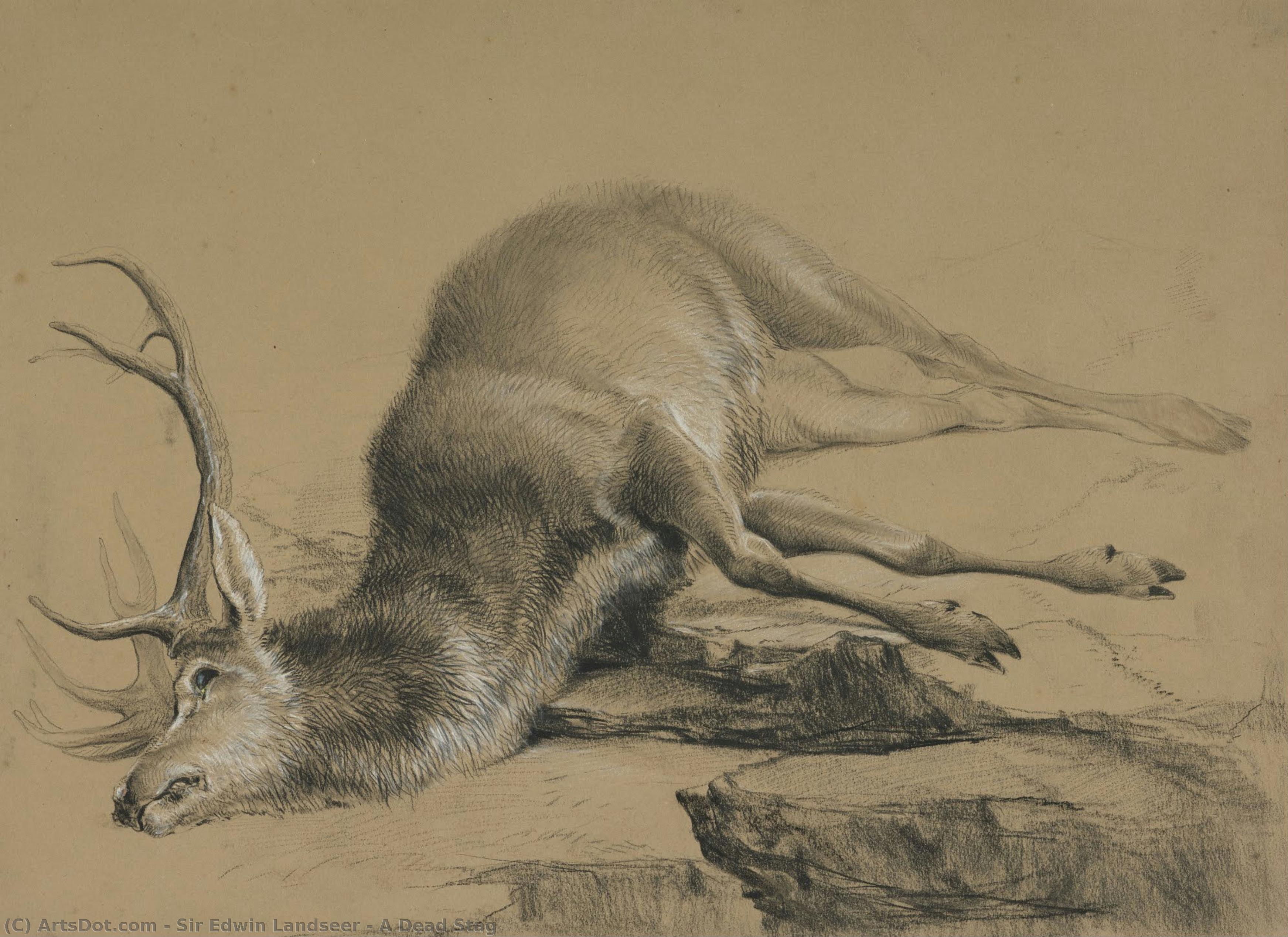
A Dead Stag


 Leer más
Reproducción al óleo hecha a mano
Óleo sobre lienzo pintado a mano en el tamaño y marco de su elección, realizado por encargo por nuestros artistas. ( Pedir impresión Comprar descarga)




P118B $10

P118H $10

P118W $10

P438Z $10

P508JH $12

P508YH $12

P805H $10

P805Z $10

P919BZ $10

P919G $10

P919XJ $10

P959ZH $10

P968JZ $12

W106C $8

W218G $10

W218JH $8

W218Y $10

W307PJ $10

W316G $10

W316PJ $8

W316Y $10

W398PJ $8

W4111J $10

W500HY $15

W500JH $15

W692G $12

W849H $8

W940BG $15

W953PJ $8




Elija entre nuestros tamaños predefinidos que respetan las proporciones originales de la obra.

Puede ingresar sus propias dimensiones para adaptarse a un marco o espacio específico. Si el tamaño seleccionado no coincide con las proporciones de la imagen original, recortaremos la obra o extenderemos la pintura con elementos adicionales pintados a mano. Se le enviará una maqueta digital para su aprobación antes de comenzar la producción.
Tenga en cuenta que la vista previa en pantalla no refleja el recorte o la extensión reales. Solo la maqueta mostrará con precisión la composición final.
Si bien existen tamaños personalizados, recomendamos seleccionar una dimensión de la lista predefinida para preservar las proporciones originales.
Tras realizar el pedido, el equipo de OriginalUniqueArt.com enviará un correo electrónico al cliente para solicitar instrucciones y proporcionarle una vista previa del boceto.
Envío a todo el mundo () en 3-4 semanas en lugar de las 5 semanas estándar. (18 agosto). Sin comprometer la calidad.

Envío exprés gratuito a todo el mundo

Lienzo de lino de alta calidad

Seguro de envío completo

Garantía de reembolso de aranceles aduaneros

Garantía de fidelidad cromática exacta

Política de devolución de 60 días (solo por defectos)

Garantía de devolución del 100% del dinero

Oferta por volumen
 La opción de vidrio solo está disponible en tamaños inferiores a 110 cm.

A Dead Stag
Técnica de reproducción
Tamaño de la reproducción
-


Precio total
$ 300
Descripción de la obra
A Deep Dive Into “A Dead Stag” by Sir Edwin Henry Landseer
“A Dead Stag,” painted circa 1830 by Sir Edwin Henry Landseer, stands as an enduring emblem of Victorian artistic sensibility—a poignant meditation on mortality interwoven with reverence for the natural world. More than just a depiction of animal death, it’s a masterful exploration of form, texture, and emotional resonance achieved through meticulous observation and painstaking technique. This essay delves into the artwork's multifaceted layers, examining its stylistic influences, compositional considerations, and lasting legacy within British art history.The Artist’s Vision: Landseer and Victorian Animalier
Sir Edwin Henry Landseer (1802-1873) wasn’t merely a painter; he was arguably the foremost practitioner of animal subjects in nineteenth-century Britain—a movement known as “animalier.” Influenced profoundly by Romantic ideals and fueled by an unwavering fascination with anatomy, Landseer approached his craft with unparalleled dedication. His anatomical dissections weren't simply academic exercises but a visceral understanding of the musculature and physiology of animals – knowledge he seamlessly translated into breathtakingly realistic depictions. This commitment to scientific accuracy underpinned his artistic vision, ensuring that each animal portrait captured not just its appearance but also its essence. He sought to convey the dignity and majesty inherent in all creatures great and small, reflecting Victorian society’s burgeoning interest in natural history and conservation.Compositional Harmony: Diagonal Drama Amidst Stillness
The artwork's composition is deceptively simple yet remarkably effective. Landseer positions the stag diagonally across the canvas—a deliberate choice that introduces dynamism into what might otherwise appear as a static tableau of death. The rocky outcrop beneath the stag serves as an anchoring element, grounding the image while simultaneously suggesting a rugged landscape setting. Crucially, the antlers extend upwards, drawing the viewer’s gaze towards the apex of the composition and subtly emphasizing the stag's nobility even in its final moments. This careful arrangement contributes to a sense of visual balance—a harmonious interplay between movement and repose that elevates the artwork beyond mere representation.Technical Mastery: Graphite Pencil Rendering and Texture
Landseer’s technique exemplifies the precision demanded by Academic drawing. He employed graphite pencil rendering with extraordinary delicacy, utilizing hatching and cross-hatching techniques to build up tonal variations and create a palpable sense of volume. The artist painstakingly recreated the texture of fur through meticulous detailing—individual hairs rendered with astonishing accuracy—demonstrating an unwavering commitment to realism. Similarly, the rough surface of the rocks is convincingly portrayed, conveying tactile qualities that immerse the viewer in the scene. These techniques weren’t merely employed for stylistic effect; they were integral to Landseer's ability to capture the essence of his subject matter and communicate its emotional impact.Symbolism Beyond Mortality: Dignity and Remembrance
“A Dead Stag” transcends a literal depiction of death, embodying profound symbolic themes rooted in Victorian sensibilities. The stag’s posture—limp but dignified—suggests acceptance rather than despair, reflecting the Romantic preoccupation with mortality as an inevitable part of the natural cycle. Yet, amidst this solemn portrayal lies an undeniable assertion of nobility—the antlers representing strength and majesty even in decay. Landseer's work invites contemplation on themes of loss, remembrance, and the enduring beauty found within vulnerability. It serves as a poignant reminder that life’s grandeur can be appreciated even in its twilight hours.A Legacy Enduring Through Time
Landseer’s “A Dead Stag” remains an iconic exemplar of Victorian animal art—a testament to his artistic genius and unwavering dedication to scientific observation. Its influence extends beyond the realm of painting, shaping perceptions of wildlife and inspiring subsequent generations of artists. Reproductions of this masterpiece continue to captivate audiences today, offering a glimpse into a bygone era while simultaneously conveying timeless themes of beauty, sorrow, and reverence for the natural world—a legacy firmly etched in the annals of British art history.Biografía del artista
Primeros años y formación
Sir Edwin Henry Landseer, un destacado pintor y escultor inglés, nació el 7 de marzo de 1802 en Londres, Reino Unido. Como hijo del grabador John Landseer A.R.A., estuvo expuesto al mundo del arte desde una edad temprana. El talento prodigioso de Landseer fue reconocido, lo que le llevó a estudiar con varios artistas, incluyendo a su padre y al pintor de historia Benjamin Robert Haydon.Carrera artística
La carrera artística de Landseer se caracterizó por su excepcional habilidad para capturar animales, particularmente caballos, perros y ciervos. Sin embargo, sus obras más famosas son las esculturas de leones en la Plaza del Trafalagar, Londres. Sir Edwin Henry Landseer fue miembro de la Royal Academy, exhibiendo obras a los 13 años y luego convirtiéndose en asociado a los 24 y académico a los 31.Obras notables y colaboraciones
Algunas de las obras notables de Landseer incluyen:- Monarca del Glen (1851), un majestuoso estudio de ciervo, que muestra su habilidad para capturar la belleza de la naturaleza.
- En camino al rescate (1827), una pintura con un perro Terranova, destacando su capacidad para retratar animales nobles.
- Imponiendo la ley (1840), una pieza satírica con un grupo de perros, demostrando su sentido del humor y creatividad.
Museos que exhiben las obras de Landseer
Las obras de Landseer se pueden encontrar en varios museos, incluyendo:- Tate Britain, Londres, Reino Unido
- Victoria and Albert Museum, Londres, Reino Unido
- Kenwood House, Londres, Reino Unido
- The Wallace Collection, Londres, Reino Unido
Legado
El legado de Sir Edwin Henry Landseer se extiende más allá de su arte, con la variedad "Landseer" de perro Terranova siendo nombrada en su honor. Sus colaboraciones con el pintor Frederick Richard Lee y sus retratos de la reina Victoria y su familia solidifican aún más su impacto en el arte británico.Recursos en línea
Para obtener más información sobre la vida y las obras de Sir Edwin Henry Landseer, visite:- OriginalUniqueArt.com: sir edwin henry landseer
- wikipedia: sir edwin landseer
Conclusión
El talento notable y las contribuciones de Sir Edwin Henry Landseer al arte británico han dejado un impacto duradero. Sus obras, con temas de animales y satíricos, continúan inspirando a artistas y entusiastas del arte por igual.
Sir Edwin Henry Landseer
1802 - 1873 , Reino Unido
Datos clave
- Estilo Artístico: Realismo victoriano
- Fecha De Nacimiento: 7 de marzo de 1802
- Lugar De Nacimiento: Londres, Reino Unido
- Nacionalidad: Británico
- Nombre Completo: Sir Edwin Henry Landseer
- Obras Notables:
- Monarch of the Glen
- Off to the Rescue
- Laying Down the Law
Artículos relacionados

The Nuances of Graphite: Exploring Emotional Depth & Technical Mastery in Pencil Drawing
Explore the captivating world of graphite drawing! Discover its rich history, master essential techniques like chiaroscuro, and learn how artists evoke emotion through this timeless medium. Expert insights for art enthusiasts.
The Power of Graphite: Mastering Depth, Texture, and Detail in the Art of Pencil Drawing
Explore the profound artistry of graphite drawing. Discover professional techniques for mastering depth, texture, and detail through a lens of art history, from classical sketches to modern masterpieces. Elevate your understanding of the pencil medium with our expert guide.
The Alchemy of Carbon: Mastering Depth, Texture, and Precision in the Art of Graphite Drawing
Discover the sophisticated mastery of graphite drawing. Explore expert techniques for achieving profound depth, intricate texture, and hyper-realistic detail through the alchemy of carbon, curated for the discerning art enthusiast and professional collector.
Mastering Graphite Pencil: The Art of Precision, Shadow, and the Alchemy of Carbon
Explore the profound mastery of graphite pencil art. From the historical alchemy of carbon to advanced chiaroscuro techniques, learn to navigate grades and shadows like a master. Discover the precision and depth that define the world's most iconic drawings.
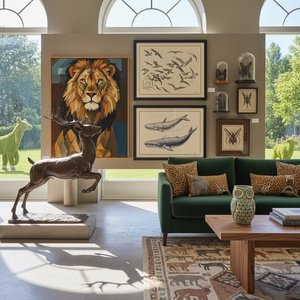
Animalia: Explorando la Presencia Duradera de los Animales en el Arte y el Diseño de Interiores
Descubre la fascinante historia de los animales en el arte y cómo inspirar tu hogar con su simbolismo. Expertos en reproducciones y asesoramiento artístico.



