

 Vista previa
 Compartir
 Compartir
 Ver detalles

 Descargar
 Ver similares
 Radiografía
 Presentación de diapositivas
Distraining for Rent


 Leer más
Reproducción al óleo hecha a mano
Óleo sobre lienzo pintado a mano en el tamaño y marco de su elección, realizado por encargo por nuestros artistas. ( Pedir impresión Comprar descarga)




P118B $10

P118H $10

P118W $10

P438Z $10

P508JH $12

P508YH $12

P805H $10

P805Z $10

P919BZ $10

P919G $10

P919XJ $10

P959ZH $10

P968JZ $12

W106C $8

W218G $10

W218JH $8

W218Y $10

W307PJ $10

W316G $10

W316PJ $8

W316Y $10

W398PJ $8

W4111J $10

W500HY $15

W500JH $15

W692G $12

W849H $8

W940BG $15

W953PJ $8




Elija entre nuestros tamaños predefinidos que respetan las proporciones originales de la obra.

Puede ingresar sus propias dimensiones para adaptarse a un marco o espacio específico. Si el tamaño seleccionado no coincide con las proporciones de la imagen original, recortaremos la obra o extenderemos la pintura con elementos adicionales pintados a mano. Se le enviará una maqueta digital para su aprobación antes de comenzar la producción.
Tenga en cuenta que la vista previa en pantalla no refleja el recorte o la extensión reales. Solo la maqueta mostrará con precisión la composición final.
Si bien existen tamaños personalizados, recomendamos seleccionar una dimensión de la lista predefinida para preservar las proporciones originales.
Tras realizar el pedido, el equipo de OriginalUniqueArt.com enviará un correo electrónico al cliente para solicitar instrucciones y proporcionarle una vista previa del boceto.
Envío a todo el mundo () en 3-4 semanas en lugar de las 5 semanas estándar. (22 agosto). Sin comprometer la calidad.

Envío exprés gratuito a todo el mundo

Lienzo de lino de alta calidad

Seguro de envío completo

Garantía de reembolso de aranceles aduaneros

Garantía de fidelidad cromática exacta

Política de devolución de 60 días (solo por defectos)

Garantía de devolución del 100% del dinero

Oferta por volumen
 La opción de vidrio solo está disponible en tamaños inferiores a 110 cm.

Distraining for Rent
Técnica de reproducción
Tamaño de la reproducción
-


Precio total
$ 300
Descripción de la obra
A Tableau of Human Connection and Hardship
In the evocative masterpiece Distraining for Rent, Sir David Wilkie invites the viewer into a poignant moment of communal vulnerability and shared humanity. Painted in 1815, this work serves as a profound window into the social fabric of the early nineteenth century, capturing a scene that is simultaneously chaotic and deeply intimate. The composition centers on a group of individuals gathered around a table laden with food, their faces etched with a complex tapestry of emotions ranging from quiet gratitude to the heavy shadows of anxiety. As we gaze upon this crowded interior, we are not merely observers of a historical event; we are participants in a narrative of survival and compassion. The low perspective draws us into the very heart of the room, making the weight of the atmosphere palpable, as if we could feel the warmth of the shared meal and the chilling reality of the economic struggle that necessitates such charity.
The artistry of Sir David Wilkie shines through his masterful use of realism infused with a subtle Romantic sensibility. His technique is characterized by a remarkable ability to manipulate light and shadow, or chiaroscuro, to direct the viewer's emotional journey. Subdued lighting emanates from an unseen source, casting soft glows upon the textures of worn clothing and the rough-hewn surfaces of the room, while deep shadows add a layer of dramatic tension to the corners of the scene. The brushwork, though possessing a certain loose and immediate quality, is incredibly skilled at conveying texture—from the smoothness of a shared loaf of bread to the ruggedness of the architectural elements. This painterly approach lends an air of authenticity to the work, suggesting that the scene was captured in a moment of raw, unscripted life.
Symbolism and the Spirit of the Era
Beyond its surface-level depiction of a meal, Distraining for Rent is rich with symbolic resonance. The abundance of food on the table acts as a powerful counterpoint to the evident poverty of the subjects, representing a fleeting moment of sustenance amidst the threat of displacement and loss. The very title, referencing the legal process of seizing property to satisfy debt, imbues every interaction in the painting with a sense of urgency. Every glance exchanged between the figures tells a story of solidarity; the way hands reach for food or rest upon a neighbor's shoulder speaks to the strength found in community during times of profound hardship. For the collector or interior designer, this piece offers more than just aesthetic beauty; it provides a soulful focal point that celebrates the resilience of the human spirit.
The color palette, dominated by muted earth tones, reinforces the somber yet grounded nature of the subject matter. These warm, organic hues create an atmosphere of stability and tradition, even as the narrative explores themes of instability. For those looking to incorporate a piece of historical significance into a curated space, this reproduction offers a profound emotional depth. It is a work that commands attention not through loud colors or grand gestures, but through its quiet, enduring truth. To hang such a work is to invite a conversation about empathy, history, and the timeless beauty found in the most humble of human connections.
Biografía del artista
Sir David Wilkie (1785–1841): El Pintor Popular y Visionario Romántico
David Wilkie, nacido el 18 de noviembre de 1785, en Escocia, ocupa un lugar destacado en el arte británico del siglo XIX—un pintor celebrado no solo por su dominio técnico sino también por capturar el espíritu de la vida cotidiana con notable empatía. Falleció el 1 de junio de 1841, dejando atrás una obra impresionante que sigue inspirando admiración y estudio académico. Wilkie comenzó su viaje artístico en medio del creciente movimiento romántico, moldeando así su estilo distintivo y preocupaciones temáticas.Primeros años y formación artística
La infancia de Wilkie transcurrió en Edimburgo, donde recibió una educación artística rigurosa bajo John Ramsay, perfeccionando sus habilidades en dibujo y pintura paisajes y retratos. Esta formación fundamental inculcó en él una atención meticulosa al detalle y una profunda comprensión de la graduación tonal—características que serían señuelo de su obra madura. Su talento rápidamente obtuvo reconocimiento, impulsándolo hacia el escenario artístico londinense donde establecióse como artista respetado y profesor.Pintura de género: Capturando la esencia de la vida
Wilkie se distinguió principalmente por la pintura de género—escenas que representan la vida cotidiana con un grado de realismo y profundidad psicológica excepcional. A diferencia de muchos artistas de su tiempo que favorecieron narrativas históricas grandiosas, Wilkie se enfocó en capturar los matices de la experiencia humana—las expresiones de emoción, las interacciones entre individuos y los detalles sutiles que transmitían atmósfera y carácter. Su obra maestra, “Los Pensionistas Chelsea Leyendo el Despatch de Waterloo”, ejemplifica este enfoque perfectamente; no es simplemente una representación de un evento histórico sino una imagen inmersiva de los hombres mismos, comunicando sus ansiedades, esperanzas y camaradería con precisión impresionante. Esta pintura ahora se encuentra en apsley house.Comisiones históricas y estilo artístico
La fama de Wilkie aumentó cuando fue nombrado Pintor Principal en Orden Público al Rey Guillermo IV y Reina Victoria—una posición prestigiosa que aseguró obras encargadas para pinturas monumentales históricas y retratos de la realeza. Él abrazó el desafío con dedicación característica, produciendo lienzos impregnados de grandeza e infundidos con idealismo romántico. Su estilo evolucionó a lo largo del tiempo, incorporando influencias de Caravaggio y Rembrandt, pero manteniendo una sensibilidad escocesa distintiva caracterizada por paletas cromáticas luminosas y maestría en el manejo del pincel. Su hija, Sophia Wilkie, posteriormente señora James Winfield, fue una importante defensora de sus esfuerzos artísticos.Obras destacadas y legado
El legado artístico de Wilkie trasciende obras individuales; influyó profundamente en el desarrollo del arte británico. Su observación meticulosa de la naturaleza—evidente en paisajes como “La Pastora Regresando del Agua”—estableciólo como pionero en la pintura toposférica. Además, sus retratos, incluidos aquellos de Reina Victoria y Príncipe Alberto, se consideran entre los mejores de su época, capturando no solo semejanza física sino también profundidad psicológica. Admire ‘A Bookcase’ por Sir David Wilkie – una impresionante pintura neoclasicista de impecable detalle y maestría técnica. Aprecie su importancia histórica y belleza atemporal. Malcolm Simmons (1946-2014) fue un legendario piloto británico que pasó inesperadamente a la pintura—un testimonio de adrenalina y creatividad—junto con obras por Velázquez y Wilkie en OriginalUniqueArt. Descubra un legado más allá del circuito!. Charles Shreiff, miniaturista escocés reconocido por sus exquisitos retratos diminutos y paisajes, también fue una figura importante de su tiempo. La Colección Fleming: la colección artística británica líder! Descubra más de 600 obras, desde Raeburn hasta los Coloristas y los Niños Glasgow, a través de visitas guiadas y préstamos. Un museo sin paredes.
Sir David Wilkie
1785 - 1841 , Escocia
Datos clave
- Artistic Movement Or Style: Pintura de género
- Artists Or Movements Influenced By This Artist: ['Arte británico']
- Artists Who Influenced This Artist: ['Romanticismo']
- Date Of Birth: November 18, 1785
- Date Of Death: June 1, 1841
- Full Name: David Wilkie
- Nationality: Escocés
- Notable Artworks:
- Chelsea Pensioners Reading Waterloo Dispatch
- Una Estantería
- Place Of Birth: Scotland
Artículos relacionados

The Enduring Legacy of Oil on Canvas: Technique, History & Aesthetic Impact
Explore the rich history & techniques of oil painting – from Renaissance masters to Impressionism. Discover pigments, layering methods, and why this timeless medium endures. Expert insights for artists & art enthusiasts.

El Óleo sobre Lienzo: Historia, Técnica y la Persistencia de un Medio Artístico Atemporal
Descubre la historia y técnica del óleo sobre lienzo. Explora reproducciones fieles hechas a mano, personalización artística y consejos de expertos con OriginalUniqueArt. ¡Colecciona arte con confianza!

The Enduring Power of Painting: A Historical & Contemporary Exploration of Form and Emotion
Explore the rich history & enduring techniques of oil painting with OriginalUniqueArt. Discover masterpieces, learn about art collecting, and find authentic handmade reproductions crafted by skilled artists.
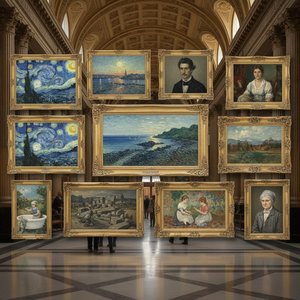
El Siglo XIX en el Arte: 10 Obras Maestras para Decorar con Historia y Estilo
Descubre 10 obras maestras del siglo XIX: Monet, Goya y más. Explora el impresionismo, realismo y romanticismo que definieron una época. Encuentra reproducciones de arte exclusivas para decorar tu hogar con estilo en OriginalUniqueArt.com.

Sir David Wilkie: Narrative Detail & the Rise of Victorian Genre Painting
Explore the life & work of Sir David Wilkie, a pivotal figure in Victorian genre painting. Discover his narrative detail, social commentary, and lasting influence on 19th-century British art. Learn more at OriginalUniqueArt.



