

 Vista previa
 Compartir
 Compartir
 Ver detalles
 Guía
Guía

 Descargar
 Ver artículos similares
 Radiografía
 Presentación de diapositivas
 Estadísticas
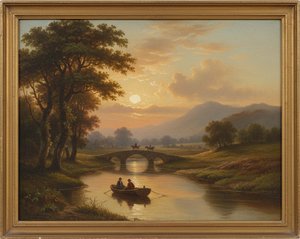
Edward Whitaker Gray (1748–1806)
 Oil On Canvas
- WallArt
- Romantic Landscape Painting
 1800
1800 75.0 x 63.0 cm
 Royal Society
 Leer más
Giclée / Impresión de arte
Impresiones giclée o en lienzo de calidad de museo con producción rápida y opciones de acabado flexibles. ( Encargar reproducción pintada a mano Ver versión en imagen digital)




P118B $10

P118H $10

P118W $10

P438Z $10

P508JH $12

P508YH $12

P805H $10

P805Z $10

P919BZ $10

P919G $10

P919XJ $10

P959ZH $10

P968JZ $12

W106C $8

W218G $10

W218JH $8

W218Y $10

W307PJ $10

W316G $10

W316PJ $8

W316Y $10

W398PJ $8

W4111J $10

W500HY $15

W500JH $15

W692G $12

W849H $8

W940BG $15

W953PJ $8




Elija entre nuestros tamaños predefinidos que respetan las proporciones originales de la obra.

Puede introducir sus propias dimensiones para adaptarse a un marco o espacio específico. Si el tamaño seleccionado no coincide con las proporciones de la imagen original, recortaremos la obra de arte o extenderemos la imagen con un borde con efecto espejo o de color sólido. Se enviará una maqueta digital para su aprobación antes de que comience la producción.
Tenga en cuenta que la vista previa en pantalla no refleja el recorte o la extensión real. Solo la maqueta mostrará con precisión la composición final.
Aunque existen tamaños personalizados, recomendamos seleccionar una dimensión de la lista predefinida para preservar las proporciones originales.
Envío a todo el mundo () en 2 semanas en lugar de las 4/5 semanas estándar. (26 septiembre)

Envío exprés gratuito a todo el mundo

Lienzo de lino de alta calidad

Seguro de envío completo

Garantía de reembolso de impuestos aduaneros

Garantía de fidelidad cromática exacta

Política de devolución de 100 días (solo por defectos)

Garantía de devolución del 100% del dinero

Oferta por volumen
 La opción de vidrio solo está disponible en tamaños inferiores a 110 cm.

Edward Whitaker Gray (1748–1806)
Giclée / Impresión de arte
Tamaño de la reproducción
-


Precio total
$ 80
Edward Whitaker Gray (1748–1806): A Portrait of Dignified Observation
Edward Whitaker Gray (1748–1806) stands as a testament to the neoclassical aesthetic—a genre defined by its unwavering commitment to realism, clarity, and order. This striking portrait captures the essence of a man whose gaze holds both intellectual curiosity and quiet composure, reflecting the spirit of Enlightenment Britain. Commissioned likely during Gray’s tenure as secretary to the Royal Society, the artwork embodies the values of scientific inquiry and aristocratic refinement prevalent in his era.- Subject Matter: The portrait depicts Edward Whitaker Gray himself, a botanist renowned for his meticulous cataloguing of plant specimens and contributions to Linnaean taxonomy. His dignified posture conveys authority and intellectual prowess—a reflection of his prominent role within the scientific community.
- Style & Technique: Executed in monochrome, primarily graphite and charcoal, the piece exemplifies the precision characteristic of neoclassical drawing. Artists like Gray favored detailed hatching and cross-hatching to achieve tonal variations and convincingly render volume, creating a palpable sense of depth and texture. The artist’s masterful handling of light and shadow—known as chiaroscuro—further enhances the dramatic effect, emphasizing the contours of Gray's face and clothing.
- Composition: The portrait employs a three-quarter profile view, positioning Gray’s head and shoulders centrally within the frame. This deliberate compositional choice directs the viewer’s attention to his countenance, allowing for an intimate study of his expression and features. The dark background serves as a counterpoint to the illuminated subject, amplifying the impact of the light source—positioned from the left—which casts deep shadows on Gray's right side.
- Historical Context: Gray’s work aligns seamlessly with the broader intellectual currents of the late 18th century. The neoclassical style championed reason and observation as tools for understanding the natural world, mirroring Gray’s scientific pursuits. Furthermore, portraits like this served as symbols of social status and familial lineage—affirming the importance of aristocratic patronage in supporting artistic endeavors.
- Symbolic Elements: Gray's solemn expression speaks to a profound seriousness of purpose – an unwavering dedication to scientific exploration and intellectual contemplation. The attire—formal robes indicative of his position within the Royal Society—underscores his status as a respected scholar and statesman, embodying the ideals of Enlightenment thought.
Detailed Examination: Line Work & Texture Rendering
The artist’s meticulous attention to detail is evident in the intricate line work that defines Gray's facial features and clothing folds. Hatching and cross-hatching techniques skillfully convey tonal gradations, creating a convincing illusion of surface texture—particularly noticeable in the wig’s voluminous curls and the fabric of Gray’s jacket. The subtle variations in linework contribute to the overall sense of realism, immersing the viewer in the likeness of Gray himself. Graphite and charcoal were favored mediums for capturing nuanced shades of gray, allowing artists like Gray to achieve remarkable expressive power.Material Considerations: Charcoal & Paper
Based on visual analysis, it’s probable that Gray utilized graphite and charcoal—perhaps supplemented with black ink—on paper or canvas. Graphite offered exceptional control over tonal values, facilitating the creation of subtle gradations essential for achieving chiaroscuro effects. Charcoal provided a darker pigment capable of producing dramatic contrasts—a technique favored by neoclassical painters to heighten visual impact and convey emotional depth. The choice of paper—likely linen—would have ensured durability and stability, preserving the artwork’s integrity across generations.Overall Impression & Artistic Legacy
Ultimately, Gray's portrait transcends mere representation; it embodies the intellectual spirit of its time—a celebration of observation, reason, and dignified contemplation. Its enduring appeal lies in its masterful execution—the artist’s ability to capture not only Gray’s physical likeness but also his inner character—solidifying his place as a pivotal figure within neoclassical art history.Biografía del artista
Primeros años y formación
Sir Augustus Wall Callcott, un renombrado pintor paisajista inglés, nació el 20 de febrero de 1779 en Kensington Gravel Pits, un pueblo al borde occidental de Londres. Su temprana vida estuvo marcada por una pasión por la música, lo que le llevó a cantar en el coro de Westminster Abbey durante varios años. Más tarde, se convirtió en estudiante de la Royal Academy, donde comenzó su carrera artística como retratista bajo la tutela de John Hoppner.Ascenso a la prominencia
La preferencia de Callcott por la pintura paisajística pronto se hizo evidente y, después de 1804, expuso exclusivamente paisajes. Su habilidad, diseño elegante y tono encantador llevaron a un ascenso constante en su reputación. En 1806, fue elegido asociado de la Royal Academy y, en 1810, se convirtió en académico titular.Obras notables y exposiciones
Algunas de las obras más destacadas de Callcott incluyen:- La entrada al Pool of London (1816)
- La boca del Tyne (1818)
- Una calma mortal en el Medway (1820)
- Rochester (1824)
- Rafael y la Fornarina (1837) - un raro ejemplo de sus pinturas de figuras, que se pueden encontrar en el Museo de Kensington Sur (colección Sheepshanks), ahora parte del V&A.
Legado y vida posterior
Callcott recibió un título de caballero en 1837 tras la ascensión al trono de la reina Victoria. Sucedió a William Seguier como supervisor de las pinturas de la Reina en 1843. Callcott falleció el 25 de noviembre de 1844 y fue enterrado en el cementerio de Kensal Green. Vea más obras de Sir Augustus Wall Callcott en OriginalUniqueArt.com: Explore más en Wikipedia:
Sir Augustus Wall Callcott
1779 - 1844 , Reino Unido
Datos clave
- Estilo Artístico: Paisajismo inglés
- Fecha De Fallecimiento: 25 de noviembre de 1844
- Fecha De Nacimiento: 20 de febrero de 1779
- Lugar De Nacimiento: Kensington, Reino Unido
- Nacionalidad: Británico
- Nombre Completo: Sir Augustus Wall Callcott
- Obras Notables:
- La entrada al Pool of London
- La boca del Tyne
- Calma mortal en el Medway
- Rochester
- Rafael y la fornarina
Artículos relacionados
Sir Augustus Wall Callcott: A Life Painted with Light & Atmosphere
Explore the life & art of Sir Augustus Wall Callcott, a celebrated British landscape painter known for his serene scenes and elegant compositions. Discover his Romantic influences & lasting legacy at OriginalUniqueArt.

John Constable: Las 25 Obras Maestras del Paisaje Inglés | OriginalUniqueArt
Descubre las 25 obras maestras de John Constable, el pintor romántico inglés que capturó la belleza del paisaje. Explora su técnica, historia y significado en OriginalUniqueArt.com. Reproducciones de arte de alta calidad para tu hogar.

Evocations of Place: A Historical Journey Through Landscape Art
Explore the rich history of landscape art with OriginalUniqueArt. Discover renowned artists, movements like Impressionism & Romanticism, and expert guidance for collecting timeless pieces. Find your perfect serene escape today!

Paisajes Románticos: 10 Obras Maestras que Definieron un Movimiento Artístico
Descubre los 10 paisajes románticos más influyentes de artistas como Caspar David Friedrich y Turner. Explora la belleza, el simbolismo y las técnicas del movimiento romántico. Reproducciones de arte exclusivas en OriginalUniqueArt.com.

Evoking Atmosphere & Identity: A Journey Through Landscape Painting's History
Explore the rich history of landscape painting! Discover renowned artists, movements like Romanticism, & techniques such as atmospheric perspective. Find inspiration and quality reproductions at OriginalUniqueArt.

