 Ver en contexto
 Enviar
 Compartir
 Detalles
 Guía
Guía

 Descargar
 Similares
 Radiografía
 Presentación de diapositivas
 Preguntas y respuestas
 Estadísticas
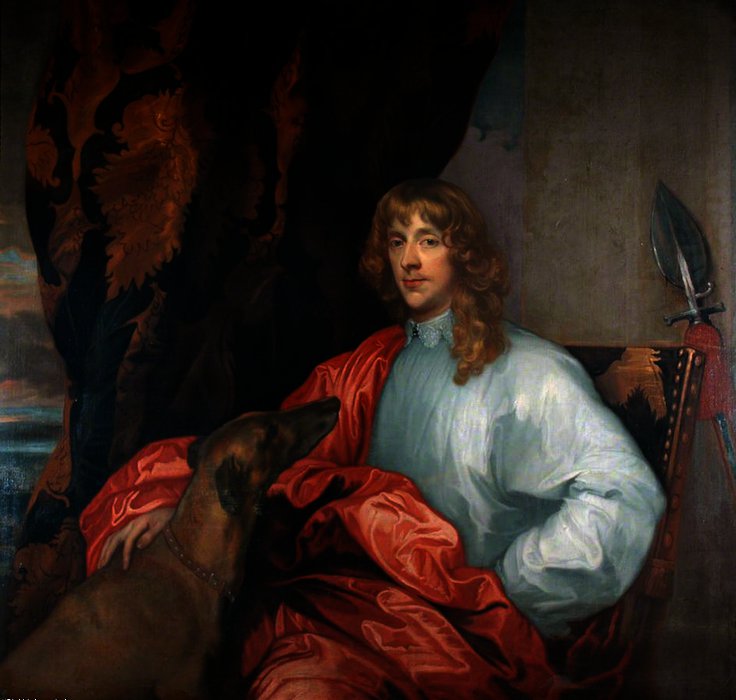
Retrato de James Stuart, Duque de Richmond

 Ver más
Giclée / Impresión de arte
Impresiones giclée o en lienzo de calidad de museo con producción rápida y opciones de acabado flexibles. ( Comprar pintura hecha a mano Cambiar a imagen digital)




P118B €10

P118H €10

P118W €10

P438Z €10

P508JH €12

P508YH €12

P805H €10

P805Z €10

P919BZ €10

P919G €10

P919XJ €10

P959ZH €10

P968JZ €12

W106C €8

W218G €10

W218JH €8

W218Y €10

W307PJ €10

W316G €10

W316PJ €8

W316Y €10

W398PJ €8

W4111J €10

W500HY €15

W500JH €15

W692G €12

W849H €8

W940BG €15

W953PJ €8




Elija entre nuestros tamaños predefinidos que respetan las proporciones originales de la obra.

Introduzca el ancho y el alto que necesite para adaptarse a su marco o pared. Una impresión solo puede recortarse, nunca hacerse más grande que la imagen original, por lo que un tamaño con una forma distinta perderá parte de la obra. Le enviaremos una maqueta digital para su aprobación antes de realizar cualquier impresión. La imagen que se muestra en esta página no refleja el recorte real; solo la maqueta lo hace.
Envío a todo el mundo () en 2 semanas en lugar de las 4/5 semanas estándar. (3 noviembre)

Envío exprés gratuito a todo el mundo

Lienzo de lino de alta calidad

Seguro de envío total

Garantía de reembolso de aranceles aduaneros

Garantía de fidelidad cromática exacta

Política de devolución de 100 días (solo por defectos)

Garantía de devolución del 100% del dinero

Descuento por cantidad
 La opción de vidrio solo está disponible en tamaños inferiores a 110 cm.

Retrato de James Stuart, Duque de Richmond
Giclée / Impresión de arte
Dimensiones de la reproducción
-


Precio total final
€ 72
Una Elegancia Barroca Dominada por el Poder y la Luz Dramática: Estudio Sobre el Retrato de James Stuart
Este impresionante retrato de James Stuart, Duque de Richmond y Lennox, ejecutado por Sir Anthony van Dyck alrededor de 1636, representa una pieza clave del arte barroco inglés y ofrece un fascinante vistazo a la vida aristocrática de la época. La obra captura magistralmente al noble hombre sentado en un entorno lujoso, donde la riqueza textil y la arquitectura crean profundidad espacial que invita a la contemplación. Pero más allá de la apariencia ostentosa, este cuadro posee una complejidad artística que merece ser explorada con detenimiento.El Maestro Rubens y el Legado Barroco
La influencia de Peter Paul Rubens es palpable en esta obra maestra. Van Dyck estudió diligentemente las técnicas innovadoras de Rubens – especialmente su uso del claroscuro – buscando inspiración para crear una atmósfera teatral y resaltar la figura central. Esta maestría en la iluminación, característica del estilo barroco, proyecta sombras poderosas que enfatizan los rasgos faciales de Stuart y la textura de sus prendas, generando una sensación de dramatismo y emoción contenida. Rubens había enseñado a Van Dyck cómo lograr efectos visuales impactantes, un conocimiento esencial para el desarrollo artístico del pintor flamenco.Estudio Técnico: Una Mezcla Precisa de Observación y Virtuosismo
La ejecución técnica revela la habilidad excepcional de van Dyck como artista. Aplicó capas sucesivas de óleo sobre lienzo con una precisión meticulosa, creando una textura rica y compleja que captura los detalles más pequeños del retrato. Los pinceles suaves delinean las líneas principales de la composición, mientras que otros movimientos expresivos aportan volumen y profundidad a la figura y al entorno. Esta técnica permite una representación realista y convincente, reflejando el compromiso del artista con la observación directa y la comprensión profunda de los principios técnicos del barroco. Además, el uso estratégico de colores cálidos como el rojo y el marrón refuerza la sensación de nobleza y prestigio asociada a la figura retratada.Simbolismo y Estado Aristocrático: Más Allá de la Imagen
El retrato no solo exhibe una belleza estética excepcional sino que también está cargado de simbolismo. La presencia del perro al lado de Stuart representa lealtad y protección, cualidades valoradas en la nobleza inglesa de ese período. El espada y el emblema real proyectan fuerza y autoridad, subrayando el estatus elevado del Duque y su importancia política. Estos elementos simbólicos contribuyen a una interpretación más amplia del cuadro como testimonio de la cultura aristocrática y las tradiciones artísticas de la época barroca en Inglaterra.Un Legado Duradero: Inspiración para Diseño Interior
Hoy en día, este retrato sigue siendo una fuente de inspiración para diseñadores interiores que buscan crear espacios elegantes y sofisticados. Los colores ricos y cálidos utilizados por van Dyck pueden replicarse con éxito en paredes y accesorios, evocando la atmósfera majestuosa del siglo XVII. Además, el estilo barroco dominante en esta obra maestra puede servir como guía para seleccionar muebles y obras de arte que transmitan una sensación de grandeza y tradición artística. Una reproducción de alta calidad permite apreciar los detalles impresionantes originales y disfrutar de un hermoso objeto decorativo con carácter histórico.Preguntas y respuestas
¿De qué manera el estilo de "Retrato de James Stuart, Duque de Richmond" se relaciona con la época de su creador?
En "Retrato de James Stuart, Duque de Richmond" de Sir Anthony van Dyck, el movimiento Baroque Realism se funde con la era Edad Moderna.
¿Se puede ver "Retrato de James Stuart, Duque de Richmond" de Sir Anthony van Dyck en una presentación de diapositivas?
Puede ver el diaporama de "Retrato de James Stuart, Duque de Richmond" en la página Galería de imágenes de la obra.
¿Para qué uso se recomienda una impresión de "Retrato de James Stuart, Duque de Richmond"?
Se recomienda una reproducción de "Retrato de James Stuart, Duque de Richmond" de Sir Anthony van Dyck para Pieza central, basándose en el tema, la atmósfera y los colores de la obra.
Biografía del artista
A Flemish Master at the Courts of Europe
Sir Anthony van Dyck, born in Antwerp in 1599, emerged as one of the most celebrated and influential portraitists of the Baroque era. His life, though tragically cut short at just forty-two years old, was a whirlwind of artistic exploration and prestigious commissions that took him from his native Flanders to Italy and ultimately to the heart of the English court. From an early age, van Dyck displayed remarkable talent, entering Hendrick van Balen’s workshop as a young apprentice and quickly absorbing the prevailing styles of the time. However, it was his association with Peter Paul Rubens – not merely as a student but as a collaborator – that truly shaped his artistic foundation. He learned from Rubens' dynamic compositions, rich color palettes, and masterful handling of light and shadow, yet van Dyck soon began to forge his own distinct path, one characterized by an elegance and refinement that would become his signature.Italian Sojourns and the Birth of a Style
The years van Dyck spent in Italy, beginning around 1621, proved pivotal in his artistic development. He resided primarily in Genoa, where he found favor among the city’s aristocratic families. It was here that he began to cultivate the sophisticated style for which he would become renowned – a style marked by graceful poses, luxurious fabrics, and an almost palpable sense of nobility. Unlike the robust energy often found in Rubens' work, van Dyck’s Italian portraits exude a refined composure, capturing not just physical likeness but also the inner character and social standing of his sitters. During this period, he embarked on his *Iconography*, a series of meticulously rendered portrait etchings featuring prominent figures of his time – artists, scholars, and rulers alike. This project showcased his exceptional technical skill and established him as a leading printmaker. These etchings weren’t simply records; they were carefully constructed images designed to immortalize the subjects and convey their status and intellect. He experimented with new techniques and constantly refined his style, pushing boundaries of artistic expression.The King's Painter: Van Dyck in England
In 1632, van Dyck received an invitation that would forever alter his career trajectory – a summons from Charles I of England to become the court painter. This appointment marked a turning point, not only for van Dyck but also for English portraiture. He arrived in London with a considerable reputation and quickly became indispensable to the king, tasked with creating images that projected an aura of power, majesty, and divine right. Van Dyck’s portraits of Charles I are particularly noteworthy; he moved away from the stiff, formal representations favored by earlier artists, instead portraying the king as a dynamic, charismatic leader. He employed innovative techniques – dramatic lighting, sweeping gestures, and carefully chosen backgrounds – to create images that were both visually stunning and politically charged. His influence extended beyond the royal family, shaping the visual culture of the English aristocracy for generations to come. He revolutionized portrait painting by prioritizing psychological insight alongside physical likeness.Legacy and Enduring Influence
Van Dyck's untimely death in 1641 robbed the art world of a prodigious talent, but his legacy endures to this day. His impact on English portraiture is immeasurable; he established a standard of elegance and sophistication that subsequent artists would strive to emulate. He was recognized as one of the most important Flemish painters of the Baroque era. His influence can still be seen today in fashion, photography, and contemporary portraiture—a testament to the timeless appeal of his art. He remains an icon of artistic excellence and continues to inspire admiration for his masterful compositions and refined aesthetic sensibilities.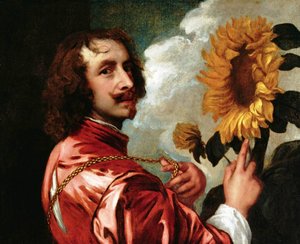
Sir Anthony van Dyck
1599 - 1641 , Bélgica
Datos clave
- Artistic Movement Or Style: Baroque
- Artists Who Influenced This Artist: ['Peter Paul Rubens']
- Date Of Birth: March 22, 1599
- Full Name: Sir Anthony van Dyck
- Nationality: Flemish
- Notable Artworks:
- Portrait of a Woman
- Charles I in Three Positions
- Place Of Birth: Antwerp, Belgium
Artículos relacionados
Sir Anthony van Dyck: Courtly Portraiture & the Shaping of Baroque Identity
Explore the life & legacy of Sir Anthony van Dyck, the leading court painter of his era. Discover his innovative portraiture, Baroque masterpieces, and investment potential for discerning collectors. Learn more at OriginalUniqueArt.

James Abbott McNeill Whistler: Las 25 Obras Maestras del Maestro del Arte y la Atmósfera | OriginalUniqueArt
Descubre las 25 obras maestras de James Abbott McNeill Whistler, el maestro del impresionismo y la armonía en arte. Explora retratos icónicos, nocturnos evocadores y su innovadora paleta de colores. Reproducciones de arte exclusivas en OriginalUniqueArt.com.
The Grandeur of Baroque Portraiture: Power, Emotion & Artistic Innovation
Explore the grandeur of Baroque portraiture! Discover Rubens, Van Dyck & the masters of 17th-century art. Uncover symbolism, techniques & lasting influence. Expert insights for collectors and enthusiasts.

Luz y Sombra: Las 25 Mejores Obras Maestras de Rembrandt van Rijn
Explora las 25 obras maestras de Rembrandt y su claroscuro. Encuentra reproducciones de museo en OriginalUniqueArt.com.

Las 25 mejores obras de Sir Alfred James Munnings: Maestría y elegancia ecuestre
Explora las 25 obras maestras de Sir Alfred James Munnings y su arte ecuestre. ¡Descubre toda la colección en OriginalUniqueArt.com!