Vista previa
 Compartir
 Compartir
 Ver detalles
 Guía
Guía

 Descargar
 Ver artículos similares
 Radiografía
 Presentación de diapositivas
 Estadísticas
Frans Snyders
 Óleo sobre lienzo
- Arte de pared
- Barroco
 1620
1620- Edad Moderna temprana
 142.0 x 105.0 cm
 The Frick Collection
 Leer más
Giclée / Impresión de arte
Impresiones giclée o en lienzo de calidad de museo con producción rápida y opciones de acabado flexibles. ( Encargar reproducción pintada a mano Ver versión en imagen digital)




P118B €10

P118H €10

P118W €10

P438Z €10

P508JH €12

P508YH €12

P805H €10

P805Z €10

P919BZ €10

P919G €10

P919XJ €10

P959ZH €10

P968JZ €12

W106C €8

W218G €10

W218JH €8

W218Y €10

W307PJ €10

W316G €10

W316PJ €8

W316Y €10

W398PJ €8

W4111J €10

W500HY €15

W500JH €15

W692G €12

W849H €8

W940BG €15

W953PJ €8




Elija entre nuestros tamaños predefinidos que respetan las proporciones originales de la obra.

Introduzca el ancho y el alto que necesite para adaptarse a su marco o pared. Una impresión solo puede recortarse, nunca hacerse más grande que la imagen original, por lo que un tamaño con una forma distinta perderá parte de la obra. Le enviaremos una maqueta digital para su aprobación antes de realizar cualquier impresión. La imagen que se muestra en esta página no refleja el recorte real; solo la maqueta lo hace.
Envío a todo el mundo () en 2 semanas en lugar de las 4/5 semanas estándar. (23 octubre)

Envío exprés gratuito a todo el mundo

Lienzo de lino de alta calidad

Seguro de envío completo

Garantía de reembolso de impuestos aduaneros

Garantía de fidelidad cromática exacta

Política de devolución de 100 días (solo por defectos)

Garantía de devolución del 100% del dinero

Oferta por volumen
 La opción de vidrio solo está disponible en tamaños inferiores a 110 cm.

Frans Snyders
Giclée / Impresión de arte
Tamaño de la reproducción
-


Precio total
€ 70
Una Sinfonía de Estatus y Sombra
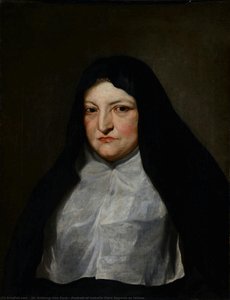
En el gran tapiz del Barroco flamenco, pocos momentos capturan la intersección entre el genio artístico y la aspiración social con tanta emotividad como el retrato de Frans Snyders realizado por Sir Anthony van Dyck en 1620. Esta obra maestra es mucho más que un simple parecido físico; es una puesta en escena del prestigio cuidadosamente orquestada. En su corazón se encuentra Snyders, un hombre cuya reputación como maestro de la pintura de animales y naturalezas muertas solo era igualada por su creciente prominencia social en Amberes. Ataviado con el sobrio pero lujoso negro propio de un caballero, con un impecable cuello blanco que atrae la mirada hacia sus facciones serenas, Snyders encarna la confianza silenciosa de la floreciente clase mercantil de la época. La presencia de figuras a su lado sugiere no solo un retrato familiar, sino un cuadro de éxito compartido, invitando al espectador a una reunión distinguida donde cada pliegue de la tela y cada sombra proyectada hablan de riqueza y estabilidad.
La brillantez técnica de Van Dyck se manifiesta plenamente a través de su magistral manipulación de la luz y la textura. Tras haber perfeccionado su oficio bajo la tutela del legendario Peter Paul Rubens, Van Dyck aporta una energía dinámica a esta composición que trasciende la quietud del retrato tradicional. Se puede observar el sutil juego del claroscuro —ese dramático contraste entre luces y sombras— que otorga una profundidad escultórica al rostro de Snyders y a los pesados ropajes que lo rodean. La pincelada es, a la vez, precisa y fluida, capturando la realidad táctil de la seda, el encaje y la piel con una gracia natural. Para el coleccionista exigente, esta pintura ofrece una ventana a la obsesión barroca por la materialidad, donde el brillo de una manga o la suave luz que acaricia una mejilla sirven para asentar el elevado estatus del sujeto en una realidad palpable y física.
La Edad de Oro de Amberes
Para comprender esta obra, es necesario mirar más allá del marco, hacia las vibrantes y prósperas calles de la Amberes del siglo XVII. Esta fue una era de florecimiento económico sin precedentes, donde el comercio y la innovación artística impulsaron un renacimiento cultural. La existencia misma de este retrato sirve como un documento histórico del ascenso de Snyders; tras haber adquirido recientemente una magnífica casa señorial en la prestigiosa Meirstraat, el retratado utilizó el pincel de Van Dyck para consolidar el legado de su familia. La pintura funciona como un manifiesto visual de las ambiciones sociales de la pareja, reflejando un tiempo en el que el arte era la moneda definitiva de la influencia. Es un periodo donde los límites entre el artista y el mecenas se desdibujaron, creando un lenguaje compartido de elegancia que continúa resonando en la estética moderna.
Para aquellos que buscan integrar una pieza tan profunda en un interior contemporáneo, esta reproducción ofrece un sentido inigualable de gravedad histórica y encanto sofisticado. Ya sea colocada en un estudio formal o como punto focal en un gran pasillo, la pintura aporta consigo una atmósfera de profundidad intelectual y lujo atemporal. No es meramente una decoración, sino una invitación a contemplar el poder perdurable del legado y la belleza del logro humano. Poseer una obra que captura la esencia de la elegancia refinada de Van Dyck permite que un espacio respire con el espíritu de la Edad de Oro, proporcionando una fuente constante de inspiración y una conexión sofisticada con los maestros del pasado.
Preguntas y respuestas
¿De qué tamaño se recomienda "Frans Snyders" para un Salón principal?
La combinación recomendada para "Frans Snyders" de Sir Anthony van Dyck: una impresión de Gran formato en un/a Salón principal.
¿Qué alias o nombres alternativos tiene Sir Anthony van Dyck?
Otros nombres registrados para Sir Anthony van Dyck, creador de "Frans Snyders", incluyen Antoon van Dyck.
¿De qué está hecho "Frans Snyders"?
Sir Anthony van Dyck utilizó la técnica de Óleo sobre lienzo para "Frans Snyders". La técnica define la naturaleza material de la obra original.
Biografía del artista
A Flemish Master at the Courts of Europe
Sir Anthony van Dyck, born in Antwerp in 1599, emerged as one of the most celebrated and influential portraitists of the Baroque era. His life, though tragically cut short at just forty-two years old, was a whirlwind of artistic exploration and prestigious commissions that took him from his native Flanders to Italy and ultimately to the heart of the English court. From an early age, van Dyck displayed remarkable talent, entering Hendrick van Balen’s workshop as a young apprentice and quickly absorbing the prevailing styles of the time. However, it was his association with Peter Paul Rubens – not merely as a student but as a collaborator – that truly shaped his artistic foundation. He learned from Rubens' dynamic compositions, rich color palettes, and masterful handling of light and shadow, yet van Dyck soon began to forge his own distinct path, one characterized by an elegance and refinement that would become his signature.Italian Sojourns and the Birth of a Style
The years van Dyck spent in Italy, beginning around 1621, proved pivotal in his artistic development. He resided primarily in Genoa, where he found favor among the city’s aristocratic families. It was here that he began to cultivate the sophisticated style for which he would become renowned – a style marked by graceful poses, luxurious fabrics, and an almost palpable sense of nobility. Unlike the robust energy often found in Rubens' work, van Dyck’s Italian portraits exude a refined composure, capturing not just physical likeness but also the inner character and social standing of his sitters. During this period, he embarked on his *Iconography*, a series of meticulously rendered portrait etchings featuring prominent figures of his time – artists, scholars, and rulers alike. This project showcased his exceptional technical skill and established him as a leading printmaker. These etchings weren’t simply records; they were carefully constructed images designed to immortalize the subjects and convey their status and intellect. He experimented with new techniques and constantly refined his style, pushing boundaries of artistic expression.The King's Painter: Van Dyck in England
In 1632, van Dyck received an invitation that would forever alter his career trajectory – a summons from Charles I of England to become the court painter. This appointment marked a turning point, not only for van Dyck but also for English portraiture. He arrived in London with a considerable reputation and quickly became indispensable to the king, tasked with creating images that projected an aura of power, majesty, and divine right. Van Dyck’s portraits of Charles I are particularly noteworthy; he moved away from the stiff, formal representations favored by earlier artists, instead portraying the king as a dynamic, charismatic leader. He employed innovative techniques – dramatic lighting, sweeping gestures, and carefully chosen backgrounds – to create images that were both visually stunning and politically charged. His influence extended beyond the royal family, shaping the visual culture of the English aristocracy for generations to come. He revolutionized portrait painting by prioritizing psychological insight alongside physical likeness.Legacy and Enduring Influence
Van Dyck's untimely death in 1641 robbed the art world of a prodigious talent, but his legacy endures to this day. His impact on English portraiture is immeasurable; he established a standard of elegance and sophistication that subsequent artists would strive to emulate. He was recognized as one of the most important Flemish painters of the Baroque era. His influence can still be seen today in fashion, photography, and contemporary portraiture—a testament to the timeless appeal of his art. He remains an icon of artistic excellence and continues to inspire admiration for his masterful compositions and refined aesthetic sensibilities.
Sir Anthony van Dyck
1599 - 1641 , Bélgica
Datos clave
- Artistic Movement Or Style: Baroque
- Artists Who Influenced This Artist: ['Peter Paul Rubens']
- Date Of Birth: March 22, 1599
- Full Name: Sir Anthony van Dyck
- Nationality: Flemish
- Notable Artworks:
- Portrait of a Woman
- Charles I in Three Positions
- Place Of Birth: Antwerp, Belgium
Artículos relacionados

Sir Anthony van Dyck: Courtly Portraiture & the Shaping of Baroque Identity
Explore the life & legacy of Sir Anthony van Dyck, the leading court painter of his era. Discover his innovative portraiture, Baroque masterpieces, and investment potential for discerning collectors. Learn more at OriginalUniqueArt.

Rembrandt van Rijn: Las 25 Obras Maestras que Definen un Genio | Arte, Historia y Decoración
Descubre las 25 obras maestras de Rembrandt van Rijn, el genio del barroco holandés. Explora su historia, técnica y simbolismo en retratos icónicos como 'La Ronda Nocturna'. Encuentra reproducciones de arte exclusivas para decorar tu hogar con OriginalUniqueArt.com.

Los 10 Maestros del Barroco Holandés: Obras que Definen una Época | OriginalUniqueArt
Descubre los 10 imprescindibles del Barroco holandés: Rembrandt, Vermeer y más. Explora la historia, técnica y belleza de estas obras maestras. Reproducciones de arte en OriginalUniqueArt.com para decorar tu hogar con elegancia.

Reflejos de una Época Dorada: La Pintura Barroca Holandesa y la Innovación Cultural
Descubra la riqueza y el detalle de la pintura barroca holandesa del Siglo de Oro. Explore las obras maestras de Rembrandt, Vermeer y otros artistas clave. Análisis experto e historia cultural.

Los 10 Maestros del Siglo de Oro Holandés: Arte, Historia y Decoración Exclusiva
Descubre los 10 imprescindibles del Siglo de Oro Holandés: Rembrandt, Vermeer y más. Explora la historia, técnica y belleza de estos lienzos clásicos. Encuentra reproducciones de arte exclusivas para decorar tu hogar en .