Vista previa
 Compartir
 Compartir
 Ver detalles
 Guía
Guía

 Descargar
 Ver artículos similares
 Radiografía
 Presentación de diapositivas
 Estadísticas
Filipo Cuarto Lord Wharton


 Leer más
Giclée / Impresión de arte
Impresiones giclée o en lienzo de calidad de museo con producción rápida y opciones de acabado flexibles. ( Encargar reproducción pintada a mano Ver versión en imagen digital)




P118B €10

P118H €10

P118W €10

P438Z €10

P508JH €12

P508YH €12

P805H €10

P805Z €10

P919BZ €10

P919G €10

P919XJ €10

P959ZH €10

P968JZ €12

W106C €8

W218G €10

W218JH €8

W218Y €10

W307PJ €10

W316G €10

W316PJ €8

W316Y €10

W398PJ €8

W4111J €10

W500HY €15

W500JH €15

W692G €12

W849H €8

W940BG €15

W953PJ €8




Elija entre nuestros tamaños predefinidos que respetan las proporciones originales de la obra.

Introduzca el ancho y el alto que necesite para adaptarse a su marco o pared. Una impresión solo puede recortarse, nunca hacerse más grande que la imagen original, por lo que un tamaño con una forma distinta perderá parte de la obra. Le enviaremos una maqueta digital para su aprobación antes de realizar cualquier impresión. La imagen que se muestra en esta página no refleja el recorte real; solo la maqueta lo hace.
Envío a todo el mundo () en 2 semanas en lugar de las 4/5 semanas estándar. (24 octubre)

Envío exprés gratuito a todo el mundo

Lienzo de lino de alta calidad

Seguro de envío completo

Garantía de reembolso de impuestos aduaneros

Garantía de fidelidad cromática exacta

Política de devolución de 100 días (solo por defectos)

Garantía de devolución del 100% del dinero

Oferta por volumen
 La opción de vidrio solo está disponible en tamaños inferiores a 110 cm.

Filipo Cuarto Lord Wharton
Giclée / Impresión de arte
Tamaño de la reproducción
-


Precio total
€ 70
El Retrato de Filipo Cuarto Lord Wharton
En este óleo sobre lienzo de 1632, Sir Anthony van Dyck retrata a Philip, el cuarto barón Wharton. El sujeto se presenta en una pose de tres cuartos frente a un paisaje que incluye un fondo rocoso y un árbol estilizado. Viste un jubón y calzas con bordados intrincados, combinados con una prenda de tonos púrpura profundo y oro. Una bandera verde o drapeado cuelga detrás de él, mientras que una hoz de pastor descansa en el pliegue de su brazo. La luz incide sobre su rostro, resaltando una mirada firme dirigida hacia el espectador. Su atuendo incluye texturas de seda y telas pesadas que captan la luz con distintos grados de brillo.
La composición utiliza elementos específicos para comunicar estatus e identidad. La bandera verde sirve como un marcador de linaje noble y lealtad a la Corona. La presencia de la herramienta de pastor introduce un tema arcádico, sugiriendo ideales neoplatónicos de belleza y un estado idílico. Van Dyck emplea la técnica barroca del claroscuro, utilizando sutiles gradaciones de luz y sombra para definir los contornos de las facciones de Wharton y los pliegues de su vestimenta. La aplicación del pigmento es precisa, creando una superficie luminosa que enfatiza la presencia física del retratado.
Contexto Histórico y Ejecución Artística
Creado durante el reinado de Carlos I, este retrato refleja las exigencias formales de la corte inglesa. En esta época, Van Dyck había llegado recientemente a Londres para desempeñarse como el principal pintor de la corte. La pintura captura la jerarquía social de la Inglaterra del siglo XVII a través de la representación del vestido aristocrático y los símbolos de autoridad. La vestimenta del modelo, caracterizada por sus materiales costosos y una artesanía detallada, funciona como un registro visual de su posición dentro del panorama político.
El enfoque técnico se basa en la cuidadosa superposición de capas de pintura al óleo para lograr profundidad. Van Dyck se concentra en la interacción entre el sujeto y su entorno, utilizando los elementos naturales del fondo para enmarcar la figura. La expresión del retratado es serena, transmitiendo una sensación de seguridad mediante una mirada directa y sin parpadeos. Este método de retratística se aleja de los semejantes rígidos y formales para avanzar hacia una observación más matizada del carácter, capturando un estado psicológico específico a través del control de la postura y los músculos faciales.
Preguntas y respuestas
¿Está "Filipo Cuarto Lord Wharton" disponible como una impresión de bellas artes?
Puede solicitar una impresión de "Filipo Cuarto Lord Wharton" de Sir Anthony van Dyck directamente en su página de Impresión de bellas artes: una impresión de bellas artes sobre lienzo de algodón o papel de lienzo de archivo.
¿Los colores de "Filipo Cuarto Lord Wharton" se ven intensos o suaves?
Los colores en "Filipo Cuarto Lord Wharton" de Sir Anthony van Dyck tienen una intensidad Equilibrado.
¿De qué manera el estilo de "Filipo Cuarto Lord Wharton" se relaciona con la época de su creador?
"Filipo Cuarto Lord Wharton" pertenece al movimiento Baroque Style, y su creador trabajó en la época Edad Moderna temprana.
Biografía del artista
A Flemish Master at the Courts of Europe
Sir Anthony van Dyck, born in Antwerp in 1599, emerged as one of the most celebrated and influential portraitists of the Baroque era. His life, though tragically cut short at just forty-two years old, was a whirlwind of artistic exploration and prestigious commissions that took him from his native Flanders to Italy and ultimately to the heart of the English court. From an early age, van Dyck displayed remarkable talent, entering Hendrick van Balen’s workshop as a young apprentice and quickly absorbing the prevailing styles of the time. However, it was his association with Peter Paul Rubens – not merely as a student but as a collaborator – that truly shaped his artistic foundation. He learned from Rubens' dynamic compositions, rich color palettes, and masterful handling of light and shadow, yet van Dyck soon began to forge his own distinct path, one characterized by an elegance and refinement that would become his signature.Italian Sojourns and the Birth of a Style
The years van Dyck spent in Italy, beginning around 1621, proved pivotal in his artistic development. He resided primarily in Genoa, where he found favor among the city’s aristocratic families. It was here that he began to cultivate the sophisticated style for which he would become renowned – a style marked by graceful poses, luxurious fabrics, and an almost palpable sense of nobility. Unlike the robust energy often found in Rubens' work, van Dyck’s Italian portraits exude a refined composure, capturing not just physical likeness but also the inner character and social standing of his sitters. During this period, he embarked on his *Iconography*, a series of meticulously rendered portrait etchings featuring prominent figures of his time – artists, scholars, and rulers alike. This project showcased his exceptional technical skill and established him as a leading printmaker. These etchings weren’t simply records; they were carefully constructed images designed to immortalize the subjects and convey their status and intellect. He experimented with new techniques and constantly refined his style, pushing boundaries of artistic expression.The King's Painter: Van Dyck in England
In 1632, van Dyck received an invitation that would forever alter his career trajectory – a summons from Charles I of England to become the court painter. This appointment marked a turning point, not only for van Dyck but also for English portraiture. He arrived in London with a considerable reputation and quickly became indispensable to the king, tasked with creating images that projected an aura of power, majesty, and divine right. Van Dyck’s portraits of Charles I are particularly noteworthy; he moved away from the stiff, formal representations favored by earlier artists, instead portraying the king as a dynamic, charismatic leader. He employed innovative techniques – dramatic lighting, sweeping gestures, and carefully chosen backgrounds – to create images that were both visually stunning and politically charged. His influence extended beyond the royal family, shaping the visual culture of the English aristocracy for generations to come. He revolutionized portrait painting by prioritizing psychological insight alongside physical likeness.Legacy and Enduring Influence
Van Dyck's untimely death in 1641 robbed the art world of a prodigious talent, but his legacy endures to this day. His impact on English portraiture is immeasurable; he established a standard of elegance and sophistication that subsequent artists would strive to emulate. He was recognized as one of the most important Flemish painters of the Baroque era. His influence can still be seen today in fashion, photography, and contemporary portraiture—a testament to the timeless appeal of his art. He remains an icon of artistic excellence and continues to inspire admiration for his masterful compositions and refined aesthetic sensibilities.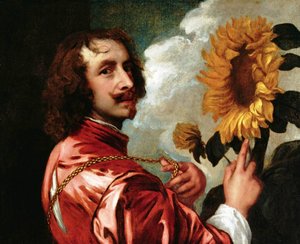
Sir Anthony van Dyck
1599 - 1641 , Bélgica
Datos clave
- Artistic Movement Or Style: Baroque
- Artists Who Influenced This Artist: ['Peter Paul Rubens']
- Date Of Birth: March 22, 1599
- Full Name: Sir Anthony van Dyck
- Nationality: Flemish
- Notable Artworks:
- Portrait of a Woman
- Charles I in Three Positions
- Place Of Birth: Antwerp, Belgium
Artículos relacionados

Flemish Baroque: The Ultimate Masterclass in Dramatic Light, Opulent Detail, and Visual Impact
Discover the breathtaking drama of Flemish Baroque art. Explore the mastery of Rubens and Van Dyck through an expert lens, focusing on chiaroscuro, opulent detail, and the emotional intensity that defines this legendary era of visual impact.
Sir Anthony van Dyck: Courtly Portraiture & the Shaping of Baroque Identity
Explore the life & legacy of Sir Anthony van Dyck, the leading court painter of his era. Discover his innovative portraiture, Baroque masterpieces, and investment potential for discerning collectors. Learn more at OriginalUniqueArt.

Rembrandt van Rijn: Las 25 Obras Maestras que Definen un Genio | Arte, Historia y Decoración
Descubre las 25 obras maestras de Rembrandt van Rijn, el genio del barroco holandés. Explora su historia, técnica y simbolismo en retratos icónicos como 'La Ronda Nocturna'. Encuentra reproducciones de arte exclusivas para decorar tu hogar con OriginalUniqueArt.com.
The Grandeur of Baroque Portraiture: Power, Emotion & Artistic Innovation
Explore the grandeur of Baroque portraiture! Discover Rubens, Van Dyck & the masters of 17th-century art. Uncover symbolism, techniques & lasting influence. Expert insights for collectors and enthusiasts.

Barroco Sublime: 10 Obras Maestras que Definieron una Época |
Descubre las 10 obras maestras del Barroco que marcaron una época. Caravaggio, Bernini y Velázquez cobran vida en . Reproducciones de arte de calidad museo para decorar tu hogar con elegancia. ¡Explora la colección online!