
 Ver en contexto
 Enviar
 Compartir
 Detalles
 Guía
Guía

 Descargar
 Similares
 Radiografía
 Presentación de diapositivas
 Preguntas y respuestas
 Estadísticas
In the villa

- 48.0 x 68.0 cm


 Ver más
Giclée / Impresión de arte
Impresiones giclée o en lienzo de calidad de museo con producción rápida y opciones de acabado flexibles. ( Comprar pintura hecha a mano Cambiar a imagen digital)




P118B €10

P118H €10

P118W €10

P438Z €10

P508JH €12

P508YH €12

P805H €10

P805Z €10

P919BZ €10

P919G €10

P919XJ €10

P959ZH €10

P968JZ €12

W106C €8

W218G €10

W218JH €8

W218Y €10

W307PJ €10

W316G €10

W316PJ €8

W316Y €10

W398PJ €8

W4111J €10

W500HY €15

W500JH €15

W692G €12

W849H €8

W940BG €15

W953PJ €8




Elija entre nuestros tamaños predefinidos que respetan las proporciones originales de la obra.

Introduzca el ancho y el alto que necesite para adaptarse a su marco o pared. Una impresión solo puede recortarse, nunca hacerse más grande que la imagen original, por lo que un tamaño con una forma distinta perderá parte de la obra. Le enviaremos una maqueta digital para su aprobación antes de realizar cualquier impresión. La imagen que se muestra en esta página no refleja el recorte real; solo la maqueta lo hace.
Envío a todo el mundo () en 2 semanas en lugar de las 4/5 semanas estándar. (5 noviembre)

Envío exprés gratuito a todo el mundo

Lienzo de lino de alta calidad

Seguro de envío total

Garantía de reembolso de aranceles aduaneros

Garantía de fidelidad cromática exacta

Política de devolución de 100 días (solo por defectos)

Garantía de devolución del 100% del dinero

Descuento por cantidad
 La opción de vidrio solo está disponible en tamaños inferiores a 110 cm.

In the villa
Giclée / Impresión de arte
Dimensiones de la reproducción
-


Precio total final
€ 72
A Moment Frozen in Tuscan Tranquility
In the quiet corners of art history, few works capture the essence of peaceful companionship as tenderly as Silvestro Lega’s 1880 masterpiece, “In the Villa.” The painting invites the viewer into a serene tableau, where a man and a woman sit closely together on a bench, nestled beneath the dappled shade of mature, protective trees. This is not merely a depiction of a garden scene; it is an intimate study of connection. Lega meticulously arranges his subjects against a lush backdrop of foliage, creating a harmonious balance that draws the eye inward, toward the silent, shared language between the two figures. The atmosphere is one of profound stillness, as if the very air of the Tuscan landscape has paused to honor this private moment of togetherness.
The technical brilliance of the piece lies in Lega’s mastery of the Macchiaioli technique. Moving away from the polished, often artificial perfection of academic idealism, Lega embraced the concept of “macchia”—the use of distinct spots or patches of color to build form and light. Rather than relying on smooth, seamless transitions, he applied pigment in irregular, textured strokes that capture the flickering interplay of sunlight and shadow. This method lends an incredible immediacy to the work, making the textures of the leaves and the soft light filtering through the canopy feel palpable. For the discerning collector or interior designer, this technique provides a rich, tactile quality that brings a sense of organic life and movement to any space.
Symbolism and the Spirit of the Belle Époque
Beyond its surface beauty, “In the Villa” is layered with subtle symbolic resonances that elevate it from a simple genre painting to a work of deep contemplation. The sturdy trees framing the couple serve as metaphors for stability and longevity, mirroring the enduring nature of the bond they share. Even a small detail, such as a bird soaring in the distant sky, adds a layer of poetic aspiration and freedom to the composition. Through a palette of muted greens, earthy browns, and soft ochres, Lega achieves a tonal harmony that evokes a sense of timelessness, grounding the fleeting moment in something much more permanent.
Historically, this work emerged during the Belle Époque, a period of significant cultural and political transformation in Italy. As a leading figure of the Macchiaioli movement, Lega’s art was deeply rooted in social realism and a commitment to observing the truth of everyday life. His involvement in the political currents of his era—including his support for Italian unification—infused his landscapes with a sense of grounded reality and emotional honesty. To possess a reproduction of this work is to hold a piece of Italian heritage, capturing a period where art sought to find beauty in the authentic, unadorned moments of human existence.
For those looking to infuse their homes or galleries with a sense of calm and sophistication, “In the Villa” offers an unparalleled emotional impact. It is a painting that does not demand attention through loud colors or dramatic action, but rather earns it through its quiet, soulful presence. Whether placed in a sunlit study or a contemporary living space, this work serves as a window into a world of grace, reminding us of the beauty found in simplicity and the enduring strength of human connection.
Preguntas y respuestas
¿En qué año se creó "In the villa"?
"In the villa" data de 1880. Esta fecha sitúa la obra dentro de la trayectoria de Silvestro Lega y de su época.
¿Cuáles son las dimensiones de la obra original "In the villa" de Silvestro Lega?
Las dimensiones registradas de "In the villa" de Silvestro Lega son 48 x 68 cm. Se pueden solicitar reproducciones en otros tamaños manteniendo las mismas proporciones.
¿Qué tan armoniosa es la combinación de colores en "In the villa"?
Los colores de "In the villa" de Silvestro Lega presentan una armonía Strong Color Unity. La armonía describe la relación entre los colores.
Biografía del artista
Silvestro Lega: Una Vida en el Realismo Italiano
- Nacido: Modignan, Italia (1826)
- Fallecido: 1895
Silvestro Lega fue una figura significativa en el arte italiano del siglo XIX, reconocido como un artista líder dentro del movimiento Macchiaioli. Su obra encarna un compromiso con el realismo y la observación de la vida cotidiana, entrelazada con su participación en las corrientes políticas de su tiempo.
Primeros Años y Formación Artística
- Antecedentes Familiares: Lega nació en una familia adinerada en Modigliana, cerca de Forlì.
- Educación: Desde 1838, asistió al Colegio Piarista donde sus habilidades para el dibujo se hicieron evidentes. Luego estudió en la Accademia di Belle Arti de Florencia (1843-1847), inicialmente bajo Benedetto Servolini y Tommaso Gazzarini para dibujo, estudiando brevemente pintura con Giuseppe Bezzuoli.
- Influencia de Luigi Mussini: La formación de Lega continuó bajo Luigi Mussini, enfatizando los principios florentinos del siglo XV del dibujo y la construcción. Esta base moldeó su enfoque artístico temprano.
- Servicio Militar y Risorgimento: Como voluntario garibaldino, Lega participó en las campañas militares para la independencia italiana (1848-49), demostrando su compromiso con el Risorgimento.
- Estudios Posteriores: Más tarde estudió bajo Antonio Ciseri.
El Movimiento Macchiaioli y Desarrollo Artístico
- Estilo Académico Inicial: Inicialmente, el estilo de Lega permaneció en gran medida académico, como lo señaló el contemporáneo Diego Martelli quien observó su participación infrecuente en las vibrantes discusiones artísticas en el Caffè Michelangelo, un centro para jóvenes pintores.
- Transición al Realismo: A partir de 1859, la obra de Lega comenzó a cambiar hacia el realismo, alejándose del enfoque purista de Mussini. Esta evolución es evidente en los lunettes que pintó para el Oratorio de la Madonna del Cantone en Modigliana (1858-1863).
- Pintura En Plein Air: Lega se unió a sus colegas Macchiaioli – Odoardo Borrani, Giuseppe Abbati, Telemaco Signorini y Raffaello Sernesi – en la adopción de la pintura en plein air, observando directamente y capturando los matices de los paisajes.
- El Período de la Familia Batelli (1861-1870): Un período significativo en la vida de Lega fue pasar tiempo con la familia Batelli cerca del río Affrico. Este tiempo influyó profundamente en su arte, ya que retrató a sus hijos y mujeres en numerosas pinturas, reflejando una sensación de tranquilidad doméstica.
Obras Clave y Estilo Artístico
- Pinturas Notables: Algunas de las obras más celebradas de Lega incluyen “A Walk in the Garden” (1870), "Il Pergolato" (también conocido como "Il dopopranzo") (1864), “The House of Don Giovanni Veritá” (1885), “In the Garden” (1883) y “Garden in Bellariva” (1884).
- Características del Estilo: El estilo de Lega se caracteriza por un cuidadoso equilibrio entre la composición tradicional y el uso contemporáneo del color, derivado de la observación directa. Empleó formas cuidadosamente definidas y representó la atmósfera con transparencia de colores. Sus obras posteriores muestran una influencia impresionista.
- Enfoque Temático: Sus pinturas a menudo representan escenas de la vida rural, reuniones familiares y retratos, reflejando un enfoque en las experiencias cotidianas de personas comunes.
Años Posteriores y Legado
- Tragedia Personal: La pérdida de Virginia Batelli (su compañera), junto con tres hermanos, sumió a Lega en una profunda tristeza y depresión en 1870. Este período condujo a una pausa de cuatro años en la pintura (1874-1878).
- Exploración Artística e Impresionismo: A pesar de sus luchas personales, Lega permaneció comprometido con el mundo del arte. Admiraba las obras de Camille Pissarro y estableció una galería de arte en Florencia con Odoardo Borrani, aunque fue efímera.
- Años Finales: En sus años posteriores, se convirtió en tutor de los hijos de la familia Tommasi, encontrando renovada estabilidad e inspiración artística. Sus obras finales, como “The Gabbarigiane”, demuestran un compromiso continuo con el realismo a pesar de la disminución de su vista.
- Significado Histórico: La contribución de Silvestro Lega radica en su capacidad para sintetizar las técnicas composicionales tradicionales con la estética realista emergente del movimiento Macchiaioli. Capturó la esencia de la vida italiana con sensibilidad y habilidad, dejando atrás una obra que continúa resonando entre el público hoy en día. Su enfoque en los temas cotidianos los elevó a un significado artístico, contribuyendo al cambio más amplio hacia el realismo en el arte europeo del siglo XIX.

Silvestro Lega
1826 - 1895 , Italia
Datos clave
- Artistas Que Influyeron:
- Luigi Mussini
- Antonio Ciseri
- Fecha De Fallecimiento: 21 de septiembre de 1895
- Fecha De Nacimiento: 8 de diciembre de 1826
- Lugar De Nacimiento: Modigliana, Italia
- Movimiento Artístico: Realismo, Macchiaioli
- Movimientos Influenciados: ['Impresionismo']
- Nacionalidad: Italiana
- Nombre Completo: Silvestro Lega
- Obras Notables:
- Paseo en el jardín (1870)
- Il Pergolato (1864)
- La casa de Don Giovanni Veritá
- En el jardín (1883)
- Jardín en Bellariva (1884)
Artículos relacionados

Paisajes Románticos: 10 Obras Maestras que Definieron un Movimiento Artístico
Descubre los 10 paisajes románticos más influyentes de artistas como Caspar David Friedrich y Turner. Explora la belleza, el simbolismo y las técnicas del movimiento romántico. Reproducciones de arte exclusivas en OriginalUniqueArt.com.

Giovanni Fattori: Realism, Identity & the Tuscan Landscape – A Macchiaioli Master
Explore the life & art of Giovanni Fattori, a leading figure of the Macchiaioli movement. Discover his revolutionary realism, captivating Tuscan landscapes, and lasting impact on Italian painting. Learn more at OriginalUniqueArt.

Evocations of Place: A Historical Journey Through Landscape Art
Explore the rich history of landscape art with OriginalUniqueArt. Discover renowned artists, movements like Impressionism & Romanticism, and expert guidance for collecting timeless pieces. Find your perfect serene escape today!
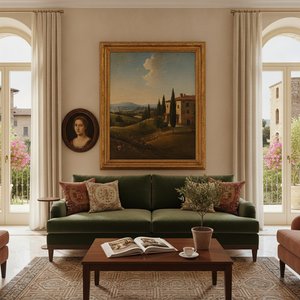
The Art of Italian Living: Transform Your Home with Timeless Landscapes and Renaissance Masterpieces
Elevate your home with the timeless romance of Italy. Discover expert-curated, hand-painted Italian landscapes and Renaissance-inspired masterpieces. From bespoke oil reproductions to custom portraits from photos, transform your space with elegance and artistic passion.

10 Obras Maestras del Realismo Romántico que Debes Conocer
Explora la emoción y el detalle del Realismo Romántico. Un viaje por 10 obras maestras que capturan la esencia humana con técnica y alma. Encuentra inspiración y reproducciones de calidad museo para tu hogar en OriginalUniqueArt.com. ¡Descubre toda la colección online!


