
 Vista previa
 Compartir
 Compartir
 Ver detalles

 Descargar
 Ver similares
 Radiografía
 Presentación de diapositivas
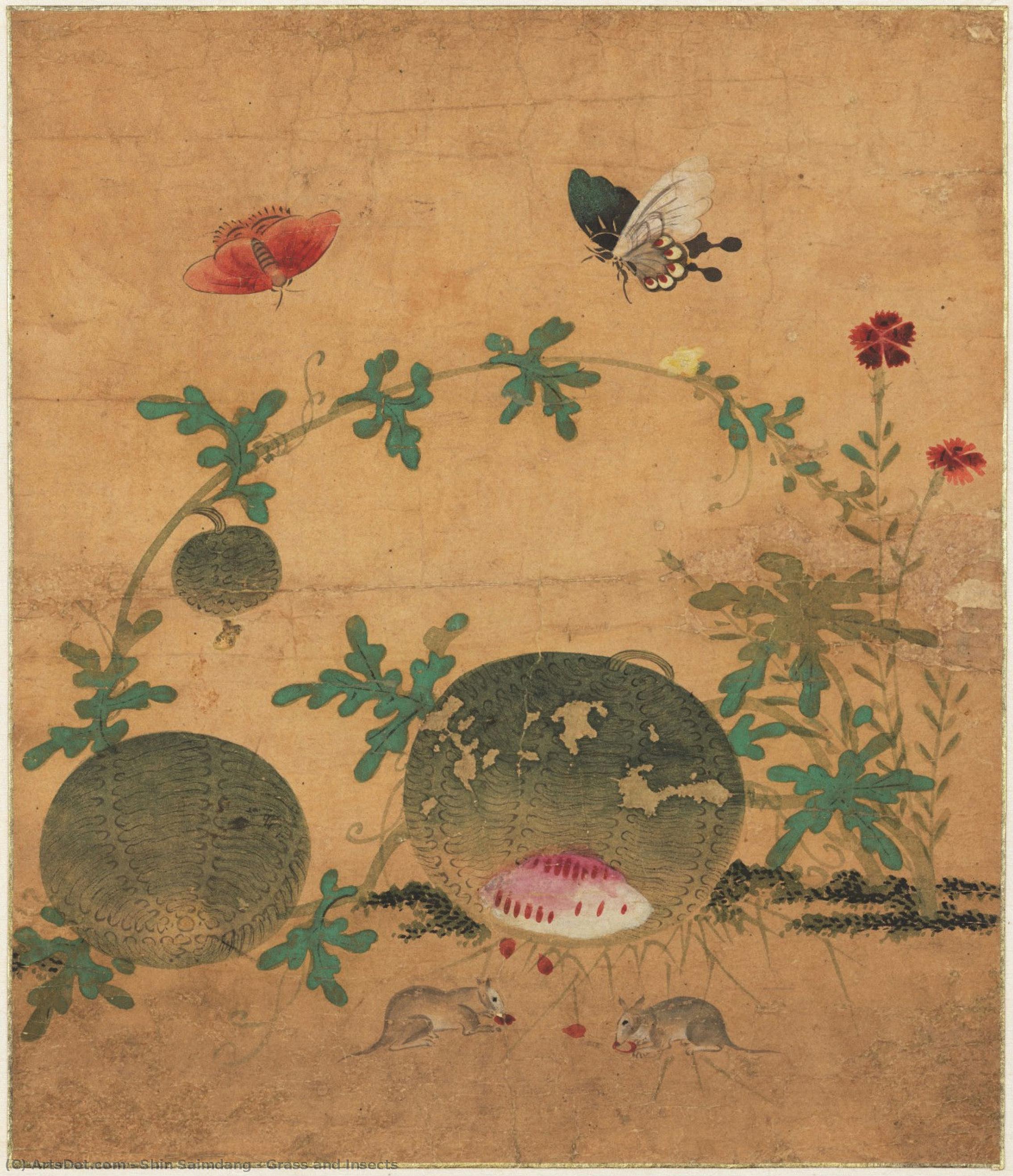
Grass and Insects


 Leer más
Reproducción al óleo hecha a mano
Óleo sobre lienzo pintado a mano en el tamaño y marco de su elección, realizado por encargo por nuestros artistas. ( Pedir impresión Comprar descarga)




P118B $10

P118H $10

P118W $10

P438Z $10

P508JH $12

P508YH $12

P805H $10

P805Z $10

P919BZ $10

P919G $10

P919XJ $10

P959ZH $10

P968JZ $12

W106C $8

W218G $10

W218JH $8

W218Y $10

W307PJ $10

W316G $10

W316PJ $8

W316Y $10

W398PJ $8

W4111J $10

W500HY $15

W500JH $15

W692G $12

W849H $8

W940BG $15

W953PJ $8




Elija entre nuestros tamaños predefinidos que respetan las proporciones originales de la obra.

Puede ingresar sus propias dimensiones para adaptarse a un marco o espacio específico. Si el tamaño seleccionado no coincide con las proporciones de la imagen original, recortaremos la obra o extenderemos la pintura con elementos adicionales pintados a mano. Se le enviará una maqueta digital para su aprobación antes de comenzar la producción.
Tenga en cuenta que la vista previa en pantalla no refleja el recorte o la extensión reales. Solo la maqueta mostrará con precisión la composición final.
Si bien existen tamaños personalizados, recomendamos seleccionar una dimensión de la lista predefinida para preservar las proporciones originales.
Tras realizar el pedido, el equipo de OriginalUniqueArt.com enviará un correo electrónico al cliente para solicitar instrucciones y proporcionarle una vista previa del boceto.
Envío a todo el mundo () en 3-4 semanas en lugar de las 5 semanas estándar. (21 agosto). Sin comprometer la calidad.

Envío exprés gratuito a todo el mundo

Lienzo de lino de alta calidad

Seguro de envío completo

Garantía de reembolso de aranceles aduaneros

Garantía de fidelidad cromática exacta

Política de devolución de 60 días (solo por defectos)

Garantía de devolución del 100% del dinero

Oferta por volumen
 La opción de vidrio solo está disponible en tamaños inferiores a 110 cm.

Grass and Insects
Técnica de reproducción
Tamaño de la reproducción
-


Precio total
$ 300
Descripción de la obra
A Symphony of Nature’s Palette: Exploring Shin Saimdang's "Grass and Insects"
Shin Saimdang’s “Grass and Insects,” a captivating panel from the monumental ten-panel folding screen created in 1504, offers a profound glimpse into the world as perceived by one of Korea’s most celebrated female artists. More than merely a depiction of flora and fauna, this work embodies a delicate balance between meticulous observation and poetic interpretation – a hallmark of Saimdang's artistic philosophy. The painting, now housed within the National Museum of Korea in Seoul, is not simply a representation of nature; it’s an invitation to contemplate its intricate beauty and transient qualities.
The composition immediately draws the eye into a vibrant microcosm teeming with life. A profusion of meticulously rendered plants – watermelons plump with ripeness, eggplants hinting at earthy sweetness, poppies ablaze with scarlet intensity, and hibiscus bursting with delicate pinks – compete for attention alongside an array of insects. Dragonflies flit amongst the blossoms, dung beetles diligently roll their spheres, mantises stalk their prey, and cicadas buzz with a summer’s energy. Each creature is rendered with remarkable detail, showcasing Saimdang's mastery of brushwork and her keen eye for capturing subtle textures and movements. The artist skillfully employs layering techniques to create depth and dimension, drawing the viewer into this miniature world.
The Legacy of Joseon Dynasty Art
“Grass and Insects” is deeply rooted in the artistic traditions of the Joseon dynasty (1392-1910), a period characterized by a refined aesthetic sensibility and a reverence for nature. The painting’s style aligns closely with the *hyangga* tradition – a form of Korean lyric poetry that often incorporated vivid imagery of the natural world. Saimdang, herself a prolific poet and calligrapher, likely infused her paintings with similar poetic sensibilities. The panel's inclusion within a larger folding screen—a common format during this era—suggests it was intended for use in a scholar’s study or as a decorative element within a refined domestic setting. The meticulous detail and harmonious color palette reflect the Joseon ideal of *jeong*, a concept encompassing harmony, balance, and mutual respect – principles that permeated all aspects of Korean life.
Symbolism Woven into the Scene
Beyond its aesthetic beauty, “Grass and Insects” is rich in symbolic meaning. The abundance of plants represents fertility, prosperity, and the cyclical nature of life. The insects, often associated with transformation and decay, serve as a reminder of mortality and the ephemeral quality of existence. The inclusion of specific flowers – poppies for remembrance, hibiscus for beauty, and day lilies for longevity – adds layers of symbolic depth to the composition. Furthermore, the presence of animals like frogs and lizards speaks to the interconnectedness of all living things within the natural world.
A Window into a Remarkable Life
The painting’s creation provides a fascinating insight into the life of Shin Saimdang herself – a woman who defied societal expectations by pursuing artistic endeavors alongside her roles as a mother, wife, and scholar. Born in 1504 and tragically passing away in 1551, she was a true pioneer for women artists during that time. Her legacy extends beyond this single masterpiece; it’s embodied in the enduring appreciation of her work and the recognition of her contributions to Korean art history. “Grass and Insects” stands as a testament to her artistic skill, poetic vision, and profound connection with the natural world – an artwork that continues to resonate with viewers centuries after its creation.
Biografía del artista
A Trailblazing Female Artist in Joseon Dynasty Korea
Shin Saimdang (師 任 堂 堂, 29 de octubre de 1504 – 17 de mayo de 1551) fue una artista, escritora, calígrafa y poeta coreana. Fue la madre del erudito confuciano coreano Yi I. A menudo se le presenta como una modelo de ideales confucianos. Su apodo respetuoso era Eojin Eomeoni (어진 어머니, “Madre Sabia”). Shin Saimdang es un nombre coreano, el apellido es Shin. Su nombre real se cree que era Shin Insun (신인선 In Seon). Sus seudónimos eran Saim, Saimdang, Inimdang e Imsajae.Early Life and Artistic Beginnings
Shin Saimdang nació y creció en Gangneung en el hogar de sus abuelos maternos. Su padre, Shin Myeonggwa (申命 和) era un funcionario del gobierno, pero no fue políticamente activo. Su madre era la Dama Yi, la hija de Yi Saon (李思 溫), pero no siguió viviendo con sus padres después de su matrimonio. Saimdang fue la segunda de cinco hijas. Su abuelo materno la educó como si fuera un varón. Al crecer en esa atmósfera, Shin Saimdang recibió una educación que no era común para las mujeres de esa época. Además de la literatura y la poesía, cultivó la caligrafía, el bordado y la pintura. A la edad de 19 años, se casó con el Comandante Yi Wonsu (李元秀) y con el consentimiento de su esposo continuó pasando tiempo en su hogar paterno. Acompañó a su marido a sus puestos oficiales en Seúl y en ciudades rurales, naciendo Yi I en Gangneung. Sin embargo, Shin Saimdang murió repentinamente después de mudarse a la región de Pyongan a la edad de 48 años.Artistic Contributions and Style
Shin Saimdang's paintings, characterized by fine brush strokes and vivid colors, are part of a ten-panel folding screen. Her works, such as grass and insects, feature an array of subjects including watermelons, eggplants, poppies, hibiscus, and various insects. These paintings can be found in the national museum of korea (seoul, south korea), where they continue to inspire art enthusiasts. Her artistic style embodies the elegance and sophistication of Joseon aesthetics, reflecting a deep appreciation for nature’s beauty and conveying profound philosophical ideas through visual imagery.Notable Achievements and Legacy
Shin Saimdang's legacy extends beyond her artwork, as she is also known for being the mother of yi i, a renowned scholar and politician of the joseon dynasty. Her life and work serve as an inspiration to many, embodying the essence of korean art during the joseon period. She defied societal expectations and pursued her passions with unwavering determination, establishing herself as one of Korea’s most celebrated female artists—a true pioneer who championed intellectual pursuits alongside artistic expression. Her influence can be seen in subsequent generations of Korean artists and writers, cementing her place as a cornerstone of korean cultural heritage.Associated Artists and Influences
Shin Saimdang's art was influenced by an gyeon, another prominent korean painter of the early joseon period. His meticulous technique and masterful compositions served as a model for Shin Saimdang’s own artistic endeavors, demonstrating the interconnectedness of artistic traditions within Joseon Korea.
Shin Saimdang
1504 - 1551 , Corea del Sur
Datos clave
- Artistic Movement Or Style: Joseon Dynasty Art
- Artists Who Influenced This Artist: ['An Gyeon']
- Date Of Birth: October 29, 1504
- Date Of Death: 1551
- Full Name: Shin Saimdang
- Nationality: Korean
- Notable Artworks: ['Grass and Insects']
- Place Of Birth: Gangneung, South Korea
Artículos relacionados
Yi Eungro: Bridging East & West in the Landscape of Korean Modernism
Explore the captivating world of Yi Eungro (Lee Ungno), a pivotal figure in Korean modernism. Discover his unique fusion of Eastern and Western artistic traditions, abstract masterpieces, and lasting legacy. A must-read for discerning art collectors.
Jan van Kessel the Elder: A Baroque Master of Floral Still Life & Miniature Portraiture
Discover the exquisite detail of Jan van Kessel the Elder's Baroque floral still lifes & captivating miniatures. Explore his artistic legacy, scientific precision, and lasting influence on 17th-century Flemish painting.


