 Ver en contexto
 Enviar
 Compartir
 Detalles
 Guía
Guía

 Descargar
 Similares
 Radiografía
 Presentación de diapositivas
 Q&A
Q&A Estadísticas
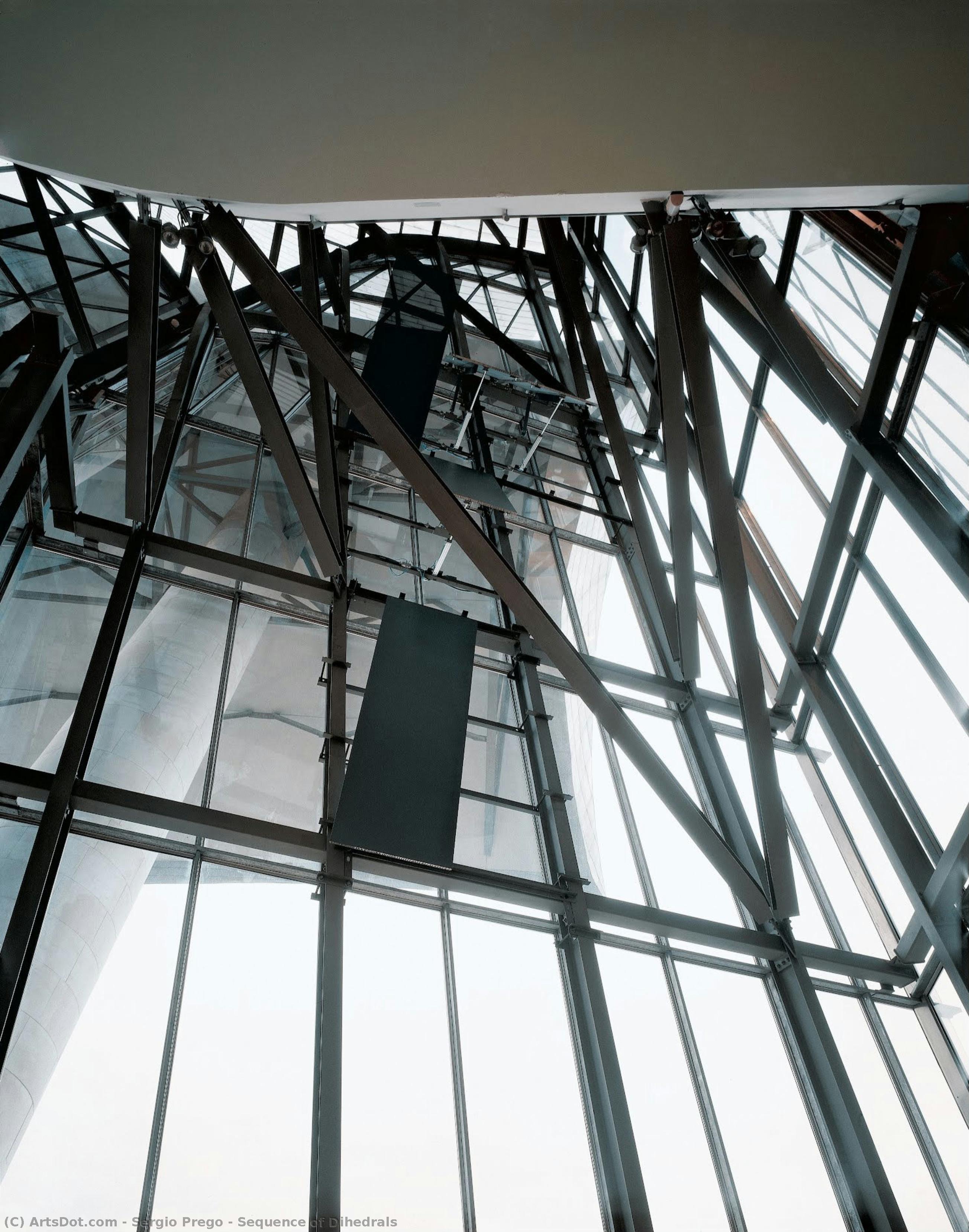
Secuencia de diedros


 Ver más
La obra de arte que se muestra en esta página está protegida por las leyes de propiedad intelectual, lo que significa que no podemos crear ni vender legalmente una reproducción idéntica. Esta protección se hace cumplir en virtud de acuerdos internacionales como el Convenio de Berna y por las leyes nacionales, incluidas aquellas establecidas por el Ley de derechos de autor de los EE. UU. - Título 17.
Este método cumple plenamente con las normativas de derechos de autor, ya que no implica la copia ni la duplicación de la obra protegida. En su lugar, se trata de una reinterpretación creativa: una nueva pintura influenciada por la original, pero que no es idéntica a ella.
Giclée / Impresión de arte
Impresiones giclée o en lienzo de calidad de museo con producción rápida y opciones de acabado flexibles. ( Comprar pintura hecha a mano Cambiar a imagen digital)




P118B €10

P118H €10

P118W €10

P438Z €10

P508JH €12

P508YH €12

P805H €10

P805Z €10

P919BZ €10

P919G €10

P919XJ €10

P959ZH €10

P968JZ €12

W106C €8

W218G €10

W218JH €8

W218Y €10

W307PJ €10

W316G €10

W316PJ €8

W316Y €10

W398PJ €8

W4111J €10

W500HY €15

W500JH €15

W692G €12

W849H €8

W940BG €15

W953PJ €8




Elija entre nuestros tamaños predefinidos que respetan las proporciones originales de la obra.

Introduzca el ancho y el alto que necesite para adaptarse a su marco o pared. Una impresión solo puede recortarse, nunca hacerse más grande que la imagen original, por lo que un tamaño con una forma distinta perderá parte de la obra. Le enviaremos una maqueta digital para su aprobación antes de realizar cualquier impresión. La imagen que se muestra en esta página no refleja el recorte real; solo la maqueta lo hace.
Envío a todo el mundo () en 2 semanas en lugar de las 4/5 semanas estándar. (1 noviembre)

Envío exprés gratuito a todo el mundo

Lienzo de lino de alta calidad

Seguro de envío total

Garantía de reembolso de aranceles aduaneros

Garantía de fidelidad cromática exacta

Política de devolución de 100 días (solo por defectos)

Garantía de devolución del 100% del dinero

Descuento por cantidad
 La opción de vidrio solo está disponible en tamaños inferiores a 110 cm.

Secuencia de diedros
Giclée / Impresión de arte
Dimensiones de la reproducción
-


Precio total final
€ 71
Sequence of Dihedrals: A Kinetic Sculpture Embracing Space and Impermanence
Sergio Prego’s “Sequence of Dihedrals,” created in 2007, isn't merely an artwork; it’s a deliberate intervention within the architectural fabric of Bilbao’s Guggenheim Museum. More than just decoration, this sculptural installation seeks to disrupt conventional perceptions of space and time, inviting viewers into a dialogue with movement and materiality. The piece utilizes a sophisticated pneumatic mechanism to propel modular panels—constructed primarily from aluminum tubes—across a parallelogram glass wall, generating audible disruptions that mirror the rhythmic patterns inherent in the museum’s environment. This calculated juxtaposition underscores Prego's fascination with exploring how art can engage actively with its surroundings.Conceptual Foundations and Influences
Prego’s artistic vision draws heavily from the pioneering work of Bruce Nauman and Andrei Tarkovsky, artists who championed explorations of corporeality and cinematic storytelling. Like Tarkovsky’s films—characterized by their contemplative pacing and evocative imagery—“Sequence of Dihedrals” prioritizes a slow unfolding of visual information, encouraging contemplation on the relationship between form and movement. Similarly influenced by Nauman's conceptual sculptures, Prego eschews traditional sculptural conventions in favor of investigating spatial dynamics and embracing the transformative potential of ephemeral materials. The artist’s aim is to provoke reflection on notions of permanence versus change—a core theme resonating throughout his oeuvre.Technical Innovation and Material Exploration
The execution of “Sequence of Dihedrals” represents a remarkable feat of engineering artistry alongside sculptural practice. Prego skillfully employs aluminum tubes, chosen for their lightness and malleability, combined with a pneumatic system to achieve precise movement control. Each panel pivots at angles of 10º or 15º around its upper and lower edges, generating dihedrals—angled intersections—that create an interplay of light and shadow across the glass surface. This meticulous attention to detail reflects Prego’s commitment to pushing boundaries within material science and sculptural technique. The rhythmic activation of the panels contributes to a sensory experience that transcends visual observation, immersing viewers in a dynamic environment.Architectural Context and Symbolic Resonance
Installed on one of the Guggenheim Museum Bilbao's glass walls—a landmark building designed by Frank Gehry—the sculpture operates as an integral component of its architectural context. Gehry’s undulating titanium façade embodies a spirit of experimentation and disruption, mirroring Prego’s artistic ethos. The deliberate interruption of sound and visual rhythm serves as a symbolic gesture, questioning the passive role of spectatorship and prompting consideration of how art can actively reshape our perception of space. Furthermore, the geometric precision of the panels—layered over an orthonormal lattice—references classical architectural principles while simultaneously embracing contemporary aesthetic sensibilities.Emotional Impact and Artistic Legacy
“Sequence of Dihedrals” transcends mere visual representation; it evokes a profound sense of wonder at the scale and complexity of modern architecture. The stark monochrome palette amplifies the sculpture’s formal elegance, emphasizing its sculptural qualities and highlighting the interplay between light and texture. Ultimately, Prego's work stands as testament to the enduring power of art to challenge conventions and inspire contemplation—a legacy that continues to captivate audiences worldwide.Preguntas y respuestas
¿Qué temas aparecen en "Secuencia de diedros" de Sergio Prego?
Los temas presentes en "Secuencia de diedros" de Sergio Prego incluyen geometric architecture, spatial dynamics, kinetic sculpture, glass installation, minimalist design, ephemeral art, architectural intervention, los cuales resumen la temática de la obra.
¿Puedo ver "Secuencia de diedros" como una presentación de diapositivas a pantalla completa?
Puede ver el diaporama de "Secuencia de diedros" en la página Galería de imágenes de la obra.
¿A qué etapa de la trayectoria de Sergio Prego pertenece "Secuencia de diedros" (2007)?
Dada su fecha de 2007, "Secuencia de diedros" se sitúa en el Contemporary Sculpture de Sergio Prego.
Biografía del artista
Sergio Prego: Sculpting Space and Embracing Impermanence
Sergio Prego is a Spanish artist born in Donostia/San Sebastián in 1969, deeply rooted in the Basque artistic landscape of the late 1990s. His formative years at the University of the Basque Country and subsequent studies at the School of Visual Arts in New York instilled in him a multidisciplinary approach that would become central to his distinctive artistic vision. Prego’s work transcends traditional sculptural conventions, prioritizing exploration of spatial relationships and embracing the transformative potential of ephemeral materials—primarily polyethylene tubes and aluminum—to create installations that challenge perceptions of form and movement. He is recognized for his pioneering use of pneumatic structures and tetrahedrons as foundational elements in his sculptures, reflecting a profound engagement with architectural concepts and kinetic art traditions.- Early Influences: Prego’s artistic trajectory was significantly shaped by figures like Bruce Nauman and Andrei Tarkovsky, whose explorations of corporeality and cinematic storytelling resonated deeply with his conceptual framework. He drew inspiration from the radical architecture collectives of the 1960s—Ant Farm and Archigram—who envisioned new ideas of space and corporeality as a reaction to prevailing societal norms. These influences instilled in him a desire to question established artistic boundaries and to explore alternative ways of perceiving reality, mirroring the spirit of experimental art movements.
- Material Exploration: Prego’s fascination with pneumatic structures – inflatable membranes stabilized by compressed air – represents a pivotal element in his artistic practice. He meticulously folds polyethylene sheets into tubes and secures them with aluminum supports, resulting in structures that appear to breathe—expanding and contracting subtly under pressure. This technique embodies a commitment to materiality as an expressive medium, mirroring the aesthetic principles of artists like J.G. Ballard and Buckminster Fuller who championed innovative approaches to architectural design and spatial organization.
Sculptural Methodology: Pneumatic Architecture and Kinetic Forms
Prego’s sculptural process is defined by a meticulous attention to detail and an unwavering commitment to experimentation. He employs tetrahedrons—triangular pyramids—arranged around a central axis as fundamental building blocks for his installations, creating modular structures that defy static categorization. These sculptures utilize polyethylene tubes and aluminum elements to generate movement and tension within the confines of space, mirroring Prego’s belief that sculpture should actively engage with its environment. As he articulates, “I have always been interested in inventing new modalities of apprehending the space or, even more, in inventing new spatial relations.” The resulting structures are characterized by their delicate balance between rigidity and flexibility, reflecting a preoccupation with capturing fleeting moments of transformation—a concept central to his artistic vision.- Technique: Prego’s tetrahedrons are constructed from aluminum frames that provide structural support while allowing for controlled movement. Polyethylene tubes are strategically positioned around the tetrahedra, creating tension and generating subtle oscillations when subjected to compressed air.
- Conceptual Framework: His approach aligns with the broader artistic movement of the 1960s, which championed performance art and experiential engagement as means of questioning established conventions and exploring alternative perspectives on reality. He seeks to provoke contemplation about the relationship between form, space, and time—themes explored extensively by artists like Trisha Brown who pioneered kinetic sculpture and challenged traditional notions of artistic representation.
Notable Exhibitions: A Global Recognition
Sergio Prego’s career has been marked by numerous prestigious exhibitions internationally, establishing him as a prominent voice in contemporary sculptural practice. His groundbreaking installation *Sequence of Dihedrals*, showcased at the Guggenheim Museum Bilbao (2006), captivated audiences with its mesmerizing interplay of light and shadow—a testament to his mastery of spatial illusionism. Similarly, Museo Nacional Centro de Arte Reina Sofía (Madrid) hosted a solo exhibition highlighting his exploration of materiality and form. MACBA (Barcelona) presented *Rose-colored Drift/To the Students*, demonstrating Prego’s commitment to collaborative projects that push artistic boundaries. And Venice Biennale (2019), where he collaborated with Itziar Okariz on *Get Out of the Way*, garnered critical acclaim for its conceptual boldness and innovative use of materials—affirming his enduring influence within the international art community.Legacy: Exploring Spatial Dynamics
Sergio Prego’s contribution to contemporary sculpture extends beyond individual artworks; it encompasses a profound rethinking of artistic practice itself. His unwavering dedication to experimentation—particularly his pioneering exploration of pneumatic structures—has inspired subsequent generations of artists to embrace unconventional materials and techniques. He remains committed to investigating the fundamental principles governing spatial perception, mirroring the spirit of avant-garde movements that sought to redefine artistic expression and challenge societal norms. Prego’s enduring legacy lies in his ability to transform simple geometric forms into evocative representations of movement and transformation—a testament to his visionary artistry and his unwavering belief in the transformative power of art.
Sergio Prego
1969 - , España
Datos clave
- Artistic Movement Or Style: Escultura e Instalaciones
- Artists Or Movements Influenced By This Artist:
- Bruce Nauman
- J.G. Ballard
- Ant Farm
- Trisha Brown
- Artists Who Influenced This Artist:
- Juan Luis Moraza
- Ángel Bados
- Txomin Badiola
- Date Of Birth: 1969
- Full Name: Sergio Prego
- Nationality: Español
- Notable Artworks:
- Secuencia de Dihedrales
- Rosa colorada Drift/Alumnos
- Place Of Birth: San Sebastián, España
Artículos relacionados

Las 10 Obras Maestras de Bronce que Revolucionaron la Historia del Arte | OriginalUniqueArt
Descubre las 10 esculturas de bronce más influyentes de la historia del arte. Explora obras maestras de Rodin, Degas y otros genios. Encuentra reproducciones de arte de calidad museo en OriginalUniqueArt.com.

Esculturas de Bronce Legendarias: 10 Obras Maestras que Transformaron el Arte | OriginalUniqueArt
Descubre las 10 esculturas de bronce más legendarias que revolucionaron el arte. Explora la historia de Rodin, Degas y otros maestros del bronce. Encuentra reproducciones de alta calidad e inspiración para tu hogar en OriginalUniqueArt.com.
El Legado Duradero de la Escultura en Bronce: Historia, Técnicas e Interpretaciones Contemporáneas
Descubra la historia, las técnicas y el valor de la escultura en bronce. Guía experta para coleccionistas e inversores. Explore obras maestras y aprenda sobre fundición a la cera perdida.

Más allá de la forma: Un análisis técnico y estético sobre la evolución de la escultura
Descubre la evolución técnica y estética de la escultura, desde el bronce hasta el modernismo. Explora la maestría de la forma ahora.

The Enduring Form: Exploring Themes & Techniques in Sculpture Across Historical Periods
Explore the rich history of sculpture from ancient masterpieces to contemporary innovations. Discover key techniques, influential artists & investment potential for discerning art collectors.
