
 Vista previa
 Compartir
 Compartir
 Ver detalles

 Descargar
 Ver similares
 Radiografía
 Presentación de diapositivas
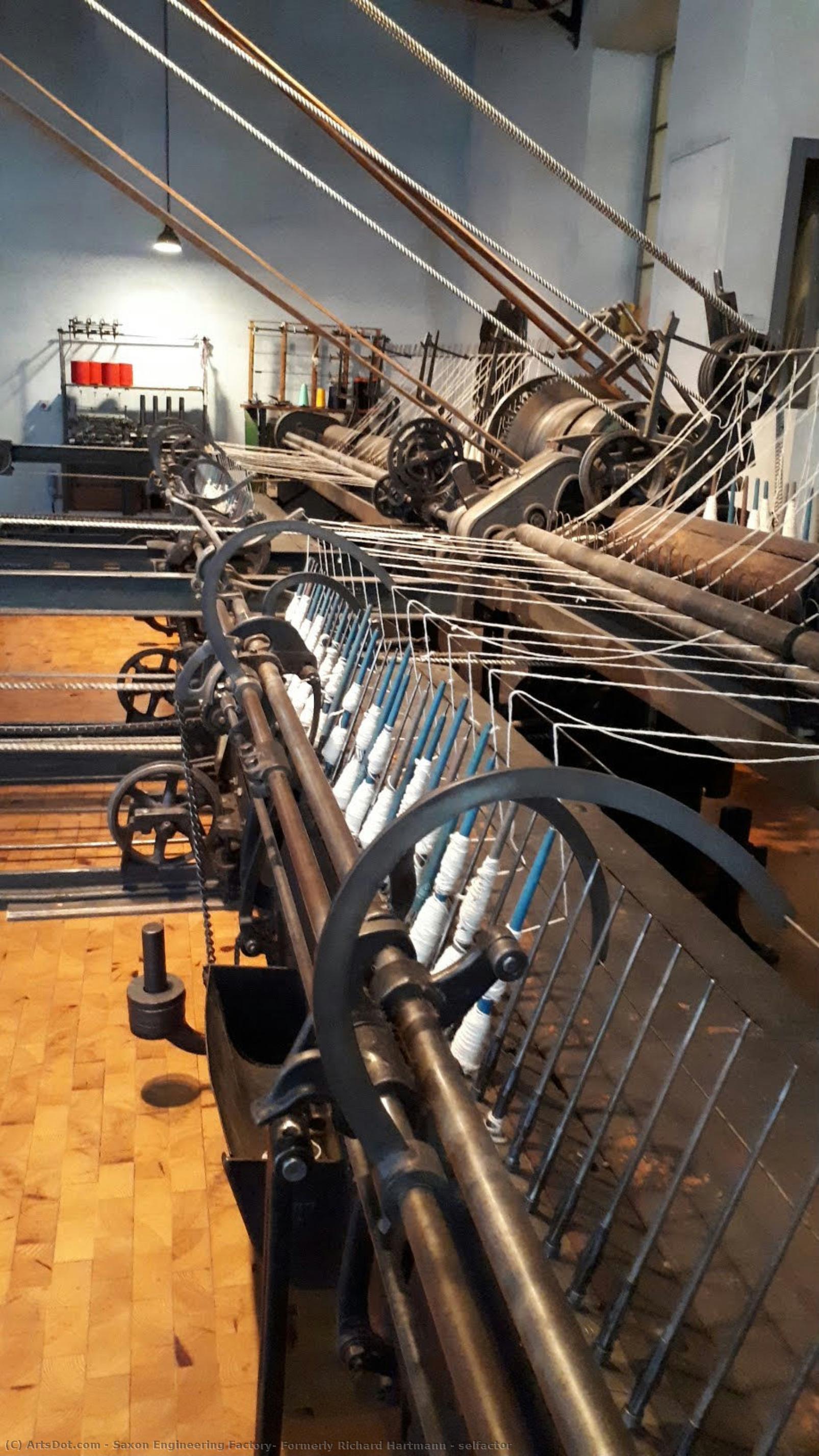
selfactor


 Leer más
Reproducción al óleo hecha a mano
Óleo sobre lienzo pintado a mano en el tamaño y marco de su elección, realizado por encargo por nuestros artistas. ( Pedir impresión Comprar descarga)




P118B $10

P118H $10

P118W $10

P438Z $10

P508JH $12

P508YH $12

P805H $10

P805Z $10

P919BZ $10

P919G $10

P919XJ $10

P959ZH $10

P968JZ $12

W106C $8

W218G $10

W218JH $8

W218Y $10

W307PJ $10

W316G $10

W316PJ $8

W316Y $10

W398PJ $8

W4111J $10

W500HY $15

W500JH $15

W692G $12

W849H $8

W940BG $15

W953PJ $8




Elija entre nuestros tamaños predefinidos que respetan las proporciones originales de la obra.

Puede ingresar sus propias dimensiones para adaptarse a un marco o espacio específico. Si el tamaño seleccionado no coincide con las proporciones de la imagen original, recortaremos la obra o extenderemos la pintura con elementos adicionales pintados a mano. Se le enviará una maqueta digital para su aprobación antes de comenzar la producción.
Tenga en cuenta que la vista previa en pantalla no refleja el recorte o la extensión reales. Solo la maqueta mostrará con precisión la composición final.
Si bien existen tamaños personalizados, recomendamos seleccionar una dimensión de la lista predefinida para preservar las proporciones originales.
Tras realizar el pedido, el equipo de OriginalUniqueArt.com enviará un correo electrónico al cliente para solicitar instrucciones y proporcionarle una vista previa del boceto.
Envío a todo el mundo () en 3-4 semanas en lugar de las 5 semanas estándar. (17 agosto). Sin comprometer la calidad.

Envío exprés gratuito a todo el mundo

Lienzo de lino de alta calidad

Seguro de envío completo

Garantía de reembolso de aranceles aduaneros

Garantía de fidelidad cromática exacta

Política de devolución de 60 días (solo por defectos)

Garantía de devolución del 100% del dinero

Oferta por volumen
 La opción de vidrio solo está disponible en tamaños inferiores a 110 cm.

selfactor
Técnica de reproducción
Tamaño de la reproducción
-


Precio total
$ 300
Biografía del artista
From Railway Pioneers to Industrial Titans: The Legacy of Saxon Engineering Factory, Formerly Richard Hartmann
The story of the Saxon Engineering Factory, formerly Richard Hartmann, is more than a chronicle of industrial innovation; it’s a compelling narrative woven into the very fabric of Germany's 19th and 20th-century ascent. Founded in 1839 by Richard Hartmann in Chemnitz, Saxony, the enterprise began as a modest railway workshop, responding to the burgeoning demand for locomotives during Europe’s “railway mania.” Hartmann wasn’t merely building trains; he was constructing the arteries of progress, facilitating trade, connecting communities, and reshaping the economic landscape. His early success stemmed from a commitment to quality and precision engineering – hallmarks that would define the company for generations. The initial focus on locomotive construction quickly expanded to include railway cars, forging a reputation for reliability and durability that secured Hartmann’s position as a leading force in the German rail industry. This period wasn't simply about fulfilling orders; it was about mastering new technologies, refining manufacturing processes, and establishing a skilled workforce – laying the foundation for future diversification.Expansion, Innovation, and the Rise of a Manufacturing Powerhouse
As the railway network matured, Richard Hartmann astutely recognized the need to broaden his company’s scope. The latter half of the 19th century witnessed a remarkable period of expansion, driven by relentless innovation. While locomotives remained central, Hartmann ventured into the production of stationary engines, boilers, and increasingly complex industrial machinery. This diversification wasn't accidental; it was a strategic response to evolving market demands and a testament to the company’s engineering prowess. The factory became a crucible for technological advancement, attracting talented engineers and fostering a culture of experimentation. Crucially, Hartmann embraced steel production, establishing its own steelworks to ensure control over material quality and reduce reliance on external suppliers. This vertical integration proved pivotal, allowing the company to maintain competitive pricing and consistently deliver superior products. The factory’s growth mirrored Germany's own industrial revolution, becoming a symbol of national ambition and technological achievement. Hartmann’s locomotives weren’t just powering trains; they were propelling Germany towards economic dominance.Navigating War, Reconstruction, and the Challenges of the 20th Century
The 20th century presented unprecedented challenges for the Saxon Engineering Factory. The two World Wars demanded a shift in production priorities, with the factory contributing significantly to the German war effort – manufacturing locomotives for military transport, artillery pieces, and other wartime necessities. This period was marked by immense strain on resources and workforce, but also demonstrated the company’s adaptability and resilience. Following both wars, the factory faced the arduous task of reconstruction, grappling with economic instability, political upheaval, and the devastation of infrastructure. The post-war era saw a renewed focus on civilian production, albeit within the constraints of a changing geopolitical landscape. The nationalization of industries in East Germany after World War II profoundly impacted the company, transforming it into a state-owned enterprise known as VEB Lokomotivbau Karl Marx. Despite the limitations imposed by centralized planning, the factory continued to produce locomotives and railway equipment, albeit with reduced autonomy and innovation.Transformation and Legacy in a Unified Germany
The reunification of Germany in 1990 brought about another period of dramatic change for the Saxon Engineering Factory. The transition from a centrally planned economy to a market-based system was fraught with difficulties, requiring significant restructuring and modernization. Following privatization, the company underwent several ownership changes and strategic realignments. Today, while no longer operating under the Hartmann name, its legacy endures through various successor companies specializing in railway technology and industrial engineering within the Chemnitz region. The factory’s historical archives remain a valuable resource for understanding Germany's industrial past, documenting decades of innovation, craftsmanship, and entrepreneurial spirit.- The company played a vital role in establishing Saxony as a major industrial center.
- Hartmann’s commitment to quality engineering set a benchmark for the German railway industry.
- Its ability to adapt to changing market demands ensured its long-term survival through periods of significant upheaval.

Artículos relacionados

Beyond the Lens: Photography's Enduring Influence on Modern & Contemporary Art
Explore photography's pivotal role in shaping modern & contemporary art. Discover key movements, influential artists like Stieglitz, and expert collecting advice from OriginalUniqueArt.

Pictorialismo: La Búsqueda del Alma de la Fotografía Artística – Estética, Técnicas y Legado
Descubre el Pictorialismo, un movimiento clave en la historia de la fotografía artística. Explora sus técnicas, figuras emblemáticas y su legado perdurable. Guía experta para coleccionistas y amantes del arte.

Monochrome Visions: Exploring the Aesthetic & Historical Significance of Black & White Photography
Explore the rich history & artistic power of black and white photography. From early techniques to iconic masters like Ansel Adams, discover why monochrome continues to captivate art lovers today. Expert insights for collectors.
Arte Industrial: 10 Obras Maestras para un Hogar con Carácter | OriginalUniqueArt.com
Descubre 10 obras maestras que capturan la esencia del arte industrial. Explora la historia de Van Gogh, Hopper y Klimt, sus técnicas y paletas. Encuentra lienzos perfectos para un hogar con carácter en OriginalUniqueArt.com.
Witnessing History Through Lens & Light: Documentary Photography's Enduring Legacy
Explore the powerful history of documentary photography – from its origins to contemporary masters like Gordon Parks & W. Eugene Smith. Discover how this art form shapes our understanding of society and witness pivotal moments in time.

