Vista previa
 Compartir
 Compartir
 Ver detalles

 Descargar
 Ver artículos similares
 Radiografía
 Presentación de diapositivas
 Estadísticas
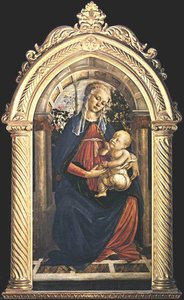
The Madonna And Child

 Leer más
Reproducción al óleo hecha a mano
Óleo sobre lienzo pintado a mano en el tamaño y marco de su elección, realizado por encargo por nuestros artistas. ( Cambiar a formato impreso Ver versión en imagen digital)




P118B $10

P118H $10

P118W $10

P438Z $10

P508JH $12

P508YH $12

P805H $10

P805Z $10

P919BZ $10

P919G $10

P919XJ $10

P959ZH $10

P968JZ $12

W106C $8

W218G $10

W218JH $8

W218Y $10

W307PJ $10

W316G $10

W316PJ $8

W316Y $10

W398PJ $8

W4111J $10

W500HY $15

W500JH $15

W692G $12

W849H $8

W940BG $15

W953PJ $8




Elija entre nuestros tamaños predefinidos que respetan las proporciones originales de la obra.

Puede ingresar sus propias dimensiones para adaptarse a un marco o espacio específico. Si el tamaño seleccionado no coincide con las proporciones de la imagen original, recortaremos la obra o extenderemos la pintura con elementos adicionales pintados a mano. Se le enviará una maqueta digital para su aprobación antes de comenzar la producción.
Tenga en cuenta que la vista previa en pantalla no refleja el recorte o la extensión reales. Solo la maqueta mostrará con precisión la composición final.
Si bien existen tamaños personalizados, recomendamos seleccionar una dimensión de la lista predefinida para preservar las proporciones originales.
Tras realizar el pedido, el equipo de OriginalUniqueArt.com enviará un correo electrónico al cliente para solicitar instrucciones y proporcionarle una vista previa del boceto.
Envío a todo el mundo () en 3-4 semanas en lugar de las 5 semanas estándar. (20 septiembre). Sin comprometer la calidad.

Envío exprés gratuito a todo el mundo

Lienzo de lino de alta calidad

Seguro de envío completo

Garantía de reembolso de impuestos aduaneros

Garantía de fidelidad cromática exacta

Política de devolución de 100 días (solo por defectos)

Garantía de devolución del 100% del dinero

Oferta por volumen
 La opción de vidrio solo está disponible en tamaños inferiores a 110 cm.

The Madonna And Child
Técnica de reproducción
Tamaño de la reproducción
-


Precio total
$ 300
A Timeless Reverie: Botticelli’s The Madonna And Child
Sandro Botticelli's "The Madonna And Child" stands as an enduring emblem of Renaissance piety and artistic grace, a work that transcends mere representation to embody the profound spiritual connection between mother and child. Painted during the height of Florence’s cultural blossoming – roughly around 1480 – this masterpiece reflects the era’s fascination with classical ideals while firmly rooted in Christian iconography. Botticelli, deeply influenced by his apprenticeship under Fra Filippo Lippi and later patronized by the powerful Medici family, masterfully blends technical skill with a distinctly lyrical style that would come to define his legacy.
- Subject Matter: The painting’s central focus is undeniably Mary, depicted in flowing robes of deep blue – a color historically associated with royalty and divinity – holding the infant Jesus. Her serene expression and gentle posture radiate an unparalleled sense of maternal love and protection.
- Composition & Technique: Botticelli's signature style is immediately apparent in the painting’s elongated figures, delicate lines, and ethereal atmosphere. He employs tempera on panel, a technique favored during this period, which allows for vibrant colors and subtle gradations. The use of gold leaf adds to the overall luminosity and reinforces the sacred nature of the scene.
- Angelic Presence: Three angels flank Mary, their presence adding layers of spiritual significance. These celestial beings are not merely decorative elements; they represent divine assistance and the eternal guardianship surrounding the Madonna and Child. The angel above them further emphasizes this protective aura.
Symbolism Woven into Sacred Space
Beyond its immediate beauty, "The Madonna And Child" is rich in symbolic meaning, reflecting the complex theological beliefs of the time. The blue robe, as mentioned previously, symbolizes Mary’s purity and divine status. The inclusion of the clock in the background – a relatively rare element in early Renaissance depictions of the Virgin – introduces a subtle meditation on mortality and the passage of time, reminding viewers of the eternal nature of Christ's sacrifice. The positioning of the figures also holds significance; the pyramidal composition creates stability and harmony, reflecting the desire for order and balance prevalent in Renaissance art.
Historical Context & Botticelli’s Florentine World
Botticelli painted this work during a period of immense political and artistic change in Florence. The rise of the Medici family as powerful patrons fueled an unprecedented flourishing of creativity, attracting artists from across Italy and Europe. Botticelli himself was deeply embedded within this vibrant cultural landscape, working not just for private commissions but also contributing to public celebrations and religious festivals. His connection to the humanist movement, which emphasized classical learning and human potential, is evident in his idealized depictions of figures – particularly Mary – reflecting a renewed interest in ancient Greek and Roman art.
Emotional Impact & Artistic Legacy
"The Madonna And Child" continues to captivate viewers centuries after its creation. Its serene beauty, coupled with the profound emotional resonance of the subject matter, evokes feelings of peace, reverence, and spiritual connection. Botticelli’s masterpiece remains a cornerstone of Western art history, influencing generations of artists and solidifying his place as one of the most celebrated figures of the Early Renaissance. A hand-painted reproduction offers an unparalleled opportunity to experience this timeless work of art in exquisite detail.
Biografía del artista
vida temprana y formación
Sandro Botticelli, nacido Alessandro di Mariano di Vanni Filipepi alrededor de 1445, fue una figura clave en el Renacimiento temprano de la pintura italiana. Inicialmente eclipsado post mortem, la obra de Botticelli fue revitalizada a finales del siglo XIX por los pre-rafaelitas, lo que llevó a una reevaluación de sus contribuciones artísticas. Botticelli nació en Florencia, Italia, y vivió toda su vida en el mismo barrio. Su familia, incluyendo a su padre Mariano di Vanni d'Amadeo Filipepi, estuvo involucrada en diversas profesiones, lo que les permitió entrar en contacto con artistas. Giorgio Vasari informó que Botticelli fue inicialmente entrenado como joyero.Estilo artístico y obras notables
La obra de Botticelli se caracteriza por una elegante linealidad, que conecta el gótico tardío italiano con el Renacimiento temprano. Sus obras más famosas, El nacimiento de Venus y Primavera, se exhiben en la Galería Uffizi en Florencia, que alberga una importante colección de su arte. * El nacimiento de Venus (ver en OriginalUniqueArt) * Primavera (explorar el arte de Sandro Botticelli en OriginalUniqueArt) * La natividad mística (Galería Nacional, Londres), fechada en 1501, es la única obra de Botticelli con una fecha clara.Legado e influencia
El estilo de Botticelli evolucionó hacia un enfoque más personal en la década de 1490, divergente de sus contemporáneos como Leonardo da Vinci y el estilo del Alto Renacimiento emergente. Su obra ha sido reconocida como una contribución significativa al movimiento artístico del Renacimiento italiano. * El movimiento artístico del Renacimiento italiano * Sandro Botticelli en Wikipedia- Artistas notables del Renacimiento italiano incluyen a Sandro Botticelli, Leonardo da Vinci, Miguel Ángel y Tiziano.
- La Galería Uffizi de Florencia alberga una importante colección de arte de Botticelli.
- La obra de Botticelli ha sido reconocida como una figura clave en el Renacimiento temprano de la pintura italiana.
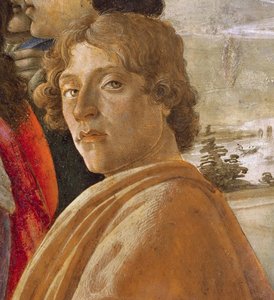
Sandro Botticelli
1445 - 1510 , Italia
Datos clave
- Artistas Que Influyeron:
- Fra Angelico
- Paolo Uccello
- Estilo Artístico: Renacimiento Temprano
- Fecha De Muerte: 1510
- Fecha De Nacimiento: c. 1445
- Influenciado A Artistas: ['Pre-Rafaelitas']
- Lugar De Nacimiento: Florencia, Italia
- Nacionalidad: Italiana
- Nombre Completo: Sandro Botticelli
- Obras Notables:
- El Nacimiento de Venus
- Primavera
- Natividad Mística
Artículos relacionados
Rafael: Las 25 Obras Maestras que Definen al Genio del Renacimiento | OriginalUniqueArt
Descubre las 25 obras maestras de Rafael Sanzio, el genio del Renacimiento. Explora su historia, técnica y significado en pinturas icónicas como 'La Escuela de Atenas'. Reproducciones de arte de alta calidad para decorar tu hogar con elegancia. ¡Explora la colección completa en OriginalUniqueArt.com!
Los 10 Maestros del Renacimiento Temprano: Arte que Transformó el Mundo |
Descubre los 10 maestros del Renacimiento Temprano: Botticelli, Leonardo da Vinci y más. Explora la historia, técnica y belleza de obras icónicas italianas. Reproducciones de arte exclusivas en .
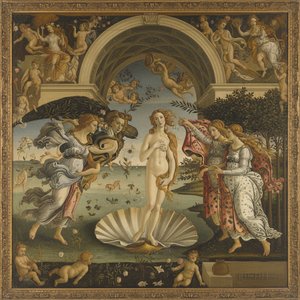
Botticelli: Las 25 Obras Maestras del Renacimiento para Decorar con Arte y Elegancia
Descubre las 25 obras maestras de Sandro Botticelli, el genio del Renacimiento italiano. Explora 'El Nacimiento de Venus', 'Primavera' y más: historia, técnica y belleza clásica. Encuentra reproducciones de arte exclusivas en OriginalUniqueArt.com.
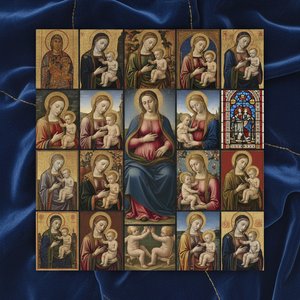
Divine Love: A Curated Guide to the Most Iconic Madonna and Child Masterpieces in Art History
Embark on a sophisticated journey through art history with our curated guide to the most iconic Madonna and Child masterpieces. Discover the profound beauty, theological depth, and enduring legacy of these sacred Renaissance treasures.
Los 25 Tesoros del Uffizi: Arte Renacentista para tu Hogar | OriginalUniqueArt
Descubre los 25 tesoros del Uffizi en Florencia: Botticelli, Leonardo da Vinci y más. Explora la historia, el arte renacentista y encuentra reproducciones de alta calidad para tu hogar. ¡Inspírate con OriginalUniqueArt.com!