Ver en contexto
 Enviar
 Compartir
 Detalles

 Descargar
 Similares
 Radiografía
 Presentación de diapositivas
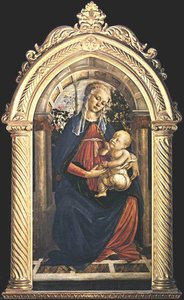
Madonna in Glory


 Ver más
Reproducción al óleo hecha a mano
Óleo sobre lienzo pintado a mano en el tamaño y marco de su elección, realizado por encargo por nuestros artistas. ( Comprar impresión Comprar imagen)




P118B $10

P118H $10

P118W $10

P438Z $10

P508JH $12

P508YH $12

P805H $10

P805Z $10

P919BZ $10

P919G $10

P919XJ $10

P959ZH $10

P968JZ $12

W106C $8

W218G $10

W218JH $8

W218Y $10

W307PJ $10

W316G $10

W316PJ $8

W316Y $10

W398PJ $8

W4111J $10

W500HY $15

W500JH $15

W692G $12

W849H $8

W940BG $15

W953PJ $8




Elija entre nuestros tamaños predefinidos que respetan las proporciones originales de la obra.

Puede ingresar sus propias dimensiones para adaptarse a un marco o espacio específico. Si el tamaño seleccionado no coincide con las proporciones de la imagen original, recortaremos la obra o extenderemos la pintura con elementos adicionales pintados a mano. Se le enviará una maqueta digital para su aprobación antes de comenzar la producción.
Tenga en cuenta que la vista previa en pantalla no refleja el recorte o la extensión reales. Solo la maqueta mostrará con precisión la composición final.
Si bien existen tamaños personalizados, recomendamos seleccionar una dimensión de la lista predefinida para preservar las proporciones originales.
Tras realizar el pedido, el equipo de OriginalUniqueArt.com enviará un correo electrónico al cliente para solicitar instrucciones y proporcionarle una vista previa del boceto.
Envío a todo el mundo () en 3-4 semanas en lugar de las 5 semanas estándar. (25 agosto). Sin comprometer la calidad.

Envío exprés gratuito a todo el mundo

Lienzo de lino de alta calidad

Seguro de envío total

Garantía de reembolso de impuestos aduaneros

Garantía de fidelidad cromática exacta

Política de devolución de 60 días (solo por defectos)

Garantía de devolución del 100% del dinero

Descuento por cantidad
 La opción de vidrio solo está disponible en tamaños inferiores a 110 cm.

Madonna in Glory
Técnica de reproducción
Dimensiones de la reproducción
-


Precio total final
$ 300
Descripción de la obra
Sandro Botticelli’s *Madonna in Glory*: A Symphony of Grace and Renaissance Ideal
Sandro Botticelli's *Madonna in Glory*, painted circa 1480, stands as a quintessential example of the Florentine artist’s mastery of line, color, and humanist ideals. This captivating portrait of the Virgin Mary and Child transcends mere religious iconography; it embodies a profound sense of serenity and spiritual grace that continues to resonate with viewers centuries later. The painting's meticulous detail, combined with its subtly expressive figures, reveals Botticelli’s deep understanding of both classical aesthetics and Christian devotion.
- Subject Matter: At the heart of the composition lies the Virgin Mary, presented in a pose of serene contemplation as she cradles her infant son. The intimate portrayal emphasizes the maternal bond and the divine nature of Jesus Christ.
- Compositional Harmony: Botticelli skillfully employs pyramidal composition, a technique borrowed from classical art, to create a sense of balance and stability. The figures are arranged with careful consideration for their relationship to one another and to the surrounding space.
Technique and Materials: A Window into Renaissance Painting
Botticelli’s distinctive style is immediately recognizable through his masterful use of tempera paint on wood panel. Tempera, a fast-drying medium composed of pigments suspended in egg yolk, allowed for precise detailing and luminous colors – qualities that were highly valued during the Renaissance. Note the delicate rendering of Mary's drapery, achieved through layered washes of color and subtle gradations of tone. The artist’s attention to texture is evident in the smooth surface of the baby Jesus’ swaddling clothes and the rich velvet of Mary’s robe.
- Line as Form: Botticelli's emphasis on linear definition—a hallmark of his style—is particularly striking in the contours of the figures. These flowing lines not only define their forms but also imbue them with a sense of movement and dynamism.
- Color Palette: The painting’s palette is dominated by rich, jewel-toned hues – deep reds, blues, and golds – reflecting the wealth and prestige associated with the Medici family, a significant patron of Botticelli's work.
Symbolism and Context: Echoes of Florentine Humanism
*Madonna in Glory* is deeply rooted within the intellectual and artistic currents of Renaissance Florence. The painting reflects the humanist movement’s emphasis on human dignity and beauty, portraying Mary not merely as a religious figure but as an idealized woman embodying grace and virtue. The presence of the two additional figures – a standing attendant and a seated observer – adds to the narrative complexity, suggesting a scene of reverence and devotion within a sacred space. The chair itself is a symbol of authority and dignity, further elevating the status of the Virgin Mary.
- Seraphim Imagery: The inclusion of Seraphim (angelic beings with six wings) – as seen in the referenced WGA image – reinforces the divine nature of the scene and elevates Mary to a position of celestial grace.
- Medici Patronage: It’s highly probable that this painting was commissioned by members of the Medici family, reflecting their support for artistic endeavors and their desire to associate themselves with religious piety.
Emotional Impact and Legacy
*Madonna in Glory* continues to captivate viewers with its serene beauty and profound spiritual message. Botticelli’s ability to convey a sense of quiet contemplation and reverence is timeless, making this painting a cherished masterpiece of the Early Renaissance. Its delicate colors, graceful lines, and evocative composition create an atmosphere of peace and tranquility – qualities that make it a perfect addition to any discerning collection or interior space.
Biografía del artista
vida temprana y formación
Sandro Botticelli, nacido Alessandro di Mariano di Vanni Filipepi alrededor de 1445, fue una figura clave en el Renacimiento temprano de la pintura italiana. Inicialmente eclipsado post mortem, la obra de Botticelli fue revitalizada a finales del siglo XIX por los pre-rafaelitas, lo que llevó a una reevaluación de sus contribuciones artísticas. Botticelli nació en Florencia, Italia, y vivió toda su vida en el mismo barrio. Su familia, incluyendo a su padre Mariano di Vanni d'Amadeo Filipepi, estuvo involucrada en diversas profesiones, lo que les permitió entrar en contacto con artistas. Giorgio Vasari informó que Botticelli fue inicialmente entrenado como joyero.Estilo artístico y obras notables
La obra de Botticelli se caracteriza por una elegante linealidad, que conecta el gótico tardío italiano con el Renacimiento temprano. Sus obras más famosas, El nacimiento de Venus y Primavera, se exhiben en la Galería Uffizi en Florencia, que alberga una importante colección de su arte. * El nacimiento de Venus (ver en OriginalUniqueArt) * Primavera (explorar el arte de Sandro Botticelli en OriginalUniqueArt) * La natividad mística (Galería Nacional, Londres), fechada en 1501, es la única obra de Botticelli con una fecha clara.Legado e influencia
El estilo de Botticelli evolucionó hacia un enfoque más personal en la década de 1490, divergente de sus contemporáneos como Leonardo da Vinci y el estilo del Alto Renacimiento emergente. Su obra ha sido reconocida como una contribución significativa al movimiento artístico del Renacimiento italiano. * El movimiento artístico del Renacimiento italiano * Sandro Botticelli en Wikipedia- Artistas notables del Renacimiento italiano incluyen a Sandro Botticelli, Leonardo da Vinci, Miguel Ángel y Tiziano.
- La Galería Uffizi de Florencia alberga una importante colección de arte de Botticelli.
- La obra de Botticelli ha sido reconocida como una figura clave en el Renacimiento temprano de la pintura italiana.
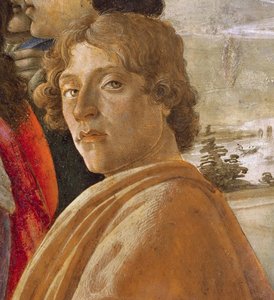
Sandro Botticelli
1445 - 1510 , Italia
Datos clave
- Artistas Que Influyeron:
- Fra Angelico
- Paolo Uccello
- Estilo Artístico: Renacimiento Temprano
- Fecha De Muerte: 1510
- Fecha De Nacimiento: c. 1445
- Influenciado A Artistas: ['Pre-Rafaelitas']
- Lugar De Nacimiento: Florencia, Italia
- Nacionalidad: Italiana
- Nombre Completo: Sandro Botticelli
- Obras Notables:
- El Nacimiento de Venus
- Primavera
- Natividad Mística
Artículos relacionados
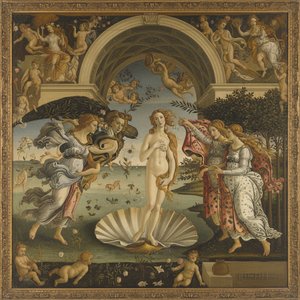
Botticelli: Las 25 Obras Maestras del Renacimiento para Decorar con Arte y Elegancia
Descubre las 25 obras maestras de Sandro Botticelli, el genio del Renacimiento italiano. Explora 'El Nacimiento de Venus', 'Primavera' y más: historia, técnica y belleza clásica. Encuentra reproducciones de arte exclusivas en OriginalUniqueArt.com.
Los 25 Tesoros del Uffizi: Arte Renacentista para tu Hogar | OriginalUniqueArt
Descubre los 25 tesoros del Uffizi en Florencia: Botticelli, Leonardo da Vinci y más. Explora la historia, el arte renacentista y encuentra reproducciones de alta calidad para tu hogar. ¡Inspírate con OriginalUniqueArt.com!

Giclée Prints: Archival Quality & Aesthetic Nuances for the Discerning Collector
Explore the world of giclée prints with OriginalUniqueArt. Learn about archival quality, aesthetic nuances & investment potential. Expert guidance for discerning art collectors seeking museum-quality reproductions and lasting value.
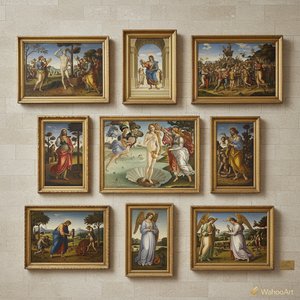
Los 10 Maestros del Renacimiento Temprano: Arte que Transformó el Mundo |
Descubre los 10 maestros del Renacimiento Temprano: Botticelli, Leonardo da Vinci y más. Explora la historia, técnica y belleza de obras icónicas italianas. Reproducciones de arte exclusivas en .

The Enduring Legacy of Fine Art Prints: Technique, History & Aesthetic Impact
Explore the rich history & techniques of fine art prints. Discover investment potential, assess authenticity, and learn how to preserve your collection with expert guidance. Trusted insights for discerning collectors.