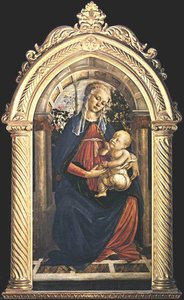
Vista previa
 Compartir
 Compartir
 Ver detalles
 Guía
Guía

 Descargar
 Ver artículos similares
 Radiografía
 Presentación de diapositivas
 Estadísticas
La Última Comunión de San Jerónimo (detalle)


 Leer más
Giclée / Impresión de arte
Impresiones giclée o en lienzo de calidad de museo con producción rápida y opciones de acabado flexibles. ( Encargar reproducción pintada a mano Ver versión en imagen digital)




P118B $10

P118H $10

P118W $10

P438Z $10

P508JH $12

P508YH $12

P805H $10

P805Z $10

P919BZ $10

P919G $10

P919XJ $10

P959ZH $10

P968JZ $12

W106C $8

W218G $10

W218JH $8

W218Y $10

W307PJ $10

W316G $10

W316PJ $8

W316Y $10

W398PJ $8

W4111J $10

W500HY $15

W500JH $15

W692G $12

W849H $8

W940BG $15

W953PJ $8




Elija entre nuestros tamaños predefinidos que respetan las proporciones originales de la obra.

Puede introducir sus propias dimensiones para adaptarse a un marco o espacio específico. Si el tamaño seleccionado no coincide con las proporciones de la imagen original, recortaremos la obra de arte o extenderemos la imagen con un borde con efecto espejo o de color sólido. Se enviará una maqueta digital para su aprobación antes de que comience la producción.
Tenga en cuenta que la vista previa en pantalla no refleja el recorte o la extensión real. Solo la maqueta mostrará con precisión la composición final.
Aunque existen tamaños personalizados, recomendamos seleccionar una dimensión de la lista predefinida para preservar las proporciones originales.
Envío a todo el mundo () en 2 semanas en lugar de las 4/5 semanas estándar. (25 septiembre)

Envío exprés gratuito a todo el mundo

Lienzo de lino de alta calidad

Seguro de envío completo

Garantía de reembolso de impuestos aduaneros

Garantía de fidelidad cromática exacta

Política de devolución de 100 días (solo por defectos)

Garantía de devolución del 100% del dinero

Oferta por volumen
 La opción de vidrio solo está disponible en tamaños inferiores a 110 cm.

La Última Comunión de San Jerónimo (detalle)
Giclée / Impresión de arte
Tamaño de la reproducción
-


Precio total
$ 80
A Moment of Profound Devotion: Botticelli’s *The Last Communion of St Jerome (detail)*
This exquisite detail from Sandro Botticelli's *The Last Communion of St. Jerome* offers a poignant glimpse into a pivotal moment of spiritual reflection and acceptance. Painted in 1495, during a period of intense religious fervor in Florence, the work transcends mere depiction to become an intimate meditation on faith, mortality, and divine grace. It’s a scene steeped in symbolism—a testament to Jerome's unwavering belief amidst his final earthly trials.Subject & Narrative
The central focus is St. Jerome, portrayed as an aged man receiving his final communion. Surrounded by a priest – identifiable by his vibrant red robe – and two attentive monks in brown habits, Botticelli doesn’t aim for grand spectacle; instead, he concentrates on the deeply personal nature of this sacred rite. The detail highlights Jerome's frail form and focused gaze, suggesting both vulnerability and resolute conviction as he prepares to meet his maker. The narrative draws upon the Epistle of Eusebius of Caesarea to Pope Damasus I—a text that recounts Jerome’s death in 420 AD—and portrays him kneeling before a bed draped with a simple linen cloth. Two monks assist him, holding candles aloft, symbolizing divine illumination and spiritual support. The priest administers communion, representing Christ's body and blood – the cornerstone of Christian faith. Botticelli’s deliberate choice to depict this intimate moment reflects the burgeoning emphasis on individual piety during the Renaissance, capturing a profound yearning for transcendence.Style & Technique
Botticelli’s signature style is beautifully evident here—a masterful blend of Late Gothic elegance and Early Renaissance innovation. His characteristic *linear elegance* defines the forms with graceful contours, creating an impression of serene composure. Executed in oil on panel, Botticelli's technique showcases his meticulous attention to realism tempered by idealized aesthetic principles. Note the delicate rendering of the drapery—particularly Jerome’s robe—and the expressive faces of the figures; these details reveal a painstaking effort to convey emotion and psychological depth. The subtle gradations of light and shadow contribute to an atmosphere of solemn reverence, enhancing the sense of stillness and contemplation. The texture is slightly rough in areas, hinting at the layering of paint characteristic of oil painting techniques—a deliberate choice that adds tactile richness to the composition.Historical Context & Symbolism
The painting emerged during Savonarola’s reign in Florence, a period marked by fervent religious zeal and moral reform. Botticelli's depiction aligns with the prevailing spiritual climate of the time, mirroring the fervor surrounding Savonarola’s sermons and his crusade against worldly indulgences. Jerome himself was revered as a scholar and theologian—a figure who championed biblical scholarship and wrestled with profound theological questions. The inclusion of palm branches symbolizes Christ’s triumph over death—a visual reminder of hope and redemption. Furthermore, the cardinal's hat represents Jerome’s honorific doctorate from Bologna—a symbol of intellectual achievement and spiritual authority. Botticelli’s masterful use of symbolism elevates the scene beyond mere representation, inviting viewers to contemplate themes of faith, mortality, and divine grace.Emotional Impact & Artistic Significance
This detail evokes a powerful sense of *reverence*, *piety*, and quiet contemplation—a testament to Botticelli's ability to imbue religious subjects with both emotional resonance and artistic beauty. The focused lighting draws our attention to Jerome’s face and hands, emphasizing his spiritual journey and conveying the solemn dignity of his final rite. The restrained color palette—dominated by warm reds and browns contrasted with the white robes—contributes to an overall mood of solemnity and tranquility. Botticelli doesn't strive for dramatic grandeur; instead, he invites us into a space of intimate reflection, allowing us to share in this profoundly moving moment—a masterpiece that secures Botticelli’s place as one of the most influential artists of the Early Renaissance. ## For Collectors & Designers- Interior Design: This detail would serve as a stunning focal point in a study or chapel, adding a touch of historical elegance and spiritual depth to any space.
- Art Collection: A reproduction captures the essence of Botticelli’s artistry—providing an accessible way to appreciate his mastery of line, color, and composition. It complements collections focused on Renaissance art, religious iconography, or Italian masters.
- Investment Potential: Botticelli's enduring popularity ensures continued interest in high-quality reproductions of his work—representing a valuable addition to discerning portfolios.
Biografía del artista
vida temprana y formación
Sandro Botticelli, nacido Alessandro di Mariano di Vanni Filipepi alrededor de 1445, fue una figura clave en el Renacimiento temprano de la pintura italiana. Inicialmente eclipsado post mortem, la obra de Botticelli fue revitalizada a finales del siglo XIX por los pre-rafaelitas, lo que llevó a una reevaluación de sus contribuciones artísticas. Botticelli nació en Florencia, Italia, y vivió toda su vida en el mismo barrio. Su familia, incluyendo a su padre Mariano di Vanni d'Amadeo Filipepi, estuvo involucrada en diversas profesiones, lo que les permitió entrar en contacto con artistas. Giorgio Vasari informó que Botticelli fue inicialmente entrenado como joyero.Estilo artístico y obras notables
La obra de Botticelli se caracteriza por una elegante linealidad, que conecta el gótico tardío italiano con el Renacimiento temprano. Sus obras más famosas, El nacimiento de Venus y Primavera, se exhiben en la Galería Uffizi en Florencia, que alberga una importante colección de su arte. * El nacimiento de Venus (ver en OriginalUniqueArt) * Primavera (explorar el arte de Sandro Botticelli en OriginalUniqueArt) * La natividad mística (Galería Nacional, Londres), fechada en 1501, es la única obra de Botticelli con una fecha clara.Legado e influencia
El estilo de Botticelli evolucionó hacia un enfoque más personal en la década de 1490, divergente de sus contemporáneos como Leonardo da Vinci y el estilo del Alto Renacimiento emergente. Su obra ha sido reconocida como una contribución significativa al movimiento artístico del Renacimiento italiano. * El movimiento artístico del Renacimiento italiano * Sandro Botticelli en Wikipedia- Artistas notables del Renacimiento italiano incluyen a Sandro Botticelli, Leonardo da Vinci, Miguel Ángel y Tiziano.
- La Galería Uffizi de Florencia alberga una importante colección de arte de Botticelli.
- La obra de Botticelli ha sido reconocida como una figura clave en el Renacimiento temprano de la pintura italiana.
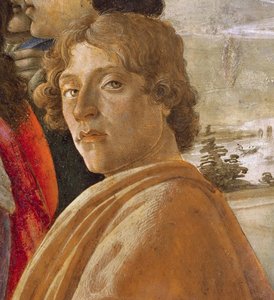
Sandro Botticelli
1445 - 1510 , Italia
Datos clave
- Artistas Que Influyeron:
- Fra Angelico
- Paolo Uccello
- Estilo Artístico: Renacimiento Temprano
- Fecha De Muerte: 1510
- Fecha De Nacimiento: c. 1445
- Influenciado A Artistas: ['Pre-Rafaelitas']
- Lugar De Nacimiento: Florencia, Italia
- Nacionalidad: Italiana
- Nombre Completo: Sandro Botticelli
- Obras Notables:
- El Nacimiento de Venus
- Primavera
- Natividad Mística
Artículos relacionados
Botticelli: Las 25 Obras Maestras del Renacimiento para Decorar con Arte y Elegancia
Descubre las 25 obras maestras de Sandro Botticelli, el genio del Renacimiento italiano. Explora 'El Nacimiento de Venus', 'Primavera' y más: historia, técnica y belleza clásica. Encuentra reproducciones de arte exclusivas en OriginalUniqueArt.com.
The Ethereal Beauty of Botticelli: A Journey Through the Grace and Symbolism of Italian Renaissance Masterpieces
Explore the ethereal beauty of Sandro Botticelli's masterpieces. Delve into the profound symbolism, mythological grace, and technical mastery that define the Italian Renaissance through an expert art-historical lens.

Crimson Threads of Narrative: Exploring Symbolism & Representation in Artworks Featuring the Red Dress
Explore the rich symbolism of the red dress in art history! From ancient power displays to iconic portraits like Cézanne’s 'Madame Cezanne', discover the cultural and artistic significance behind this captivating color. Expert analysis & insights.
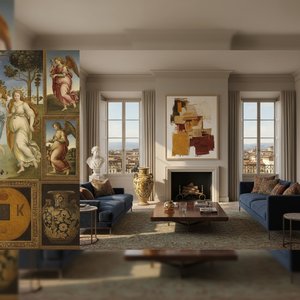
Los 25 Tesoros del Uffizi: Arte Renacentista para tu Hogar | OriginalUniqueArt
Descubre los 25 tesoros del Uffizi en Florencia: Botticelli, Leonardo da Vinci y más. Explora la historia, el arte renacentista y encuentra reproducciones de alta calidad para tu hogar. ¡Inspírate con OriginalUniqueArt.com!
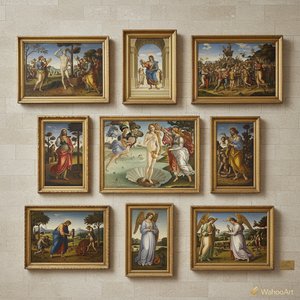
Los 10 Maestros del Renacimiento Temprano: Arte que Transformó el Mundo |
Descubre los 10 maestros del Renacimiento Temprano: Botticelli, Leonardo da Vinci y más. Explora la historia, técnica y belleza de obras icónicas italianas. Reproducciones de arte exclusivas en .