Ver en contexto
 Enviar
 Compartir
 Detalles

 Descargar
 Similares
 Radiografía
 Presentación de diapositivas
La Crucifixión
 Acrílico sobre lienzo
- Arte de pared
- Early Renaissance
 1497
1497- Renacimiento
 73.0 x 50.0 cm
 Ver más
Giclée / Impresión de arte
Impresiones giclée o en lienzo de calidad de museo con producción rápida y opciones de acabado flexibles. ( Comprar pintura hecha a mano Comprar imagen)




P118B $10

P118H $10

P118W $10

P438Z $10

P508JH $12

P508YH $12

P805H $10

P805Z $10

P919BZ $10

P919G $10

P919XJ $10

P959ZH $10

P968JZ $12

W106C $8

W218G $10

W218JH $8

W218Y $10

W307PJ $10

W316G $10

W316PJ $8

W316Y $10

W398PJ $8

W4111J $10

W500HY $15

W500JH $15

W692G $12

W849H $8

W940BG $15

W953PJ $8




Elija entre nuestros tamaños predefinidos que respetan las proporciones originales de la obra.

Puede introducir sus propias dimensiones para adaptarse a un marco o espacio específico. Si el tamaño seleccionado no coincide con las proporciones de la imagen original, recortaremos la obra de arte o extenderemos la imagen con un borde con efecto espejo o de color sólido. Se enviará una maqueta digital para su aprobación antes de que comience la producción.
Tenga en cuenta que la vista previa en pantalla no refleja el recorte o la extensión real. Solo la maqueta mostrará con precisión la composición final.
Aunque existen tamaños personalizados, recomendamos seleccionar una dimensión de la lista predefinida para preservar las proporciones originales.
Envío a todo el mundo () en 2 semanas en lugar de las 4/5 semanas estándar. (25 agosto)

Envío exprés gratuito a todo el mundo

Lienzo de lino de alta calidad

Seguro de envío total

Garantía de reembolso de impuestos aduaneros

Garantía de fidelidad cromática exacta

Política de devolución de 60 días (solo por defectos)

Garantía de devolución del 100% del dinero

Descuento por cantidad
 La opción de vidrio solo está disponible en tamaños inferiores a 110 cm.

La Crucifixión
Giclée / Impresión de arte
Dimensiones de la reproducción
-


Precio total final
$ 80
Descripción de la pieza
Sandro Botticelli’s ‘Crucifixion’: A Meditation on Faith and Mortality
Botticelli's 'Crucifixion,' painted in 1497, stands as one of the most poignant expressions of Renaissance spirituality. More than just a depiction of Christ’s suffering—though undeniably powerful in its portrayal—it embodies Botticelli’s masterful command of artistic conventions and his profound engagement with theological themes. Measuring 73 x 50 cm and executed in tempera on canvas, this artwork transcends mere visual representation to convey an emotional depth that continues to resonate centuries later.Composition and Symbolism: An Orchestration of Grief
The central figure is Jesus Christ himself, suspended from the cross with outstretched arms—a gesture universally recognized as conveying immense pain and vulnerability. Botticelli’s meticulous attention to anatomical detail contrasts sharply with the ethereal quality of the surrounding angelic figures. These angels aren't merely observers; they participate in a drama of compassion and contemplation. One angel stands close to Jesus, radiating tenderness, while another occupies a distant position, suggesting profound reflection on divine justice and mercy. The inclusion of two additional figures—one on the left and one on the right—adds layers of complexity to the composition, enriching its narrative dimension and hinting at the universality of human experience within the context of faith. The color palette is deliberately restrained yet impactful. Predominantly muted reds, blues, greens, yellows, and whites dominate the scene, creating a sense of solemnity and depth. These colors aren’t used for mere decoration; they serve as conduits for emotion, mirroring the sorrowful atmosphere of the crucifixion. The artist skillfully employs chiaroscuro—the interplay between light and shadow—to heighten dramatic tension and emphasize Jesus's suffering, drawing the viewer’s gaze directly to his tormented visage.Artistic Context: Echoes of Tradition
Botticelli’s ‘Crucifixion’ firmly establishes itself within the broader tradition of portraying Christ’s crucifixion in Renaissance art. This motif was prevalent during the period, reflecting the fervent religious fervor and artistic innovation characteristic of Florence under Lorenzo de Medici—a time when Botticelli flourished as a court artist. Comparing it to works by contemporaries like Piero della Francesca reveals Botticelli's stylistic choices: he prioritizes clarity and elegance, eschewing excessive ornamentation in favor of conveying spiritual truth with understated grace. Notably, the painting aligns itself with the humanist ideals championed by figures such as Leonardo da Vinci and Michelangelo—artists who sought to reconcile classical aesthetics with Christian dogma.Relevance in Art History: Botticelli’s Legacy
Botticelli's exploration of human anatomy—particularly evident in the depiction of Jesus’s musculature—represents a significant departure from earlier Gothic art, which favored stylized representations. He consciously revisited classical sculptural models, demonstrating an awareness of artistic history and its influence on his own creative vision. The artist’s deliberate use of tempera—a technique known for its luminosity and permanence—further underscores the enduring quality of his masterpiece. Furthermore, Botticelli's work contributes to a broader understanding of how artists grappled with questions of faith, morality, and mortality during the Renaissance—themes that continue to inspire artistic contemplation today.- Key Points:
- Sandro Botticelli’s ‘Crucifixion’ is a significant religious painting from the Italian Renaissance.
- The painting features Jesus Christ on the cross, surrounded by angels and other figures.
- Botticelli's use of rich colors adds depth and emotional impact to the scene.
- The artwork is part of a broader tradition of depicting the crucifixion in Renaissance art.
Further Exploration: Botticelli’s Artistic Universe
To delve deeper into Sandro Botticelli's artistic journey, consider examining his celebrated work ‘Holy Trinity,’ which showcases similar stylistic refinements and thematic concerns. This monumental altarpiece exemplifies Botticelli’s mastery of color and composition—a testament to his enduring influence on subsequent generations of artists. For those interested in tracing the evolution of nude art throughout history, exploring resources like 'Holy Trinity (Pala della Convertite)' provides invaluable context for appreciating Botticelli’s contribution to this genre. Additionally, the history of the nude in art offers a broader perspective on artistic conventions and cultural values across eras.For more information on Sandro Botticelli and his works, visit https://OriginalUniqueArt.com. To delve deeper into the history of the nude in art, refer to https://en.wikipedia.org/wiki/History_of_the_nude_in_art.
Biografía del artista
vida temprana y formación
Sandro Botticelli, nacido Alessandro di Mariano di Vanni Filipepi alrededor de 1445, fue una figura clave en el Renacimiento temprano de la pintura italiana. Inicialmente eclipsado post mortem, la obra de Botticelli fue revitalizada a finales del siglo XIX por los pre-rafaelitas, lo que llevó a una reevaluación de sus contribuciones artísticas. Botticelli nació en Florencia, Italia, y vivió toda su vida en el mismo barrio. Su familia, incluyendo a su padre Mariano di Vanni d'Amadeo Filipepi, estuvo involucrada en diversas profesiones, lo que les permitió entrar en contacto con artistas. Giorgio Vasari informó que Botticelli fue inicialmente entrenado como joyero.Estilo artístico y obras notables
La obra de Botticelli se caracteriza por una elegante linealidad, que conecta el gótico tardío italiano con el Renacimiento temprano. Sus obras más famosas, El nacimiento de Venus y Primavera, se exhiben en la Galería Uffizi en Florencia, que alberga una importante colección de su arte. * El nacimiento de Venus (ver en OriginalUniqueArt) * Primavera (explorar el arte de Sandro Botticelli en OriginalUniqueArt) * La natividad mística (Galería Nacional, Londres), fechada en 1501, es la única obra de Botticelli con una fecha clara.Legado e influencia
El estilo de Botticelli evolucionó hacia un enfoque más personal en la década de 1490, divergente de sus contemporáneos como Leonardo da Vinci y el estilo del Alto Renacimiento emergente. Su obra ha sido reconocida como una contribución significativa al movimiento artístico del Renacimiento italiano. * El movimiento artístico del Renacimiento italiano * Sandro Botticelli en Wikipedia- Artistas notables del Renacimiento italiano incluyen a Sandro Botticelli, Leonardo da Vinci, Miguel Ángel y Tiziano.
- La Galería Uffizi de Florencia alberga una importante colección de arte de Botticelli.
- La obra de Botticelli ha sido reconocida como una figura clave en el Renacimiento temprano de la pintura italiana.
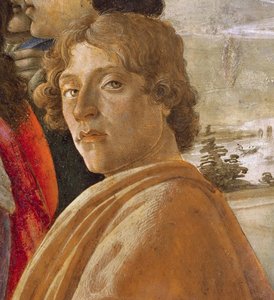
Sandro Botticelli
1445 - 1510 , Italia
Datos clave
- Artistas Que Influyeron:
- Fra Angelico
- Paolo Uccello
- Estilo Artístico: Renacimiento Temprano
- Fecha De Muerte: 1510
- Fecha De Nacimiento: c. 1445
- Influenciado A Artistas: ['Pre-Rafaelitas']
- Lugar De Nacimiento: Florencia, Italia
- Nacionalidad: Italiana
- Nombre Completo: Sandro Botticelli
- Obras Notables:
- El Nacimiento de Venus
- Primavera
- Natividad Mística
Artículos relacionados
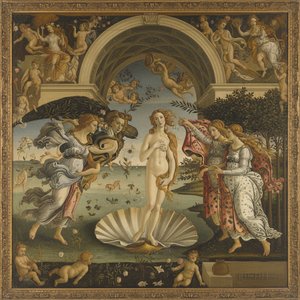
Botticelli: Las 25 Obras Maestras del Renacimiento para Decorar con Arte y Elegancia
Descubre las 25 obras maestras de Sandro Botticelli, el genio del Renacimiento italiano. Explora 'El Nacimiento de Venus', 'Primavera' y más: historia, técnica y belleza clásica. Encuentra reproducciones de arte exclusivas en OriginalUniqueArt.com.
Las 10 Obras Maestras del Alto Medieval: Arte, Historia y Decoración Exclusiva
Descubre las 10 obras maestras del Alto Medieval. Explora la historia, el simbolismo y la belleza de la pintura románica y gótica. Reproducciones exclusivas en OriginalUniqueArt.com para decorar tu hogar con arte atemporal.
El Resplandor del Tiempo: Explorando la Técnica y el Legado de la Témpera sobre Tabla
Descubra la fascinante historia y técnica de la témpera sobre tabla. Explore los materiales, el simbolismo y la conservación de esta antigua forma de arte con OriginalUniqueArt.
10 Obras Maestras del Temple que Revolucionaron la Historia del Arte | OriginalUniqueArt
Descubre 10 obras maestras del temple sobre tabla que revolucionaron el arte medieval y renacentista. Explora la historia de Botticelli, Van Eyck y Giotto. Reproducciones de arte de museo para decorar tu hogar con elegancia en OriginalUniqueArt.com.
Illuminating History: A Comprehensive Exploration of Tempera Painting Techniques & Artistic Legacy
Explore the rich history & techniques of tempera painting! Discover Renaissance masters like Botticelli & Fra Angelico, conservation insights, and the enduring legacy of this captivating art form.