Vista previa
 Compartir
 Compartir
 Ver detalles
 Guía
Guía

 Descargar
 Ver artículos similares
 Radiografía
 Presentación de diapositivas
 Estadísticas
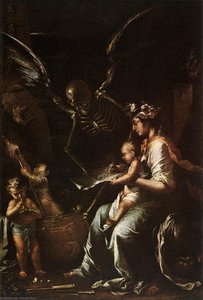
Self-Portrait as a Philosopher
 Oil On Canvas
- WallArt
- Baroque
 1645
1645- Renaissance
 94.0 x 116.0 cm
 La National Gallery
 Leer más
Reproducción al óleo hecha a mano
Óleo sobre lienzo pintado a mano en el tamaño y marco de su elección, realizado por encargo por nuestros artistas. ( Cambiar a formato impreso Ver versión en imagen digital)




P118B $10

P118H $10

P118W $10

P438Z $10

P508JH $12

P508YH $12

P805H $10

P805Z $10

P919BZ $10

P919G $10

P919XJ $10

P959ZH $10

P968JZ $12

W106C $8

W218G $10

W218JH $8

W218Y $10

W307PJ $10

W316G $10

W316PJ $8

W316Y $10

W398PJ $8

W4111J $10

W500HY $15

W500JH $15

W692G $12

W849H $8

W940BG $15

W953PJ $8




Elija entre nuestros tamaños predefinidos que respetan las proporciones originales de la obra.

Puede ingresar sus propias dimensiones para adaptarse a un marco o espacio específico. Si el tamaño seleccionado no coincide con las proporciones de la imagen original, recortaremos la obra o extenderemos la pintura con elementos adicionales pintados a mano. Se le enviará una maqueta digital para su aprobación antes de comenzar la producción.
Tenga en cuenta que la vista previa en pantalla no refleja el recorte o la extensión reales. Solo la maqueta mostrará con precisión la composición final.
Si bien existen tamaños personalizados, recomendamos seleccionar una dimensión de la lista predefinida para preservar las proporciones originales.
Tras realizar el pedido, el equipo de OriginalUniqueArt.com enviará un correo electrónico al cliente para solicitar instrucciones y proporcionarle una vista previa del boceto.
Envío a todo el mundo () en 3-4 semanas en lugar de las 5 semanas estándar. (26 septiembre). Sin comprometer la calidad.

Envío exprés gratuito a todo el mundo

Lienzo de lino de alta calidad

Seguro de envío completo

Garantía de reembolso de impuestos aduaneros

Garantía de fidelidad cromática exacta

Política de devolución de 100 días (solo por defectos)

Garantía de devolución del 100% del dinero

Oferta por volumen
 La opción de vidrio solo está disponible en tamaños inferiores a 110 cm.

Self-Portrait as a Philosopher
Técnica de reproducción
Tamaño de la reproducción
-


Precio total
$ 300
Salvator Rosa’s Philosophical Portrait: A Meditation on Silence and Wisdom
Salvator Rosa’s “Self-Portrait as Philosopher,” painted around 1645, stands as a testament to the artist's profound engagement with philosophical thought and his distinctive Baroque style. More than just a depiction of his physical appearance—though meticulously rendered—the painting embodies themes of silence, wisdom, and mortality—a poignant meditation on human existence that continues to resonate with viewers today. Rosa’s artistic vision sought to elevate painting beyond mere representation, aiming instead for an expression of inner contemplation and intellectual rigor, aligning him squarely with the burgeoning spirit of Romanticism.- Subject Matter: The portrait captures Rosa himself in a contemplative pose against a stormy grey sky, emphasizing his solemn gaze and conveying a sense of profound seriousness. He is dressed in dark attire typical of the Baroque period, reflecting the artistic sensibilities of the time.
- Style & Technique: Executed in oil on canvas, “Self-Portrait” exemplifies Rosa’s masterful Baroque technique—characterized by dramatic chiaroscuro (contrast between light and shadow)—which powerfully illuminates his face and contributes to the painting's overall mood of solemn reflection. The artist skillfully employs shading to sculpt the contours of Rosa’s features, creating a palpable sense of depth and realism.
- Symbolism: Several symbolic elements enrich the portrait’s meaning. Rosa wears a black scholar’s cap—a deliberate gesture signifying intellectual pursuits—and grips a scroll inscribed with the Latin phrase “Aut tace, aut loquere meliora silentio,” which translates to “Be silent, unless what you have to say is better than silence.” This quote encapsulates Rosa's belief in the power of contemplative reflection and underscores the painting’s philosophical core.
- Historical Context: Painted during a period marked by intellectual ferment—the Renaissance and Baroque eras—Rosa’s work reflects the humanist ideals prevalent at the time, emphasizing human reason and moral virtue. It aligns with the broader artistic movement that sought to explore profound psychological states and grapple with existential questions.
- Emotional Impact: “Self-Portrait” evokes a powerful emotional response in viewers—a sense of melancholy contemplation mingled with an appreciation for Rosa’s artistic skill. The painting's subdued palette and masterful use of light contribute to its contemplative atmosphere, inviting introspection and prompting reflection on the nature of wisdom and silence.
Provenance & Recognition
Rosa’s “Self-Portrait” holds a significant place in art history—recognized as one of his most innovative landscapes and a precursor to Romanticism. It was presented to Henry Petty-Fitzmaurice, 6th Marquess of Lansdowne, in memory of his father, the 5th Marquess, who had died in 1927. Subsequently, it entered the collection of Rev. John Sanford at Bowood House before finding its way into the Wadsworth Atheneum in 1956—a testament to its enduring artistic merit and historical importance. Recent scholarship has affirmed Rosa’s pioneering role as a landscape painter and his influence on Romantic artists like Turner and Constable, cementing his legacy as one of the Baroque period's most visionary figures.Further Exploration
To delve deeper into Salvator Rosa’s artistic oeuvre and philosophical convictions, consider examining his other paintings—particularly “Torture of Prometheus,” which showcases his dramatic flair and masterful use of color—and exploring biographical accounts detailing his life and artistic journey. Examining Rosa's engagement with humanist philosophy illuminates the intellectual currents shaping Baroque art and underscores the artist’s commitment to conveying profound psychological states through visual imagery.Reproductions & Artistic Inspiration
High-quality reproductions of “Self-Portrait as Philosopher” offer an opportunity to appreciate Rosa’s artistic brilliance and immerse oneself in the contemplative atmosphere of his masterpiece. Collectors and interior designers alike can draw inspiration from this iconic artwork—recognizing its enduring relevance as a symbol of intellectual integrity and serene contemplation.Biografía del artista
Vida temprana y formación
Salvator Rosa, pintor barroco italiano, poeta e grabador, nació en Arenella, Nápoles, el 20 de junio o el 21 de julio de 1615. Su madre, Giulia Greca Rosa, pertenecía a una de las familias griegas de Sicilia. A pesar de los deseos de su padre de que se convirtiera en abogado o sacerdote, Salvator demostró una preferencia por las artes desde temprana edad.Trayectoria artística
La carrera artística de Salvator Rosa se caracterizó por su estilo poco ortodoxo y extravagante, lo que lo diferenciaba de sus contemporáneos. Estuvo activo en Nápoles, Roma y Florencia, y su obra estuvo influenciada por el naturalismo de Ribera y el clasicismo de Poussin. Sin embargo, se negó a ser atado por ningún estilo o movimiento particular.- Pitágoras emergiendo del inframundo (Museo de Arte Kimball, Fort Worth, Estados Unidos), una de sus obras más famosas, muestra su mezcla única de temas filosóficos y artísticos.
- Su obra El bautismo del eunuco (Museo de Arte Chrysler, Norfolk, Estados Unidos) demuestra su capacidad para infundir un alto dramatismo incluso en historias bíblicas menores.
Influencias y legado
La obra de Salvator Rosa tuvo un impacto significativo en el desarrollo del arte barroco. Su influencia puede verse en las obras de artistas posteriores, como Luca Giordano, que continuó superando los límites de la expresión artística.Enlaces importantes: Perfil de Salvator Rosa en OriginalUniqueArt Wikipedia: Salvator Rosa Pitágoras emergiendo del inframundo en OriginalUniqueArtDesarrollo y logros importantes
Rosa se distinguió por su enfoque único de los paisajes, a menudo representando escenas salvajes e indómitas que contrastaban con las vistas clásicas idealizadas de artistas como Claude Lorrain. Sus obras no solo mostraban la naturaleza en su estado más crudo, sino que también exploraban temas filosóficos y morales. Aunque sus habilidades técnicas a veces fueron criticadas, su originalidad e innovación artística eran innegables. Su capacidad para combinar elementos de la historia, la mitología y la filosofía en sus pinturas lo convirtió en una figura singular dentro del arte barroco.Significado histórico
La vida y obra de Salvator Rosa continúan fascinando a los amantes del arte e historiadores por igual. Su estilo poco ortodoxo y su rebelión perpetua contra las normas de su tiempo han cimentado su lugar en la historia del arte barroco. Se le considera un precursor del movimiento romántico, influyendo en artistas posteriores con su visión apasionada y dramática de la naturaleza y la condición humana. El Museo de Arte Kimball y el Museo de Arte Chrysler son instituciones que albergan importantes obras de Rosa.
Salvador Rosa
1615 - 1673 , Italia
Datos clave
- Artistas Que Influyeron:
- Ribera
- Poussin
- Estilo Artístico: Barroco
- Fecha De Muerte: 15 de marzo de 1673
- Fecha De Nacimiento: 20 o 21 de junio de 1615
- Influencia En Artistas: ['Luca Giordano']
- Lugar De Nacimiento: Arenella, Italia
- Nacionalidad: Italiana
- Nombre Completo: Salvator Rosa
- Obras Notables:
- Pitágoras emergiendo del inframundo
- El bautismo del eunuco
Artículos relacionados

Barroco Sublime: 10 Obras Maestras que Definieron una Época |
Descubre las 10 obras maestras del Barroco que marcaron una época. Caravaggio, Bernini y Velázquez cobran vida en . Reproducciones de arte de calidad museo para decorar tu hogar con elegancia. ¡Explora la colección online!

The Visceral Stage: Exploring Dramatic Narratives & Emotional Intensity in Baroque Art
Explore the dramatic world of Baroque art! Discover iconic masters like Caravaggio & Rembrandt, their techniques, and the movement's lasting impact. Expert insights for collectors & enthusiasts at OriginalUniqueArt.

Giclée Prints: Archival Quality & Aesthetic Nuances for the Discerning Collector
Explore the world of giclée prints with OriginalUniqueArt. Learn about archival quality, aesthetic nuances & investment potential. Expert guidance for discerning art collectors seeking museum-quality reproductions and lasting value.

Salvator Rosa: A Baroque Rebel's Vision of Landscape, Allegory & the Human Condition
Explore the captivating world of Salvator Rosa, a rebellious Baroque master. Discover his dramatic landscapes, allegorical paintings & lasting influence on Romanticism. Hand-painted reproductions available at OriginalUniqueArt.

Drama and Light: A Definitive Guide to the Italian Baroque Masterpieces and the Revolution of Chiaroscuro
Explore the dramatic world of Italian Baroque art. Discover how masters like Caravaggio used chiaroscuro and tenebrism to revolutionize painting through light, shadow, and profound realism. A definitive guide for history lovers and art collectors.