Vista previa
 Compartir
 Compartir
 Ver detalles

 Descargar
 Ver artículos similares
 Radiografía
 Presentación de diapositivas
 Estadísticas
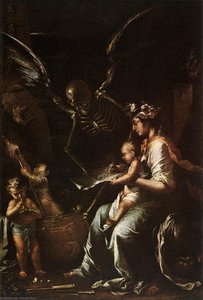
Monks Fishing


 Leer más
Giclée / Impresión de arte
Impresiones giclée o en lienzo de calidad de museo con producción rápida y opciones de acabado flexibles. ( Encargar reproducción pintada a mano Ver versión en imagen digital)




P118B $10

P118H $10

P118W $10

P438Z $10

P508JH $12

P508YH $12

P805H $10

P805Z $10

P919BZ $10

P919G $10

P919XJ $10

P959ZH $10

P968JZ $12

W106C $8

W218G $10

W218JH $8

W218Y $10

W307PJ $10

W316G $10

W316PJ $8

W316Y $10

W398PJ $8

W4111J $10

W500HY $15

W500JH $15

W692G $12

W849H $8

W940BG $15

W953PJ $8




Elija entre nuestros tamaños predefinidos que respetan las proporciones originales de la obra.

Puede introducir sus propias dimensiones para adaptarse a un marco o espacio específico. Si el tamaño seleccionado no coincide con las proporciones de la imagen original, recortaremos la obra de arte o extenderemos la imagen con un borde con efecto espejo o de color sólido. Se enviará una maqueta digital para su aprobación antes de que comience la producción.
Tenga en cuenta que la vista previa en pantalla no refleja el recorte o la extensión real. Solo la maqueta mostrará con precisión la composición final.
Aunque existen tamaños personalizados, recomendamos seleccionar una dimensión de la lista predefinida para preservar las proporciones originales.
Envío a todo el mundo () en 2 semanas en lugar de las 4/5 semanas estándar. (15 septiembre)

Envío exprés gratuito a todo el mundo

Lienzo de lino de alta calidad

Seguro de envío completo

Garantía de reembolso de impuestos aduaneros

Garantía de fidelidad cromática exacta

Política de devolución de 100 días (solo por defectos)

Garantía de devolución del 100% del dinero

Oferta por volumen
 La opción de vidrio solo está disponible en tamaños inferiores a 110 cm.

Monks Fishing
Giclée / Impresión de arte
Tamaño de la reproducción
-


Precio total
$ 80
A Landscape of Solitude and Spiritual Depth
Salvator Rosa’s “Monks Fishing” isn't merely a depiction of two figures casting lines into a river; it’s a profound meditation on humanity’s relationship with the untamed forces of nature, rendered through the lens of the Baroque painter’s distinctive vision. Painted circa 1646-1648, this oil on canvas captures a moment suspended in time – a quiet ritual performed within a landscape that simultaneously invites and threatens the viewer. The scene unfolds against a dramatic backdrop of towering rock formations, a brooding sky pregnant with clouds, and a dense, almost claustrophobic forest, all rendered with an intensity characteristic of Rosa’s mature style.
Rosa, a figure perpetually at odds with the established artistic conventions of his day, rejected the polished elegance favored by many of his contemporaries. Instead, he embraced a raw, emotive approach, prioritizing naturalism and psychological depth over idealized beauty. “Monks Fishing” exemplifies this philosophy; it’s not a picturesque scene designed for easy consumption but rather a complex tableau brimming with symbolic weight and emotional resonance. The figures themselves – two weathered monks, their faces etched with contemplation – are dwarfed by the immensity of the landscape, emphasizing their vulnerability and suggesting a profound connection to something far greater than themselves.
The Language of Light and Shadow: A Baroque Masterclass
Rosa’s technical skill is immediately apparent in his masterful manipulation of light and shadow. The painting is dominated by a diffused, atmospheric light that seems to emanate from an unseen source, casting long, dramatic shadows across the rocks and foliage. This chiaroscuro effect – a hallmark of Baroque art – not only creates a sense of depth and volume but also imbues the scene with a palpable mood of melancholy and introspection. Notice how he uses subtle highlights to draw attention to the texture of the bark on the trees, the rough surface of the rocks, and the folds in the monks’ garments, inviting us to engage with the painting on a tactile level.
- Brushwork: Visible brushstrokes contribute to the ruggedness and immediacy of the scene. Layered application builds texture and depth, particularly evident in the depiction of the foliage and rock formations.
- Color Palette: The earthy tones – browns, ochres, greens – dominate the palette, reflecting the naturalistic subject matter. Subtle blues and greys in the sky add to the sense of drama and foreboding.
- Perspective: Atmospheric perspective is skillfully employed to create a sense of distance; distant elements are rendered paler and less distinct, reinforcing the vastness of the landscape.
Symbolism Woven into the Wilderness
Beyond its immediate visual appeal, “Monks Fishing” is rich in symbolic meaning. The solitary monks, engaged in their humble task, can be interpreted as metaphors for humanity’s search for spiritual enlightenment within the context of a challenging and often unforgiving world. Their isolation underscores the difficulty of achieving inner peace amidst the chaos of existence. The river itself – a recurring motif in Rosa's work – represents both sustenance and danger, life and death. The towering trees, with their gnarled branches reaching towards the sky, symbolize resilience and endurance, while the rocky terrain suggests the obstacles that must be overcome on the path to spiritual growth.
Rosa’s choice of subject matter—monks fishing in a wild landscape—was deliberately provocative. It challenged the prevailing artistic conventions of his time, which typically favored grand historical scenes or mythological narratives. By depicting a simple, everyday activity within an extraordinary setting, Rosa elevated the mundane to the level of profound contemplation.
A Legacy of Rustic Grandeur
“Monks Fishing” stands as a testament to Salvator Rosa’s unique artistic vision and his enduring influence on subsequent generations of artists. It's a painting that rewards careful observation, inviting viewers to lose themselves in its atmospheric depth and contemplate the timeless themes of solitude, spirituality, and the relationship between humanity and nature. Reproductions of this powerful work capture much of the original’s emotional intensity, offering a window into the soul of one of Italy’s most enigmatic and compelling Baroque masters.
Biografía del artista
Vida temprana y formación
Salvator Rosa, pintor barroco italiano, poeta e grabador, nació en Arenella, Nápoles, el 20 de junio o el 21 de julio de 1615. Su madre, Giulia Greca Rosa, pertenecía a una de las familias griegas de Sicilia. A pesar de los deseos de su padre de que se convirtiera en abogado o sacerdote, Salvator demostró una preferencia por las artes desde temprana edad.Trayectoria artística
La carrera artística de Salvator Rosa se caracterizó por su estilo poco ortodoxo y extravagante, lo que lo diferenciaba de sus contemporáneos. Estuvo activo en Nápoles, Roma y Florencia, y su obra estuvo influenciada por el naturalismo de Ribera y el clasicismo de Poussin. Sin embargo, se negó a ser atado por ningún estilo o movimiento particular.- Pitágoras emergiendo del inframundo (Museo de Arte Kimball, Fort Worth, Estados Unidos), una de sus obras más famosas, muestra su mezcla única de temas filosóficos y artísticos.
- Su obra El bautismo del eunuco (Museo de Arte Chrysler, Norfolk, Estados Unidos) demuestra su capacidad para infundir un alto dramatismo incluso en historias bíblicas menores.
Influencias y legado
La obra de Salvator Rosa tuvo un impacto significativo en el desarrollo del arte barroco. Su influencia puede verse en las obras de artistas posteriores, como Luca Giordano, que continuó superando los límites de la expresión artística.Enlaces importantes: Perfil de Salvator Rosa en OriginalUniqueArt Wikipedia: Salvator Rosa Pitágoras emergiendo del inframundo en OriginalUniqueArtDesarrollo y logros importantes
Rosa se distinguió por su enfoque único de los paisajes, a menudo representando escenas salvajes e indómitas que contrastaban con las vistas clásicas idealizadas de artistas como Claude Lorrain. Sus obras no solo mostraban la naturaleza en su estado más crudo, sino que también exploraban temas filosóficos y morales. Aunque sus habilidades técnicas a veces fueron criticadas, su originalidad e innovación artística eran innegables. Su capacidad para combinar elementos de la historia, la mitología y la filosofía en sus pinturas lo convirtió en una figura singular dentro del arte barroco.Significado histórico
La vida y obra de Salvator Rosa continúan fascinando a los amantes del arte e historiadores por igual. Su estilo poco ortodoxo y su rebelión perpetua contra las normas de su tiempo han cimentado su lugar en la historia del arte barroco. Se le considera un precursor del movimiento romántico, influyendo en artistas posteriores con su visión apasionada y dramática de la naturaleza y la condición humana. El Museo de Arte Kimball y el Museo de Arte Chrysler son instituciones que albergan importantes obras de Rosa.
Salvador Rosa
1615 - 1673 , Italia
Datos clave
- Artistas Que Influyeron:
- Ribera
- Poussin
- Estilo Artístico: Barroco
- Fecha De Muerte: 15 de marzo de 1673
- Fecha De Nacimiento: 20 o 21 de junio de 1615
- Influencia En Artistas: ['Luca Giordano']
- Lugar De Nacimiento: Arenella, Italia
- Nacionalidad: Italiana
- Nombre Completo: Salvator Rosa
- Obras Notables:
- Pitágoras emergiendo del inframundo
- El bautismo del eunuco
Artículos relacionados
Epic Drama & Dark Vibes: The Ultimate Collector's Guide to Baroque Landscapes
Master the art of drama with our ultimate guide to Baroque landscapes. Discover the power of chiaroscuro, explore legendary masters, and learn how to curate epic, dark-vibe masterpieces for your collection with expert insights from OriginalUniqueArt.

Drama in Nature: The Captivating Grandeur of Baroque Landscapes and the Art of Emotional Spectacle
Explore the breathtaking drama of Baroque landscapes. From Rubens's grand vistas to the mastery of chiaroscuro, discover how 17th-century artists transformed nature into a theatrical stage of emotion and light. A deep dive for true art enthusiasts.

Paisajes Románticos: 10 Obras Maestras que Definieron un Movimiento Artístico
Descubre los 10 paisajes románticos más influyentes de artistas como Caspar David Friedrich y Turner. Explora la belleza, el simbolismo y las técnicas del movimiento romántico. Reproducciones de arte exclusivas en OriginalUniqueArt.com.

Evocations of Place: A Historical Journey Through Landscape Art
Explore the rich history of landscape art with OriginalUniqueArt. Discover renowned artists, movements like Impressionism & Romanticism, and expert guidance for collecting timeless pieces. Find your perfect serene escape today!

Salvator Rosa: A Baroque Rebel's Vision of Landscape, Allegory & the Human Condition
Explore the captivating world of Salvator Rosa, a rebellious Baroque master. Discover his dramatic landscapes, allegorical paintings & lasting influence on Romanticism. Hand-painted reproductions available at OriginalUniqueArt.