

 Ver en contexto
 Enviar
 Compartir
 Detalles
 Guía
Guía

 Descargar
 Similares
 Radiografía
 Presentación de diapositivas
 Q&A
Q&A Estadísticas
Who comes?
 Oil
Oil- WallArt
 1908
1908- 19th Century
 542.0 x 810.0 cm
 Galería Nacional de Australia
 Ver más
Giclée / Impresión de arte
Impresiones giclée o en lienzo de calidad de museo con producción rápida y opciones de acabado flexibles. ( Comprar pintura hecha a mano Cambiar a imagen digital)




P118B €10

P118H €10

P118W €10

P438Z €10

P508JH €12

P508YH €12

P805H €10

P805Z €10

P919BZ €10

P919G €10

P919XJ €10

P959ZH €10

P968JZ €12

W106C €8

W218G €10

W218JH €8

W218Y €10

W307PJ €10

W316G €10

W316PJ €8

W316Y €10

W398PJ €8

W4111J €10

W500HY €15

W500JH €15

W692G €12

W849H €8

W940BG €15

W953PJ €8




Elija entre nuestros tamaños predefinidos que respetan las proporciones originales de la obra.

Introduzca el ancho y el alto que necesite para adaptarse a su marco o pared. Una impresión solo puede recortarse, nunca hacerse más grande que la imagen original, por lo que un tamaño con una forma distinta perderá parte de la obra. Le enviaremos una maqueta digital para su aprobación antes de realizar cualquier impresión. La imagen que se muestra en esta página no refleja el recorte real; solo la maqueta lo hace.
Envío a todo el mundo () en 2 semanas en lugar de las 4/5 semanas estándar. (29 octubre)

Envío exprés gratuito a todo el mundo

Lienzo de lino de alta calidad

Seguro de envío total

Garantía de reembolso de aranceles aduaneros

Garantía de fidelidad cromática exacta

Política de devolución de 100 días (solo por defectos)

Garantía de devolución del 100% del dinero

Descuento por cantidad
 La opción de vidrio solo está disponible en tamaños inferiores a 110 cm.

Who comes?
Giclée / Impresión de arte
Dimensiones de la reproducción
-


Precio total final
€ 71
Preguntas y respuestas
¿Existe una ficha informativa sobre "Who comes?" de Rupert Bunny para estudiantes?
La guía de "Who comes?" es la página Ficha informativa de la obra: una ficha imprimible que presenta la pieza con su pie de foto, línea de crédito y tabla de datos (artista, fechas, técnica, tamaño original, colección).
¿Puedo pedir una reproducción al óleo de "Who comes?"?
Las reproducciones pintadas a mano de "Who comes?" de Rupert Bunny están disponibles en este sitio web: una reproducción al óleo pintada a mano sobre lienzo de lino, y pueden solicitarse a través de su página de Reproducción al óleo pintada a mano.
¿A quién se le puede regalar "Who comes?" y para qué ocasión?
Se sugiere "Who comes?" como un regalo para Anniversary, pensando en Mood.
Biografía del artista
Early Life and Training
Rupert Charles Wolston Bunny (1864 - 1947) was an Australian painter, born in St Kilda, Victoria. He received a traditional and academic education in the arts under Calderon and Laurens. This foundation would later serve him well in his successful career as an expatriate artist in fin-de-siècle Paris. His father, Brice Frederick Bunny, was a British Victorian county court judge, and his mother, Marie Hedwig Dorothea Wulsten, was German. He had an affluent upbringing and travelled extensively during his childhood, gaining fluency in English, French, and German—a skill that would prove invaluable for his artistic pursuits abroad. He enrolled at the University of Melbourne intending to study civil engineering but quickly abandoned this ambition to pursue painting, influenced by artists like McCubbin and Folingsby. His formative years were spent honing his craft under Campbell and Folingsby at the National Gallery School in Melbourne.Achievements and Accolades
Bunny’s artistic talent was recognized early on; he garnered an honorable mention at the Salon of 1890 for “Tritons,” marking a significant milestone in his burgeoning career. This recognition propelled him to greater heights, culminating in a bronze medal at the Paris Exposition Universelle in 1900 for “Burial of St Catherine of Alexandria.” The French state’s acquisition of thirteen of his paintings—including those now housed in the Musée du Luxembourg and regional collections—testament to his enduring reputation. He was celebrated as a "sumptuous colourist and splendidly erudite painter of ideal themes," embodying the spirit of Aestheticism and drawing inspiration from classical mythology.Artistic Style and Themes
Bunny’s distinctive style revolved around portraying groups of female figures immersed in tranquil scenes—relaxing, dreaming, or engaging in activities like dressing and undressing by expanses of water. This approach reflected his profound understanding of symbolism and aesthetic principles. His canvases captured the essence of beauty and contemplation, aligning him with luminaries such as Puvis de Chavannes and Ford Madox Brown. Notable works included “Endormies,” “Sea Idyll,” and “Pastoral”—each demonstrating a masterful blend of technique and imaginative vision.Notable Works
Bunny’s oeuvre encompassed numerous masterpieces that continue to captivate audiences today. Among these stand out: "Endormies," displayed at the National Gallery of Victoria, Melbourne; "Sea Idyll," also residing in the National Gallery of Victoria; and “Pastoral,” housed in the National Gallery of Australia, Canberra. These paintings exemplify his artistic prowess and solidify his place as a pivotal figure in Australian art history. His works are readily available for viewing and purchase through platforms like OriginalUniqueArt.com, offering enthusiasts access to museum-quality reproductions.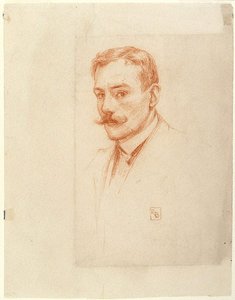
Rupert Bunny
1864 - 1947 , Australia
Datos clave
- Artistic Movement Or Style: Simbolismo
- Artists Who Influenced This Artist:
- Calderón
- Laurens
- Date Of Birth: 29 septiembre 1864
- Date Of Death: 25 mayo 1947
- Full Name: Rupert Charles Wulsten Bunny
- Nationality: Australiano
- Notable Artworks:
- Endormies
- Idylle marine
- Pastoral
- Place Of Birth: St Kilda, Australia
Artículos relacionados
Elegancia en el Arte: 10 Obras Maestras para un Hogar Sofisticado |
Descubre 10 obras maestras que definen la elegancia en el arte clásico. Explora la historia de artistas como Monet y Renoir, sus técnicas y paletas sofisticadas. Encuentra reproducciones de arte de museo para un hogar refinado en .
La Alusión a la Elegancia: Explorando Representaciones Artísticas de Refinamiento a Través de los Movimientos Históricos
Explore la evolución de la elegancia en el arte a través del Rococó y el Neoclasicismo. Análisis profundo, historia y significado cultural para coleccionistas exigentes.
Sir Joshua Reynolds: Las 25 Obras Maestras del Retrato Inglés | OriginalUniqueArt
Descubre las 25 obras maestras de Sir Joshua Reynolds, el pintor inglés que elevó el retrato a la categoría de arte. Explora su técnica clásica, estilo rococó y significado histórico en OriginalUniqueArt.com. ¡Encuentra reproducciones de alta calidad para tu hogar!

The Allure of Elegance in Art: A Historical & Aesthetic Exploration of Refined Beauty
Explore the history of elegance in art! Discover Rococo masterpieces & key artists. Expert insights for discerning collectors seeking investment-worthy artworks and custom reproductions at OriginalUniqueArt.

The Allure of Elegance in Art: A Historical & Aesthetic Exploration of Refinement & Grace
Explore the exquisite world of Rococo art! Discover its history, masters (Watteau, Boucher & more), and defining elegance. Expert insights for collectors seeking museum-quality reproductions & custom portraits.

