Vista previa
 Compartir
 Compartir
 Ver detalles
 Guía
Guía

 Descargar
 Ver artículos similares
 Radiografía
 Presentación de diapositivas
 Estadísticas
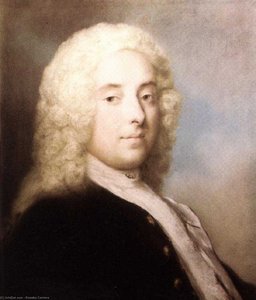
A Young Lady with a Parrot


 Leer más
Giclée / Impresión de arte
Impresiones giclée o en lienzo de calidad de museo con producción rápida y opciones de acabado flexibles. ( Encargar reproducción pintada a mano Ver versión en imagen digital)




P118B $10

P118H $10

P118W $10

P438Z $10

P508JH $12

P508YH $12

P805H $10

P805Z $10

P919BZ $10

P919G $10

P919XJ $10

P959ZH $10

P968JZ $12

W106C $8

W218G $10

W218JH $8

W218Y $10

W307PJ $10

W316G $10

W316PJ $8

W316Y $10

W398PJ $8

W4111J $10

W500HY $15

W500JH $15

W692G $12

W849H $8

W940BG $15

W953PJ $8




Elija entre nuestros tamaños predefinidos que respetan las proporciones originales de la obra.

Puede introducir sus propias dimensiones para adaptarse a un marco o espacio específico. Si el tamaño seleccionado no coincide con las proporciones de la imagen original, recortaremos la obra de arte o extenderemos la imagen con un borde con efecto espejo o de color sólido. Se enviará una maqueta digital para su aprobación antes de que comience la producción.
Tenga en cuenta que la vista previa en pantalla no refleja el recorte o la extensión real. Solo la maqueta mostrará con precisión la composición final.
Aunque existen tamaños personalizados, recomendamos seleccionar una dimensión de la lista predefinida para preservar las proporciones originales.
Envío a todo el mundo () en 2 semanas en lugar de las 4/5 semanas estándar. (26 septiembre)

Envío exprés gratuito a todo el mundo

Lienzo de lino de alta calidad

Seguro de envío completo

Garantía de reembolso de impuestos aduaneros

Garantía de fidelidad cromática exacta

Política de devolución de 100 días (solo por defectos)

Garantía de devolución del 100% del dinero

Oferta por volumen
 La opción de vidrio solo está disponible en tamaños inferiores a 110 cm.

A Young Lady with a Parrot
Giclée / Impresión de arte
Tamaño de la reproducción
-


Precio total
$ 80
Rosalba Carriera’s Enigmatic Delight: A Young Lady with a Parrot
Rosalba Carriera's "A Young Lady with a Parrot," painted circa 1730, isn’t merely a portrait; it’s a subtle dance of gesture, color, and playful intrigue. This pastel masterpiece, now residing in the collection of The Art Institute of Chicago, offers a captivating glimpse into the Rococo era's fascination with elegance, wit, and the delicate interplay between innocence and suggestion. Carriera, a pioneering figure who defied societal constraints to establish herself as one of Venice’s most celebrated artists, masterfully employs her signature style – characterized by luminous pastels, airy brushstrokes, and an uncanny ability to capture both the physical likeness and the inner character of her subjects – to create an image that continues to hold viewers spellbound centuries later.
The painting depicts a young woman, often interpreted as a member of the English aristocracy, seated in a richly draped chair. Her posture is relaxed yet poised, her gaze direct and engaging. She holds a small bouquet of violets – a symbol of modesty and beauty – while her hand rests lightly on the wing of a vibrant African grey parrot perched gracefully upon her shoulder. This bird isn’t simply an accessory; it's a crucial element in Carriera’s carefully constructed narrative. The parrot, with its intelligent eyes and slightly mischievous expression, seems to mirror the woman’s own subtle flirtation, hinting at a hidden sensuality beneath a veneer of propriety.
The Pastel Revolution: Technique and Innovation
Carriera was a true innovator in the world of pastel painting. Unlike her contemporaries who primarily utilized oil paints, she championed the medium's unique qualities – its delicate texture, vibrant colors, and ability to capture fleeting light and shadow. “A Young Lady with a Parrot” exemplifies this mastery. The pastel application is remarkably freehand, creating a sense of movement and spontaneity that’s rarely found in more formal portraiture. Notice how the artist builds up layers of color, blending hues directly on the paper to achieve subtle gradations and luminous effects. The use of ivory as a support was also revolutionary, allowing for greater detail and luminosity than traditional vellum.
Furthermore, Carriera’s technique is characterized by her masterful handling of *sfumato* – a blurring effect that softens outlines and creates an atmosphere of hazy beauty. This is particularly evident in the rendering of the woman's dress and the parrot’s plumage, which appear to shimmer with an ethereal glow. The background is deliberately muted, drawing attention to the central figures and reinforcing their importance within the composition.
Symbolism and Subtext: A Dance of Meaning
Beyond its surface beauty, “A Young Lady with a Parrot” is rich in symbolic meaning. The parrot itself has long been associated with intelligence, wit, and even a touch of irreverence – qualities that are subtly reflected in the woman’s demeanor. The gesture of pulling back the gauzy fabric at the edge of her bodice, mirrored by the parrot's beak, introduces an element of playful provocation, suggesting a willingness to challenge social conventions. This subtle act of defiance is balanced by the woman’s composed expression and the delicate beauty of her attire, creating a captivating tension between restraint and desire.
The inclusion of violets further enhances the painting's symbolic resonance. Violets are traditionally associated with modesty, humility, and remembrance – virtues that align perfectly with the young woman’s apparent character. However, their delicate beauty also hints at vulnerability and a certain wistfulness, adding another layer of complexity to the portrait.
A Legacy of Elegance: Carriera's Enduring Influence
Rosalba Carriera’s “A Young Lady with a Parrot” stands as a testament to her artistic genius and her profound impact on the development of pastel portraiture. Her innovative techniques, masterful use of color, and astute understanding of human psychology continue to resonate with viewers today. The painting's enduring appeal lies in its ability to capture not only the physical likeness of its subject but also the essence of her personality – a captivating blend of grace, wit, and subtle sensuality. It remains a prime example of Rococo artistry at its most refined and enigmatic, offering a timeless glimpse into the pleasures and complexities of 18th-century Venetian society.
Biografía del artista
Rosalba Carriera: Retratista Veneciana del Rococó
- Nacida: Venecia, Italia (1675)
- Fallecida: 1757
Rosalba Carriera fue una destacada pintora veneciana del Rococó celebrada por su maestría en el retrato al pastel y las miniaturas. Se erige como una de las artistas mujeres más exitosas en la historia del arte, pionera en el uso de los pasteles para retratos formales y logrando reconocimiento internacional durante el siglo XVIII.
Primeros Años e Inicios Artísticos
Nacida en una familia de clase baja-media en Venecia, el viaje artístico de Rosalba Carriera comenzó inesperadamente. Su madre se dedicaba a la elaboración de encajes y la joven Rosalba inicialmente asistió creando intrincados patrones de encaje. A medida que la industria del encaje declinó, la familia buscó medios alternativos de sustento. La ingeniosidad de Carriera la llevó a pintar miniaturas en tapas de estuches para rapé, una aplicación novedosa que rápidamente ganó popularidad. Innovadoramente, utilizó marfil en lugar de vellum tradicional para estas miniaturas, estableciéndose como una miniaturista hábil.
Desarrollo y Dominio del Retrato al Pastel
Basándose en su experiencia en la pintura de miniaturas, Carriera se trasladó al retrato, destacando notablemente por el uso exclusivo de los lápices pastel. Este medio demostró ser excepcionalmente adecuado para el énfasis del estilo Rococó en los bordes suaves y las superficies halagadoras. Sus retratos capturaron los rasgos de figuras prominentes, incluyendo Maximiliano II de Baviera, Federico IV de Dinamarca y Augusto el Fuerte de Sajonia, quien acumuló una colección significativa de sus pasteles.
- Primeras Obras: Retratos de Maximiliano II de Baviera, Federico IV de Dinamarca, "La Artista y su Hermana Naneta" (Uffizi), y Augusto el Fuerte.
- Reconocimiento: Fue nombrada 'Accademico di merito' por la Accademia di San Luca en Roma en 1704, un prestigioso honor reservado para pintores no romanos.
Éxito Internacional y Triunfo Parisino
En 1721, la reputación de Carriera se había extendido por toda Europa, lo que llevó a una estancia prolongada en París donde sus retratos fueron muy solicitados. Como invitada de la coleccionista de arte Pierre Crozat, pintó a numerosos miembros de la corte francesa, incluyendo al rey Luis XV y Watteau. Su talento fue tan reconocido que fue elegida miembro de la Académie Royale de Peinture et de Sculpture por unanimidad – un logro sin precedentes para una artista extranjera.
- Influencia Parisina: Contribuyó a dar forma a los gustos aristocráticos en Francia, moviendo el arte más allá del patrocinio puramente real.
- Apoyo Familiar: Sus hermanas, Giovanna y Angela, la ayudaron con el gran volumen de encargos que recibió durante este período.
Últimos Años, Legado y Significado Histórico
Tras su regreso a Venecia, Carriera continuó viajando extensamente, visitando Módena, Parma y Viena, donde fue recibida calurosamente por la realeza europea. Se convirtió en benefactora del Emperador Holandés Carlos VI quien acumuló más de 150 de sus pasteles. Más tarde en la vida, enfrentó tragedias personales incluyendo la muerte de su hermana Giovanna y una pérdida gradual de la visión debido a cataratas. A pesar de estos desafíos, la influencia de Carriera sobre las generaciones posteriores de artistas mujeres – como Adélaïde Labille-Guiard y Elisabeth Vigée Le Brun – sigue siendo significativa.
- Patronazgo: Recibió un apoyo sustancial del Emperador Holandés Carlos VI en Viena.
- Influencia: Inspiró a artistas femeninas posteriores, contribuyendo al avance de las mujeres en el mundo del arte.
- Significado Histórico: El éxito de Carriera desafió las normas sociales y demostró las capacidades artísticas de las mujeres durante el período Rococó. Es recordada como una pionera que popularizó los pasteles y logró un reconocimiento internacional notable por su retrato.

Rosalba Carriera
1675 - 1757 , Italia
Datos clave
- Artistas Influenciados:
- Adélaïde Labille-Guiard
- Élisabeth Vigée Le Brun
- Artistas Que Influyeron: ['Jean Steve']
- Fecha De Fallecimiento: 15 de abril de 1757
- Fecha De Nacimiento: 7 de octubre de 1675
- Lugar De Nacimiento: Venecia, Italia
- Movimiento Artístico: Rococó
- Nacionalidad: Italiana
- Nombre Completo: Rosalba Carriera
- Obras Notables:
- Artista y su hermana Naneta
- Maximiliano II de Baviera
- Federico IV de Dinamarca
- Augusto el Fuerte de Sajonia
Artículos relacionados
Mastering Pastel Art: A Professional Guide to Texture, Color, and Technique for the Discerning Collector
Discover the professional secrets of pastel art. From Impressionist light techniques to mastering texture and pigment layering, our expert guide explores the ethereal beauty and technical precision required to master this delicate medium.

Rococó: 10 Obras Maestras que Definieron una Época | Arte y Decoración en
Descubre las 10 obras maestras del Rococó que marcaron una época. Explora la elegancia de Fragonard, Boucher y Watteau en . Reproducciones de arte de calidad museo para decorar tu hogar con estilo.
Rococo Portraits: The Ultimate Guide to Pastel Luxury, Opulence, and High-Impact Aesthetic Glamour
Discover the breathtaking elegance of Rococo portraits. Explore a world of pastel luxury, luminous textures, and aristocratic grace through expert analysis of 18th-century masterpieces. Elevate your space with the timeless opulence of high-impact, hand-painted fine art.

The Subdued Radiance of Pastel: Exploring Nuance & Emotion in Art
Explore the nuanced world of pastel art! Discover its history, techniques & emotional power with expert insights from OriginalUniqueArt.com. Find museum-quality reproductions and learn about collecting this delicate medium.

The Elegance of Rococo: A Journey Through Pastel Dreams and Ornate Splendor
Embark on an elegant journey through the Rococo era. Discover the delicate beauty of pastel masterpieces, the intricate artistry of 18th-century French masters, and how this era of ornate splendor continues to inspire timeless luxury in fine art collecting.