Vista previa
 Compartir
 Compartir
 Ver detalles
 Guía
Guía

 Descargar
 Ver artículos similares
 Radiografía
 Presentación de diapositivas
 Estadísticas
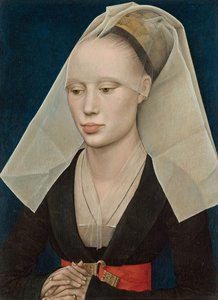
Francesco I d'Este
 Acrílico sobre lienzo
- Arte de pared
- Early Netherlandish Renaissance
 1460
1460 31.0 x 22.0 cm
 Museo Metropolitano de Arte
 Leer más
Giclée / Impresión de arte
Impresiones giclée o en lienzo de calidad de museo con producción rápida y opciones de acabado flexibles. ( Encargar reproducción pintada a mano Ver versión en imagen digital)




P118B €10

P118H €10

P118W €10

P438Z €10

P508JH €12

P508YH €12

P805H €10

P805Z €10

P919BZ €10

P919G €10

P919XJ €10

P959ZH €10

P968JZ €12

W106C €8

W218G €10

W218JH €8

W218Y €10

W307PJ €10

W316G €10

W316PJ €8

W316Y €10

W398PJ €8

W4111J €10

W500HY €15

W500JH €15

W692G €12

W849H €8

W940BG €15

W953PJ €8




Elija entre nuestros tamaños predefinidos que respetan las proporciones originales de la obra.

Introduzca el ancho y el alto que necesite para adaptarse a su marco o pared. Una impresión solo puede recortarse, nunca hacerse más grande que la imagen original, por lo que un tamaño con una forma distinta perderá parte de la obra. Le enviaremos una maqueta digital para su aprobación antes de realizar cualquier impresión. La imagen que se muestra en esta página no refleja el recorte real; solo la maqueta lo hace.
Envío a todo el mundo () en 2 semanas en lugar de las 4/5 semanas estándar. (21 octubre)

Envío exprés gratuito a todo el mundo

Lienzo de lino de alta calidad

Seguro de envío completo

Garantía de reembolso de impuestos aduaneros

Garantía de fidelidad cromática exacta

Política de devolución de 100 días (solo por defectos)

Garantía de devolución del 100% del dinero

Oferta por volumen
 La opción de vidrio solo está disponible en tamaños inferiores a 110 cm.

Francesco I d'Este
Giclée / Impresión de arte
Tamaño de la reproducción
-


Precio total
€ 70
Francesco d'Este: A Portrait of Nobility Embodied
Rogier van der Weyden’s “Francesco d’Este” stands as an exceptional testament to Early Netherlandish painting—a genre characterized by its meticulous realism, profound psychological depth, and unwavering devotion to religious iconography. Painted circa 1460, this portrait transcends mere representation; it captures the essence of aristocratic status and conveys a palpable sense of solemn contemplation.
Subject Matter & Context: The painting depicts Francesco I d’Este, son of Alfonso III d’Este, Duke of Modena and Reggio. As was customary at the Este court during this period, young Francesco embarked on military training abroad—specifically in Liège—where he absorbed the influences of humanist scholarship and artistic innovation. This commission reflects the patronage prevalent amongst wealthy Italian families eager to commemorate their lineage and secure their legacy through visual art.
Style & Technique: Van der Weyden’s mastery is immediately evident in his masterful handling of chiaroscuro—the dramatic interplay between light and shadow—which sculpts the sitter's face and drapery with remarkable precision. The artist employs a glazing technique, layering thin translucent washes of pigment over thicker undercoats to achieve luminous colors and unparalleled textural richness. This meticulous approach aligns perfectly with the prevailing artistic ideals of the Burgundian Renaissance.
Symbolism & Composition: Beyond its formal beauty, “Francesco d’Este” is laden with symbolic significance. The sitter’s gaze directs towards the viewer—a convention reflecting the humanist preoccupation with human dignity and introspection—establishing a direct connection between subject and observer. The inclusion of a ring on Francesco's finger symbolizes his noble lineage and marital status, reinforcing the portrait’s overarching message of aristocratic pride and stability. Furthermore, the architectural backdrop—likely inspired by Florentine palaces—represents power and grandeur.
Emotional Impact: Viewing “Francesco d’Este” evokes a feeling of quiet reverence. Van der Weyden skillfully conveys Francesco's inner composure through subtle facial expressions and posture, capturing a moment of profound thoughtfulness. The painting’s serene atmosphere invites contemplation on themes of honor, duty, and the enduring legacy of noble families—a timeless reflection of humanist values that continues to resonate with audiences today.
Further Exploration: For those interested in delving deeper into Rogier van der Weyden's artistic vision, we encourage you to consult Rogier van der Weyden’s Artist Database, where you can discover more biographical information and explore his other celebrated works like “The Lamentation of Christ.” You may also find inspiration in Hugo van der Goes’s Article Database, which examines the broader artistic landscape of the Early Netherlandish Renaissance.
Preguntas y respuestas
¿En qué movimiento y en qué época se sitúa "Francesco I d'Este" de Rogier van der Weyden?
"Francesco I d'Este" pertenece al movimiento Early Netherlandish Renaissance, y su creador trabajó en la época Renacimiento.
¿De qué país proviene la obra del Early Netherlandish Renaissance "Francesco I d'Este"?
La obra de Early Netherlandish Renaissance "Francesco I d'Este" fue realizada por un artista nacido en Bélgica.
¿Se encuentra "Francesco I d'Este" de Rogier van der Weyden entre las obras más codiciadas del Early Netherlandish Renaissance?
Dentro del movimiento Early Netherlandish Renaissance, "Francesco I d'Este" posee un nivel de popularidad Icónico.
Biografía del artista
vida y carrera
rogier van der weyden, también conocido como roger de la pasture, fue un destacado pintor flamenco temprano activo en el siglo XV. Nacido en Bélgica alrededor de 1400, se convirtió en uno de los artistas más influyentes de su tiempo, con sus obras ganando un reconocimiento significativo en los Países Bajos, Italia y España.estilo artístico y técnica
El estilo artístico de Van der Weyden se caracterizó por una rica coloración, una expresión simpática y un enfoque único del pathos y el naturalismo. Sus figuras a menudo aparecían estatuarias, particularmente en sus trípticos, que presentaban detalles intrincados y rasgos faciales idealizados. Empleó una diversa paleta de colores, asegurando que ningún tono se repitiera, añadiendo profundidad y complejidad a sus composiciones.obras notables
* st luke drawing a portrait of the madonna (Museo de Bellas Artes de Boston): Esta pintura muestra la maestría de Van der Weyden en el óleo sobre tabla, presentando una representación impresionante de San Lucas. * Lamento (Musée des Beaux-Arts de Tournai, Bélgica): Este pequeño pero poderoso cuadro demuestra la capacidad de Van der Weyden para transmitir intensidad emocional a través del claroscuro.museos y colecciones
* Musée des Beaux-Arts de Tournai, Bélgica: cuenta con una impresionante colección de obras de Van der Weyden, incluyendo el diptico de retrato de Jean de Gros. * Musées Royaux des Beaux-Arts (Bruselas, Bélgica): alberga una importante colección de pinturas flamencas tempranas, incluyendo obras de Van der Weyden y otros artistas notables.legado
La influencia de Van der Weyden en el Renacimiento del Norte es innegable. Se situó junto a Robert Campin y Jan van Eyck como uno de los tres grandes artistas flamencos tempranos, reconocido por su estilo e innovación técnica. A pesar de que su fama menguó en el siglo XVII, la obra de Van der Weyden fue redescubierta en el siglo XIX, y ahora se erige como una figura destacada en la historia de la pintura flamenco temprana.- ver más obras de rogier van der weyden en OriginalUniqueArt.com
- explorar la colección del Musée des Beaux-Arts de Tournai en descubriendo los tesoros del Musée des Beaux-Arts de Tournai, Bélgica
- aprender más sobre la pintura flamenca temprana en wikipedia
Rogier van der Weyden
1400 - 1464 , Bélgica
Datos clave
- Artistas Influenciados Por: Goswijn van der Weyden
- Artistas Que Influyeron: ['Robert Campin']
- Fecha De Muerte: 1464
- Fecha De Nacimiento: c. 1400
- Lugar De Nacimiento: Tournai, Bélgica
- Movimiento Artístico: Renacimiento Nórdico
- Nacionalidad: Belga
- Nombre Completo: Rogier van der Weyden
- Obras Notables:
- San Lucas dibujando a la Virgen
- La Lamentación
- Depósito
- Anunciación
- Retablo de los Siete Sacramentos
Artículos relacionados

Renacimiento Flamenco Temprano: 10 Obras Maestras que Cambiaron la Historia del Arte | OriginalUniqueArt
Descubre las 10 obras maestras del Renacimiento Flamenco Temprano. Explora la historia de Jan van Eyck, Robert Campin y más. Reproducciones de arte en OriginalUniqueArt.com para decorar tu hogar con belleza y elegancia. ¡Explora la colección online!

Rogier van der Weyden: Emotion, Innovation & the Early Netherlandish Renaissance
Explore the revolutionary art of Rogier van der Weyden, a pivotal figure of the Early Netherlandish Renaissance. Discover his emotional realism, innovative compositions, and lasting impact on painting history.

Hugo van der Goes: Devotion, Innovation & the Psychological Depth of Early Netherlandish Painting
Explore the revolutionary art of Hugo van der Goes – a master of Early Netherlandish painting renowned for his dramatic realism, psychological depth & profound influence on Renaissance artists. Discover his iconic works and lasting legacy.

Rembrandt van Rijn: Las 25 Obras Maestras que Definen un Genio | Arte, Historia y Decoración
Descubre las 25 obras maestras de Rembrandt van Rijn, el genio del barroco holandés. Explora su historia, técnica y simbolismo en retratos icónicos como 'La Ronda Nocturna'. Encuentra reproducciones de arte exclusivas para decorar tu hogar con OriginalUniqueArt.com.

Los 10 Maestros del Primitivo Flamenco: Obras que Definen un Arte Inigualable | OriginalUniqueArt
Descubre los 10 imprescindibles del Primitivo Flamenco: Jan van Eyck, Robert Campin y más. Explora la historia, simbolismo y técnica de estas obras maestras renacentistas tempranas. Encuentra reproducciones de arte de museo en OriginalUniqueArt.com.