
 Vista previa
 Compartir
 Compartir
 Ver detalles

 Descargar
 Ver similares
 Radiografía
 Presentación de diapositivas
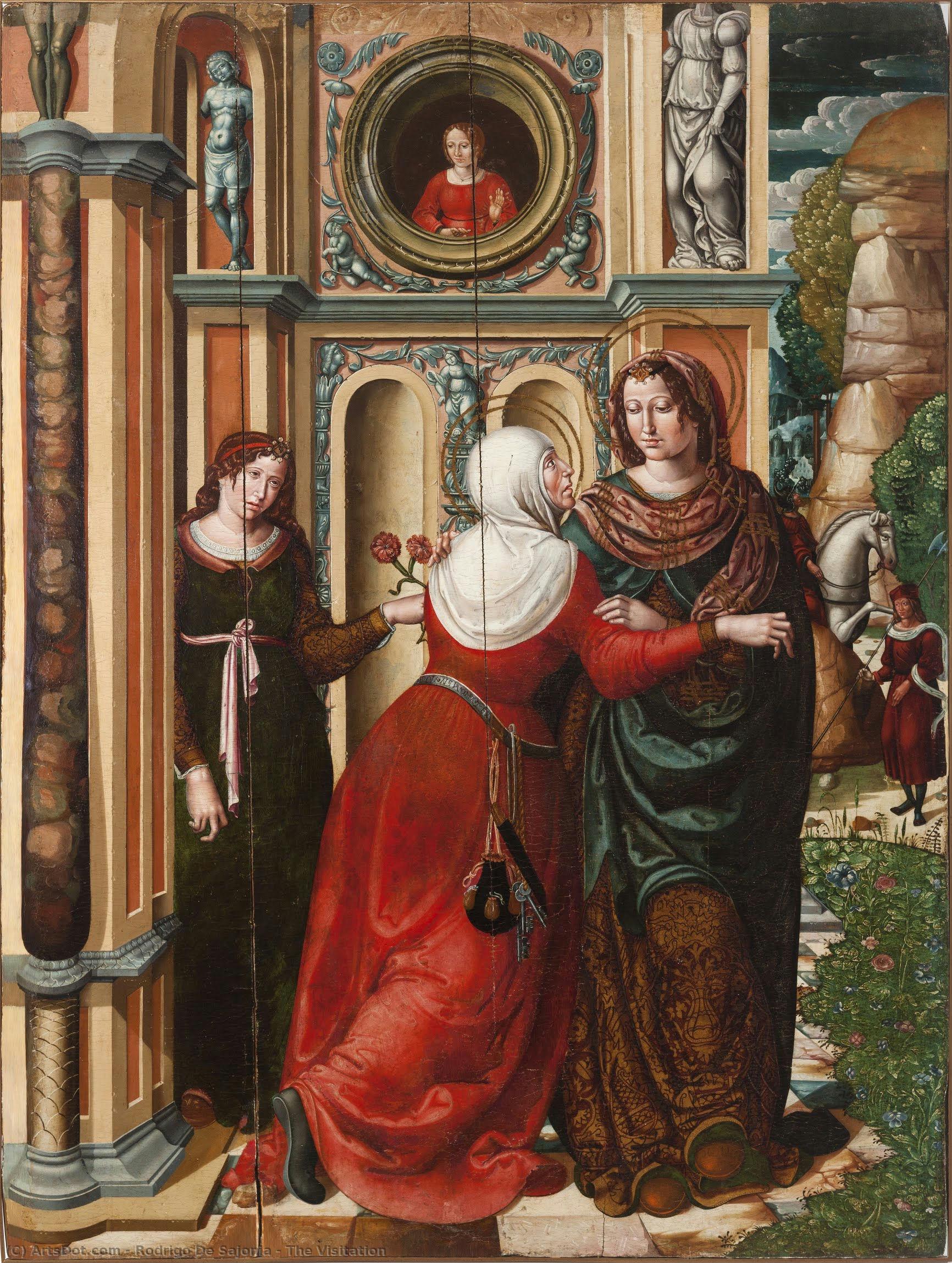
The Visitation

 Leer más
Giclée / Impresión de arte
Impresiones giclée o en lienzo de calidad de museo con producción rápida y opciones de acabado flexibles. ( Encargar reproducción pintada a mano Comprar descarga)




































Elija entre nuestros tamaños predefinidos que respetan las proporciones originales de la obra.

Puede introducir sus propias dimensiones para adaptarse a un marco o espacio específico. Si el tamaño seleccionado no coincide con las proporciones de la imagen original, recortaremos la obra de arte o extenderemos la imagen con un borde con efecto espejo o de color sólido. Se enviará una maqueta digital para su aprobación antes de que comience la producción.
Tenga en cuenta que la vista previa en pantalla no refleja el recorte o la extensión real. Solo la maqueta mostrará con precisión la composición final.
Aunque existen tamaños personalizados, recomendamos seleccionar una dimensión de la lista predefinida para preservar las proporciones originales.
Envío a todo el mundo () en 2 semanas en lugar de las 4/5 semanas estándar. (21 agosto)

Envío exprés gratuito a todo el mundo

Lienzo de lino de alta calidad

Seguro de envío completo

Garantía de reembolso de aranceles aduaneros

Garantía de fidelidad cromática exacta

Política de devolución de 60 días (solo por defectos)

Garantía de devolución del 100% del dinero

Oferta por volumen
 La opción de vidrio solo está disponible en tamaños inferiores a 110 cm.

The Visitation
Giclée / Impresión de arte
Tamaño de la reproducción
-


Precio total
$ 80
Descripción de la pieza
Biografía del artista
Rodrigo de Sajonia: A Renaissance Master of Aragon’s Altarpieces
Rodrigo de Sajonia, often referred to as Maestro de Sijena, stands as a pivotal figure in the artistic landscape of 16th-century Aragon. Born in Spain – his precise birthdate remains elusive, though records suggest activity between 1515 and 1521 – he carved a distinctive niche for himself through his masterful contributions to altarpiece design, particularly within the Royal Monastery of Santa María de Sigena. His work is characterized by a vibrant palette, figures rendered with a subtle yet discernible rigidity, and an abundance of decorative elements that speak to the opulent tastes of the era. De Sajonia’s legacy isn't one of individual masterpieces in isolation; rather, it resides in his crucial role as the principal artist responsible for the monumental altarpiece within Sigena’s main chapel – a project that profoundly shaped the artistic identity of the region and continues to fascinate art historians today.The Context of Sigena and the Royal Altarpiece
To fully appreciate de Sajonia's contribution, one must understand the significance of the Royal Monastery of Santa María de Sigena itself. Situated in the heart of Aragon, the monastery served as a vital center for religious life and royal patronage during the reign of Ferdinand II of Aragon. The decision to commission an elaborate altarpiece was driven by a desire to showcase the kingdom’s wealth, piety, and artistic prowess. De Sajonia was entrusted with this ambitious undertaking, tasked with creating a visual narrative that would glorify both God and the Aragonese monarchy. The resulting altarpiece, a complex and richly decorated structure, became a cornerstone of the monastery's design, reflecting the prevailing trends of Renaissance art while simultaneously incorporating regional stylistic influences. The sheer scale of the project – involving multiple panels depicting key biblical scenes – demanded considerable skill and organizational capacity from de Sajonia and his workshop.A Style Defined by Color and Form
De Sajonia’s artistic style is immediately recognizable through its bold use of color. He eschewed the muted tones often favored in earlier Gothic art, embracing instead a vibrant palette of reds, blues, yellows, and greens. These colors are not simply decorative; they contribute to the emotional impact of his compositions, imbuing scenes with a sense of drama and intensity. His figures, while possessing a degree of formality – a characteristic reminiscent of Flemish painting – are rendered with a remarkable attention to detail, particularly in their drapery and facial expressions. There’s a subtle stiffness in their poses, perhaps reflecting the influence of Italian Renaissance art, yet this is balanced by an expressive quality that prevents his subjects from appearing lifeless. Furthermore, de Sajonia skillfully integrated decorative elements—floral motifs, geometric patterns, and intricate borders—into his compositions, creating visually rich and engaging works.Key Works: The Visitation, Annunciation, and Birth of the Virgin
Among de Sajonia’s most celebrated works are *The Visitation*, *The Annunciation*, and *The Birth of the Virgin Mary*. *The Visitation*, depicting the meeting between Mary and Elizabeth, exemplifies his mastery of color and composition. The scene is rendered with a dynamic sense of movement, capturing the emotional intensity of the encounter through subtle gestures and facial expressions. *The Annunciation*, showcasing the angel Gabriel’s proclamation to Mary, demonstrates his ability to convey divine revelation within a human context. *The Birth of the Virgin Mary*, perhaps his most iconic work, powerfully depicts the miraculous conception – a scene brimming with symbolism and emotional resonance. These three panels, along with others from the Sigena altarpiece, offer invaluable insights into de Sajonia’s artistic vision and technical skill.Legacy and Historical Significance
Rodrigo de Sajonia's contribution to Aragonese art is profound. He played a crucial role in establishing a distinct regional style that blended Renaissance influences with local traditions. His work at the Royal Monastery of Sigena set a new standard for altarpiece design, influencing subsequent generations of artists throughout Aragon and beyond. While much about his life remains shrouded in mystery – details regarding his training and early career are scarce – his artistic legacy endures through his remarkable paintings, which continue to be studied and admired by art historians today. His work serves as a testament to the flourishing of Renaissance art within the Iberian Peninsula and highlights the importance of regional artistic traditions in shaping the broader European cultural landscape. His influence can still be seen in the decorative elements and color palettes employed by artists working in Aragon during the 16th century, cementing his place as a significant figure in Spanish art history.
rodrigo de sajonia
Spain
Datos clave
- Artistic Movement Or Style: Renaissance
- Date Of Death: Living
- Full Name: Rodrigo de Sajonia
- Nationality: Spanish
- Notable Artworks:
- The Visitation
- The Annunciation
- The Birth of the Virgin Mary
- Place Of Birth: Spain

