Vista previa
 Compartir
 Compartir
 Ver detalles

 Descargar
 Ver artículos similares
 Radiografía
 Presentación de diapositivas
 Estadísticas
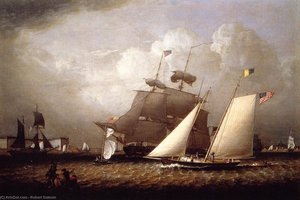
Dismal Swamp Canal


 Leer más
Giclée / Impresión de arte
Impresiones giclée o en lienzo de calidad de museo con producción rápida y opciones de acabado flexibles. ( Encargar reproducción pintada a mano Ver versión en imagen digital)




P118B $10

P118H $10

P118W $10

P438Z $10

P508JH $12

P508YH $12

P805H $10

P805Z $10

P919BZ $10

P919G $10

P919XJ $10

P959ZH $10

P968JZ $12

W106C $8

W218G $10

W218JH $8

W218Y $10

W307PJ $10

W316G $10

W316PJ $8

W316Y $10

W398PJ $8

W4111J $10

W500HY $15

W500JH $15

W692G $12

W849H $8

W940BG $15

W953PJ $8




Elija entre nuestros tamaños predefinidos que respetan las proporciones originales de la obra.

Puede introducir sus propias dimensiones para adaptarse a un marco o espacio específico. Si el tamaño seleccionado no coincide con las proporciones de la imagen original, recortaremos la obra de arte o extenderemos la imagen con un borde con efecto espejo o de color sólido. Se enviará una maqueta digital para su aprobación antes de que comience la producción.
Tenga en cuenta que la vista previa en pantalla no refleja el recorte o la extensión real. Solo la maqueta mostrará con precisión la composición final.
Aunque existen tamaños personalizados, recomendamos seleccionar una dimensión de la lista predefinida para preservar las proporciones originales.
Envío a todo el mundo () en 2 semanas en lugar de las 4/5 semanas estándar. (18 septiembre)

Envío exprés gratuito a todo el mundo

Lienzo de lino de alta calidad

Seguro de envío completo

Garantía de reembolso de impuestos aduaneros

Garantía de fidelidad cromática exacta

Política de devolución de 100 días (solo por defectos)

Garantía de devolución del 100% del dinero

Oferta por volumen
 La opción de vidrio solo está disponible en tamaños inferiores a 110 cm.

Dismal Swamp Canal
Giclée / Impresión de arte
Tamaño de la reproducción
-


Precio total
$ 80
A Window into the Early Republic: Robert W. Salmon’s “Dismal Swamp Canal”
Robert W. Salmon's "Dismal Swamp Canal" isn’t merely a depiction of a waterway; it’s a vibrant snapshot of 19th-century America, brimming with ambition, industry, and the nascent spirit of westward expansion. Painted in 1830, this oil on canvas transports us to a pivotal moment in American history – the construction and early operation of the Dismal Swamp Canal, a bold engineering feat that connected the Chesapeake Bay and Albemarle Sound, fundamentally altering trade routes and shaping the landscape of the southeastern United States. Salmon masterfully captures the bustling activity surrounding this vital artery, showcasing not just the physical infrastructure but also the human element – the ships laden with goods, the laborers toiling alongside them, and the burgeoning settlements that sprung up along its banks.
- Historical Context: The painting reflects a period of intense national development. Following the American Revolution, there was a pressing need for improved transportation networks to facilitate trade and connect disparate regions. The Dismal Swamp Canal addressed this critical demand, offering an alternative to arduous overland routes through the swamp itself.
- Engineering Marvel: Salmon’s depiction highlights the scale of the undertaking – a complex system of locks and channels painstakingly carved through the dense, treacherous swamp. The canal's construction was a testament to human ingenuity and perseverance, requiring immense labor and logistical planning.
A Luminist Approach: Light, Detail, and Atmospheric Depth
Salmon’s artistic style is firmly rooted in the emerging movement of American Luminism, characterized by its emphasis on capturing natural light and atmospheric effects. Unlike the highly detailed, often theatrical scenes favored by earlier historical painters, Salmon employs a more subdued palette and a looser brushstroke to create a sense of realism and immediacy. The painting's composition is carefully balanced, utilizing horizontal lines to emphasize the expansive waterway while layering elements in the foreground, middle ground, and background to establish a convincing sense of depth. Notice how he skillfully uses light – diffused and soft – to illuminate key figures and structures, drawing the viewer’s eye through the scene.
Technique: Salmon's meticulous approach is evident in the layering of brushstrokes, particularly noticeable in the depiction of the sails of the ships. These are rendered with a remarkable sense of texture and movement, conveying both their strength and vulnerability to the elements. The artist’s use of color is restrained yet effective, relying on browns, blues, and reds to create a realistic and evocative atmosphere.Symbolism and the American Narrative
Beyond its depiction of a specific engineering project, “Dismal Swamp Canal” carries significant symbolic weight. The prominent American flag flying from one of the buildings represents national identity and the expansion of the United States westward. The bustling harbor scene speaks to the burgeoning commercial activity that fueled the nation’s growth – a testament to the spirit of innovation and entrepreneurialism. Even the “Dismal Swamp” itself, despite its name, becomes a symbol of opportunity and progress, transformed by human intervention into a vital artery for trade and transportation.
- The Canal as Progress: The canal represents more than just a physical connection; it symbolizes America’s drive to overcome geographical obstacles and forge ahead with its destiny.
- Labor and Industry: The inclusion of laborers highlights the human cost of this ambitious project, reminding us that progress often comes at a price.
A Legacy in Reproduction – Bringing History to Life
OriginalUniqueArt’s meticulously crafted reproductions of Robert W. Salmon's “Dismal Swamp Canal” offer a remarkable opportunity to bring this captivating historical scene into your home or office. Each reproduction is created using the same techniques and materials as the original painting, ensuring an authentic representation of Salmon’s artistic vision. Whether you are an art enthusiast, a collector, or simply seeking a stunning piece of American history, OriginalUniqueArt's reproductions provide a beautiful and enduring tribute to this remarkable work.
Biografía del artista
Primeros Años y Formación Artística
- Orígenes: Salmon nació como Robert Salomon, hijo de Francis Salomon, joyero. El bullicioso puerto de Whitehaven proporcionó una temprana influencia en su desarrollo artístico.
- Primeras Influencias: Su formación no está extensamente documentada pero se cree que estudió a pintores marinos holandeses del siglo XVII, artistas italianos de vedute y Claude Lorrain.
- Primeras Obras: Sus primeras obras conocidas, “Dos Mercantes Armados Abandonando el Puerto de Whitehaven” (1800) y “El ‘Estridge’ frente a Dover”, demuestran su temprana habilidad para capturar escenas marítimas.
- Debut en la Royal Academy: Salmon expuso por primera vez en la Royal Academy en 1802, marcando un paso significativo en su carrera.
Desarrollo de la Carrera y Estilo
- Traslado a Liverpool (1806): Salmon se estableció en Liverpool y cambió su nombre a Salmon. Este período vio la producción de numerosas pinturas marinas ahora alojadas en el Museo Marítimo Nacional de Londres.
- Retratos de Barcos: Sus retratos de barcos revelan una profunda familiaridad con los barcos de vela y sus mecanismos, a menudo representando la misma embarcación desde múltiples ángulos en un solo lienzo.
- Popularidad y Coleccionistas: La obra de Salmon ganó popularidad entre prominentes bostonianos como Samuel Cabot, Robert Bennett Forbes y John Newmarch Cushing, lo que indica su creciente reconocimiento en América.
- Pionero del Luminismo: Es considerado una figura clave en el desarrollo del Luminismo Americano, influyendo a artistas como William Bradford y Fitz Henry Lane. Su énfasis en la luz y la atmósfera crearon escenas serenas y tranquilas.
Obras Notables y Significado Artístico
- Pinturas Clave: Algunas de las obras más reconocidas de Salmon incluyen “El Brigan ‘Ariel’”, “Bergantín ‘Trelawney’” y “Vista de Liverpool desde Cheshire”. Estas pinturas ejemplifican su habilidad para capturar la belleza y complejidad de los buques de vela.
- Serie del Puerto de Boston: Producio una serie significativa de obras que representan el puerto de Boston, mostrando la vida marítima y el histórico Boston. “Puerto de Boston desde Castle Island (Barco Charlotte)” es un ejemplo notable.
- Influencia en el Arte Americano: El estilo de Salmon influyó profundamente en generaciones posteriores de pintores paisajistas americanos, contribuyendo al desarrollo del Luminismo como un importante movimiento artístico.
Legado y Reconocimiento
- Colecciones de Museos: Las obras de Salmon se encuentran en prestigiosas instituciones incluyendo la Academia Naval de los Estados Unidos, el Museo de Bellas Artes de Boston y el Museo Marítimo Nacional de Greenwich.
- Impacto Duradero: Sus pinturas continúan inspirando a artistas hoy en día, sirviendo como un testimonio de su habilidad y arte.
- Padre del Luminismo Americano: El legado de Salmon está firmemente establecido como pionero del Luminismo Americano, dejando una huella indeleble en el mundo del arte.

Robert W. Salmon
1775 - 1845 , Reino Unido
Datos clave
- Artistas Influenciados:
- William Bradford
- Fitz Henry Lane
- Artistas Que Influyeron:
- Pintores marinos holandeses
- Artistas italianos de vedute
- Claude Lorrain
- Fecha De Nacimiento: 1775
- Lugar De Nacimiento: Whitehaven, Reino Unido
- Movimiento Artístico: Luminismo Americano
- Nacionalidad: Británico
- Nombre Completo: Robert W. Salmon
- Obras Notables:
- Sailing Ship 'Trelawney'
- Boston Harbor from Castle Island
- A Frigate of the Baltic Fleet
Artículos relacionados

Robert Spencer: Luminism, Narrative & the American Landscape Tradition
Explore the captivating world of Luminism & the Hudson River School with our expert analysis. Discover the history, artists, and enduring beauty of 19th-century American landscape painting. Find museum-quality reproductions at OriginalUniqueArt.

Realismo Estadounidense: 10 Obras Maestras que Cambiaron el Arte y la Decoración
Descubre 10 obras maestras del Realismo Estadounidense: Winslow Homer, Edward Hopper y más. Explora la historia, técnica y emoción de estos icónicos cuadros. Encuentra reproducciones de arte de museo en OriginalUniqueArt.com.
Robert W. Salmon: Navigating the Currents of Maritime Painting & American Realism
Explore the captivating maritime paintings of Robert W. Salmon, a pioneer of American Luminism. Discover his Boston Harbor scenes, legacy, and collecting guide at OriginalUniqueArt.

Grant Wood & American Regionalism: Identity, Myth & the Rural Landscape
Explore the world of Grant Wood & American Regionalism with OriginalUniqueArt. Discover the symbolism behind 'American Gothic', recurring themes, and the movement's lasting impact on art history. High-quality reproductions available.
El Siglo XIX en el Arte: 10 Obras Maestras para Decorar con Historia y Estilo
Descubre 10 obras maestras del siglo XIX: Monet, Goya y más. Explora el impresionismo, realismo y romanticismo que definieron una época. Encuentra reproducciones de arte exclusivas para decorar tu hogar con estilo en OriginalUniqueArt.com.